
Int J App Pharm, Vol 17, Issue 3, 2025, 136-147Review Article
AN OVERVIEW OF NEW TRENDS IN THE COSMETICS INDUSTRY
NAWZAT D. AL JBOUR*
Faculty of Pharmacy, Middle East University, Amman, Jordan
*Corresponding author: Nawzat D. Al Jbour; *Email: naljbour@meu.edu.jo
Received: 01 Dec 2024, Revised and Accepted: 19 Feb 2025
ABSTRACT
Cosmetic business is one of the major billers of the global economy since it serves a market which is growing up continuously due to different reasons such as consumer behavior changes, technological and scientific developments, in addition to the rise in consumer awareness. This review focuses on giving an idea about the importance of the cosmetics industry some details about how the change in the customer demands encourages innovation in this sector. Nowadays, the growing awareness of the clean beauty is considered a trend, where the chemical-free, ethical, and sustainable products are of higher interest for most customers. It is worth to mention that the industrial practices for cosmetics are changing due to the developing personalized skincare and haircare products, as well as, environmentally friendly packaging, and the use of artificial intelligence in product creation and promotion.
This review focuses on the use of nanotechnology in cosmetics and dermatology products. The use of nanotechnology helped in improving the active components' stability, penetration, and effectiveness. Particularly useful for sun protection anti-aging treatments, in addition to the targeted administration of active ingredients such as Nano emulsions, liposomes, and nanoparticles. This review offers a detailed information about the recent developments and trends in the cosmetics industry, focusing on how nanotechnology could be used to meet the changes in consumer needs taking into consideration sustainability and safety issues.
Keywords: Cosmetics, Demand, New trends, Nanotechnology, Natural products
© 2025 The Authors. Published by Innovare Academic Sciences Pvt Ltd. This is an open access article under the CC BY license (https://creativecommons.org/licenses/by/4.0/)
DOI: https://dx.doi.org/10.22159/ijap.2025v17i3.53320 Journal homepage: https://innovareacademics.in/journals/index.php/ijap
INTRODUCTION
Beauty has an important role in the well-being of many individuals. It influences a person’s confidence and how they might be commonly assessed. Generally, an individual's outward look might provide information about their health because everything that happens on the surface of the skin is an expression of what is going on within [1]. Therefore, cosmetics, when worn, generally gives radiance to the skin and helps to improve the total countenance of people.
Beauty items and cosmetics make up one of the world's major worldwide industries. The Federal Food, Drug, and Cosmetic Act (FD and C Act) defines cosmetic as "articles intended to be rubbed, poured, sprinkled, or sprayed on, introduced into, or otherwise applied to the human body for cleansing, beautifying, promoting attractiveness, or altering the appearance" [2]. So, certain products that are commonly known as "personal care products" are classified as cosmetics by legislation. These contain items like toothpaste, nail polish, shampoo, and skin moisturizer, among others [3, 4].
In previous years, there have been an increment in the number of global environmental movements closely connected to factors like pollution, deforestation, animal welfare, climate change, and biodiversity losses. Human activities are mostly responsible for these factors, which have partly contributed to the increasing need for cosmetics. Therefore, the recent trend of research is to develop cosmetics that can withstand the changing environmental factors while maintaining its beauty-related performances.
As personal care products increasingly address both physical and emotional demands, the relationship between health, beauty, and well-being has taken center stage in contemporary consumer behavior. One example of a direct link between cosmetics and health is the marketing of skincare products that contain probiotics, which are touted for their capacity to enhance skin health and promote overall microbiome balance. According to some studies, products like SPF-containing cosmetics or tinted moisturizers shield the skin from damaging UV rays, serving the dual purposes of preserving health and enhancing appearance [5].
Additionally, consumer studies demonstrate the positive effects of cosmetics on mental health. 60% of people with skin disorders said that using cosmetics that were customized for their needs increased their confidence, according to a 2018 British Skin Foundation survey. Makeup treatment has also been used with cancer patients receiving chemotherapy, and it has been shown that applying cosmetics improves self-esteem and lowers anxiety [6].
In the field of hair care products that contain natural elements like keratin or argan oil not only improve the look of hair but also shield it from environmental harm, therefore promoting health-related objectives. When taken as a whole, these instances show how the cosmetics sector is changing to promote holistic well-being by fusing visual appeal with real health advantages.
In order to provide a thorough understanding of how different factors influence the development of the cosmetics business, this research methodically examines the junction of market trends, technological advancements, and sustainability issues. In addition to highlighting technological developments like AI-driven personalization and environmentally friendly packaging options, it looks at new consumer preferences like the rising desire for natural and organic products. The assessment also explores the difficulties in striking a balance between environmental responsibility and profitability, focusing on important topics, including waste management, water use, and carbon emissions. By combining these elements, the assessment offers a comprehensive viewpoint on the dynamics of the sector today and where it is headed [7, 8].
A thorough literature search was conducted using predetermined keywords to find all pertinent articles published up to 2024 in Web of Science (http://www.webofknowledge.com), ResearchGate (https://www.researchgate.net), Pub Med (https://pubmed.ncbi.nlm.nih.gov), and Google Scholar (https://scholar.google.com). Both phrase and text words were used. Among the most popular terms were "cosmetics," "demand," "new trends," "natural products," and, lastly, "nanotechnology in cosmetics."
Importance of the cosmetics industry
The industry's consistent rise indicates how concerned and interested customers are in their personal hygiene and appearance. For ages, cosmetics have been a significant part of human history. It has been utilized in religious rites, attractiveness enhancement, and health promotion. Both men and women utilize cosmetics extensively in their daily lives, particularly since they are aware of the importance of appearances and attractiveness. For example, there are many individuals who want to look younger and more attractive, either in order to boost their self-esteem or otherwise. This among other factors has largely contributed to the expanding cosmetic industry [9].
By using safe components, consumers are now encouraging innovation in cosmetics. Consumers have recently going for natural cosmetics for the skin by the use of active ingredients, and they are willing to invest more on having products that helps to get better skin features such as appearance and UV resistance [10]. As part of this development, researchers have investigated the use of food-derived elements to create "healthier" cosmetics [11].
Based on scientific studies on tretinoin administration for Ultra Violet radiation (UV)-damaged skin, the term "cosmeceutical" was originally used in 1962 by Raymond Reed [12] and later popularized by Albert Kligman [13] and Fetham and their research group in 2018 [14]. Cosmeceuticals refer to topical medications that affect the function and appearance of the skin; these goods combine the terms "cosmetic" and "pharmaceutical," making them more than just basic cosmetics. According to science, cosmeceuticals are like pharmaceuticals in that they operate pharmacologically or physiologically to have a long-lasting impact [12-15].
The targeted benefits and scientific foundation of cosmeceuticals set them apart from conventional cosmetics. Conventional cosmetics, like moisturizers, lipsticks, and foundations, are mostly used to improve appearance. Their effects are usually superficial and restricted to the skin's exterior layers. Cosmeceuticals, on the other hand, are goods that fall in between pharmaceuticals and cosmetics and have active components that affect the biological processes of the skin. Retinoids, peptides, and antioxidants are examples of active ingredients that are designed to go deeper into the epidermis and provide therapeutic effects like wrinkle reduction, increased skin suppleness, and hyperpigmentation treatment. However, "cosmeceuticals" are not officially recognized as a category by the United States Food and Drug Administration (U. S. FDA), which results in regulatory variations around the world. The effectiveness of cosmeceuticals is confirmed by scientific study; for example, studies show that vitamin C helps to promote collagen formation and defend against oxidative stress. This functional distinction highlights how cosmeceuticals combine the benefits of scientifically established skin health with beauty [12-15].
Over time, other terms such as "Nutraceuticals" and "Nutricosmetics" have emerged (fig. 1). DeFelice et al. gives a definition for nutraceuticals as "any food or part of a food that provides medical or health benefits" [16]. The benefits of components generated from food and their effects on human health were discussed in the 1980s, when this idea began to garner greater attention [15-17]. According to Pearson (2018), these active ingredients were thought to be crucial for both the skin's anti-aging benefits and protection against injury. On the other hand, nutricosmetics, commonly known as "beauty pills", "beauty from within", or "oral cosmetics" is defined as "the consumption of food or oral supplements to produce an appearance benefit" [15-18].
All these ideas emerged from the belief that food is all around us and can affect the body of the human, including the skin. Vegetables and fruits, for instance, contains a wide range of antioxidants [19]. As a result, cosmetics particularly play a crucial role in a woman's beauty regimen as she expresses her femininity, individuality, and dignity as well as her modernity, freedom, and social revolution. The first significant accomplishment of the beauty industry was achieved few decades ago when the cosmetics industry succeeded in emancipating and self-representing as a beauty ideal and linking it to the desire for consumption [20].
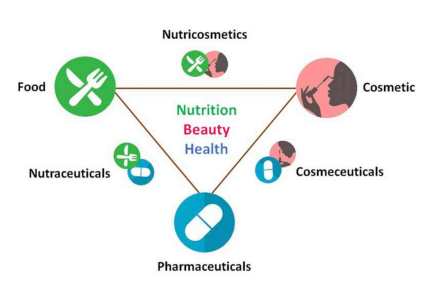
Fig. 1: Cosmeceutical vs nutraceutical vs nutricosmetic [20]
The utilization of food-derived active ingredients, which combine the advantages of natural compounds with the functionality of skincare products, is one of the noteworthy innovations in the cosmeceutical sector. For instance, antioxidants with anti-aging and skin-rejuvenating qualities, such as resveratrol from grapes and polyphenols from green tea, are increasingly commonly employed. The addition of the fatty acids such as Omega-3, which are obtained naturally from the oils extracted from fish and aid in reducing inflammation and enhancing skin moisture, is another example. In addition to being high in bioactive components, these food-derived substances frequently exhibit a kinder, more environmentally friendly approach to skincare than their synthetic counterparts.
However, regulatory frameworks present serious obstacles to the utilization of cosmeceuticals. Because cosmeceuticals are not subject to the same stringent clinical trials as pharmaceuticals, the FDA in the US views them as cosmetics, which could result in inconsistent statements about the efficacy of the products. Although the term "cosmeceutical" is still unclear, the European Union has more stringent laws that require cosmeceuticals to prove their safety and effectiveness through clinical research. Some nations in Asia, where natural and traditional remedies are important for skincare, have started to see the promise of food-derived cosmeceuticals but are having trouble classifying them within the current pharmaceutical or cosmetic categories. Concerns over product safety and consumer trust are also raised by these disparate standards, which make it difficult for producers to ensure worldwide compliance. These variations show how difficult it is to regulate a sector that is becoming more and more reliant on cutting-edge, multipurpose substances that combine health and beauty [16, 18].
Market demand for cosmetic products
The cosmetics market, according to Statista, has been expanding yearly and was valued at an astounding 500 billion dollars in 2019 [21]. Like what happened in the food business, rising consumer knowledge of environmental and health concerns coincides with the trend of growing popularity. Customers are becoming more aware of ethical behavior, which includes natural ingredients, sustainable packaging, vegan and animal welfare. The question of how consumer preferences interact with the industry and whether consumers care about sustainability and ethical cosmetics is warranted given this adaptation of consumer demand. This will be explored by analyzing data released from global public opinion and data company Yougov, and data released from audience targeting company Global Web Index for the global marketing industry [22].
The global beauty market has expanded at an average annual rate of 4.5% over the past 20 y, with Cosmetic Annual Growth Rates (CAGR) ranging from roughly 3% to 5.5%. This market, also referred to as cosmetics and toiletries or personal care products, has demonstrated its ability to grow steadily and continuously, reinforcing its resilience in the face of adverse economic situations.
The five primary business segments that comprise the global beauty market are typically skincare, haircare, color (make-up), fragrances, and toiletries. These markets complement one another, and because of their diversity, they can meet the demands and expectations of every customer when it comes to cosmetics. Depending on the brand prestige, price, and distribution channels, beauty items can also be separated into luxury and mass manufacturing groups. When looking at the global sales in 2010, the mass category accounted for 72% of total sales, with the luxury segment making up the remaining 28%. The developed markets, primarily the US, Japan, and France account for most global sales in premium cosmetics [23].
As for the regional component, this market can be divided into areas that are dominant, whose contribution to global revenues is the largest, and periphery regions, whose contribution is very modest. The former comprises regions like both North and Latin America, Asia-Pacific, and Western Europe which are considered the largest global revenue shares. Likewise, the cosmetics markets in the BRIC (Brazil, Russia, India, and China) nations have expanded rapidly since the year 2000. There, the markets for personal care and cosmetics have significantly flourished, thereby contributing notably to the overall expansion of the global industry [24].
According to Leonard (2011), these four nations alone accounted for 21% of the global beauty business in 2010 and will account for 25% of the market value overall by 2015. Currently, most of the biggest global producers of cosmetics are concentrating on growing their market share in the BRIC countries. However, their largest challenge is determining how to make their brands relevant to consumers in areas where the customs and cultures of the customers are so dissimilar from their own [25].
Estimates from a number of sources show that the global cosmetics market has grown significantly in the last several years. Grand View Research estimates that the market would reach an estimated USD 445.98 billion by 2030, having grown from 2024 to 2024 at a compound annual growth rate (CAGR) of 6.1%. In 2023, the market was valued at about USD 295.95 billion. The market is expected to reach USD 758.05 billion by 2032, with a compound annual growth rate (CAGR) of 9.8% during the forecast period, according to Fortune Business Insights, which estimated a higher valuation, estimating the market size at USD 374.18 billion in 2023 [26].
Differences in market definitions, research methodology, and the range of items included in the assessments are the reasons for these discrepancies in market size estimations. Notwithstanding these differences, it is generally agreed that the cosmetics industry is predicted to grow at a strong rate due to factors like growing consumer awareness of one's appearance, the integration of skincare and hair care products into daily routines, and the growing demand for natural and organic cosmetics [26].
The mass market has become more important to cosmetic companies due to the recent development in the Latin American market, especially in the fragrance category, where mass brands are the dominant player. The ongoing diversification of product offerings in relation to product line prices is a noteworthy development, given the introduction of new product lines at lower price points. The development of mass product lines that are seen as prestigious (masstige) in more developed economies, where premium goods have historically predominated (Japan is a good example), is another intriguing development. The reason for this trend is that customers have realized that mass-market products, particularly in the category of color cosmetics and skincare products, can match the quality of premium brands. It is also important to note that while mass-produced goods were mostly responsible for the sales increase, luxury companies are typically the ones introducing new developments.
Regarding to "Masstige" products, which combine the terms "mass" and "prestige," are a new market for cosmetics that provide high-end goods at more reasonable costs. These goods appeal to customers looking for a hint of luxury without the high cost by bridging the gap between luxury and drugstore brands.
L'Oréal Paris Revitalift, a skincare line that uses cutting-edge anti-aging chemicals like hyaluronic acid, which are usually found in luxury goods, is an example of a masstige product that is yet reasonably priced. Known for its long-lasting, high-performance formula, Maybelline New York SuperStay Matte Ink Liquid Lipstick produces results on par with those of high-end lipsticks. A popular skincare product that provides noticeable anti-aging benefits at a fraction of the price of high-end moisturizers is Olay Regenerist Micro-Sculpting Cream.
Consumer demand for affordable luxury, the rise in middle-class spending, the impact of digital marketing, and product development innovation are some of the causes contributing to the masstige category's expansion [27].
Two tendencies can be observed in the latest product innovations: long-lasting products and those which save time. The requirement of today's constantly busier consumers, who wish to give less time on their daily basis beauty routine, is met by time-saving goods. Many studies have been conducted as a result, leading to the development of goods like quick-dry nail polish and multi-preparations like 3-in-1 shower gel, face wash with shaving foam, and hybrid face treatments that combine aspects of skincare, makeup, and sun protection. Nevertheless, because they can be applied more sparingly than conventional cosmetics, long-lasting cosmetics are said to have a favorable price-value ratio [25]. This includes products like long-wearing lipsticks, nail paints, and skincare products with 24-hour hydration. Manufacturers have responded to the increasing trend of customers delaying professional skin treatments by offering DIY (Do It Your Self) products that can be applied at home. This option enables people to prolong the benefits of professional treatments longer than it used to be [25].
Analyzing the trends of the global cosmetic market over the 21st century, it can be inferred that the need for cosmetics will only increase, driven mostly by rising the flog markets in Latin America and Asia. This will lead to the development of new goods, alter consumer behavior, and possibly establish new standards for beauty. And because their new customers come from diverse, non-Western cultures and behave differently, international cosmetics producers will need to differentiate their products to meet their expectations. In this regard, the industry with the greatest room for expansion is skincare. For the foreseeable future, it will continue to be the leading section of the cosmetics market. Mass sales of cosmetics will determine the market's success because they will be the benchmark for the whole industry. The massive market will expand thanks to growing knowledge that mass and prestige cosmetics are nearly identical. As supermarkets, hypermarkets, and internet sales channels grow their market shares, the distribution system will also evolve. And finally, more new product launches are predicated on cutting-edge technologies and research. Conversely, there could be a rise in the market for sustainably produced organic goods, frequently made in line with the fair-trade ideology [25].
In regard to consumer behavior in developed versus developing countries, it should be taken into consideration that due to the differences in economic situations, social structures, cultural elements, and resource accessibility, consumer behavior varies greatly across developed and developing economies. Global trends have an impact on both kinds of economies, but the fundamental elements influencing consumer decisions are particular to each setting. Table 1 summarizes a comparative analysis of consumer behavior in developing and developed countries [28, 29].
Table 1: Comparative analysis of consumer behavior in developing and developed countries
| Comparison factor | Developed economics | Developing economics | Reference |
| Economic factors and purchasing power | Consumers in industrialized nations like the US, Japan, and Western Europe typically have more disposable income, enabling them to place a higher value on quality and brand recognition than on price. These customers appreciate a wide range of options in areas like fashion, cosmetics, and technology and frequently spend more on luxury and non-essential things. | Customers in emerging nations, such those in Brazil, India, or Southeast Asia, tend to be more price-sensitive and have less disposable cash. These customers frequently prioritize cost-effective solutions, value for money, and fundamental demands. However, there is a growing demand for higher-value goods as these economies mature and the middle class expands. | [28, 29] |
| Brand loyalty and consumer trust | In developed economies, where consumers are more likely to select established and reliable brands, brand loyalty is frequently higher. Because of their long-standing association with multinational corporations, customers in developed economies are likely to continue with brands they trust in sectors like food, technology, and beauty. | In general, customers in developing nations are more willing to try new products and brands. In many areas, the idea of "brand loyalty" is still developing as consumers are influenced by price sensitivity and the novelty of imported goods. | [16, 18] |
| Technology and digital engagement | Consumers are effectively included into the digital environment in industrialized economies. With a high rate of online shopping, e-commerce is a significant consumer driver. | Digital participation is increasing quickly in developing economies, especially among younger people. The full potential of e-commerce is still hampered by issues including poor logistical systems, restricted internet access, and mistrust of online transactions. | [27] |
| Cultural influences and consumption patterns | Individualism, with an emphasis on self-expression and personal preferences, tends to drive consumer behavior in developed economies, especially in the West. Purchase decisions are more likely to be influenced by the requirements, preferences, and experiences of the individual customer. | Collective values and family-oriented choices frequently influence consumer behavior in developing nations. Decisions can be significantly influenced by social standing and societal acceptance. | [28, 29] |
| Sustainability and ethical consumption | The demand for sustainable, environmentally friendly, and ethically sourced products is high and rising in developed economies, especially in Western nations. Customers in these areas are more inclined to pay more for products that support social causes or are produced sustainably. | The main focus remains on availability and price. Consumers in nations like Brazil and India are beginning to place a higher priority on eco-friendly items as their disposable budgets increase, but aspirational consumers are frequently at the forefront of this trend. Price sensitivity is still a significant consideration, though, and metropolitan areas have a stronger need for sustainability than rural ones. | [22] |
There are a number of significant differences between the purchasing power, brand loyalty, technology engagement, and sustainability concerns of consumers in developed and developing economies. Consumers in developing nations are frequently more concerned with cost, value, and trying new things than consumers in developed nations, who are more likely to appreciate quality, luxury, and brand loyalty. These trends are probably going to change as emerging markets' economies continue to expand, bringing developed and developing economies' purchasing patterns closer together.
New trends in the cosmetics industry
From creative product formulas to environmentally friendly packaging options, the cosmetics industry is always changing and new trends appear regularly. Although these tendencies spur expansion and meet shifting customer needs, they also have serious drawbacks, especially in terms of cost-effectiveness and scalability. These restrictions may make it more difficult for some trends to gain traction and present difficulties for companies looking to stay profitable [30].
The limitations and restrictions are summarized in the following:
Scalability of Novel Product Lines and Formulations Companies are always coming up with innovative formulations, such those that incorporate biotechnology, plant-based components, and high-performance actives, in response to the growing demand for sophisticated skincare and beauty products. But implementing these improvements on a larger scale can be very difficult especially in ingredient Sourcing and Sustainability as well as Production Complexity.
Cost-Effectiveness of Eco-Friendly and Sustainable Initiatives: As consumers want more cruelty-free, environmentally friendly products with recyclable or biodegradable packaging, sustainability has emerged as a significant trend in the cosmetics sector. However, there are frequently substantial financial and logistical barriers to adopting these sustainable methods. Examples of these barriers are the higher Production Costs and complex supply chains.
Cost Barriers and Technological Integration: The incorporation of cutting-edge technologies like Augmented Reality (AR), Artificial Intelligence (AI), and customized skincare products is another new trend in the cosmetics sector. These developments have the potential to improve the customer experience, but they also present a number of scalability and cost-efficiency issues, such as the High Initial Investment, in addition to Limited Adoption.
Customer Requests for Customization: Among the newest trends are customized beauty goods and services, such as skin care routines catered to a person's particular skin type or makeup hues that complement their undertone. But there are drawbacks to offering personalized experiences on a big scale which could be summarized in Cost of Customization and Logistical Challenges.
Compliance with Regulations and Variability in International Markets: such as natural goods, clean beauty, and advanced biotechnology become more popular, cosmetic companies have to deal with a patchwork of national regulatory systems. The scalability of some trends may be hampered by these regulations.
Exciting new trends are emerging in the cosmetics sector, but their scalability and cost-effectiveness are severely constrained. Businesses must carefully strike a balance between innovation and operational viability, given the high costs of sustainable practices, the difficulties in creating customized products, and the difficulties in scaling up novel formulas and technologies. Although these trends have a lot of room to develop, addressing these obstacles while maintaining customer affordability and quality is necessary to move toward widespread acceptance [30].
Natural cosmetics
Recently, there have been several research groups working on developing new active ingredients for beauty products. They have been processing food and plant waste to produce antioxidants, antimicrobials, and antiaging chemicals. This has made it possible to replace the synthetic chemicals commonly used in the cosmetic business by selectively extracting phytochemicals, primarily from natural materials like vegetables (fig. 2) [31].
This market is expanding and has the potential to address both environmental recycling concerns and overall global health [32]. Indeed, from a technological, economic, and ecological perspective, the effective and affordable repurpose of industrial byproducts for high added-value products in the context of health and well-being poses a genuine societal problem.
One of the most effective ways to prevent skin aging is to regularly consume fruits and vegetables that are high in biologically active components [33, 34]. This is because the antioxidant defense, anti-inflammatory action, photoprotective qualities, collagen production, and skin cell turnover of nutritional supplements can enhance the structure and function of the skin [18]. According to Madhere and Simpson (2010), the concept of "nutricosmetics" combines nutrition, health, and cosmetics using nutraceuticals and functional meals [18].
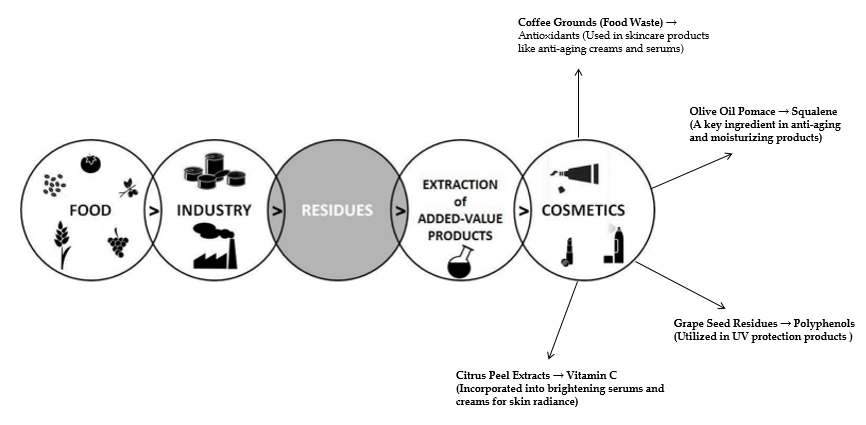
Fig. 2: Conversion of food-industry residues into added-value products to be used in cosmetic industry [16]
Beauty foods, antiaging concoctions, or oral supplements can all contribute to "beauty from within." A "beautiful face is a healthy body," according to those who subscribe to this theory [35]. The distribution of dietary nutrients to all layers of the skin underpins the benefit of oral supplementation [18, 22]. So, the concept of adding external supplements to the skin has gained significant traction in recent times [36, 37]. The cosmetics business was aware of the possibilities presented by food-based components. However, there is the concern of whether the nutritional elements included in cosmetics offer any significant impact on the health and appearance of the skin, hair, and nails. Depending on the type of formulation, ingredients can be properly delivered to the skin, topically administered, and adequately prepared [38, 39].
Skin penetration enhancer-containing formulations have the potential to modify deep skin absorption. In other situations, the goal of skin supplementation is a superficial cutaneous absorption. Lipid supplementation, for instance, is meant to address dry skin or skin barrier damage [37]. According to Pullar et al. (2017), vitamin C is more effectively absorbed when given topically as opposed to orally. When applied topically, this vitamin can boost UV-B protection in sunscreen formulations [40].
In addition to enhancing the structural qualities of the skin, dietary ingredients with antioxidant qualities (among others) are essential for protecting the skin from oxidative stress, either individually or in combination [34]. According to Ascenso et al. (2011) [41], oxidative stress can be quantified in the context of regular cell metabolism, exposure to chemicals and pollutants, inflammation, and UV damage. The primary and widely acknowledged biological effects of antioxidants on skin cells are outlined as follows:
Vitamins
Vitamins are crucial for maintaining healthy skin. Raw red and green peppers, oranges, acerola, grapefruits, kiwi, strawberries, broccoli, and Brussels sprouts are common sources of vitamin C (L-ascorbic acid, the active form). This is a powerful hydrophilic antioxidant that can scavenge and quench free radicals [42]. Moreover, it inhibits Nuclear Factor-kappa B (NF-kB), which makes it a strong anti-inflammatory drug. Its active form is also necessary for the manufacture of collagen [43].
As the active form of vitamin E, α-tocopherol, is hydrophobic and mostly found in vegetables, nuts, seeds, corn, soy, and margarine [10]. Because it absorbs UV light, it functions as the skin's antioxidant defense [43]. Even while the effect on skin indicators of oxidative tissue damage was negligible, an 8-week oral vitamin E supplementation demonstrated a considerable increase in vitamin E concentration in the skin. It is interesting to note that vitamin C can restore vitamin E to its reduced form if it has become oxidized [10, 43]. Therefore, several studies have demonstrated that vitamin C and E supplementation had a higher effect in preventing UV-induced skin damage than vitamin C alone. This benefit was likely enhanced by vitamin E regeneration [44].
Niacin, or vitamin B3, is found in meat, fish, milk, eggs, and nuts, and it also has antioxidant properties. As an antiaging vitamin, it decreased inflammation, enhances skin elasticity, and produces more collagen in vitro [10, 43].
Animal sources like fish and liver produces vitamin A in the form of retinol [43]. This can also be obtained from eggs and milk. According to Pearson (2018), it is involved in the regulation of sebaceous gland activity, reduction of androgen production, modulation of dermal growth factors, and epidermal differentiation [18].
Carotenoids
Carotenoids are derived from vegetables and are typically found in foods that are orange, red, or yellow in color [10]. High carotenoid levels make people appear to have youthful skin. Examples of carotenoids that contribute to UV photoprotection by scavenging ROS (Reactive Oxygen Species) include beta-carotene, lutein, lycopene, and zeaxanthin [11]. These chemicals must be consumed because humans are unable to produce them [45]. A precursor of vitamin A with the ability to suppress free radicals is beta-carotene. According to Evans and Johnson (2010), orange fruits and green leafy vegetables are the main sources of beta-carotene [46]. Because β-carotene builds up in the skin and shields it from UV-induced erythema, dietary supplements containing this compound are frequently used to protect the skin against sun exposure. With their antioxidant properties against UV light, lutein and zeaxanthin mostly accumulate in the macula lutea [11]. However, these molecules are also present in the skin, where they function as antioxidants and blue light blockers [47]. The primary sources of these two carotenoids are eggs and green leafy vegetables [31].
According to draelos (2010), lycopene is a non-vitamin a precursor found in most red fruits and vegetables, with tomatoes having the highest concentration of the compound [10]. There are several bioactive roles for lycopene [48]. According to Stahl et al. (2006), 40 g of tomato paste with 16 mg of lycopene was found to have a 40% reduction in UV-induced erythema, indicating its photoprotective properties. As a result, scientists have previously assessed how lycopene pre-exposure affected UV-B irradiated human keratinocytes. It was concluded based on their findings that lycopene may be able to restore photodamaged cells, depending on the severity of the damage [49]. Additionally, a research conducted in vitro has demonstrated that lycopene's anti-inflammatory properties enhanced the antioxidant properties of ascorbic acid and α-tocopherol [50].
Polyphenols
Fruits, vegetables, cereals, chocolate, coffee, tea, and wine are foods that contain polyphenols, which have a strong antioxidant activity [11].
Turmeric spice contains a polyphenol called curcumin, which has anti-inflammatory and antioxidant properties by blocking NF-kB and scavenging free radicals [10, 18]. It was shown to have the ability to slow down the aging process in albino Wistar rats by inhibiting age-related alterations in inflammatory indices [51]. Even though numerous studies have discussed the health benefits of curcumin and while some authors have even reviewed it, nothing is known about its use in the cosmetic industry [52].
Notably, green tea contains the largest concentration of tea polyphenols, primarily epicatechins, which have been shown to reduce oxidative stress and inhibit UV-B-induced inflammation [10]. In several lab animal models, Katiyar has investigated the role that topical application or oral ingestion of green tea polyphenols play in preventing chemically or UV radiation-induced skin cancer [53]. After a 12 w period of consistent consumption, polyphenols improved the elasticity, roughness, scaling, density, and UV-induced erythema by 25% [54].
Additionally, grapes are an excellent source of polyphenols, specifically anthocyanins, flavonols, and proanthocyanidins, which are classified as flavonoids; non-flavonoids include hydroxybenzoic acids, hydroxycinnamates, and stilbenoids, such as resveratrol [55]. During the wine-making process, its seeds, skin, and stems can be extracted. These parts include a multitude of phenolic compounds that exhibit anti-inflammatory, antioxidant, anticancer, anti-ageing, and antibacterial properties [56].
Minerals
Minerals included in food products, such as copper, zinc, and selenium, have significant effects on skin function. According to Souyoul et al. (2018), copper can be found in grains, meat, fish, nuts, and seeds [42]. Through its significant function in collagen formation as a cofactor in enzymatic reactions during collagen crosslinking with lysyl oxidase, it increases keratinocyte and fibroblast proliferation, which facilitates skin rejuvenation. Its involvement in topical therapy for wound healing is justified by its anti-inflammatory and antibacterial qualities [57].
According to Souyoul et al. (2018), zinc is a crucial component for cellular defense and function [42]. It also guards against UV-induced cytotoxicity and lipid peroxidation. It is utilized as a supplement to treat specific dermatological problems because of its anti-inflammatory properties and ability to block UV rays. According to Driscoll et al. (2010), it is critical for skin function since it is a prerequisite for keratinocyte differentiation and epidermal proliferation. Zinc is abundant in whole grains, red meat, shellfish, and cereals [57]. Meat and shellfish are examples of animal proteins that contain selenium. It is regarded as a necessary mineral that stabilizes cell membranes and protects DNA from deterioration. More precisely, according to Souyoul et al. (2018), selenium facilitates the removal of harmful lipid hydroperoxides produced during oxidative stress [42].
Omegas
Long-chain polyunsaturated fatty acids, or essential fatty acids, are classified as omega-3 (produced from linolenic acid) and omega-6 (derived from linoleic acid). These components, which can lessen UV-induced inflammation, are mostly found in oils, such as canola oil, cold-water fish, nuts, and seeds [10, 42]. Additionally, they aid in the creation of intracellular lipids in the stratum corneum, which contributes to the structure, flexibility, and functionality of cell membranes [58]. It was reported in a study that over the course of three months, the use of an omega-3-rich fish oil supplement helped to decrease UV-B-induced inflammation [10].
Amino acids and peptides
Collagen is the typical source of bioactive peptides utilized in cosmetic formulations due to its higher solubility and bioavailability than the entire protein. Bone broth is one of the few foods that genuinely contains an accessible form of collagen. Most of the other food sources merely contain antioxidants and other components to enhance the synthesis of collagen. Chondroitin sulfate, keratin sulfate, glycosaminoglycans (GAGs), and hyaluronic acid (HA) make up the bone matrix component [59]. As one of the most prevalent proteins in humans, collagen can be found in every tissue. There are at least 28 distinct varieties of collagen known to exist [60]. About 90% of the dermis contains collagen types I and III, which are crucial for preventing skin aging [61]. According to Raab, Yatskayer, Lynch, Manco, and Oresajo (2017), collagen is the main structural component of skin extracellular matrix (ECM) and serves a functional purpose [62]. Nonetheless, it is believed that during digestion, proteins such as collagen are broken down into amino acids, thereby casting a doubt on their effectiveness when taken orally Consequently, nutritional supplements containing fish collagen hydrolysates-whose effectiveness on skin qualities has already been demonstrated—are the most popular method of obtaining collagen [63].
Collagen peptides taken orally have also been shown to help restore UV-damaged skin [64]. As Hayluronic Acid (HA) maintains the elasticity, firmness, and volume of skin layers, it is important for skin antiaging and for maintaining the health of the skin by retaining water. HA fills the space around collagen fibers [62]. According to Pérez-Sánchez, Barrajón-Catalán, Herranz-López, and Micol (2018), bioactive proteins like collagen, elastin, and fibronectin interfere with wrinkle healing, skin thickening, and skin firming, supporting the anti-ageing claims of commercial formulations based on these actives. In addition to these qualities, they can also induce lipolysis and regulate the formation of melanin [65].
Table 2: Some of the biological properties of the most common antioxidants used for cosmetic purposes
| Antioxidant | An effect on the skin | Reference |
| Vitamins: | ||
| L-ascorbic acid | Increases collagen level in dermis | [40] |
| α-tocopherol | Reduces UVB-induced lipid peroxidation | |
| Retinol | Reduces wrinkles, fine lines and hyperpigmentation by peeling action | |
| Carotenoids | ||
| βeta-carotene and Lycopene | Protects proteins, lipids and DNA from oxidation | [44] |
| Polyphenol | [53] | |
| Curcumin | Anti-oxidant, immunomodulatory, anti-inflammatory, and antiseptic |
Clean beauty and vegan cosmetics
Growing trends in the cosmetics sector include clean beauty and vegan cosmetics, but they must deal with a complicated web of laws, certifications, and labeling specifications. Maintaining consumer trust and adhering to legal requirements depend on these regulatory processes making sure that brand statements are truthful, supported, and transparent.
Cosmetics made without dangerous substances are referred to as "clean beauty," and they usually prioritize safety, sustainability, and openness. Since there isn't a single, widely agreed-upon definition of "clean beauty," it can be difficult for firms to make claims about it without violating legal requirements. Regulatory agencies frequently demand unambiguous proof of these assertions [66].
The FDA in the United States and the European Medicines Agency (EMA) in the European Union are two examples of national agencies that regulate cosmetics in the majority of regions. As such, companies that make claims regarding "clean" chemicals must make sure that these statements do not deceive customers. The FDA mandates that cosmetics and their chemicals be safe for use, but it does not define "clean beauty." A product must provide evidence to support any claims it makes about being free of specific substances, such as phthalates, sulfates, or parabens. Clean beauty brands in the US should refrain from using terms like "natural" or "organic" unless the product satisfies certain requirements (such as USDA Organic). While regulation European Cosmetics (EC) No 1223/2009, which establishes safety requirements for ingredients, labeling, and claims, governs cosmetics in the European Union (EU). Even though the EU has more stringent regulations on ingredients than the US, the term "clean beauty" is not yet officially defined by the law. Brands must refrain from making unsupported claims regarding the environmental impact or substances in their products. In order to support their claims, clean beauty products could also look for third-party certifications. Credibility is offered by these certifications, which also meet customer demands for environmental responsibility and safety. USDA Organic Certification and Environmental Working Group (EWG) Verified are two examples of these certifications [67].
On the other hand, Cosmetics that have not undergone animal testing or contain materials obtained from animals are known as vegan cosmetics. Additionally, regulatory agencies have specialized rules for vegan products, especially when it comes to using substances that aren't derived from animals and testing on animals.
Although there isn't a single, widely accepted vegan certification, cosmetics that make the claim to be vegan must follow specific labeling guidelines. When it comes to product labeling, brands need to exercise caution. While the USFDA does not control the term "vegan," it does mandate that any statements regarding the lack of substances derived from animals be accurate and not deceptive. A product must be free of substances like beeswax, lanolin, or carmine in order to be classified as vegan. Accurate ingredient lists and supporting documentation are required for any such claims. The EU's regulations, on the other hand, do not use the term "vegan" and instead concentrate on outlawing animal testing. But when it comes to regulating cruelty-free claims and prohibiting animal testing, the EU is more forward-thinking, particularly since the European Commission completely outlawed animal testing for cosmetics in 2013. Companies that sell in the EU are required to refrain from making false statements and provide evidence that no substances originating from animals are used in their products [67].
Brands can support their vegan claims with a number of third-party certifications, including PETA Cruelty-Free Certification, Vegan Society Certification, and Leaping Bunny Certification.
Nanotechnology in cosmetics
The process of sorting, combining, and cutting materials with sizes between one and one hundred nanometers (1 nm = 10-9 m) is known as nanotechnology. Compared to materials with larger sizes, the nanoparticles utilized in formulations have a substantially bigger area surface/mass unit ratio, which results in increased activity. As a result, nanoparticles are used more often in pharmaceutical and cosmetic formulations. Major investments in the field of nanotechnology have been made by the US, Europe, Japan, Russia, China, India, and Brazil. The creation of vaccines and antimicrobials, targeted drug delivery for cancer therapy and diagnosis, packaging, cosmetics, nano-electronics, and analytical equipment development are a few of the most significant uses of nanotechnology [68]. Because of the benefits of nanoparticles in the medicine, dermatology, and cosmeceutical sectors, nanoscale techniques are typically employed.
The application of nanotechnology to the field of cosmetology and the prevention, diagnosis, and treatment of different skin problems is known as nano dermatology. Sunscreens, moisturizers, anti-aging formulas, phototherapy, anti-sepsis, antioxidants, hair and nail care, antimicrobials, and skin fillers are a few of the most important uses of nanotechnology in dermatology and cosmetics [69].
Today, with the advancements in nanotechnology, the cosmetics industry values engineered nanoparticles for a variety of purposes, such as excipients, transporters, and active components. Because of their tiny size and precise optical properties, nanomaterials are better able to penetrate deeper skin layers, which increases product efficiency. Other benefits of using them in cosmetic product formulations include lower constituent amounts, reduced toxicity (some nanomaterials have antioxidant properties), and improved stability of the active ingredients [70].
Delivery systems using nanotechnology for cosmetics and dermatology
Different types of nanotechnology-based drug delivery systems used in different cosmetics and dermatology applications are presented in fig. 3.
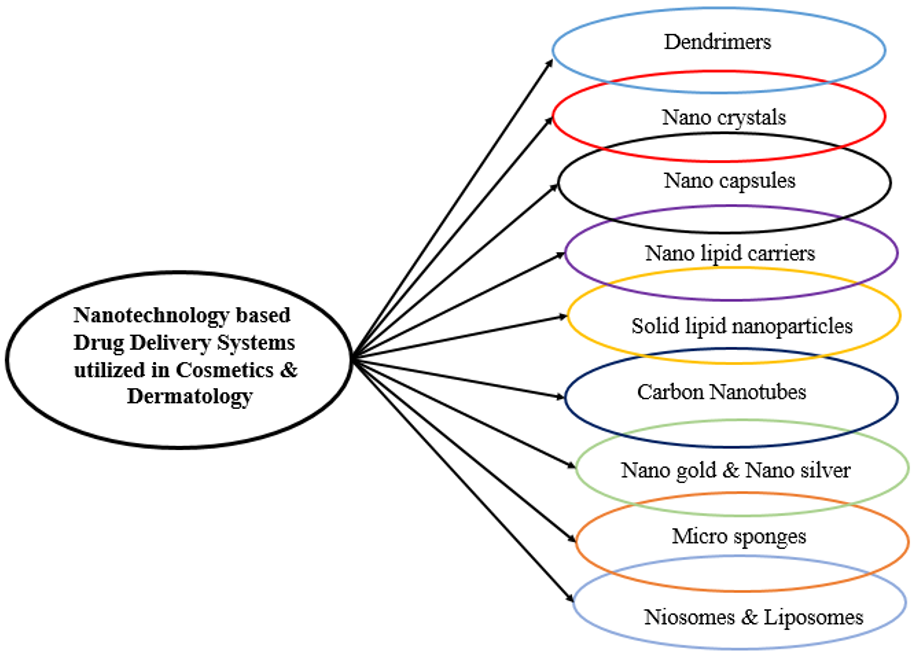
Fig. 3: Different kinds of drug delivery systems based on nanotechnology used in dermatological and cosmetics applications
Liposomes are globular, closed-colloidal vesicles with a core aqueous area surrounded by a lipid bilayer that is often high in phosphatidylcholine. Phosphatidylcholine, which has been used in many skin and hair care products because of its moisturizing and emollient qualities, is one of the main components of liposomes. Nano-liposomes are used in cosmeceuticals that contain both synthetic and phytoactive ingredients, such as sunblock, hair treatments, and skin moisturizers [71].
Solid lipid nanoparticles are greasy lipid droplets stabilized by surfactants. They are extensively utilized for carrying compounds that are both hydrophilic and lipophilic.
Nano-structured lipid carrier particles are prepared by the fusion of solid lipids with oils and have increased the loading capacity of active ingredients [72].
Nanocrystals are crystalline aggregates with a crystalline cluster of hundreds of atoms with sizes in the range 10 to 400 nm. They are specifically designed for the delivery of active substances that are poorly soluble [73].
Microporous beads used in micro sponges are utilized to release topical actives under controlled conditions [74].
Dendrimers are incredibly small organic chemical particles that have a semi-polymeric tree-like structure and measure between 2 and 10 nm.
Niosomes are tiny, unilamellar nanostructures that range in size from 10 to 100 nm. They are made up of layers of non-ionic surfactants in lamellar a phase surrounding a core aqueous hollow. Antioxidants such as ascorbic acid, resveratrol, and ellagic acid can be safely delivered via the skin using niosomes [75].
A nano capsule is a nanoscale shell vesicular structure that encloses an inner liquid core at the nanoscale. It is composed of a non-toxic polymeric membrane. The cosmetics are based on nanocapsules. To increase the impact of their cosmetics, the French corporation L'Oreal produced a product in 1995 that salient had dermatological uses [15].
There have been a lot of reports documenting the high antibacterial and antifungal activities of silver and gold nanoparticles; they are widely utilized in cosmeceuticals, where they are used to make anti-aging lotions, face packs, and deodorants. Nowadays, toothpastes, soaps, face creams, textiles, food packaging, household appliances, disinfectants, and wound dressings all contain silver nanoparticles [15].
Recently, carbon nanotubes have been adopted by the cosmeceuticals industry as a unique technology, especially for skin care. Carbon nanotubes on their own, function as an antioxidant, much as fullerene [76].
The benefits of several delivery methods used in cosmetic applications are compiled in table 3, with an emphasis on their important advantages.
Table 3: Advantages of different delivery systems used in cosmetics applications
| Delivery system | Advantages | Reference |
| Liposomes | -Enhanced bioavailability: Liposomes improve the skin's ability to absorb active substances. -Reduced irritation: Sensitive chemicals can be encapsulated in liposomes to prevent skin irritation. -Controlled release: Long-lasting effects are produced by the slow release of active substances |
[71, 86] |
| Nanoparticles | -Improved penetration: For greater effectiveness, smaller particles can reach deeper skin layers. -Stability enhancement: Prevents the deterioration of delicate substances (such as UV-sensitive chemicals). -Targeted delivery: can be utilized to precisely distribute active ingredients to particular skin layers or regions. |
[68] |
| Microspheres | -Prolonged release: prolongs the product's benefits by delivering components gradually. -Reduced irritation: Because the active components are encapsulated, there is less direct skin contact, which lessens discomfort. |
[74] |
| Nanosomes | -Increased solubility: Water-insoluble substances become more soluble thanks to nanosomes, increasing their potency. -Enhanced absorption: The uptake and bioavailability of active substances are enhanced by nanosomes. |
[71] |
| Solid Lipid Nanoparticles (SLNs) | -Improved stability: SLNs prolong the shelf life of components by preventing oxidation. -Reduced irritation: The delivery is mild thanks to the thick lipid matrix, which reduces discomfort.-Controlled release ensures long-lasting benefits by providing a regulated release of active substances. |
[80, 84] |
| Polymeric Nanoparticles | -Targeted delivery: increases the accuracy of treatment by enabling distribution to certain skin cells or tissues.-Protection of sensitive actives: Protects delicate materials from air and light by encasing and protecting them. | [84] |
| Emulsions (Oil-in-water, Water-in-oil) | -Enhanced hydration: Emulsions increase skin hydration by forming a barrier that stops moisture loss.-Stability: Emulsions enhance the product's texture and feel while stabilizing formulas. | [83] |
Although nanomaterials have several advantages for cosmetic goods, their application raises a number of safety issues, chief among them being their possible toxicity and biological interactions. The possibility of toxicity is one of the main issues with the use of nanomaterials in cosmetics. Nanoparticles have the ability to enter the skin more readily than traditional components because of their small size, which may result in systemic exposure. The potential for these substances to reach the bloodstream and build up in tissues, where they could eventually have negative consequences, is a worry. Cellular toxicity and skin penetration are two of the main human safety issues that need to be considered [15].
On the other hand, the use of nanoparticles in cosmetics has environmental problems in addition to human health ones. Nanoparticles are more reactive and able to interact with their surroundings due to their small size and large surface area. Cosmetics that contain nanomaterials have the potential to build up in the environment and harm aquatic life when they wash off into water systems. Furthermore, little is known about the long-term impacts of nanoscale particles on ecosystems, which makes it difficult to ensure that their usage in commonplace products is sustainable [15].
Nowadays, a lot of Cosmetic Products prepared using Nanotechnology are available in the market. Such as Neutrogena® Ultra Sheer Dry-Touch Sunscreen SPF 100+as a sunscreen. Olay Regenerist Micro-Sculpting Cream as Anti-Aging and Wrinkle-Reducing Creams, Lip Smacker® Lip Balms with Nano-Lipids as a Lip Care Products, L’Oréal Paris Revitalift Bright Reveal Brightening Moisturizer as a Skin Lightening and Brightening Creams [15].
Application of nanomaterials in cosmetics and dermatology
The application of nanotechnology in cosmetics is illustrated in fig. 4. The highlighted applications are discussed in the following subsections:
Nano sunscreens
Due to their small sizes, nanoparticles are highly advantageous for ultraviolet (UV) protection. So, sunscreen can now be made transparent instead of white by using micro-and nano-sized UV filters, such as zinc oxide and titanium dioxide. Their composition is altered at the nanoscale, giving them an undetectable appearance and better cosmetic results. These compounds can scatter, absorb, or reflect ultraviolet light. As physical sunscreens they can filter out type A and type B UV rays. Nevertheless, these formulations do have certain disadvantages such as the need for a greasy medium for breakdown, the production of chalky white skin residues, and the appearance of a thick, dense consistency [77].
Barrier creams with nanotechnology
The stratum corneum's ability to shield the skin against some irritants, such as allergies, chemotherapeutics, or dermatitis, may not be sufficient [78]. Compared to moisturizers with a high lipid content, nanoparticulate barrier lotions are more effective at preventing the skin from losing water, hence lowering the possibility of irritant hand eczema [79].
Nanocosmetics as products to avoid acne
Solid lipid nanoparticles loaded with neem oil demonstrated a long-lasting impact and generated antibacterial activity against acne-causing bacteria. Produced by Nano Cyclic Inc., the pink soap Nano Cyclic cleanser is a scientifically balanced mixture of natural chemicals and nano silver with claims that it helped to eliminate acne-causing germs and fungus, reduce age spots, and heal sun-damaged skin [80].
Nano moisturizers
Moisturizers are an essential therapeutic element in the treatment of several skin disorders, including psoriasis, eczema, pruritus, and aging skin. Generally, ceramide levels are lower, and ceramide patterns are changed in diseased skin. Unfortunately, the conventional emollients to have been unable to effectively transport active ingredients across the skin layers. In contrast, novel colloidal drug carrier systems called nano-emulsions can adequately replenish the ceramides of sick skin, particularly in cases of atopic dermatitis.
Nanotechnology in anti-aging formulations
Different factors are responsible for the ageing or physical deterioration of the skin. These includes reduced oil production, dry skin, loss of texture, age spots, and loose skin. The thinning of skin, resulting from aging often leads to the development of wrinkles. However, improved skin biocompatibility, enhanced photoaging, and enhanced anti-aging potential were demonstrated by biocompatible nano-lipoidal carriers of isotretinoin. Particularly, soy isoflavones deposited in the dermal matrix were found to be more effective and exhibits greater penetration into the stratum cornea when they were in the form of solid lipid nanoparticles [81, 82].
Nano-antioxidants
Antioxidants are compounds that neutralize free radicals and harmful oxygen molecules, protecting cell membranes and preventing oxidative stress from the body's tissues. In the cosmetics industry, antioxidants are used to reduce wrinkles and slow down the aging of skin caused by UV light. To maximize the action of antioxidants, various nanocarriers have been proposed that aim to improve the stability and delivery of antioxidants onto the skin.
Compared to traditional passive delivery, nanocarriers have several benefits, including a larger surface area, greater solubility, enhanced stability, regulated release, decreased skin irritation, and protection against degradation. Using octyldodecanol, egg lecithin, and water, topical nano-emulsions containing quercetin or Achyrocline satureioides extract with improved skin retention and antioxidant activity were created [83].
Antiseptics with nanomaterials
The field of antiseptics has utilized different nanomaterials, and several chemicals, such as silver, bare Titanium Dioxide (TiO2), and chlorhexidine gluconate, have been employed as antiseptics in nano formulations. Particularly, substances, such as silver and chlorhexidine gluconate have been added to nano-formulations that have stronger antibacterial properties. By using the interfacial deposition technique, a polymeric nano capsule filled with chlorhexidine and possessing enhanced antibacterial action was created. Likewise, improved antimicrobial action was facilitated by solid lipid nanoparticles of silver [84].
Nanocosmetics for hair disorders
The use of nano-emulsion to encapsulate active ingredients has drawn attention to nanotechnology drug delivery systems for the treatment of hair disorders such as alopecia areata and rogenetica. These systems carry active ingredients deeper into the hair follicle openings and may serve as a depot for prolonged drug release within the hair follicle. With no negative side effects, an anti-dandruff shampoo made with solid lipid nanoparticles of garlic as an antifungal ingredient proved to be more successful in treating dandruff on the scalp and hair. Similarly, improved silicone oil deposition on the hair's surface, coupled with lubricationg and moisture preserving actibities were demonstrated by the silicone oil-in-water nanoemulsions [85].
Nano-nail cosmetics
A promising new market in cosmetics and wellness is nano nail care. Nail cosmeceuticals based on nanotechnology have several benefits over traditional goods. For example, the use of silver and metal oxide nanoparticles with antifungal activity in nail polish for both therapeutic and cosmetic purposes in the treatment of onychomycosis is a novel approach. According to a study, nail paints containing nanoparticles increase the toughness, impact resistance, and mar resistance of mammalian nails. Therefore, the incorporation of nanoparticles with antifungal activity into nail polish holds immense potential for treating fungal nail infections. Specifically, for the case of fungal nails, liposomes coated with terbinafine hydrochloride exhibited improved antifungal efficacy [85].
Nanocosmetics for lip care
Lip cosmetics is another growing nano-sector. According to a patent filed by a Korean research institute, different colored pigments can be made by combining silver and gold nanoparticles in different ratios. The color of this formulation can be maintained for a comparatively longer period of time. Plant betalains are more effective and stable in storage when they are nano-encapsulated in lip care products. Similarly, better stability and antioxidant qualities were demonstrated by lipsticks containing rice bran oil liposomes [86].
Nano-skin cleanser
The use of skin cleanser actively contributes to maintaining healthy skin. Odor production is reduced by skin washing since it directly promotes the elimination of bacteria from the skin's surface. However, lauric acid liposomes at the nanoscale have shown enhanced antibacterial efficacy against acne. This is based on the ability of lauric acid and curcumin niosomes to enhanced antibacterial activity of products against skin infections [87].
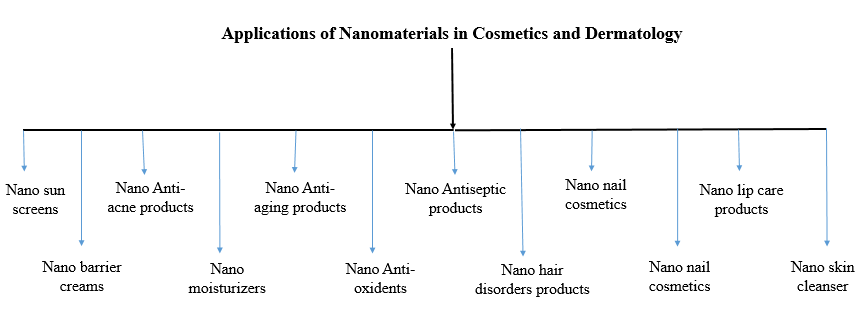
Fig. 4: Different applications of nanomaterials in cosmetics and dermatology
Significant environmental issues are brought up by the growing usage of nanomaterials in cosmetics, especially in light of their possible ecological hazards and biodegradability. The possibility of nanoparticles building up in the environment, particularly in aquatic settings, where they could interact with aquatic life, is one of the main worries. Because of their small size and high reactivity, nanoparticles can potentially pass through biological membranes and have unforeseen consequences for animals, particularly in terms of toxicity or bioaccumulation. For instance, research has indicated that nanoparticles like titanium dioxide and silver may be harmful to aquatic life, such as fish and algae.
The biodegradability of nanoparticles is another problem. Nanoparticles might not decompose in the environment as quickly as larger particles do, which could result in long-term environmental persistence. Certain nanomaterials, especially those derived from metals like zinc and silver, are not biodegradable and may eventually build up in soils and water, endangering both the environment and living things. Furthermore, it is challenging to evaluate the long-term effects because the relationship between these compounds and natural ecosystems is still little known. Although some materials, such as carbon-based nanoparticles, might have better environmental profiles, others could endanger biodiversity if they build up in soil or water [88].
Aware of these issues, the cosmetics industry has been encouraging sustainable procedures in an effort to mitigate the environmental effects of employing nanomaterials. Some businesses, for example, are using biodegradable nanoparticles and carrying out more thorough environmental effect analyses. But, because of the intricacy of nanoparticle behavior in the environment, researchers and regulatory agencies are still looking for strategies to control these dangers, such as creating more precise rules for the appropriate application of nanotechnology in cosmetics. In conclusion, even if nanoparticles have a lot to offer the cosmetics sector, there are risks to the environment that must be disregarded, and further research is necessary to make sure that using them doesn't jeopardize ecological health [89, 90].
Market adoption is greatly influenced by consumers' perceptions of "nano" as a buzzword, which frequently presents a double-edged sword for the cosmetics sector. On the one hand, "nano" is frequently linked to innovation, cutting-edge technology, and exceptional performance, which can draw in customers looking for high-end, cutting-edge goods. Because of their improved capacity to permeate the skin or more effectively transport active substances, many consumers believe that goods based on nanotechnology are more effective. Demand for goods that promote "nano" technology may increase as a result of this impression, particularly in fields like sun protection and anti-aging, where the prospect of improved outcomes and deeper absorption is alluring [91, 92].
CONCLUSION
The cosmetics sector is still expanding at an impressive rate suitable to changing customer preferences, technological breakthroughs, and a greater focus on sustainability and innovation. The growing market demand for premium cosmetics is highlighted in this review, along with the revolutionary role that nanotechnology plays in creating better formulas. It also highlights the increasing importance of cosmetics made from natural ingredients in response to customer demand for morally and environmentally responsible substitutes. Integrating sustainable practices and cutting-edge technologies must be a top priority for researchers and industry professionals in order to guarantee long-term growth and global competitiveness. While market-wide regulatory harmonization can expedite product development and guarantee safety, nanotechnology advancements should concentrate on reducing environmental concerns. The cosmetics business may maintain its success while satisfying the expectations of a more ethical global market by coordinating innovation with customer wants and sustainability objectives.
ACKNOWLEDGMENT
The author is grateful to the Middle East University, Amman, Jordan for the financial support granted to cover the publication fee of this article.
AUTHORS CONTRIBUTIONS
Nawzat D. Al Jbour is the principle investigator who wrote, revised, formatted, and submitted the manuscript to the journal.
CONFLICT OF INTERESTS
Declared none
REFERENCES
Copperman D. An introduction to natural and sustainable skincare in partnership with codex beauty. Well Being Stories; 2019.
Andard P. Environmental decision making: research issues in the cosmetics and toiletries industry. Mark Intell Plan. 1996;14(2):19-25. doi: 10.1108/02634509610110769.
Anderson RD, Engledow JL, Becker H. Evaluating the relationships among attitude toward business product satisfaction experience and search effort. J Mark Res. 1979;16(3):394-400. doi: 10.1177/002224377901600312.
B PK. Herbal cosmetics in ancient India. Indian J Plast Surg. 2008;41 Suppl:134-7.
Smith MJ, Nicholas J. Soft rejuvenation: cosmetics idealized white femininity and young womens bodies 1880-1930. J Soc Hist. 2020;53(4):906-21. doi: 10.1093/jsh/shz036.
Anonymous. It is good to feel better but better to feel good: whether a patient finds treatment successful or not depends on the questions researchers ask. Br J Sports Med. 2019;53(23):1474-8. doi: 10.1136/bjsports-2018-100260.
Lee J, Kwon KH. The significant transformation of life into health and beauty in metaverse era. J Cosmet Dermatol. 2022;21(12):6575-83. doi: 10.1111/jocd.15151, PMID 35686389.
Choi J. Effects of hope scale on the psychological well-being and makeup psychology for disasters among female college students. J Inst. 2021;6(3):1-11. doi: 10.22471/disaster.2021.6.3.01.
Britton WB, Shahar B, Szepsenwol O, Jacobs WJ. Mindfulness-based cognitive therapy improves emotional reactivity to social stress: results from a randomized controlled trial. Behav Ther. 2012;43(2):365-80. doi: 10.1016/j.beth.2011.08.006, PMID 22440072.
Draelos ZD. Cosmeceuticals: whats real whats not. Dermatol Clin. 2019;37(1):107-15. doi: 10.1016/j.det.2018.07.001, PMID 30466682.
Anunciato TP, DA Rocha Filho PA. Carotenoids and polyphenols in nutricosmetics nutraceuticals and cosmeceuticals. J Cosmet Dermatol. 2012;11(1):51-4. doi: 10.1111/j.1473-2165.2011.00600.x, PMID 22360335.
Reed RE. The definition of cosmeceutical. J Soc Cosmet Chem. 1962;13:103-6.
Kligman A. The future of cosmeceuticals: an interview with Albert Kligman, MD, PhD. Interview by Zoe Diana Draelos. Dermatol Surg. 2005;31:890-1. PMID 16029684.
Feetham HJ, Jeong HS, McKesey J, Wickless H, Jacobe H. Skincare and cosmeceuticals: attitudes and trends among trainees and educators. J Cosmet Dermatol. 2018;17(2):220-6. doi: 10.1111/jocd.12460, PMID 29152848.
Poletto FS, Beck RC, Guterres SS, Pohlmann AR. Polymeric nanocapsules: concepts and applications. In: Beck R, Guterres S, Pohlmann A, editors. Nanocosmetics and nanomedicines: new approaches for skin care. Berlin: Springer; 2011. p. 49-68. doi: 10.1007/978-3-642-19792-5_3.
Kligman AM. A dermatologist looks to the future: promises and problems. Dermatol Clin. 2000 Oct;18(4):699-709. doi: 10.1016/s0733-8635(05)70221-7, PMID 11059378.
DE Felice SL. The nutraceutical revolution: its impact on food industry R & D. Trends Food Sci Technol. 1995;6(2):59-61. doi: 10.1016/S0924-2244(00)88944-X.
Pearson K. Nutraceuticals and skin health: key benefits and protective properties. Journal of Aesthetic Nursing. 2018;7 Suppl 1:35-40. doi: 10.12968/joan.2018.7.Sup1.35.
Lademann J, Meinke MC, Sterry W, Darvin ME. Carotenoids in human skin. Exp Dermatol. 2011;20(5):377-82. doi: 10.1111/j.1600-0625.2010.01189.x, PMID 21366698.
Faria Silva C, Ascenso A, Costa AM, Marto J, Carvalheiro M, Ribeiro HM. Feeding the skin: a new trend in food and cosmetics convergence. Trends Food Sci Technol. 2020 Jan;95:21-32. doi: 10.1016/j.tifs.2019.11.015.
Ridder M. Sustainable attributes looked for by consumers in the U. S. and UK 2019. Statista; 2020 Nov 23.
Ridder M. Share of U. S. consumers who would stop purchasing from cosmetics companies that test on animals as of Apr 2017. Statista; 2020 Nov 25.
Barbalova I. Global beauty and personal care: the year and winning strategies for the future. In-cosmetics; 2011.
Leonard C. State of industry. Glob Cosmet Ind; 2010.
Leonard C. Global beauty industry trends 2011. Skin Inc; 2011.
Bennur S, Malhotra DK. Scaling up beauty: an analysis of economies of scale in the cosmetics industry. J Appl Bus Econ. 2023;25(2). doi: 10.33423/jabe.v25i2.6110.
Kumar A, Paul J, Unnithan AB. Masstige marketing: a review synthesis and research agenda. J Bus Res. 2020;113:384-98. doi: 10.1016/j.jbusres.2019.09.030.
Ahmady R, Faraji H, Zeinali F, Sharifnia SH, Yousefi N. The effect of external factors on consumer buying behavior in the cosmetics market: evidence from a developing country. Iran J Pharm Sci. 2023;19(4):360-7.
Park S, Lee K. Examining the impact of e-commerce growth on the spatial distribution of fashion and beauty stores in seoul. Sustainability. 2021;13(9):5185. doi: 10.3390/su13095185.
Chauhan A, Chauhan C. Emerging trends of nanotechnology in beauty solutions: a review. Mater Today Proc. 2023;81(2):1052-9. doi: 10.1016/j.matpr.2021.04.378.
Peixoto CM, Dias MI, Alves MJ, Calhelha RC, Barros L, Pinho SP. Grape pomace as a source of phenolic compounds and diverse bioactive properties. Food Chem. 2018 Jul 1;253:132-8. doi: 10.1016/j.foodchem.2018.01.163, PMID 29502813.
Taeymans J, Clarys P, Barel R. Use of food supplements as nutricosmetics in health and fitness. In: Handbook of cosmetic science and technology. 4th ed; 2014.
Jew S, Antoine JM, Bourlioux P, Milner J, Tapsell LC, Yang Y. Nutrient essentiality revisited. J Funct Foods. 2015;14:203-9. doi: 10.1016/j.jff.2015.01.024.
Lademann J, Meinke MC, Sterry W, Darvin ME. Carotenoids in human skin. Exp Dermatol. 2011;20(5):377-82. doi: 10.1111/j.1600-0625.2010.01189.x, PMID 21366698.
Madhere S, Simpson P. A market overview of nutricosmetics. Cosmet Dermatol. 2010;23(6):268-74.
Ascenso A, Pinho S, Eleuterio C, Praca FG, Bentley MV, Oliveira H. Lycopene from tomatoes: vesicular nanocarrier formulations for dermal delivery. J Agric Food Chem. 2013;61(30):7284-93. doi: 10.1021/jf401368w, PMID 23826819.
Carneiro R, Salgado A, Raposo S, Marto J, Simoes S, Urbano M. Topical emulsions containing ceramides: effects on the skin barrier function and anti-inflammatory properties. Eur J Lipid Sci Technol. 2011;113(8):961-6. doi: 10.1002/ejlt.201000495.
Handral HK, Pandith A, Shruthi SD. A review on murraya koenigii: multipotential medicinal plant. Asian J Pharm Clin Res. 2012;5 Suppl 4:5-14.
Joseph B, Priya RM. In vitro antimicrobial activity of Psidium guajava L. leaf essential oil and extracts using agar well diffusion method. Int J Curr Pharm Res. 2010;2(3).
Pullar JM, Carr AC, Vissers MC. The roles of vitamin C in skin health. Nutrients. 2017;9(8):866. doi: 10.3390/nu9080866, PMID 28805671.
Ascenso A, Ribeiro HM, Marques HC, Simoes S. Topical delivery of antioxidants. Curr Drug Deliv. 2011;8(6):640-60. doi: 10.2174/156720111797635487, PMID 22313160.
Souyoul SA, Saussy KP, Lupo MP. Nutraceuticals: a review. Dermatol Ther (Heidelb). 2018;8(1):5-16. doi: 10.1007/s13555-018-0221-x, PMID 29411317.
Taeymans J, Clarys P, Barel R. Use of food supplements as nutricosmetics in health and fitness. In: Handbook of cosmetic science and technology. 4th ed; 2014.
Fuchs J, Kern H. Modulation of UV-light induced skin inflammation by D-alpha-tocopherol and L-ascorbic acid: a clinical study using solar simulated radiation. Free Radic Biol Med. 1998;25(9):1006-12. doi: 10.1016/s0891-5849(98)00132-4, PMID 9870553.
Fiedor J, Burda K. Potential role of carotenoids as antioxidants in human health and disease. Nutrients. 2014;6(2):466-88. doi: 10.3390/nu6020466, PMID 24473231.
Evans JA, Johnson EJ. The role of phytonutrients in skin health. Nutrients. 2010;2(8):903-28. doi: 10.3390/nu2080903, PMID 22254062.
Juturu V, Bowman JP, Deshpande J. Overall skin tone and skin lightening improving effects with oral supplementation of lutein and zeaxanthin isomers: a double blind placebo controlled clinical trial. Clin Cosmet Investig Dermatol. 2016 Oct 7;(9):325-32. doi: 10.2147/CCID.S115519.
Palozza P, Simone R, Catalano A, Parrone N, Monego G, Ranelletti FO. Lycopene regulation of cholesterol synthesis and efflux in human macrophages. J Nutr Biochem. 2011;22(10):971-8. doi: 10.1016/j.jnutbio.2010.08.010, PMID 21208793.
Stahl W, Heinrich U, Aust O, Tronnier H, Sies H. Lycopene rich products and dietary photoprotection. Photochem Photobiol Sci. 2006;5(2):238-42. doi: 10.1039/b505312a, PMID 16465309.
Hazewindus M, Haenen GR, Weseler AR, Bast A. The anti-inflammatory effect of lycopene complements the antioxidant action of ascorbic acid and α-tocopherol. Food Chem. 2012;132(2):954-8. doi: 10.1016/j.foodchem.2011.11.075.
Shailaja M, Damodara Gowda KM, Vishakh K, Suchetha Kumari N. Anti-aging role of curcumin by modulating the inflammatory markers in albino wistar rats. J Natl Med Assoc. 2017;109(1):9-13. doi: 10.1016/j.jnma.2017.01.005, PMID 28259223.
Nagpal M, Sood S. Role of curcumin in systemic and oral health: an overview. J Nat Sci Biol Med. 2013;4(1):3-7. doi: 10.4103/0976-9668.107253, PMID 23633828.
Katiyar SK. Skin photoprotection by green tea: antioxidant and immunomodulatory effects. Curr Drug Targets Immune Endocr Metabol Disord. 2003;3(3):234-42. doi: 10.2174/1568008033340171, PMID 12871030.
Heinrich U, Moore CE, DE Spirt S, Tronnier H, Stahl W. Green tea polyphenols provide photoprotection increase microcirculation and modulate skin properties of women. J Nutr. 2011;141(6):1202-8. doi: 10.3945/jn.110.136465, PMID 21525260.
Giovinazzo G, Grieco F. Functional properties of grape and wine polyphenols. Plant Foods Hum Nutr. 2015;70(4):454-62. doi: 10.1007/s11130-015-0518-1, PMID 26547323.
Baharfar R, Azimi R, Mohseni M. Antioxidant and antibacterial activity of flavonoid polyphenol and anthocyanin rich extracts from thymus kotschyanus boiss & hohen aerial parts. J Food Sci Technol. 2015;52(10):6777-83. doi: 10.1007/s13197-015-1752-0, PMID 26396429.
Driscoll MS, Kwon EK, Skupsky H, Kwon SY, Grant Kels JM. Nutrition and the deleterious side effects of nutritional supplements. Clin Dermatol. 2010;28(4):371-9. doi: 10.1016/j.clindermatol.2010.03.023, PMID 20620752.
Szyszkowska B, Lepecka Klusek C, Kozlowicz K, Jazienicka I, Krasowska D. The influence of selected ingredients of dietary supplements on skin condition. Postepy Dermatol Alergol. 2014;31(3):174-81. doi: 10.5114/pdia.2014.40919, PMID 25097490.
Siebecker A. Traditional bone broth in modern health and disease. Townsend Lett Dr Patients. 2005;259:74-260.
Ricard Blum S. The collagen family. Cold Spring Harb Perspect Biol. 2011;3(1):a004978. doi: 10.1101/cshperspect.a004978, PMID 21421911.
Avila Rodriguez MI, Rodriguez Barroso LG, Sanchez ML. Collagen: a review on its sources and potential cosmetic applications. J Cosmet Dermatol. 2018;17(1):20-6. doi: 10.1111/jocd.12450.
Raab S, Yatskayer M, Lynch S, Manco M, Oresajo C. Clinical evaluation of a multi-modal facial serum that addresses hyaluronic acid levels in skin. J Drugs Dermatol. 2017;16(9):884-90. PMID 28915283.
Choi SY, KO EJ, Lee YH, Kim BG, Shin HJ, Seo DB. Effects of collagen tripeptide supplement on skin properties: a prospective randomized controlled study. J Cosmet Laser Ther. 2014;16(3):132-7. doi: 10.3109/14764172.2013.854119.
Tanaka M, Koyama Y, Nomura Y. Effects of collagen peptide ingestion on UV-B-induced skin damage. Biosci Biotechnol Biochem. 2009;73(4):930-2. doi: 10.1271/bbb.80649, PMID 19352014.
Almudena Perez Sanchez, Enrique Barrajon Catalan, Maria Herranz Lopez, Vicente Micol. Nutraceuticals for skin care: a comprehensive review of human clinical studies. Nutrients. 2018;10(4):403.
Shim J, Woo J, Yeo H, Kang S, Kwon B, Lee EJ. The clean beauty trend among millennial and generation z consumers: assessing the safety ethicality and sustainability attributes of cosmetic products. Open: solid action on globalization and environment; 2024.
Bozza A, Campi C, Garelli S, Ugazio E, Battaglia L. Current regulatory and market frameworks in green cosmetics: the role of certification. Sustain Chem Pharm. 2022;30:100851. doi: 10.1016/j.scp.2022.100851.
Melo A, Amadeu MS, Lancellotti M, Hollanda LM, Machado D. The role of nanomaterials in cosmetics: national and international legislative aspects. Quim Nova. 2015;38(4):599-603. doi: 10.5935/0100-4042.20150042.
Bhushan B. Springer handbook of nanotechnology. 2nd ed. Heidelberg Germany: Springer Verlag; 2007.
Schafer Korting M, Mehnert W, Korting HC. Lipid nanoparticles for improved topical application of drugs for skin diseases. Adv Drug Deliv Rev. 2007;59(6):427-43. doi: 10.1016/j.addr.2007.04.006, PMID 17544165.
Kaur IP, Agrawal R. Nanotechnology: a new paradigm in cosmeceuticals. Recent Pat Drug Deliv Formul. 2007;1(2):171-82. doi: 10.2174/187221107780831888, PMID 19075884.
Pardeike J, Hommoss A, Muller RH. Lipid nanoparticles (SLN, NLC) in cosmetic and pharmaceutical dermal products. Int J Pharm. 2009;366(1-2):170-84. doi: 10.1016/j.ijpharm.2008.10.003, PMID 18992314.
Keck CM, Muller RH. Drug nanocrystals of poorly soluble drugs produced by high pressure homogenisation. Eur J Pharm Biopharm. 2006;62(1):3-16. doi: 10.1016/j.ejpb.2005.05.009, PMID 16129588.
Arif T, Nisa N, Amin SS, Shoib S, Mushtaq R, Shawl MR. Therapeutic and diagnostic applications of nanotechnology in dermatology and cosmetics. J Nanomed Biother Discov. 2015;5(3):1000134.
Coviello T, Trotta AM, Marianecci C, Carafa M, DI Marzio L, Rinaldi F. Gel imgded niosomes: preparation characterization and release studies of a new system for topical drug delivery. Colloids Surf B Biointerfaces. 2015;125:291-9. doi: 10.1016/j.colsurfb.2014.10.060, PMID 25524220.
Ilbasmis Tamer S, Degim IT. A feasible way to use carbon nanotubes to deliver drug molecules: transdermal application. Expert Opin Drug Deliv. 2012;9(8):991-9. doi: 10.1517/17425247.2012.696607, PMID 22663542.
Zhang LW, YU WW, Colvin VL, Monteiro Riviere NA. Biological interactions of quantum dot nanoparticles in skin and in human epidermal keratinocytes. Toxicol Appl Pharmacol. 2008;228(2):200-11. doi: 10.1016/j.taap.2007.12.022, PMID 18261754.
Strus O, Polovko N, Plaskonis Y. The investigation of the development of a cream composition with the sapropel extract. Asian J Pharm Clin Res. 2018;11(7):147-50. doi: 10.22159/ajpcr.2018.v11i7.23575.
Landriscina A, Rosen J, Friedman AJ. Nanotechnology inflammation and the skin barrier: innovative approaches for skin health and cosmesis. Cosmetics. 2015;2(2):177-86. doi: 10.3390/cosmetics2020177.
Vijayan V, Aafreen S, Sakthivel S, Reddy KR. Formulation and characterization of solid lipid nanoparticles loaded neem oil for topical treatment of acne. J Acute Dis. 2013;2(4):282-6. doi: 10.1016/S2221-6189(13)60144-4.
Golmohammadzadeh S, Mokhtari M, Jaafari MR. Preparation characterization and evaluation of moisturizing and UV protecting effects of topical solid lipid nanoparticles. Braz J Pharm Sci. 2012;48(4):683-90. doi: 10.1590/S1984-82502012000400012.
Ketkee D, Purnima A. Formulation and evaluation of solid lipid nanoparticle-based 0.1% soy isoflavone dermal gels. J Pharm Biosci Innov. 2013;1:7-18.
Zorzi GK, Caregnato F, Moreira JC, Teixeira HF, Carvalho EL. Antioxidant effect of nanoemulsions containing extract of achyrocline satureioides (Lam) D.C Asteraceae. AAPS Pharm Sci Tech. 2016;17(4):844-50. doi: 10.1208/s12249-015-0408-8, PMID 26361953.
Bruniera JF, Silva Sousa YT, Lara MG, Pitondo Silva A, Marcaccini AM, Miranda CE. Development of intracanal formulation containing silver nanoparticles. Braz Dent J. 2014;25(4):302-6. doi: 10.1590/0103-6440201302431, PMID 25250493.
Antonio JR, Antonio CR, Cardeal IL, Ballavenuto JM, Oliveira JR. Nanotechnology in dermatology. An Bras Dermatol. 2014;89(1):126-36. doi: 10.1590/abd1806-4841.20142228, PMID 24626657.
Amnuaikit T, Pinsuwan S, Ingkatawornwong S, Worachotekamjorn K. Development of lipsticks containing rice bran oil liposome. Planta Med. 2008;74(9):14. doi: 10.1055/s-0028-1084689.
Liu CH, Huang HY. In vitro anti-propionibacterium activity by curcumin containing vesicle system. Chem Pharm Bull (Tokyo). 2013;61(4):419-25. doi: 10.1248/cpb.c12-01043, PMID 23546001.
Hirlekar R, Yamagar M, Garse H, Vij M, Kadam V. Carbon nanotubes and its applications: a review. Asian J Pharm Clin Res. 2009;2(4):1-27.
Nagalingam S, Sasikumar CS, Cherian KM. Extraction and preliminary phytochemical screening of active compounds in Morinda citrifolia fruit. Asian J Pharm Clin Res. 2012;5 Suppl 2:179-81.
Al Jbour ND, Beg MD, Gimbun J, Alam AK. An overview of chitosan nanofibers and their applications in the drug delivery process. Curr Drug Deliv. 2019;16(4):272-94. doi: 10.2174/1567201816666190123121425, PMID 30674256.
Aldebsawi AA, Al Najdawi MM, Jarrar QB, Saleh MM, Moshawih SF. Middle Easterns knowledge about bat blood use and effectiveness in preventing hair growth: a questionnaire survey. Arch Pharm Pract. 2020;11(2):185-29. doi: 10.51847/XdT8clmkcV.
Saadh MJ, Coronel AA, Saini RS, Gonzales JL, Amin AH, Gavilan JC, Sarbu I. Advances in mesenchymal stem/stromal cell-based therapy and their extracellular vesicles for skin wound healing. Hum Cell. 2023;36(4):1253-64. doi: 10.1007/s13577-023-00904-8.