
Int J App Pharm, Vol 17, Issue 4, 2025, 51-65Review Article
INNOVATIVE STRATEGIES FOR IMPROVING PROBIOTIC VIABILITY USING AVOCADO-BASED PREBIOTICS AND NANOTECHNOLOGY
JATIN M.1, BISHOP ADHIKARI2, ALIN BOSE J.1, PIYUSH KUMAR3, RAMAN RAJESHKUMAR1,4*
1Department of Pharmaceutical Biotechnology, JSS College of Pharmacy, JSS Academy of Higher Education and Research, Ooty-643001, Nilgiris, Tamil Nadu. India. 2Department of Pharmaceutical Regulatory Affairs, JSS College of Pharmacy, JSS Academy of Higher Education and Research, Ooty-643001, Nilgiris, Tamil Nadu. India. 3Department of Pharmaceutical Sciences, JSS College of Pharmacy, Najwal, Vijaypur, Jammu and Kashmir, University of Jammu-184120. India. 4Research and Enterprise, University of Cyberjaya, Persiaran Bestari-63000 Cyberjaya, Malaysia
*Corresponding author: Raman Rajeshkumar; *Email: bathmic@jssuni.edu.in
Received: 25 Mar 2025, Revised and Accepted: 31 May 2025
ABSTRACT
Probiotics are increasingly incorporated into functional foods; however, their efficacy is hindered by poor stability under processing and Gastrointestinal (GI) conditions. Avocado fruit and its waste contain fermentable fibers (pectin, resistant starch) and bioactive compounds that act as prebiotics. Current probiotic stabilization strategies often overlook the importance of nutrient synergy and sustainability. This review reveals a gap: conventional carriers (alginate, inulin, etc.) provide protection but little additional growth substrate, whereas avocado fibers offer both nourishment and encapsulation potential. Nanotechnology has emerged as a revolutionary field with immense potential in various industries, including the delivery of nutraceuticals. Combining avocado pectin/resistant starch with cellulose nanofibers (from plants or microbial cellulose) is innovative because it co-delivers prebiotics and mechanical defense. Future work should address remaining challenges: regulatory evaluation of edible nanocellulose and novel food status, comprehensive safety testing for ingestible nano-carriers, and deeper mechanistic studies on how avocado polysaccharides and phenolics modulate probiotic metabolism. Overall, integrating avocado-derived prebiotics into nanocellulose matrices appears to be a promising strategy for robust, targeted probiotic delivery and warrants further experimental and clinical validation.
Keywords: Avocados, Nutraceuticals, Nanotechnology, Regulatory, Probiotics, Prebiotics target delivery
© 2025 The Authors. Published by Innovare Academic Sciences Pvt Ltd. This is an open access article under the CC BY license (https://creativecommons.org/licenses/by/4.0/)
DOI: https://dx.doi.org/10.22159/ijap.2025v17i4.54336 Journal homepage: https://innovareacademics.in/journals/index.php/ijap
INTRODUCTION
Nutraceuticals are plant-based products that derive a word from “nutrition" and "Pharmaceuticals." it’s also have significant attention worldwide due to their biological activity, which eventually promotes health and well-being benefits to reduce the risk of chronic diseases of the human body. These bioactive molecules, frequently derived from natural sources, encompass a broad range of products like dietary supplements, functional foods, and herbal remedies [1]. The global interest in nutraceuticals has been increasingly acknowledged by the growing healthier option as a pivotal part of the profound connection between dietary choices and health outcomes in societies, as a great diet plays an important role, including habitual conditions, and improving the overall quality of life of human beings [2].
In recent times, the demand for nutraceuticals has immensely increased with consumers seeking natural remedies over conventional medicinal over pharmaceutical products to improve their healthy lifestyle [3]. This type of consumer interest can be attributed to several factors. Initially, the rising healthcare costs and the frequency of habitual conditions have led individuals to adopt visionary approaches to manage their health with nutraceutical products [4]. Secondly, the added frequency of nutrition-related diseases, like kidney infections and diabetes, has urged individuals to explore nutraceuticals as alternative curatives for the betterment of their health [5].
The rise of social media and digital platforms has increased the dispersion of information, empowering consumers to make informed opinions about their health and well-being regarding such products [6]. To explore the global interest in nutraceuticals by examining the key drivers of this phenomenon, the current market trends hold the scientific substantiation supporting their efficacy and safety for the betterment of human life [7]. Also, it will delve into the regulatory governing or rules of nutraceuticals across different regions. Due to the challenges and opportunities of any new product from nutraceuticals by manufacturers and including consumers far behind in knowledge [8, 9].
The multifaceted aspects of global interest in nutraceuticals also seek to give precious insight for experimenters or innovators, healthcare professionals, policymakers, and individuals seeking substantiation information on the part of nutraceuticals in promoting optimal health and complaint evaluations about those products on a day-to-day basis [10]. In recent times, nanotechnology has shown as a promising field of research in the researcher's mind, also it has not evolved only health sector but also expanded to different sectors within diverse disciplines, including drug formulation, electronics, and energy evaluation. One area that has considerable attention is the integration of nanotechnology within the nutraceutical industry. Nutraceuticals, which encompass functional foods, dietary supplements, and herbal products, also offer immense health benefits beyond normal nutrition in the human body. As per market viewpoints, the concept of nutraceuticals has gained substantial traction in a short period in the consumer mind [11].
The objectification of nanostructured materials in the nutraceutical industry presents instigative openings to enhance their efficacy, bioavailability, and targeted delivery [12]. To explore the different investigation approaches underlying the nutraceuticals incorporated into nanostructured materials, will highlight the advantages and challenges linked to their application or utilization of the product development process in the future. Nanostructured materials, defined as materials with dimensions in the nanometre range, retain unique physical, chemical, and natural properties compared to other bulk materials that have been used in manufacturing this type of product [13, 14]. The Influence of substandard materials at the nanoscale formulation production enables precise control over their physicochemical characteristics, similar to particle size, surface area, and surface charge, which can greatly impact their relations with natural systems [15].
These properties render nanostructured materials ideal candidates for enhancing the performance of nutraceuticals during formulation or product manufacturing. One of the crucial advantages of incorporating nanostructured materials in nutraceutical formulation is their potential to enhance bioavailability [16, 17]. Numerous bioactive composites are set up in nutraceuticals but have poor solubility and stability, limiting their bioavailability and bio accessibility in the human body. By employing nanostructured carriers, similar to nanoparticles, liposomes, and nanoemulsions, it's possible to synthesize and cover these composites, enabling their effective delivery to target tissues like Pancreatic Islets, Skeletal Muscle, Endothelial Cells, Beta Cells kidneys, also adding their bioavailability to improve human health [18].
Likewise, nanostructured materials offer openings for the controlled and targeted release of bioactive composites. Through face variations and functionalization, nanocarriers can achieve something to respond to specific stimuli, similar to pH, temperature, or enzymes, enabling the release of nutraceuticals at the desired point of action in the human body. This targeted delivery approach aims to minimize off-target effects, enhance therapeutic efficacy, and reduce potential side effects associated with high-dose systemic administration [19]. In addition to bettered bioavailability and targeted delivery, nanostructured materials can also enhance the stability and shelf life of nutraceutical products. Numerous bioactive composites are prone to degradation, oxidation, or reactions with other constituents, leading to reduced efficacy and compromised quality. Still, the integration of nanostructured materials in nutraceuticals also presents certain challenges that need to be addressed. A thorough evaluation is necessary for safety considerations, especially regarding the potential toxicity and long-term effects of nanomaterials [20].
Regulatory frameworks governing the use of nanomaterials in food and supplements need to be established to ensure consumer safety [21]. Likewise, large-scale products and cost-effectiveness of nanostructured materials for nutraceutical product development or operations pose specialized and profitable challenges that warrant further exploration and growth of the product. The incorporation of nanostructured materials in nutraceuticals offers significant potential for optimizing their effectiveness, bioavailability, and targeted delivery for the betterment of product success with the help of taking different measures as per policy or regulation [22]. Nanoencapsulation methods can enhance the stability, solubility, and controlled release of bioactive composites, opening new avenues for the development of innovative nutraceutical products for consumers. Still, careful consideration of safety, regulatory policy, and product aspects is essential to ensure the successful integration of nanostructured materials in nutraceutical products [23].
Continued exploration and collaboration between nanotechnology and the nutraceutical diligence scientific community will pave the way for the consummation of this innovative formulation of nutraceutical products and the advancement of a substantiated and effective nutraceutical future world on a global scale [24, 15].
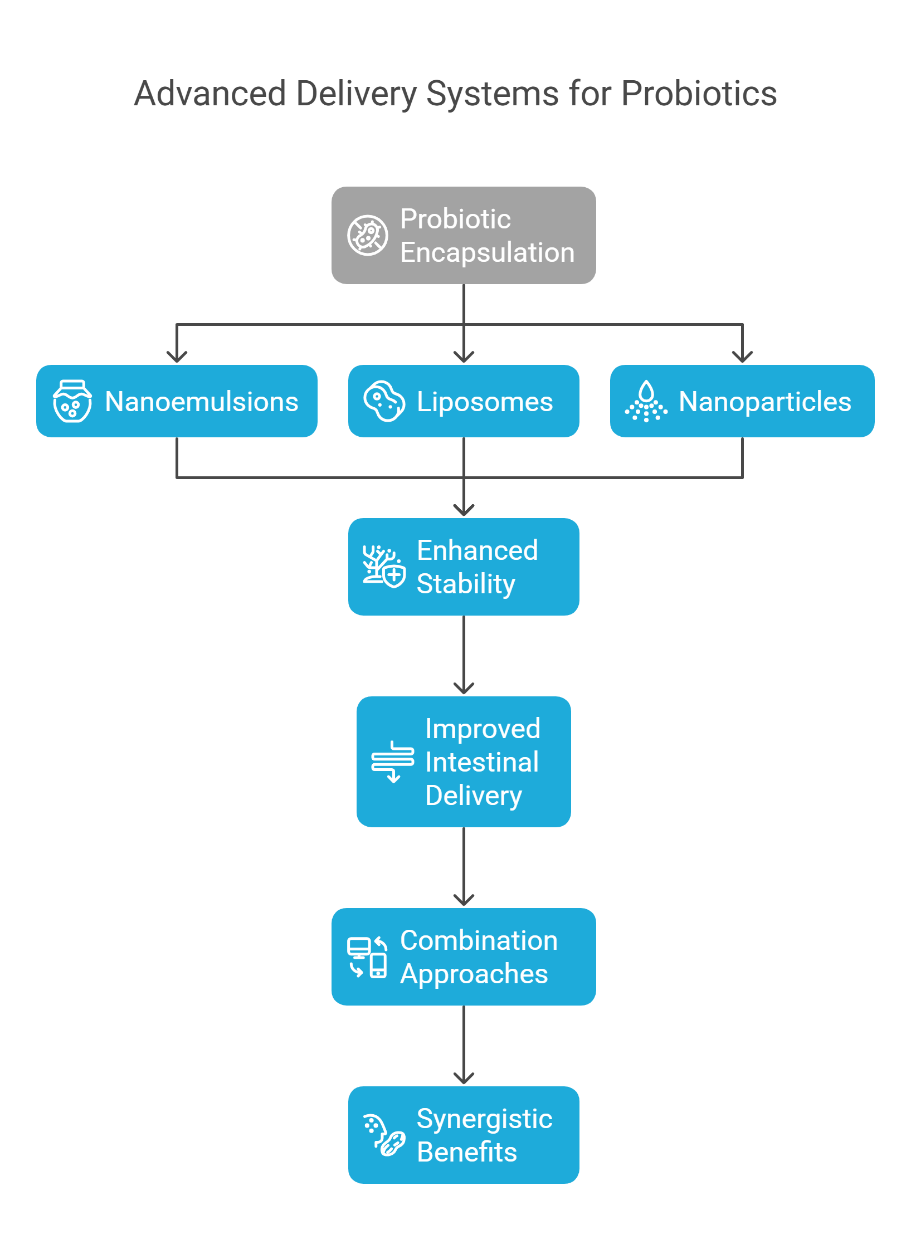
Fig. 1: Innovative and advanced delivery systems for enhancing probiotic viability and functional activity
Probiotics play a crucial role in maintaining gut health, immune function, and overall well-being. However, one of the key challenges in probiotic-based formulations is their stability during storage, processing, and digestion. Prebiotics, which serve as non-digestible food components that promote the growth of beneficial microorganisms, have been increasingly studied for their potential to enhance probiotic viability [24]. Avocado-derived prebiotics, rich in dietary fibers, polyphenols, and oligosaccharides, offer a novel approach to improving the stability and functionality of probiotics. The unique polysaccharide composition and antioxidant properties of avocado-derived prebiotics help protect probiotics from environmental stressors while promoting their growth in the gut [25, 26].
Avocado seed contains up to 58.4% dietary fiber, including complex carbohydrates that resist digestion but ferment in the colon, producing beneficial Short-Chain Fatty Acids (SCFAs) like acetate and butyrate. Avocado peel and pulp are rich in polyphenolic compounds that possess antimicrobial and antioxidant properties, potentially enhancing probiotic viability under stress. As a sustainable by-product of the food industry, avocado waste (seed, peel) offers a low-cost, eco-friendly source of functional prebiotics, reducing agricultural waste [27].
Probiotics, despite their documented health benefits, often fail to deliver therapeutic effects due to poor survival during food processing, storage, and Gastrointestinal (GI) transit. Exposure to acidic pH, bile salts, high temperatures, and oxidative stress drastically reduces the viability of probiotics before they reach the colon. Studies report up to 99% loss in viability of Lactobacillus strains during industrial processes and GI passage. This instability compromises product efficacy, shelf life, and consumer trust, highlighting a critical need for innovative stabilization approaches that ensure both survivability and functionality of probiotics throughout the delivery process [28, 29].
Lactobacillus rhamnosus retained 9.03×10⁷ CFU/g in avocado–cacao fruit paste after 40 d at 4 °C. Electrospun fibers of gum arabic/pullulan showed ~97.8% survival of probiotics at 28 d. Consumption of 140g of avocado daily for 12 w increased fecal acetate by 18% and elevated populations of Prevotella, Ruminococcus, and other fiber-fermenting species [30].
Nanotechnology, particularly nanoencapsulation strategies, has already been widely explored for enhancing the bioavailability and targeted delivery of nutraceuticals [26, 30]. Integrating avocado-derived prebiotics with cellulose-based matrices provides a sustainable, biocompatible, and effective means of ensuring probiotic protection. The synergy between nanotechnology and prebiotic carriers represents a promising avenue for delivering stable, bioavailable, and highly effective probiotic formulations in functional foods and nutraceuticals [31].
Nanocarriers are nanoscale delivery systems, typically ranging between 1–1000 nm, designed to transport bioactive compounds such as probiotics or nutraceuticals. These include liposomes, polymeric nanoparticles, nanoemulsions, dendrimers, and solid lipid nanoparticles, which enhance bioavailability, protect probiotics from degradation, and allow for targeted or sustained release [32].
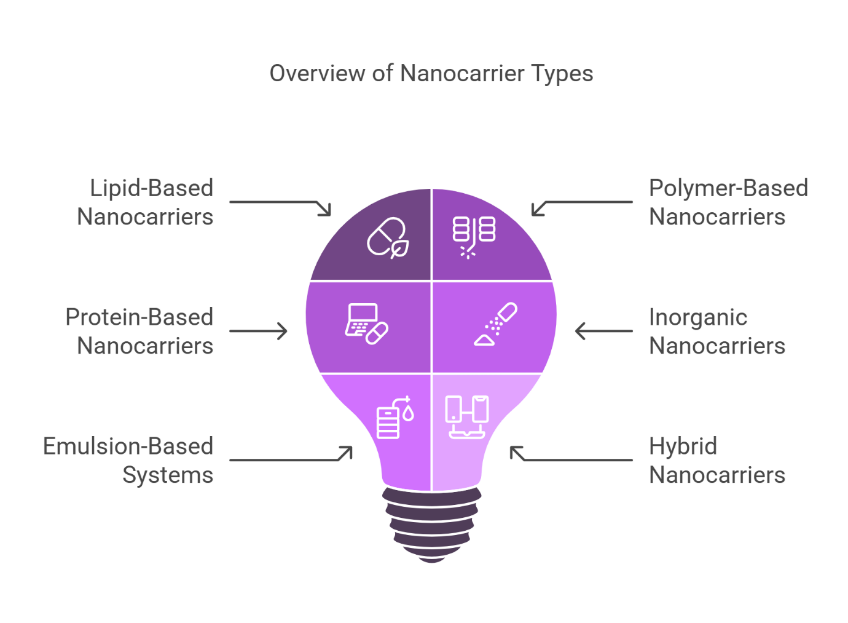
Fig. 2: Detailed insight into the types of nanocarriers employed in modern nutraceutical and probiotic formulations
A systematic literature search was conducted using PubMed, Scopus, Web of Science, and Google Scholar, covering publications from January 2018 to March 2025. The search strategy included combinations of terms such as “avocado prebiotic,” “avocado seed fibre,” “cellulose matrix,” “nanocellulose probiotic encapsulation,” “nano-encapsulation+probiotic,” and “stability of probiotics.” Inclusion criteria were limited to peer-reviewed articles published in English that focused on probiotic stability, encapsulation technologies, or the prebiotic effects of avocado or its components, including both experimental and review articles offering quantitative data or mechanistic insights. Exclusion criteria involved non-peer-reviewed reports, editorials, studies lacking relevant outcome measures related to probiotic viability, or those focusing solely on the pharmacological applications of avocado without a microbiome-related context.
Nanostructures in nutraceuticals
Nanostructured materials, including nanoparticles, liposomes, nanoemulsions, and nanofibers, offer unique advantages in nutraceutical delivery [33]. These materials can ameliorate bioavailability, enable controlled release, and grease targeted delivery of bioactive composites. Still, challenges similar to safety, regulatory considerations, scale-up and manufacturing issues, and stability need to be addressed for the successful integration of nanostructured materials in nutraceutical product formulations. Addressing these limitations will pave the way for the development of innovative and effective nutraceutical products, furnishing enhanced health benefits to consumers [34].
Nanotechnology has revolutionized nutraceutical formulations by offering innovative delivery systems that enhance the solubility, stability, and bioavailability of bioactive compounds [35]. Cellulose matrices, specifically nano-fibrillated cellulose and nanocrystalline cellulose, have gained attention as ideal carriers for encapsulating probiotics due to their high surface area, mechanical stability, and controlled release properties. These matrices act as protective barriers, shielding probiotics from harsh gastric conditions while ensuring their gradual release into the intestinal environment [36].
Avocado-derived prebiotics, when integrated within cellulose matrices, further improve probiotic stability by providing a nourishing substrate that enhances probiotic survival. Avocado-derived prebiotics have been shown to increase Lactobacillus acidophilus viability by up to 37% under simulated gastrointestinal conditions when incorporated within nanocellulose-based encapsulation systems. Nanocarrier encapsulation has demonstrated improvements in survival rates of probiotic strains such as Bifidobacterium longum, increasing viability from 25% to 68% after 4 h simulated gastric exposure, when imgded in chitosan-coated lipid nanoparticles [37].
The synergistic effect of prebiotics and cellulose nanostructures can modulate the hydration properties, swelling behaviour, and mechanical resistance of the encapsulation system. Additionally, the bioactive compounds in avocado extracts, such as flavonoids and phenolic acids, exhibit antimicrobial and antioxidant properties, further safeguarding probiotics from oxidative stress and microbial contamination [38]. This innovative approach paves the way for the development of next-generation probiotic delivery systems with enhanced efficiency and functionality [39].
Cellulose matrices refer to structured scaffolds or encapsulating materials made from natural or modified cellulose. These matrices act as carriers that physically protect probiotics during processing and gastrointestinal transit by providing mechanical stability and controlling release kinetics. Common forms include microcrystalline cellulose, bacterial cellulose, and nanocellulose gels or films, each offering biocompatibility, non-toxicity, and enhanced structural integrity for encapsulation purposes [40].
Approaches and limitations
Several approaches will be expressed in nanomaterials used in the preparation of pharmaceuticals and nutraceuticals, as the utilization of the nanomaterials will be encapsulated for protection and controlled release. It also enhances solubility. To achieve the specific delivery of drug formulations [42]. The increase in the absorption of the formulations is used as a bioavailability enhancer. Nanotechnology enables the controlled release, combination therapy, intracellular delivery, and protection of sensitive nutraceutical compounds from degradation. It enhances their stability and biocompatibility to ensure safe and effective delivery, including facilitating their transport across the blood-brain barrier [43].
Table 1: A comparative overview of commonly employed probiotic stabilization methods is presented below
| Method | Key materials | Viability post-GI transit | Thermal resistance | Limitations | Reference |
| Freeze-drying | Cryoprotectants (e. g., skim milk, sucrose) | ~40–70% | Low | Requires refrigeration, low resistance to GI acids | [41] |
| Spray-drying | Maltodextrin, whey protein | ~30–60% | Moderate | High thermal stress, oxygen exposure | |
| Alginate encapsulation | Sodium alginate, CaCl₂ | ~60–80% | Moderate | Poor mechanical strength, slow release | |
| Nanocellulose-based delivery | Bacterial cellulose, plant nanofibers | ~85–98% (up to 120 °C) | High | Still under regulatory evaluation | |
| Avocado Prebiotic+Nano-fiber Systems | Avocado pectin/starch+cellulose | ~99.8% in SGF; stable over 40 d at 4 °C | Excellent | Requires optimization of extraction/processing |
Table 2: Functional roles of nanotechnology in nutraceutical delivery
| Section | Description | Examples/Data | References |
| Controlled Release and Protection | Nanocarriers protect nutraceuticals from heat, light, pH, and enzymatic degradation, enabling sustained and targeted release. | Curcumin-loaded PLGA nanoparticles showed>70% protection and 24h sustained release. | [44] |
| Combination Therapy | Co-delivery of multiple bioactives to enhance synergistic therapeutic outcomes. | Curcumin+piperine delivery improved bioavailability by 2000%. | |
| Intracellular Targeting | Functionalized nanocarriers target specific cells or receptors to enhance uptake and action inside cells. | Gold nanoparticles delivered polyphenols, boosting antioxidant activity 3.2×. | |
| BBB Penetration | Nanoparticles facilitate crossing of the blood-brain barrier for neuroprotective nutraceutical delivery. | Chitosan-coated NPs delivered resveratrol with 4× higher brain accumulation. | |
Biocompatibility and Safety |
Use of natural and biodegradable polymers ensures low toxicity and high safety for long-term use. | Chitosan, PLGA, and alginate-based systems showed no cytotoxicity in in vivo studies. |
The multiple challenges or limitations in these cases like the potential cytotoxicity of certain nanomaterials. In most cases, there is a huge gap in the regulatory approval process. There is always a question in those cases about the long-term effects of nanomaterials-based nutraceutical formulations, which also leads to affecting the overall nutraceutical formulation. One more consideration of the cost associated is higher, as potentially [45]. Enhancing the consistency, quality, and performance across different batches of nanomaterials incorporating formulation is a tough or challenging job all the time. There are other considerations, are as ethical concerns, environmental impact, limited understanding, interdisciplinary collaboration, and biodegradability, that will have diluted this sector for a long time. Also, establishing a standardized method will always be a potential focus for scientists and researchers to improve the safety and efficacy of nanomaterial-based nutraceutical formulations [46].
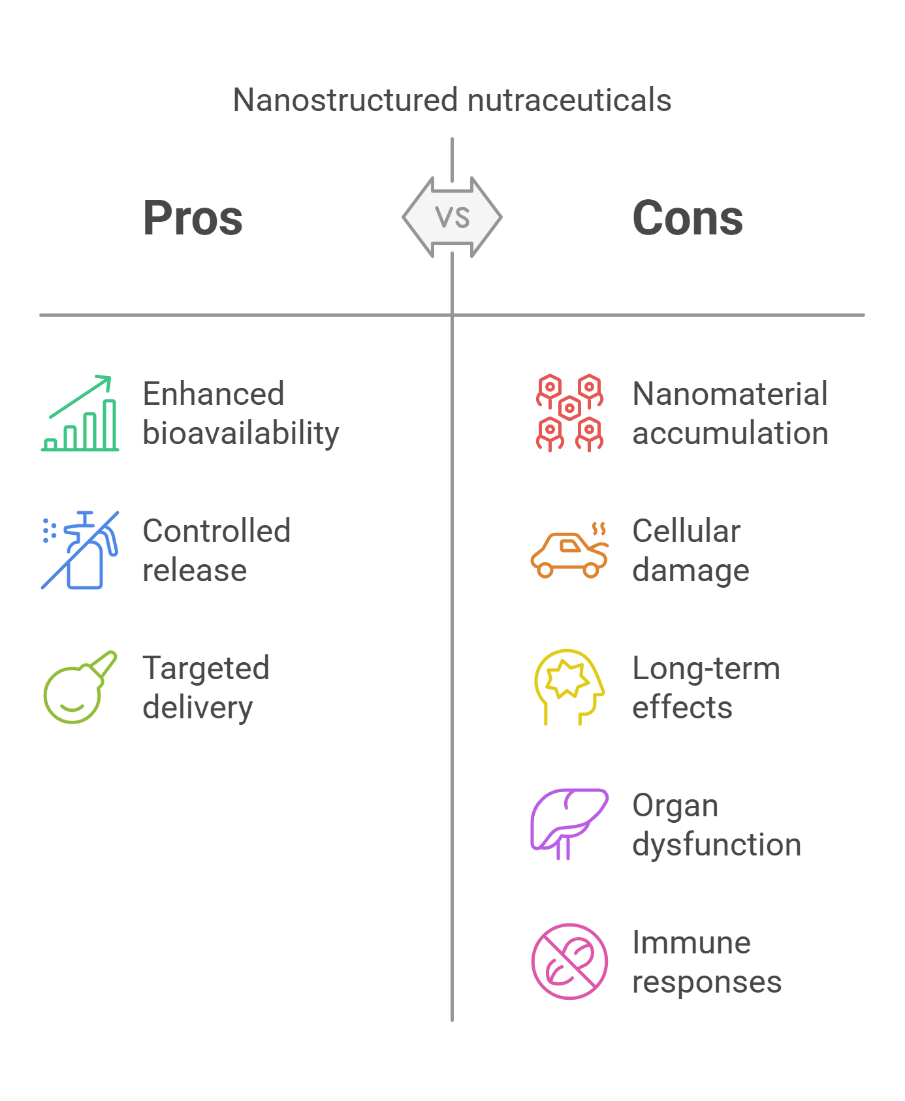
Fig. 3: A critical analysis of the functional benefits and limitations in the advancement of nanostructured nutraceutical delivery systems
Table 3: Comparative efficacy of avocado-derived prebiotics in nanocarrier systems for probiotic delivery
| S. No. | Prebiotic source | Nanocarrier type | Probiotic strain | Survival/Efficacy (%) | References |
| 1 | Avocado seed oil | Solid lipid nanoparticles | L. acidophilus | 60–64% | [47-52] |
| 2 | Avocado fibers | Alginate-cellulose matrix | L. rhamnosus | 68% survival @ pH 2 | |
| 3 | Avocado oil+lecithin | Liposomes | B. breve | 72% GI survival | |
| 4 | Avocado+MCC | Polymeric nanocarriers | L. casei | 70% GI survival | |
| 5 | Avocado peel fibers | Nanocellulose hydrogel | L. plantarum | 75% viability after 5 h | |
| 6 | Avocado polysaccharides | PLEVs (plant extracellular vesicles) | L. reuteri | 78% cellular uptake | |
| 7 | Avocado oil residue | Lipid-based nanosuspension | B. lactis | 65% GI survival | |
| 8 | Avocado skin extract | Chitosan nanoparticles | L. fermentum | 62% acid tolerance | |
| 9 | Avocado+pectin | Alginate nanobeads | S. thermophilus | 59% after 4h, pH 1.5 | |
| 10 | Cold-pressed avocado fibers | Gelatin nanofibers | L. gasseri | 73% encapsulation efficiency | |
| 11 | Avocado mash residues | Starch nanocarriers | L. delbrueckii | 66% viability | |
| 12 | Avocado peel pectin | Polysaccharide nanogels | L. bulgaricus | 68% survival after lyophilization | |
| 13 | Avocado pulp extract | β-glucan-based nanocapsules | L. johnsonii | 64% stability @ RT | |
| 14 | Avocado seed residue | Biopolymer nanocoatings | B. coagulans | 61% under storage | |
| 15 | Avocado pit hydrolysates | Zein nanoparticles | L. casei Shirota | 69% survival at pH 3 | |
| 16 | Avocado oil | Nanoemulsions | L. salivarius | 67% bile resistance |
Clinical trials and toxicities reported
The essence of nanostructured materials in nutraceuticals has shown promising potential for perfecting their delivery and efficacy [53]. Still, it's essential to consider the implicit toxin associated with these nanomaterials to ensure public health and safety. While nanostructured materials offer multitudinous advantages, there have been reports of certain toxins. Nanomaterial accumulation. Some studies have indicated that certain nanomaterials used in nutraceuticals can accumulate in organs and tissues, raising concerns about the potential long-term effects. For example, nanoparticles may accumulate in the liver, lungs, or feathers, potentially leading to adverse health effects if not duly cleared from the body [54].
Table 4: Exploring controlled release techniques in avocado-derived nutraceuticals
| Technique | Material used |
Encapsulation method | Particle size (nm) | Release mechanism | Targeted site | Release duration | Stability improvement | Bioavailability impact | Potential applications | Ref. |
| Liposomal Encapsulation | Phospholipids and Avocado Oil | Thin-film hydration | 100-200 | pH-dependent release | Small Intestine | 8-12 h | Enhanced oxidative stability | Improved absorption | Functional beverages | [55, 56] |
| Nanoemulsions Technology | Avocado Seed Extract | Ultrasonication | 50-150 | Diffusion-based | Gut Microbiota | 4-8 h | Improved thermal stability | Increased bioavailability | Yogurt, smoothies | |
| Alginate Bead Encapsulation | Alginate-Cellulose | Ionotropic gelation | 200-500 | Enzyme-triggered release | Colon | 10-14 h | Enhanced moisture retention | Controlled probiotic delivery | Probiotic capsules | |
| Solid Lipid Nanoparticles | Avocado Oil and Lipids | Hot homogenization | 100-300 | Temperature-sensitive | Stomach | 6-10 h | Improved antioxidant retention | Prolonged release in digestion | Functional desserts | |
| Chitosan Nanoparticles | Chitosan and Avocado Fiber | Ionic gelation | 150-400 | Electrostatic attraction | Small Intestine | 10-15 h | Enhanced acid resistance | Improved nutrient stability | Nutrient-rich powders | |
| Polymeric Nanoparticles | Avocado-Cellulose Matrix | Solvent evaporation | 100-250 | Gradual diffusion | Colon | 12-16 h | Strong pH resistance | Enhanced gut colonization | Fiber-enriched supplements | |
| Nano encapsulation (Protein) | Whey Protein and Avocado | Spray drying | 200-400 | Enzyme-activated release | Small Intestine | 8-12 h | Enhanced protein stability | Optimal nutrient absorption | High-protein snacks | |
| Nanostructured Lipid Carriers | Avocado Extracts | Cold homogenization | 50-200 | Lipid-melting mechanism | Gut Lining | 8-12 h | Reduced oxidative degradation | Increased probiotic viability | Gut-supportive drinks | |
| Nano-Coated Capsules | Avocado Polysaccharides | Electrospinning | 150-350 | pH-sensitive coating | Colon | 10-14 h | Improved probiotic protection | Gradual probiotic release | Medicinal probiotic tablets | |
| Microencapsulation | Avocado Fiber and Starch | Spray cooling | 300-600 | Controlled diffusion | Stomach and Colon | 12-18 h | Enhanced water retention | Delayed nutrient breakdown | Nutraceutical powders |
Table 5: The different characterization techniques for nanotechnology used for nutraceuticals
| Characterization techniques | Explained overview | References |
| Electron microscopy-scanning electron microscopy (SEM) | Provides high-resolution imaging of the face morphology and flyspeck size of nanostructured materials, and the Transmission Electron Microscopy (TEM) enables detailed imaging of the internal structure, size, and shape of nanoparticles and nanoscale structures. | [57-60] |
| X-ray Diffraction(XRD) | Determines the crystal-clear structure and crystalline phases of nanostructured materials, furnishing insight into their composition and stability. | |
Dynamic light scattering (DLS) |
Measures the flyspeck size distribution and size-dependent parcels of nanoparticles in the result, aiding in understanding their stability and behaviour. | |
| Fourier transform infrared spectroscopy(FTIR) | Analyses the chemical bonds and functional groups present in nanostructured accoutrements, easing identification and characterization of their molecular composition. | |
| Ultraviolet-visible spectroscopy(UV-VIS) | Assesses the optic parcels and immersion characteristics of nanostructured materials, aiding in their quantification and stability evaluation. | |
| Zeta Potential Analysis | Determines the face charge and stability of nanoparticles and colloidal systems, furnishing insight into their dissipation and implicit relations. | |
| Thermogravimetric analysis(TGA) | Evaluates the thermal stability, corrosion, and weight loss of nanostructured materials under controlled temperature conditions. | |
| Differential scanning calorimetry(DSC) | Measures the changes in heat inflow associated with phase transitions, melting, and crystallization behaviour of nanostructured materials, a benefit in their thermal analysis. | |
| Atomic force microscopy(AFM) | Provides high-resolution imaging and topographical mapping of nanostructured materials, allowing for the characterization of face roughness and morphology. | |
| Raman spectroscopy | Analyses the vibrational modes of nanostructured materials, enabling identification of molecular structures and chemical composition. |
The underlying mechanisms of nanostructured materials in nutraceuticals involve various factors that contribute to their enhanced efficacy and delivery. These mechanisms are driven by the unique properties and behaviour of nanomaterials at the nanoscale. There are some crucial underlying mechanisms. Increased surface area, nanostructured materials retain a high surface area-to-volume ratio compared to their bulk counterparts. This increased surface area allows for less commerce with target spots in the body, easing bettered immersion and bioavailability of bioactive composites [61]. Enhanced solubility. Numerous bioactive composites used in nutraceuticals have poor solubility in water or natural fluids. Nanostructured carriers, similar to nanoparticles or liposomes, can enhance the solubility of these composites by encapsulating them within their structures, adding their dispersibility and ensuring their emptiness for total involvement [62]. Controlled release, nanostructured materials can offer controlled release of bioactive molecules. By recapitulating the molecule within nanocarriers, release can be regulated based on factors such as pH, temperature, or enzymatic activity at the target point. This controlled release allows for sustained and slow remedial effects [63]. Targeted delivery, nanostructured carriers can be designed for targeted delivery of bioactive molecules to specific tissues, cells, or organs. This can be achieved through surface variations, where ligands or targeting moieties are attached to the nanocarrier, easing specific interactions with target cells or receptors. Targeted delivery enhances the localization and concentration of bioactive compounds at specific sites, maximizing their therapeutic effects and minimizing off-target effects [64-66]. Protection and stability, Nanostructured materials give protection to preserved bioactive molecules, shielding them from degradation, enzymatic exertion, or harsh environmental conditions. This protection preserves the stability and integrity of the composites, ensuring their optimal functionality and bioactivity. Enhanced permeation and cellular uptake, nanostructured materials can overcome barriers to cellular uptake and saturation, particularly in natural membranes. Their small size and unique surface properties smooth relations with cell membranes, promoting effective uptake and intracellular delivery of bioactive composites [67]. Synergistic effects, in some cases, the combination of nanostructured materials with bioactive composites may lead to synergistic effects. The nanomaterials can enhance the exertion or effectiveness of the bioactive composites, potentially through bettered solubility, stability, or cellular uptake, leading to enhanced remedial issues. These foundational mechanisms accentuate the eventuality of nanostructured materials in nutraceuticals to ameliorate the delivery, stability, and bioavailability of bioactive composites. Understanding these mechanisms is pivotal for the rational design and development of nano-grounded nutraceutical formulations or products, optimizing their remedial efficacy and ensuring safe and effective use for the human body [68, 69].
Different synergistic combinations
The synergistic combination of avocado-derived prebiotics, cellulose matrices, and advanced nanotechnology offers a groundbreaking approach to enhancing probiotic stability, bioavailability, and targeted delivery [70, 71]. Cellulose matrices act as biodegradable carriers, protecting probiotics from gastric acid, bile salts, and oxidative stress, while avocado-derived prebiotic fibers (oligosaccharides and polysaccharides) improve water retention, creating an optimal environment for probiotic survival. Additionally, avocado polyphenols provide antioxidant protection, preventing oxidative damage and enhancing gut microbiota diversity. When combined with nanoencapsulation techniques such as liposomal carriers, alginate-cellulose hybrids, and protein-based nanocarriers, probiotics gain enhanced resistance to environmental factors and controlled release mechanisms for effective gut colonization. Furthermore, avocado seed extracts rich in tannins and phenolic compounds contribute to gut barrier protection, while nanoemulsions ensure uniform probiotic dispersal. This multi-layered probiotic delivery system not only extends shelf-life but also optimizes metabolic activity and therapeutic efficacy, paving the way for next-generation probiotic formulations with enhanced functional and health benefits [72].
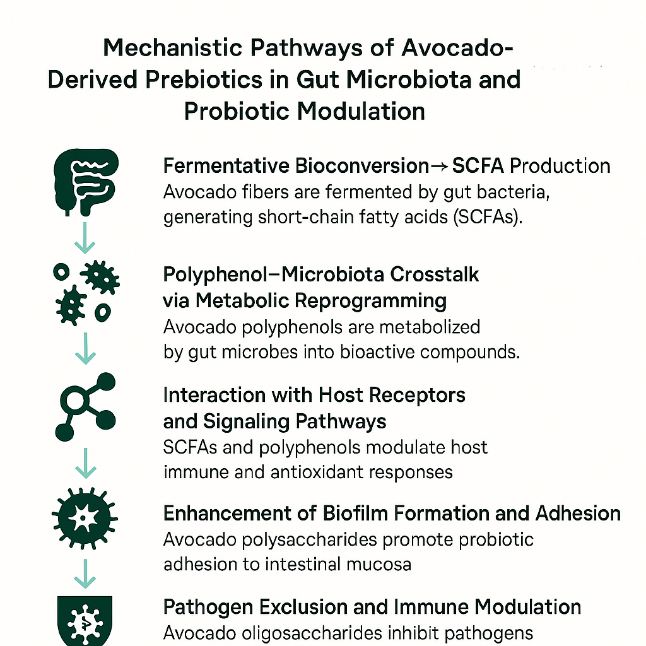
Fig. 4: Mechanistic pathways by which avocado-derived prebiotics modulate gut microbiota and enhance probiotic viability
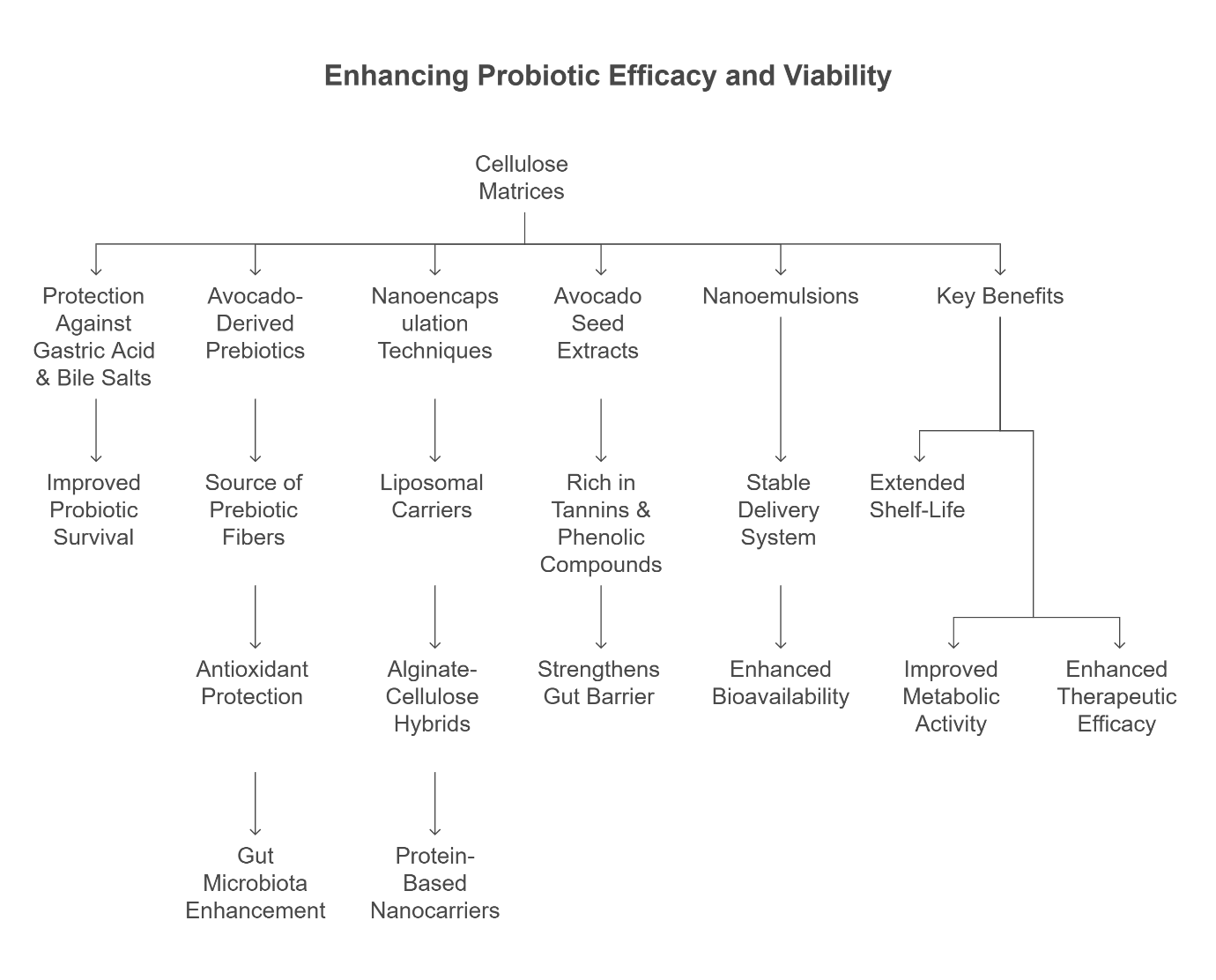
Fig. 5: Comprehensive framework for improving probiotic viability using cellulose matrices and supportive biotechnological approaches
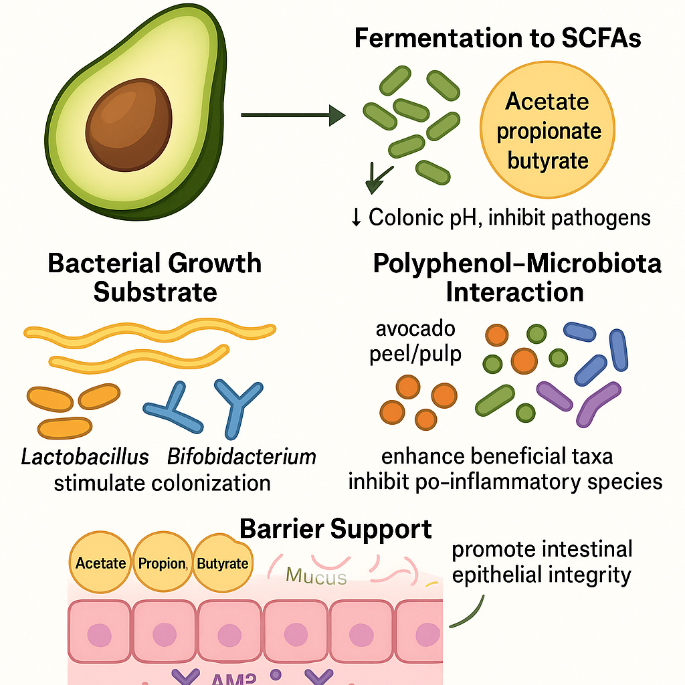
Fig. 6: Mechanistic explanation of how avocado-derived prebiotics support probiotic activity
Microbiota SCFA barrier link
Avocados have emerged as a functional food with significant potential to modulate gut health through both prebiotic and probiotic pathways. Rich in dietary fiber, avocados serve as an effective substrate for beneficial gut bacteria such as Lactobacillus and Bifidobacterium, promoting their colonization and activity within the gastrointestinal tract. The fermentation of these fibers by the resident microbiota leads to the production of SCFAs, including acetate, propionate, and butyrate. These SCFAs are critical for lowering colonic pH, thereby inhibiting the growth of harmful pathogens, while simultaneously acting as signalling molecules and energy sources for colon epithelial cells [73, 74].
Beyond fiber, the polyphenolic compounds present in avocado peel and pulp further contribute to gut microbiota modulation. These polyphenols enhance the abundance of beneficial microbial taxa and suppress pro-inflammatory species, promoting a favourable microbial balance. Moreover, the SCFAs, particularly butyrate, play a key role in supporting the integrity of the intestinal barrier. They stimulate the production of mucins and antimicrobial peptides, reinforce tight junctions, and help maintain epithelial health, thus preventing microbial translocation and systemic inflammation [75, 76].
Avocados provide a synergistic combination of fibers and bioactive compounds that support the growth of beneficial microbes, facilitate the production of health-promoting SCFAs, modulate inflammatory responses, and reinforce intestinal barrier function. These findings underscore the promising role of avocados in dietary strategies aimed at enhancing gut health and overall well-being [77-79].
Approaches of targeted delivery
Targeted delivery refers to the precise and precise delivery of remedial agents or bioactive molecules to specific cells, tissues, or organs in the body. In the environment of nutraceuticals, targeted delivery aims to optimize the distribution and attention of bioactive molecules to the required area, maximizing their remedial efficacy while minimizing implicit side effects. Targeted delivery enables nutraceuticals to exert their effects directly at the intended point of action of the human body organ [80]. By directing bioactive molecules to specific cells, tissues, or organs, the desired remedial issues can be achieved more effectively. For illustration, targeting the gastrointestinal tract can enhance the absorption of nutrients or promote gut health, while targeting specific cells can modulate cellular functions or signalling pathways. Targeted delivery systems can ameliorate the bioavailability of bioactive molecules by overcoming barriers to immersion, metabolism, or elimination [81]. By widely delivering the molecules to specific spots, their attention at the target point can be increased, using effective uptake and application. This enhances the remedial effects and reduces the amount of the bioactive composites. By directing nutraceuticals specifically to the target point, the exposure of on-target tissues or cells to the bioactive composites can be minimized [82, 83]. This targeted delivery reduces the threat of adverse responses and enhances the safety profile of the nutraceutical formulations. Targeted delivery systems can cover bioactive molecules from declination or unseasonable release. Targeted delivery of probiotics is essential for maximizing therapeutic efficacy and gut colonization. Conventional probiotics often suffer from low survival rates due to premature degradation in the acidic stomach environment. However, cellulose matrices act as intelligent carriers, enabling probiotics to bypass gastric degradation and reach the intestine intact. When combined with avocado-derived prebiotics, these matrices provide an optimal environment for probiotic adherence, colonization, and metabolic activity in the gut microbiome [84]. The structural properties of cellulose-based nanocarriers allow for pH-responsive release, ensuring probiotics are released only upon reaching the intestinal lumen, where they exert their beneficial effects. Additionally, avocado-derived prebiotics serve as a selective energy source, fostering the growth of probiotics and enhancing their survival in the gut. This targeted delivery system could revolutionize probiotic-based nutraceuticals, ensuring higher efficacy and prolonged retention in the gastrointestinal tract [85, 86].
Stability and shelf-life enhancement
Stability and shelf-life enhancement are basic considerations when joining nanostructured materials in nutraceutical formulations [87]. There are how nanostructured materials can contribute to soundness improvement and amplified stability of nutraceutical formulations, nanostructured materials can grant protection to bioactive molecules against degradation [88]. Epitome of the molecules inside nanostructured carriers, comparable to nanoparticles or liposomes, shields them from outside components, such as oxygen, humidity, light, or enzymatic effort, which can corrupt or modify their chemical structure. This assurance enhances the intelligence and stability of the bioactive compounds, prolonging their effectiveness over an extended duration. Nanostructured materials can help diminish oxidation of bioactive molecules, particularly those delicate to oxidative degradation. One of the critical challenges in probiotic formulations is maintaining viability during storage, transportation, and digestion [89, 90]. Probiotics are sensitive to environmental conditions, including temperature, humidity, pH fluctuations, and oxidative stress, which can significantly reduce their potency. The integration of avocado-derived prebiotics with cellulose matrices offers a two-fold advantage: (1) stabilizing probiotic cells during storage and (2) ensuring their protection during gastrointestinal transit. The prebiotic fibers from avocado function as natural cryoprotectants and moisture regulators, preventing dehydration and improving the resilience of probiotic strains against temperature variations. Furthermore, cellulose-based encapsulation provides a physical barrier against external aggressors while facilitating a gradual and controlled release of probiotics in the gut. This novel formulation can significantly extend the shelf-life of probiotic-based nutraceuticals, making them more commercially viable and effective in real-world applications [91].
Avocado is rich in polysaccharides such as pectin, cellulose, and oligosaccharides, as well as polyphenolic compounds. These constituents act as prebiotic substrates that: a) Protect probiotic viability under oxidative and acidic conditions. b) Enhance colonic fermentation, increasing probiotic colonization potential. c) Reduce moisture sensitivity when incorporated into matrices, improving powder hygroscopicity and extending shelf life during storage. Nanocarriers serve as physical and chemical protectants for probiotics by a) Shielding them from gastric acid and bile salts during GI transit. b) Creating hydrated protective matrices that prevent desiccation and oxygen exposure. c) Acting as barriers to water activity (aw), which is critical in preserving probiotic cultures during storage [92].
Table 6: Various nanocarrier systems applied in avocado-derived cellulose nanotechnology
| Types of nanocarriers used: | ||
| Nanocarrier | Functionality | References |
| Alginate-cellulose beads | pH-responsive swelling, strong gelation, and moisture resistance | [93] |
| Lipid nanoparticles | Protection against thermal and oxidative stress | |
| Chitosan-coated liposomes | Mucoadhesive delivery and bile salt resistance | |
| Zein nanoparticles | Hydrophobic matrix, suitable for dry probiotic formulations | |
Stability in the Simulated Gastric and Intestinal Fluid (SGF/SIF) models has been significantly improved using avocado-derived matrices. Improved survival from 30% → 65–78% in acidic pH (pH 1.5–3.0), Bile salt resistance enhanced by formation of hydrophobic outer shells from avocado lipids. Freeze-drying or spray-drying probiotic cultures with avocado fibre matrices has shown improved rehydration capacity and retention of CFU over time. Nanocarrier coatings also serve as antioxidant and anti-humidity shields, preventing degradation caused by light, temperature, and air exposure [94].
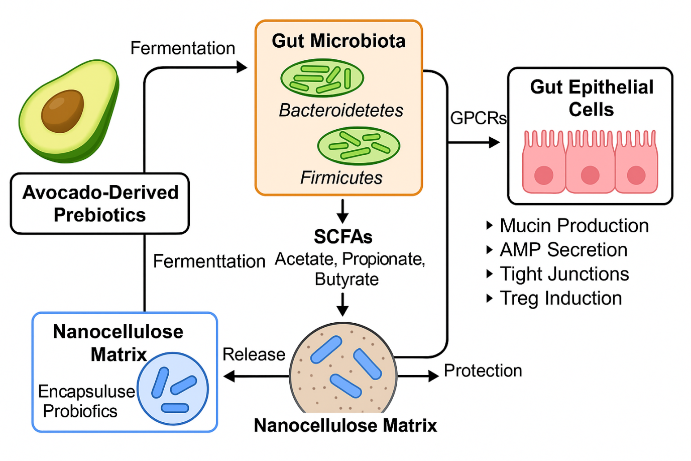
Fig. 7: Biochemical and technological pathways enhancing probiotic stability using avocado-derived prebiotics and nanocellulose system
Table 7: Overview of biochemical mechanisms and technological strategies involving avocado-derived prebiotics and nanocellulose matrices for enhancing probiotic stability
| Aspect | Details | References |
| Avocado-derived prebiotics | Avocado peels and seeds contain 3–26% dietary fibre (mainly insoluble cellulose/hemicellulose) and polyphenols (3–5 mg GAE/g). These components resist digestion in the upper gut and are fermented by colonic microbiota. | [95-97] |
| Gut Microbiota Fermentation | Bacteroidetes (e. g., Bacteroides spp.) hydrolyse complex polysaccharides into sugars and lactate, producing acetate and propionate. Firmicutes (e. g., Faecal bacterium prausnitzii) further metabolize these products to produce butyrate. | |
| SCFA Production | The fermentation process yields Short-Chain Fatty Acids (SCFAs) with a typical colonic profile of 60:20:20 for acetate: propionate: butyrate. Avocado fiber consumption has been shown to increase fecal butyrate levels significantly. | |
| SCFA Signalling Pathways | SCFAs bind to G-protein–coupled receptors (GPR41/FFAR3, GPR43/FFAR2, GPR109A) on intestinal epithelial and immune cells, activating pathways that modulate metabolism and inflammation. | |
| Immune Modulation | Activation of GPR41/43 by SCFAs leads to the production of chemokines and cytokines, enhancing mucin production, tight junction integrity, and regulatory T-cell responses, thereby maintaining intestinal homeostasis. | |
| Probiotic Survival Enhancement | Prebiotics lower local pH, inhibiting pathogens and favoring acid-tolerant probiotics. They also physically protect probiotics, buffer gastric acid, and bind bile acids, reducing their detrimental effects on probiotic membranes. | |
| Nanocellulose Matrices | Nanocellulose-based matrices (e. g., cellulose nanofibrils, methylcellulose) encapsulate probiotics, enhancing their stability and survival through the gastrointestinal tract. These matrices are pH-responsive, releasing probiotics in the colon. | |
| Comparative Efficacy | Studies have shown that nanocellulose-alginate capsules significantly improve probiotic survival under gastric conditions compared to alginate alone, with higher viability and controlled release in the intestinal environment. |
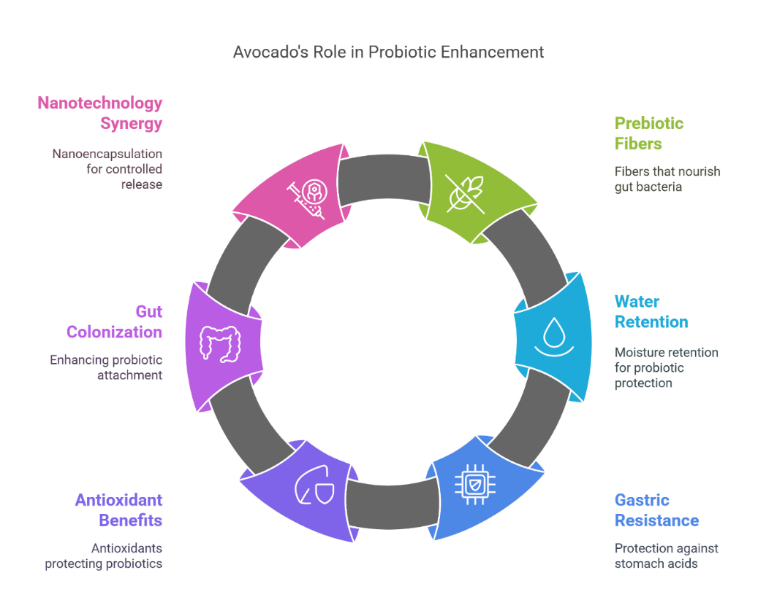
Fig. 8: Avocado-derived nutrients and their impact on probiotic growth and function
Overview of preclinical and clinical studies
Preclinical and clinical studies play a vital part in the assessment of nanostructured materials in nutraceuticals, giving valuable insights into their safety, efficacy, and potential benefits. These considerations encompass comprehensive testing and assessment in both laboratory and human settings, gathering scientific evidence to support decision-making regarding the incorporation of nanostructured materials in nutraceutical formulations. Here, the centrality of preclinical and clinical considerations within the assessment of nanostructured materials in nutraceuticals [98]. Preclinical studies include laboratory-based tests conducted on cells, tissues, or in silico models, sometimes recently testing in people. These studies evaluate the security, bioavailability, pharmacokinetics, and potential toxicities of nanostructured materials. To evaluate the possible adverse effects and toxicities of nanostructured materials, comprehensive toxicity studies, repeated-dose toxicity assessments, genotoxicity evaluations, and investigations of potential organ-specific or systemic toxicities are conducted. Additionally, research on the Absorption, Distribution, Metabolism, and Excretion (ADME) of nanostructured materials helps determine their bioavailability and systemic exposure. These studies are essential for gaining insights into the fate and behaviours of these materials within the body [99]. To evaluate the helpful adequacy of nutraceutical details containing nanostructured materials. This includes assessing their ability to convey bioactive compounds, target cells or tissues, and illustrate the required organic or physiological impacts. Preclinical considers help within the optimization of definition parameters, such as molecule estimate, surface alterations, and discharge energy, to improve the execution and adequacy of nanostructured materials in nutraceuticals. Clinical considerations include the assessment of nanostructured materials in human subjects. They are conducted in a few stages, including Stage I, II, and III trials, to survey security, viability, and tolerability [100]. Clinical trials evaluate the safety profile and tolerability of nanostructured materials in human subjects. This involves monitoring adverse events, potential side effects, and allergic reactions, ensuring the overall safety of the nutraceutical formulations. Clinical considers examine the assimilation, conveyance, digestion system, and disposal of nanostructured materials in people, giving insights into their pharmacokinetics and bioavailability profiles [101]. Clinical trials assess the restorative adequacy of nutraceutical details containing nanostructured materials. They evaluate the craved wellbeing results, adequacy endpoints, and clinical endpoints, illustrating the adequacy of the nanostructured materials in improving wellbeing conditions. Clinical studies about offering assistance decide the suitable dose regimen for nutraceutical details, considering factors such as viability, safety, and persistent population variability. These studies guide the foundation of dosing suggestions for clinical utilize [102].
A few clinical studies about centre on long-term security checking, surveying the potential antagonistic impacts related to drawn exposure to nanostructured materials in nutraceuticals. Through conducting preclinical and clinical studies, researchers and regulatory experts can gather scientific evidence regarding the safety, effectiveness, and potential benefits of nanostructured materials in nutraceuticals. These studies provide a foundation for evidence-based decision-making, regulatory approvals, and recommendations for the use of nanostructured materials in nutraceutical formulations, ensuring their safe and effective application in human health [103].
Applications for emerging technology in nutraceuticals
Relevant examination and exercises offer important bits of knowledge into the application of nanostructured materials in useful foods, highlighting their benefits and complexities. These studies demonstrate the promise of nanoemulsions in enhancing the bioavailability of bioactive compounds, like curcumin, surpassing traditional formulations. Nanoparticles act as targeted delivery systems, allowing precise delivery of compounds to specific cells or organs. Controlled-release nanofibers have been shown to guarantee in amplification of the discharge of bioactive over time for applications like wound healing and sedative delivery. Nanoencapsulation improves stability and shelf life by securing delicate compounds from corruption and intelligent [108, 109].
The integration of nanotechnology, prebiotics, and probiotics is at the forefront of nutraceutical innovations. Recent advancements in probiotic-prebiotic nanocomposites highlight their potential in personalized nutrition, gut health optimization, and disease prevention [110]. Case studies have demonstrated that encapsulating probiotics in prebiotic-functionalized cellulose nanofibers significantly improves viability, enhances metabolic activity, and extends probiotic shelf-life in functional food applications. For instance, research on plant-based prebiotics combined with cellulose nanofibers has shown increased resistance to gastric fluids and improved probiotic adherence to intestinal mucosa. By incorporating avocado-derived prebiotics, the field can advance eco-friendly, plant-based probiotic stabilizers that align with consumer demand for sustainable and natural nutraceutical solutions. Moreover, the use of biodegradable cellulose matrices ensures minimal environmental impact while enhancing bioavailability, retention time, and probiotic functionality [111].
Table 8: Comprehensive overview of next-generation probiotic formulations using avocado-derived prebiotics and nanotechnology
| Component | Source | Bioactive compounds | Function | Technique /Technology |
Encapsulation material | Release mechanism | Stability improvements | Health benefits | Potential applications | References |
| Avocado-Derived Prebiotics | Avocado pulp and peel | Oligosaccharides, polysaccharides | Supports gut microbiota growth and improves water retention | Fiber extraction and purification | Alginate-cellulose hybrids | Controlled release in the intestinal environment | Enhanced resistance to gastric acid and bile salts | Improved digestion and gut microbiota balance | Functional foods, probiotic beverages, dietary supplements | [104-107] |
| Avocado Polyphenols | Avocado pulp and seed | Phenolic compounds, flavonoids | Antioxidant protection against oxidative stress | Solvent extraction and encapsulation | Polymeric nanoparticles | Gradual release in the gut | Prevents oxidative damage, extends probiotic viability | Reduced inflammation, improved immune response | Anti-inflammatory supplements, functional teas | |
| Cellulose Matrices | Plant-derived cellulose | Microcrystalline cellulose (MCC) | Provides a biodegradable protective barrier for probiotics | Microencapsulation via spray-drying and freeze-drying | Biopolymer films | Sustained release in the intestinal tract | Improved probiotic survival in harsh conditions | Strengthened gut barrier, improved nutrient absorption | Yogurt, fermented foods, dietary capsules | |
| Nanoencapsulation Techniques | Various nanocarriers | Lipids, proteins, and polysaccharides | Controlled release and improved resistance to stress | Liposomal carriers, nanoemulsions, protein-based carriers | Chitosan-alginate nanoparticles | Timed release triggered by pH levels | Enhanced protection from gastric acid and bile salts | Extended probiotic viability, optimized therapeutic effects | Probiotic capsules, functional beverages | |
| Avocado Seed Extracts | Avocado seed | Tannins, phenolic acids | Gut barrier protection and anti-inflammatory properties | Tannin extraction and nanoparticle formulation | Nano-coating polymers | Gradual release for prolonged activity | Strengthens the intestinal lining, reduces inflammation | Enhanced gut health, reduced risk of intestinal disorders | Digestive enzyme boosters, anti-inflammatory formulations | |
| Nanoemulsions | Avocado oil | Fatty acids, bioactive lipids | Uniformly disperses probiotics in the digestive tract | Ultrasonic emulsification, microfluidization techniques | Oil-in-water emulsions | Rapid dispersion in gut fluids | Enhanced bioavailability, stable dispersion in the GI tract | Enhanced nutrient absorption, improved probiotic colonization | Probiotic drinks, nutraceutical formulations | |
| Probiotic Strains | Bifidobacteria, Lactobacillus | Lactic acid bacteria (LAB) | Strengthens immunity and balances gut flora | Encapsulation with cellulose and avocado fibers | Alginate-chitosan beads | Targeted release at specific gut regions | Prolonged viability under environmental stress | Improved digestion, immune support, and prevention of infections | Functional foods, capsules, yogurt, and kefir | |
| Carrier Systems | Natural biopolymers | Alginate, chitosan, gelatin | Form protective matrices for probiotics | Spray-drying, coacervation, and emulsion techniques | Hybrid biopolymer structures | Controlled release with pH or enzyme triggers | Improved resistance to temperature and mechanical stress | Prolonged shelf-life, improved probiotic efficacy | Functional powders, dietary supplements, fortified foods | |
| Probiotic Metabolites | Fermented avocado extract | Organic acids, short-chain fatty acids | Supports gut microbiota growth and enhances gut lining | Biofermentation techniques | Polysaccharide-encapsulated matrices | Slow-release mechanisms based on microbial activity | Enhanced probiotic metabolic activity and effectiveness | Improved gut flora balance, reduced risk of gastrointestinal issues | Fermented foods, kombucha, probiotic shots | |
| Functional Additives | Natural antioxidants | Vitamin E, C, and beta-carotene | Prevents oxidative degradation of probiotics | Blending with polymer-based matrices | Protein-polysaccharide blends | Antioxidant-protected gradual release | Enhances stability in heat, light, and oxygen exposure | Improved probiotic survival, better therapeutic efficiency | Enriched capsules, dietary blends, probiotic-enriched foods |
Recent advances and developments in nanotechnology
Recent advances in nanotechnology have significantly transformed the nutraceutical industry, particularly in enhancing the stability, bioavailability, and targeted delivery of probiotics and prebiotics. The integration of nanostructured cellulose matrices with avocado-derived prebiotics has emerged as a promising approach to improving probiotic survival and gut microbiome modulation. Innovations such as nanoencapsulation, nanoemulsions, and lipid-based nanocarriers ensure that probiotics are protected from harsh gastric conditions and released in a controlled manner at the desired site in the intestine [112]. Additionally, polyphenol-functionalized nanocarriers derived from avocado extracts enhance antioxidant stability, further safeguarding probiotics from oxidative stress. Breakthroughs in nanofiber technology now allow for personalized probiotic formulations, designed to meet specific microbiome profiles. Moreover, bioengineered nanoparticles with pH-sensitive coatings are being developed to enable targeted probiotic delivery, ensuring maximal efficacy. As research continues, the combination of nanotechnology, artificial intelligence, and functional food innovations is expected to revolutionize precision nutrition, paving the way for next-generation nutraceuticals with enhanced health benefits [113].
Growing interest in precision nutrition
The growing interest in precision nutrition is revolutionizing the nutraceutical industry by enabling personalized dietary interventions based on an individual's genetics, microbiome, metabolism, and lifestyle. The integration of avocado-derived prebiotics, probiotics, and nanotechnology aligns perfectly with this shift, offering customized gut health solutions that cater to specific nutritional deficiencies and microbiota imbalances [114]. Precision nutrition leverages advanced omics technologies (genomics, metabolomics, and microbiomics) to tailor functional foods and supplements that enhance probiotic efficacy and gut microbiome composition. By incorporating prebiotic-functionalized cellulose matrices, probiotic formulations can be designed to target specific populations, such as individuals with digestive disorders, immune deficiencies, or metabolic syndromes [115, 116]. Moreover, nanotechnology-driven smart delivery systems ensure controlled and site-specific probiotic release, maximizing absorption and therapeutic benefits. As consumer demand for personalized wellness solutions grows, the development of precision-engineered probiotic-prebiotic combinations using avocado bioactive and cellulose-based carriers is set to transform the future of gut health and functional nutrition, making tailor-made nutraceuticals more accessible and effective [117, 118].
Future directions and emerging technologies challenges
Avocado-derived prebiotics, including pectin, resistant starch, and polyphenols, exhibit promising potential to enhance probiotic viability and gut health, especially when integrated with nanotechnology. The current review underscores their role in improving probiotic delivery, protection during gastrointestinal transit, and synergistic interactions that modulate gut microbiota composition. However, to fully harness these advantages, several areas require further exploration. More in-depth investigations into the exact biochemical and molecular pathways through which avocado-derived compounds enhance probiotic survival and gut colonization are needed. While in vitro data are promising, controlled animal studies and human clinical trials are essential to validate efficacy, dosage, and safety. Research must clarify optimal concentrations and combinations of avocado prebiotics and probiotics for different populations. Future studies should develop novel nanomaterials (e. g., cellulose nanofibers, chitosan composites) for co-delivery systems that enhance both prebiotic and probiotic effects. Integration into personalized nutraceutical products tailored for specific gut microbiota profiles or disease conditions could become a future application area. There are different potential industrial applications, like as the incorporation of avocado-derived prebiotics into yogurts, snack bars, or fermented drinks with encapsulated probiotics, and nanotechnology-assisted capsules with avocado-derived prebiotics and probiotics can improve shelf life and therapeutic effectiveness. Smart food packaging materials containing avocado-derived compounds may help preserve probiotic-rich foods during storage and application in animal feeds to improve gut health in livestock and pets.
In the USA, Europe, Japan, Health Canada, China, and India, several objections and unborn perspectives are shaping the geography of nutraceuticals, nanotechnology, perfection nutrition, and substantiated health. Common objections carry regulatory complications, ensuring consumer security, and maintaining quality control norms amidst rapid-fire technological creations. Moreover, there is a need for increased public awareness and education regarding the benefits and risks associated with these emerging fields. Unborn perspectives rotate around the integration of artificial intelligence, engaging literacy, and data analytics to enable individualized health recommendations and interventions. Collaboration between academia, Industry, and regulatory bodies will play a pivotal part in furthering invention and easing market access. Featuring sustainability and environmental considerations will also be vital, promoting eco-friendly practices and reducing the ecological footprint of this diligence. Also, addressing ethical considerations, guarding consumer birthrights, and ensuring equal access to substantiated health results will be an ongoing process. Despite the criticisms, the convergence of technology, research, and regulatory developments presents promising opportunities for improving healthcare, enhancing disease prevention, and transforming the way individuals approach their health and well-being in these countries.
In terms of looking for the new product development might be looking forward this regulatory challenges, the companies should be focused on the direction of the avocado extracts, and nanocarriers must be thoroughly evaluated for GRAS (Generally Recognized as Safe) certification, especially for oral use. Regulatory frameworks regarding nano-encapsulation in foods vary widely across countries, with inconsistent safety thresholds. Clear guidelines are needed for labelling nano-enabled nutraceuticals to maintain consumer trust and transparency.
LIMITATIONS
Despite the growing interest in this field, several limitations were observed across the studies reviewed, as most studies were in vitro or animal-based; few human clinical trials exist. Different probiotic strains, matrices, and avocado derivatives used across studies reduce comparability. Many studies lacked statistical power due to small cohorts. No standard methodology for evaluating prebiotic-probiotic interactions with avocado compounds. Particularly for nano-encapsulated systems, long-term consumption safety remains underexplored. While nanotechnology shows promise, the long-term biocompatibility and potential toxicity of nanocarriers like nanocellulose or liposomes remain under-investigated. Most articles do not provide dose–response relationships for avocado-derived components or their synergistic effects with probiotics. There is insufficient mechanistic insight into how specific avocado compounds modulate probiotic gene expression or gut epithelial interactions. The technological feasibility of using avocado-based nanomaterials at an industrial scale (cost, production time, reproducibility) is not yet established. Regulatory guidelines for combining plant-derived prebiotics and nanotechnology in food or supplement applications are still evolving and country-specific. Publication bias may exist, where studies showing no improvement in probiotic viability with avocado-based systems are underreported.
CONCLUSION
The period of nanotechnology has opened new possibilities for perfecting nutraceutical delivery systems for the future. The use of nanostructured materials as carriers offers several advantages, including enhanced bioavailability, targeted delivery, stability improvement, and controlled release. The implicit operations of nanotechnology in nutraceuticals have been explored through useful approaches, such as nanoemulsions, nanoparticles, nanofibers, nanoencapsulation, nanosensors, and nanocomposites. These inventions hold significant promise for enhancing the efficacy, security, and consumer acceptance of nutraceutical products. Still, along with the tremendous openings, some objections need to be managed, involving regulatory frameworks, actions on public health, ethical considerations, and intellectual property rights. Regulatory bodies play an overcritical part in ensuring the security, quality, and efficacy of these nutraceuticals’ formulations, while public perception and acceptance are essential for their success in the market. Likewise, environmental sustainability considerations are getting increasingly important in the evolution and commercialization of nanotechnology-grounded nutraceuticals. Looking ahead, the future of nutraceutical delivery linkages on continued research and development, global adaptation, personalized nutrition approaches, and the incorporation of emerging technologies. With ongoing innovations, collaboration, and responsible practices, the era of nanotechnology in advancing nutraceutical delivery shows tremendous potential to revolutionize the field of nutrition and well-being, leading to improved health outcomes and enhanced quality of life for people.
ACKNOWLEDGEMENT
The authors would like to express their gratitude to the Department of Science and Technology-Fund for Improvement of Science and Technology Infrastructure (DST-FIST), Promotion of University Research and Scientific Excellence (DST-PURSE), and the Department of Biotechnology Boost to University Interdisciplinary Pharmaceutical Biotechnology Sciences Departments for Education and Research program (DBT-BUILDER) for the facilities provided in our department. Additionally, I, as first author Jatin M, thank the following individuals for their expertise and assistance throughout all aspects of my review study and for their help in writing the manuscript. I also extend my heartfelt thanks to JSS Academy of Higher Education, Mysuru, and JSS College of Pharmacy, Ooty, for providing their pool of resources to support and enhance the quality of my review.
FUNDING
Nil
AUTHORS CONTRIBUTIONS
Jatin M: Conceptualization, data acquisition, analysis, interpretation, writing-original draft, Bishop Adhikari: Data alignments and design of the fig. and table of the paper, writing-original draft. Piyush Kumar: Helped to analyse and collect data for the paper. For R. Rajesh Kumar: Review and editing, Supervision, Critical evaluation, and Validation.
CONFLICT OF INTERESTS
The author is reporting no conflict of interest.
REFERENCES
Ronis MJ, Pedersen KB, Watt J. Adverse effects of nutraceuticals and dietary supplements. Annu Rev Pharmacol Toxicol. 2018 Jan 6;58(1):583-601. doi: 10.1146/annurev-pharmtox-010617-052844, PMID 28992429, PMCID PMC6380172.
Chandra S, Saklani S, Kumar P, Kim B, Coutinho HD. Nutraceuticals: pharmacologically active potent dietary supplements. BioMed Res Int. 2022 Jul 4;2022:2051017. doi: 10.1155/2022/2051017, PMID 35832855, PMCID PMC9273442.
Aronson JK. Defining nutraceuticals: neither nutritious nor pharmaceutical. Br J Clin Pharmacol. 2017 Jan;83(1):8-19. doi: 10.1111/bcp.12935, PMID 26991455, PMCID PMC5338166.
Shields A, Ly S, Wafae B, Chang YF, Manjaly P, Archila M. Safety and effectiveness of oral nutraceuticals for treating acne: a systematic review. JAMA Dermatol. 2023 Dec 1;159(12):1373-82. doi: 10.1001/jamadermatol.2023.3949, PMID 37878272, PMCID PMC11015159.
Martinovic LS, Persuric Z, Pavelic K. Nutraceuticals and metastasis development. Molecules. 2020 May 8;25(9):2222. doi: 10.3390/molecules25092222, PMID 32397337, PMCID PMC7248721.
Rajapakse T, Gantenbein AR. Nutraceuticals in migraine. Handb Clin Neurol. 2024;199:125-44. doi: 10.1016/B978-0-12-823357-3.00001-X, PMID 38307641.
Isola G. The impact of diet nutrition and nutraceuticals on oral and periodontal health. Nutrients. 2020 Sep 6;12(9):2724. doi: 10.3390/nu12092724, PMID 32899964, PMCID PMC7551041.
Makkar R, Behl T, Bungau S, Zengin G, Mehta V, Kumar A. Nutraceuticals in neurological disorders. Int J Mol Sci. 2020 Jun 22;21(12):4424. doi: 10.3390/ijms21124424, PMID 32580329, PMCID PMC7352709.
Le Y, Wang B, Xue M. Nutraceuticals use and type 2 diabetes mellitus. Curr Opin Pharmacol. 2022 Feb;62Suppl 1:168-76. doi: 10.1016/j.coph.2021.12.004, PMID 35066463.
Divella R, Daniele A, Savino E, Paradiso A. Anticancer effects of nutraceuticals in the mediterranean diet: an epigenetic diet model. Cancer Genomics Proteomics. 2020 Jul-Aug;17(4):335-50. doi: 10.21873/cgp.20193, PMID 32576579, PMCID PMC7367609.
Barmherzig R, Rajapakse T. Nutraceuticals and behavioral therapy for headache. Curr Neurol Neurosci Rep. 2021 May 10;21(7):33. doi: 10.1007/s11910-021-01120-3, PMID 33970348.
Jahangir MA, Jain P, Verma R, Taleuzzaman M, Ahsan MJ, Chettupalli AK. Transdermal nutraceuticals delivery system for CNS disease. CNS Neurol Disord Drug Targets. 2022;21(10):977-93. doi: 10.2174/1871527321666220112154051, PMID 35023462.
Wang A, Leong DJ, Cardoso L, Sun HB. Nutraceuticals and osteoarthritis pain. Pharmacol Ther. 2018 Jul;187:167-79. doi: 10.1016/j.pharmthera.2018.02.015, PMID 29481810.
Alalwan TA. Nutraceuticals and their role in promoting musculo skeletal healthy aging. Ann Ig. 2023 Jul-Aug;35(4):486-97. doi: 10.7416/ai.2022.2552, PMID 36515582.
Travica N, Teasdale S, Marx W. Nutraceuticals in mood disorders: current knowledge and future directions. Curr Opin Psychiatry. 2023 Jan 1;36(1):54-9. doi: 10.1097/YCO.0000000000000826, PMID 36044293.
Orlando JM. Behavioral nutraceuticals and diets. Vet Clin North Am Small Anim Pract. 2018 May;48(3):473-95. doi: 10.1016/j.cvsm.2017.12.012, PMID 29429599.
Penson PE, Banach M. Nutraceuticals for the control of dyslipidaemias in clinical practice. Nutrients. 2021 Aug 25;13(9):2957. doi: 10.3390/nu13092957, PMID 34578834, PMCID PMC8467462.
Agu PC, Afiukwa CA, Orji OU, Ezeh EM, Ofoke IH, Ogbu CO. Molecular docking as a tool for the discovery of molecular targets of nutraceuticals in diseases management. Sci Rep. 2023 Aug 17;13(1):13398. doi: 10.1038/s41598-023-40160-2, PMID 37592012, PMCID PMC10435576.
Paudel KR, Patel V, Vishwas S, Gupta S, Sharma S, Chan Y. Nutraceuticals and COVID-19: a mechanistic approach toward attenuating the disease complications. J Food Biochem. 2022 Dec;46(12):e14445. doi: 10.1111/jfbc.14445, PMID 36239436, PMCID PMC9874507.
Tang Y. Editorial: nutraceuticals. Curr Opin Pharmacol. 2022 Oct;66:102265. doi: 10.1016/j.coph.2022.102265, PMID 35830773.
Sachdeva V, Roy A, Bharadvaja N. Current prospects of nutraceuticals: a review. Curr Pharm Biotechnol. 2020;21(10):884-96. doi: 10.2174/1389201021666200130113441, PMID 32000642.
Ciprandi G, Tosca MA. Nutraceuticals and non-pharmacological remedies for managing patients with allergic rhinitis. Minerva Pediatr (Torino). 2023 Dec;75(6):905-13. doi: 10.23736/S2724-5276.22.07027-6, PMID 36282486.
Ciprandi G, Tosca MA. Nutraceuticals and non-pharmacological remedies for managing patients with allergic rhinitis. Minerva Pediatr (Torino). 2023 Dec;75(6):905-13. doi: 10.23736/S2724-5276.22.07027-6, PMID 36282486.
Kim SK, Guevarra RB, Kim YT, Kwon J, Kim H, Cho JH. Role of probiotics in human gut microbiome associated diseases. J Microbiol Biotechnol. 2019 Sep 28;29(9):1335-40. doi: 10.4014/jmb.1906.06064, PMID 31434172.
Sanders ME, Merenstein DJ, Reid G, Gibson GR, Rastall RA. Author correction: probiotics and prebiotics in intestinal health and disease: from biology to the clinic. Nat Rev Gastroenterol Hepatol Nat Rev Gastroenterol Hepatol. 2019;16(10):642. doi: 10.1038/s41575-019-0199-6, PMID 31399728.
Grace NS, Monica N, Sarath Chandra M, Veena B. A comparative study to determine the effectiveness and safety of probiotics as an adjunct to antihistamines compared to antihistamines alone in patients with allergic rhinitis. Asian J Pharm Clin Res. 2025 Feb;18(2):74-81. doi: 10.22159/ajpcr.2025v18i2.53569.
Bangar SP, Dunno K, Dhull SB, Kumar Siroha A, Changan S, Maqsood S. Avocado seed discoveries: chemical composition biological properties and industrial food applications. Food Chem X. 2022 Nov 11;16(5):100507. doi: 10.1016/j.fochx.2022.100507, PMID 36573158, PMCID PMC9789361.
Szajewska H, Berni Canani R, Domellof M, Guarino A, Hojsak I, Indrio F. Probiotics for the management of pediatric gastrointestinal disorders: position paper of the ESPGHAN special interest group on gut microbiota and modifications. J Pediatr Gastroenterol Nutr. 2023 Feb 1;76(2):232-47. doi: 10.1097/MPG.0000000000003633, PMID 36219218.
Das D, Rath CC, Mohanty N, Panda SH. Probiotic characterization of bacillus subtilis strain isolated from infant fecal matter revealed by 16S rRNA gene and phylogenetic analysis. Asian J Pharm Clin Res. 2021 Dec;14(12):77-85. doi: 10.22159/ajpcr.2021.v14i12.43204.
Swe ZM, Chumphon T, Panya M, Pangjit K, Promsai S. Evaluation of nano-wall material for production of novel lyophilized probiotic product. Foods. 2022 Oct 6;11(19):3113. doi: 10.3390/foods11193113, PMID 36230189, PMCID PMC9564142.
He X, Deng H, Hwang HM. The current application of nanotechnology in food and agriculture. J Food Drug Anal. 2019 Jan;27(1):1-21. doi: 10.1016/j.jfda.2018.12.002, PMID 30648562, PMCID PMC9298627.
Gungor S, Kahraman E. Nanocarriers mediated cutaneous drug delivery. Eur J Pharm Sci. 2021 Mar 1;158:105638. doi: 10.1016/j.ejps.2020.105638, PMID 33176190.
Singh AR, Desu PK, Nakkala RK, Kondi V, Devi S, Alam MS. Nanotechnology based approaches applied to nutraceuticals. Drug Deliv Transl Res. 2022 Mar;12(3):485-99. doi: 10.1007/s13346-021-00960-3, PMID 33738677.
Hu Q, Li J, Wang T, Xu X, Duan Y, Jin Y. Polyphenolic nanoparticle modified probiotics for microenvironment remodeling and targeted therapy of inflammatory bowel disease. ACS Nano. 2024 May 21;18(20):12917-32. doi: 10.1021/acsnano.4c00830, PMID 38720520.
Sahani S, Sharma YC. Advancements in applications of nanotechnology in global food industry. Food Chem. 2021 Apr 16;342:128318. doi: 10.1016/j.foodchem.2020.128318, PMID 33189478.
Lim JH, Bairi VG, Linder SW, Fong A. Detection and characterization of silver nanostructures in consumer products. J Nanosci Nanotechnol. 2019 Dec 1;19(12):8078-87. doi: 10.1166/jnn.2019.16754, PMID 31196329.
Ford NA, Spagnuolo P, Kraft J, Bauer E. Nutritional composition of hass avocado pulp. Foods. 2023 Jun 28;12(13):2516. doi: 10.3390/foods12132516, PMID 37444254, PMCID PMC10340145.
Salim S, Ahmad F, Banu A, Mohammad F. Gut microbiome and parkinsons disease: perspective on pathogenesis and treatment. J Adv Res. 2023 Aug;50:83-105. doi: 10.1016/j.jare.2022.10.013, PMID 36332796, PMCID PMC10403695.
Prado CM, Orsso CE, Pereira SL, Atherton PJ, Deutz NE. Effects of β-hydroxy β-methylbutyrate (HMB) supplementation on muscle mass function and other outcomes in patients with cancer: a systematic review. J Cachexia Sarcopenia Muscle. 2022 Jun;13(3):1623-41. doi: 10.1002/jcsm.12952, PMID 35301826, PMCID PMC9178154.
Viera W, Gaona P, Samaniego I, Sotomayor A, Viteri P, Noboa M. Mineral content and phytochemical composition of avocado var. hass grown using sustainable agriculture practices in ecuador. Plants (Basel). 2023 Apr 27;12(9):1791. doi: 10.3390/plants12091791, PMID 37176848, PMCID PMC10180668.
Kieps J, Dembczynski R. Current trends in the production of probiotic formulations. Foods. 2022 Aug 4;11(15):2330. doi: 10.3390/foods11152330, PMID 35954096, PMCID PMC9368262.
Iqubal A, Iqubal MK, Fazal SA, Pottoo FH, Haque SE. Nutraceuticals and their derived nano-formulations for the prevention and treatment of alzheimers disease. Curr Mol Pharmacol. 2022;15(1):23-50. doi: 10.2174/1874467214666210309115605, PMID 33687906.
Centurion F, Basit AW, Liu J, Gaisford S, Rahim MA, Kalantar Zadeh K. Nanoencapsulation for probiotic delivery. ACS Nano. 2021 Dec 28;15(12):18653-60. doi: 10.1021/acsnano.1c09951, PMID 34860008.
Singh AR, Desu PK, Nakkala RK, Kondi V, Devi S, Alam MS. Nanotechnology based approaches applied to nutraceuticals. Drug Deliv Transl Res. 2022 Mar;12(3):485-99. doi: 10.1007/s13346-021-00960-3, PMID 33738677.
Cao F, Jin L, Zhang C, Gao Y, Qian Z, Wen H. Engineering clinically relevant probiotics with switchable nano-promoter and nano-effector for precision tumor therapy. Adv Mater. 2024 Feb;36(5):e2304257. doi: 10.1002/adma.202304257, PMID 37788635.
Zuccari G, Alfei S. Development of phytochemical delivery systems by nano-suspension and nano-emulsion techniques. Int J Mol Sci. 2023 Jun 6;24(12):9824. doi: 10.3390/ijms24129824, PMID 37372971, PMCID PMC10298078.
Wu C, Li J, Huang K, Tian X, Guo Y, Skirtach AG. Advances in preparation and engineering of plant derived extracellular vesicles for nutrition intervention. Food Chem. 2024 Nov 1;457:140199. doi: 10.1016/j.foodchem.2024.140199, PMID 38955121.
Li Y, Wang Y, Zhao H, Pan Q, Chen G. Engineering strategies of plant derived exosome like nanovesicles: current knowledge and future perspectives. Int J Nanomedicine. 2024 Nov 30;19:12793-815. doi: 10.2147/IJN.S496664, PMID 39640047, PMCID PMC11618857.
Chuacharoen T, Polprasert C, Sabliov CM. Avocado seed extract encapsulated in zein nanoparticles as a functional ingredient. J Agric Food Res. 2024 Dec 1;18(3):101332. doi: 10.1016/j.jafr.2024.101332.
Li Y, Wang Y, Zhao H, Pan Q, Chen G. Engineering strategies of plant derived exosome like nanovesicles: current knowledge and future perspectives. Int J Nanomedicine. 2024 Nov 30;19:12793-815. doi: 10.2147/IJN.S496664, PMID 39640047, PMCID PMC11618857.
Duarte M, Oliveira AL, Oliveira C, Pintado M, Amaro A, Madureira AR. Current postbiotics in the cosmetic market an update and development opportunities. Appl Microbiol Biotechnol. 2022 Sep;106(18):5879-91. doi: 10.1007/s00253-022-12116-5, PMID 36008565.
Sharma AK, Puri N, Mathur M, Mathur A. A randomized controlled trial to compare the efficacy of saccharomyces boulardii bacillus clausii and lactobacillus rhamnosus GG preparation in the treatment of acute diarrhea in children. Asian J Pharm Clin Res. 2022 Apr;15(4):63-7. doi: 10.22159/ajpcr.2022.
Salim S, Ahmad F, Banu A, Mohammad F. Gut microbiome and parkinsons disease: perspective on pathogenesis and treatment. J Adv Res. 2023 Aug;50:83-105. doi: 10.1016/j.jare.2022.10.013, PMID 36332796, PMCID PMC10403695.
Prado CM, Orsso CE, Pereira SL, Atherton PJ, Deutz NE. Effects of β-hydroxy β-methylbutyrate (HMB) supplementation on muscle mass function and other outcomes in patients with cancer: a systematic review. J Cachexia Sarcopenia Muscle. 2022 Jun;13(3):1623-41. doi: 10.1002/jcsm.12952, PMID 35301826, PMCID PMC9178154.
Wen X, Wang L, Li F, Yu X. Effects of vitamin D supplementation on metabolic parameters in women with polycystic ovary syndrome: a randomized controlled trial. J Ovarian Res. 2024 Jul 16;17(1):147. doi: 10.1186/s13048-024-01473-6, PMID 39014475, PMCID PMC11251207.
Heidarrezaei M, Mauriello G, Shokravi H, Lau WJ, Ismail AF. Delivery of probiotic loaded microcapsules in the gastrointestinal tract: a review. Probiotics Antimicrob Proteins. 2025 Feb;17(1):193-211. doi: 10.1007/s12602-024-10311-6, PMID 38907825.
Szucko Kociuba I, Trzeciak Ryczek A, Kupnicka P, Chlubek D. Neurotrophic and neuroprotective effects of hericium erinaceus. Int J Mol Sci. 2023 Nov 3;24(21):15960. doi: 10.3390/ijms242115960, PMID 37958943, PMCID PMC10650066.
Galappaththi MC, Patabendige NM, Premarathne BM, Hapuarachchi KK, Tibpromma S, Dai DQ. A review of ganoderma triterpenoids and their bioactivities. Biomolecules. 2022 Dec 22;13(1):24. doi: 10.3390/biom13010024, PMID 36671409, PMCID PMC9856212.
Hemamy M, Pahlavani N, Amanollahi A, Islam SM, Mc Vicar J, Askari G. Correction to: the effect of vitamin D and magnesium supplementation on the mental health status of attention deficit hyperactive children: a randomized controlled trial. BMC Pediatr. 2021;21(1):230. doi: 10.1186/s12887-021-02683-3, PMID 33980185.
Dourado E, Ferro M, Sousa Guerreiro C, Fonseca JE. Diet as a modulator of intestinal microbiota in rheumatoid arthritis. Nutrients. 2020 Nov 14;12(11):3504. doi: 10.3390/nu12113504, PMID 33202579, PMCID PMC7696404.
Apostolopoulos V, Bojarska J, Chai TT, Elnagdy S, Kaczmarek K, Matsoukas J. A global review on short peptides: frontiers and perspectives. Molecules. 2021 Jan 15;26(2):430. doi: 10.3390/molecules26020430, PMID 33467522, PMCID PMC7830668.
Zavareze ED, Kringel DH, Dias AR. Nano-scale polysaccharide materials in food and agricultural applications. Adv Food Nutr Res. 2019;88:85-128. doi: 10.1016/bs.afnr.2019.02.013, PMID 31151729.
Singh AR, Desu PK, Nakkala RK, Kondi V, Devi S, Alam MS. Nanotechnology based approaches applied to nutraceuticals. Drug Deliv Transl Res. 2022 Mar;12(3):485-99. doi: 10.1007/s13346-021-00960-3, PMID 33738677.
Illahi AF, Muhammad F, Akhtar B. Nanoformulations of nutraceuticals for cancer treatment. Crit Rev Eukaryot Gene Expr. 2019;29(5):449-60. doi: 10.1615/CritRevEukaryotGeneExpr.2019025957, PMID 32422001.
Bunkar N, Shandilya R, Bhargava A, Samarth RM, Tiwari R, Mishra DK. Nano-engineered flavonoids for cancer protection. Front Biosci (Landmark Ed). 2019 Mar 1;24(6):1097-157. doi: 10.2741/4771, PMID 30844733.
Shetty GB, KR TR, KS. Preliminary oral probiotics bacterial profile in neonatal and pediatrics and its clinical evaluation. Int J Curr Pharm Sci. 2022;14(4):5-9. doi: 10.22159/ijcpr.2022v14i4.2005.
Gunawan M, Boonkanokwong V. Current applications of solid lipid nanoparticles and nanostructured lipid carriers as vehicles in oral delivery systems for antioxidant nutraceuticals: a review. Colloids Surf B Biointerfaces. 2024;233:113608. doi: 10.1016/j.colsurfb.2023.113608, PMID 37925866.
Meenambal R, Srinivas Bharath MM. Nanocarriers for effective nutraceutical delivery to the brain. Neurochem Int. 2020 Nov;140:104851. doi: 10.1016/j.neuint.2020.104851, PMID 32976906.
Mane RS, Nadaf A. Brief review on thermophilic bacteria and their applications. Int J Curr Pharm Sci. 2022 Jan;14(1):15-9. doi: 10.22159/ijcpr.2022v14i1.44107.
Watanabe M, Risi R, Masi D, Caputi A, Balena A, Rossini G. Current evidence to propose different food supplements for weight loss: a comprehensive review. Nutrients. 2020 Sep 20;12(9):2873. doi: 10.3390/nu12092873, PMID 32962190, PMCID PMC7551574.
Mohaideen A, Theivandran G. Effects of extracts of Stocheospermum marginatum and Ulva lactuca on the haematological and immunological parameters on Aeromonas hydrophila infected Cyprinus carpio. Int J Curr Pharm Sci. 2022 Jan;14(1):70-6. doi: 10.22159/ijcpr.2022v14i1.44114.
Fernandez Landa J, Fernandez Lazaro D, Calleja Gonzalez J, Caballero Garcia A, Cordova Martinez A, Leon Guereno P. Effect of ten weeks of creatine monohydrate plus HMB supplementation on athletic performance tests in elite male endurance athletes. Nutrients. 2020 Jan 10;12(1):193. doi: 10.3390/nu12010193, PMID 31936727, PMCID PMC7019716.
Pires JB, Santos FN, Cruz EP, Fonseca LM, Siebeneichler TJ, Lemos GS. Starch extraction from avocado by product and its use for encapsulation of ginger essential oil by electrospinning. Int J Biol Macromol. 2024 Jan;254(1):127617. doi: 10.1016/j.ijbiomac.2023.127617, PMID 37879583.
Cires MJ, Navarrete P, Pastene E, Carrasco Pozo C, Valenzuela R, Medina DA. Effect of a proanthocyanidin rich polyphenol extract from avocado on the production of amino acid derived bacterial metabolites and the microbiota composition in rats fed a high protein diet. Food Funct. 2019 Jul 17;10(7):4022-35. doi: 10.1039/c9fo00700h, PMID 31218325.
Skenderidis P, Leontopoulos S, Petrotos K, Mitsagga C, Giavasis I. The in vitro and in vivo synergistic antimicrobial activity assessment of vacuum microwave assisted aqueous extracts from pomegranate and avocado fruit peels and avocado seeds based on a mixtures design model. Plants (Basel). 2021 Aug 24;10(9):1757. doi: 10.3390/plants10091757, PMID 34579290, PMCID PMC8471749.
Cires MJ, Navarrete P, Pastene E, Carrasco Pozo C, Valenzuela R, Medina DA. Protective effect of an avocado peel polyphenolic extract rich in proanthocyanidins on the alterations of colonic homeostasis induced by a high-protein diet. J Agric Food Chem. 2019;67(42):11616-26. doi: 10.1021/acs.jafc.9b03905, PMID 31542929.
Sorrenti V, Buro I, Consoli V, Vanella L. Recent advances in health benefits of bioactive compounds from food wastes and by products: biochemical aspects. Int J Mol Sci. 2023 Jan 19;24(3):2019. doi: 10.3390/ijms24032019, PMID 36768340, PMCID PMC9916361.
Kumar SH, Gowda DV, HV, Jain V, Catherine AA. Formulation and evaluation of probiotic and prebiotic loaded pellets by extrusion and spheronization for improved storage viability. Int J App Pharm. 2022 Sep-Oct;14(5):95-104. doi: 10.22159/ijap.2022v14i5.45519.
Thompson SV, Bailey MA, Taylor AM, Kaczmarek JL, Mysonhimer AR, Edwards CG. Avocado consumption alters gastrointestinal bacteria abundance and microbial metabolite concentrations among adults with overweight or obesity: a randomized controlled trial. J Nutr. 2021 Apr 8;151(4):753-62. doi: 10.1093/jn/nxaa219, PMID 32805028, PMCID PMC8030699.
Vincent RL, Gurbatri CR, Li F, Vardoshvili A, Coker C, Im J. Probiotic guided CAR-T cells for solid tumor targeting. Science. 2023 Oct 13;382(6667):211-8. doi: 10.1126/science.add7034, PMID 37824640, PMCID PMC10915968.
Yuksel N, Gelmez B, Yildiz Pekoz A. Lung microbiota: its relationship to respiratory system diseases and approaches for lung targeted probiotic bacteria delivery. Mol Pharm. 2023 Jul 3;20(7):3320-37. doi: 10.1021/acs.molpharmaceut.3c00323, PMID 37340968, PMCID PMC10324390.
Mozaffarian D. Dietary and policy priorities for cardiovascular disease diabetes and obesity: a comprehensive review. Circulation. 2016 Jan 12;133(2):187-225. doi: 10.1161/CIRCULATIONAHA.115.018585, PMID 26746178, PMCID PMC4814348.
Sivamaruthi BS, Kesika P, Chaiyasut C. Influence of probiotic supplementation on climacteric symptoms in menopausal women a mini review. Int J App Pharm. 2018 Nov-Dec;10(6):43-6. doi: 10.22159/ijap.2018v10i6.29156.
Lim JC, Caballero Arredondo M, Braakhuis AJ, Donaldson PJ. Vitamin C and the lens: new insights into delaying the onset of cataract. Nutrients. 2020 Oct 14;12(10):3142. doi: 10.3390/nu12103142, PMID 33066702, PMCID PMC7602486.
Heavey MK, Hazelton A, Wang Y, Garner M, Anselmo AC, Arthur JC. Targeted delivery of the probiotic saccharomyces boulardii to the extracellular matrix enhances gut residence time and recovery in murine colitis. Nat Commun. 2024 May 6;15(1):3784. doi: 10.1038/s41467-024-48128-0, PMID 38710716, PMCID PMC11074276.
Konda M, Sampathi S. QbD approach for the development of capsaicin loaded stearic acid grafted chitosan polymeric micelles. Int J App Pharm. 2023 Jul-Aug;15(4):131-42. doi: 10.22159/ijap.2023v15i4.48101.
Gopalakrishnan V, Helmink BA, Spencer CN, Reuben A, Wargo JA. The influence of the gut microbiome on cancer immunity and cancer immunotherapy. Cancer Cell. 2018 Apr 9;33(4):570-80. doi: 10.1016/j.ccell.2018.03.015, PMID 29634945, PMCID PMC6529202.
Saini R, Paserkar N, Varma A, Acharya DK, Upadhye V, Pathak D. Emerging nanotechnological applications in preserving and improving the shelf life of food. Pharm Nanotechnol. 2023 Oct 24;13(3):396-410. doi: 10.2174/0122117385260631231016102111, PMID 37877511.
Mercanti N, Macaluso M, Pieracci Y, Brazzarola F, Palla F, Verdini PG. Enhancing wine shelf life: insights into factors influencing oxidation and preservation. Heliyon. 2024 Aug 6;10(15):e35688. doi: 10.1016/j.heliyon.2024.e35688, PMID 39170578, PMCID PMC11336860.
Sankeshwari S, HV, KM AS, Eliyas A, Thirumaleshwar S, Harsha Vardhan PV. A review on the solid oral dosage form for pediatrics regulatory aspects challenges involved during the formulation and toxicity of the excipients used in pediatric formulation. Int J App Pharm. 2023 May-Jun;15(3):12-27. doi: 10.22159/ijap.2023v15i3.47313.
Ozogul Y, Karsli GT, Durmus M, Yazgan H, Oztop HM, McClements DJ. Recent developments in industrial applications of nanoemulsions. Adv Colloid Interface Sci. 2022 Jun;304:102685. doi: 10.1016/j.cis.2022.102685, PMID 35504214.
Tcheng M, Minden MD, Spagnuolo PA. Avocado derived avocadyne is a potent inhibitor of fatty acid oxidation. J Food Biochem. 2022 Mar;46(3):e13895. doi: 10.1111/jfbc.13895, PMID 34397122.
Hadidi M, Tan C, Assadpour E, Kharazmi MS, Jafari SM. Emerging plant proteins as nanocarriers of bioactive compounds. J Control Release. 2023 Mar;355:327-42. doi: 10.1016/j.jconrel.2023.01.069, PMID 36731801.
Raut RK, Bhattacharyya G, Behera RK. Gastric stability of bare and chitosan fabricated ferritin and its bio-mineral: implication for potential dietary iron supplements. Dalton Trans. 2024 Aug 20;53(33):13815-30. doi: 10.1039/d4dt01839g, PMID 39109655.
Rodriguez Martinez B, Romani A, Eibes G, Garrote G, Gullon B, Del Rio PG. Potential and prospects for utilization of avocado by products in integrated biorefineries. Bioresour Technol. 2022 Nov;364:128034. doi: 10.1016/j.biortech.2022.128034, PMID 36174891.
Vrzackova N, Ruml T, Zelenka J. Postbiotics metabolic signaling and cancer. Molecules. 2021 Mar 11;26(6):1528. doi: 10.3390/molecules26061528, PMID 33799580, PMCID PMC8000401.
Xia J, LV L, Liu B, Wang S, Zhang S, Wu Z. Akkermansia muciniphila ameliorates acetaminophen induced liver injury by regulating gut microbial composition and metabolism. Microbiol Spectr. 2022 Feb 23;10(1):e0159621. doi: 10.1128/spectrum.01596-21, PMID 35107323, PMCID PMC8809353.
Medawar E, Beyer F, Thieleking R, Haange SB, Rolle Kampczyk U, Reinicke M. Prebiotic diet changes neural correlates of food decision making in overweight adults: a randomised controlled within subject cross over trial. Gut. 2024 Jan 5;73(2):298-310. doi: 10.1136/gutjnl-2023-330365, PMID 37793780, PMCID PMC10850731.
Heidari H, Bagherniya M, Majeed M, Sathyapalan T, Jamialahmadi T, Sahebkar A. Curcumin piperine co-supplementation and human health: a comprehensive review of preclinical and clinical studies. Phytother Res. 2023 Apr;37(4):1462-87. doi: 10.1002/ptr.7737, PMID 36720711.
Crocetti L, Floresta G, Cilibrizzi A, Giovannoni MP. An overview of PDE4 inhibitors in clinical trials: 2010 to early 2022. Molecules. 2022 Aug 4;27(15):4964. doi: 10.3390/molecules27154964, PMID 35956914, PMCID PMC9370432.
Dreher ML, Cheng FW, Ford NA. A comprehensive review of hass avocado clinical trials observational studies and biological mechanisms. Nutrients. 2021 Dec 7;13(12):4376. doi: 10.3390/nu13124376, PMID 34959933, PMCID PMC8705026.
Pellegrini C, Fornai M, D Antongiovanni V, Antonioli L, Bernardini N, Derkinderen P. The intestinal barrier in disorders of the central nervous system. Lancet Gastroenterol Hepatol. 2023 Jan;8(1):66-80. doi: 10.1016/S2468-1253(22)00241-2, PMID 36334596.
Playford RJ, Weiser MJ. Bovine colostrum: its constituents and uses. Nutrients. 2021 Jan 18;13(1):265. doi: 10.3390/nu13010265, PMID 33477653, PMCID PMC7831509.
Nirumand MC, Hajialyani M, Rahimi R, Farzaei MH, Zingue S, Nabavi SM. Dietary plants for the prevention and management of kidney stones: preclinical and clinical evidence and molecular mechanisms. Int J Mol Sci. 2018 Mar 7;19(3):765. doi: 10.3390/ijms19030765, PMID 29518971, PMCID PMC5877626.
Suez J, Zmora N, Segal E, Elinav E. The pros cons and many unknowns of probiotics. Nat Med. 2019 May;25(5):716-29. doi: 10.1038/s41591-019-0439-x, PMID 31061539.
Rau S, Gregg A, Yaceczko S, Limketkai B. Prebiotics and probiotics for gastrointestinal disorders. Nutrients. 2024 Mar 9;16(6):778. doi: 10.3390/nu16060778, PMID 38542689, PMCID PMC10975713.
Sniffen JC, McFarland LV, Evans CT, Goldstein EJ. Choosing an appropriate probiotic product for your patient: an evidence based practical guide. PLOS One. 2018 Dec 26;13(12):e0209205. doi: 10.1371/journal.pone.0209205, PMID 30586435, PMCID PMC6306248.
Patel S, Patel MS, Patel AD, Shah UH, Patel MM, Solanki ND. Probiotic formulations: a patent landscaping using the text mining approach. Curr Microbiol. 2022 Apr 9;79(5):152. doi: 10.1007/s00284-022-02836-2, PMID 35397006.
Karim A, Gerliani N, Aider M. Kluyveromyces marxianus: an emerging yeast cell factory for applications in food and biotechnology. Int J Food Microbiol. 2020 Nov 16;333:108818. doi: 10.1016/j.ijfoodmicro.2020.108818, PMID 32805574.
Furuichi M, Kawaguchi T, Pust MM, Yasuma Mitobe K, Plichta DR, Hasegawa N. Commensal consortia decolonize Enterobacteriaceae via ecological control. Nature. 2024 Sep;633(8031):878-86. doi: 10.1038/s41586-024-07960-6, PMID 39294375, PMCID PMC11424487.
Saini R, Paserkar N, Varma A, Acharya DK, Upadhye V, Pathak D. Emerging nanotechnological applications in preserving and improving the shelf life of food. Pharm Nanotechnol. 2023 Oct 24;13(3):396-410. doi: 10.2174/0122117385260631231016102111, PMID 37877511.
Khan Z, Nath N, Rauf A, Emran TB, Mitra S, Islam F. Multifunctional roles and pharmacological potential of β-sitosterol: emerging evidence toward clinical applications. Chem Biol Interact. 2022 Sep 25;365:110117. doi: 10.1016/j.cbi.2022.110117, PMID 35995256.
Tiwari A, Dhoble SJ. Recent advances and developments on integrating nanotechnology with chemiluminescence assays. Talanta. 2018 Apr 1;180:1-11. doi: 10.1016/j.talanta.2017.12.031, PMID 29332786.
Wang R, Yue N, Fan A. Nanomaterial enhanced chemiluminescence reactions and their applications. Analyst. 2020 Nov 23;145(23):7488-510. doi: 10.1039/d0an01300e, PMID 33030463.
Mullins VA, Bresette W, Johnstone L, Hallmark B, Chilton FH. Genomics in personalized nutrition: can you eat for your genes? Nutrients. 2020 Oct 13;12(10):3118. doi: 10.3390/nu12103118, PMID 33065985, PMCID PMC7599709.
Kirk D, Catal C, Tekinerdogan B. Precision nutrition: a systematic literature review. Comput Biol Med. 2021 Jun;133:104365. doi: 10.1016/j.compbiomed.2021.104365, PMID 33866251.
Menendez HM, Brennan JR, Gaillard C, Ehlert K, Quintana J, Neethirajan S. ASAS-NANP symposium: mathematical modeling in animal nutrition: opportunities and challenges of confined and extensive precision livestock production. J Anim Sci. 2022 Jun 1;100(6):skac160. doi: 10.1093/jas/skac160, PMID 35511692, PMCID PMC9171331.
Salazar Lopez NJ, Dominguez Avila JA, Yahia EM, Belmonte Herrera BH, Wall Medrano A, Montalvo Gonzalez E. Avocado fruit and by products as potential sources of bioactive compounds. Food Res Int. 2020 Dec;138(A):109774. doi: 10.1016/j.foodres.2020.109774, PMID 33292952.