
Int J App Pharm, Vol 18, Issue 1, 2026, 96-106Reviewl Article
RECENT ADVANCES IN NANO SPONGE TECHNOLOGY: FROM SYNTHESIS TO APPLICATIONS
DEEPIKA1*, YOGITA TYAGI1, SRISHTI MORRIS1, ARTI KORI2
1Uttaranchal Institute of Pharmaceutical Science, Uttaranchal University, Dehradun-248007, Uttarakhand, India. 2Shree Dev Bhoomi Institute of Education, Science and Technology, Dehradun -248007, Uttarakhand, India.
*Corresponding author: Deepika; *Email: deepighalwan@gmail.com
Received: 13 May 2025, Revised and Accepted: 12 Nov 2025
ABSTRACT
Nanosponges (NSs) are an emerging class of advanced nanomaterials with wide-ranging applications in healthcare, environmental protection, catalysis, and sensing. Composed of polymers, inorganic compounds, or hybrid structures, they possess a large surface area, adjustable pore size, and tunable chemical properties, allowing precise adaptation to various environments. These features make them highly effective for drug delivery, pollutant adsorption, and catalytic processes. Notably, NSs exhibit exceptional drug loading efficiencies, reaching up to 98%, such as 95% for cyclodextrin-based formulations encapsulating the anticancer drug doxorubicin. Their enhanced performance is primarily due to their porous network and ability to form stable inclusion complexes with hydrophobic molecules. In environmental applications, mesoporous silica NSs have shown high efficacy in removing toxic heavy metals like chromium (VI) and lead (II) from wastewater. To achieve optimal performance, several advanced characterization techniques are employed. In Situ transmission electron microscopy (TEM) allows real-time visualization of structural evolution, while X-ray diffraction (XRD) provides data on crystallinity and phase transitions. Dynamic light scattering (DLS) determines particle size distribution and stability, and Zeta Potential Analysis assesses surface charge interactions. Moreover, fourier transform infrared (FT-IR) Spectroscopy identifies chemical bonding and drug–carrier interactions, whereas thermogravimetric analysis (TGA) provides insights into thermal stability and composition. Ongoing research continues to refine the synthesis, functionalization, and application of nano sponges, enabling the development of more efficient, sustainable, and multifunctional nanostructures that address critical challenges in medicine, environmental remediation, and advanced materials science.
Keywords: Nano sponge, Synthesis, Drug delivery, Advancements, Characterization, Environmental remediation
© 2026 The Authors. Published by Innovare Academic Sciences Pvt Ltd. This is an open access article under the CC BY license (https://creativecommons.org/licenses/by/4.0/)
DOI: https://dx.doi.org/10.22159/ijap.2026v18i1.55012 Journal homepage: https://innovareacademics.in/journals/index.php/ijap
INTRODUCTION
Nanosponge (NSs) engineering, a branch of nanotechnology, could be employed in different areas to address the problems of the present time. NSs means porous nanomaterials with a high surface area to volume ratio which have the ability to adsorption as well as encapsulating of many substances [1]. This technology has evolved so much over the years that it can now be utilized in real-life situations, with better results. These advanced methods of synthesis contain template-assisted synthesis and bottom-up self-assembly techniques, which allow detailed control over the size, morphology, and surface properties of nano sponges. Furthermore, the functionalization of NSs with certain molecules or groups has facilitated efficient targeting of therapeutic delivery, mostly against certain diseases and ailments [2]. Nanospheres have also proved their level of efficiency in environmental remediation by quickly removing pollutants and harmful substances from water or air. In biomedical sciences, NSs have grown as flexible platforms for specific drug delivery, imaging, and tissue engineering in diverse areas. Imaging techniques to visualize biological barriers, such as the blood-brain barrier, along with the demonstration of biocompatibility and the ability to be tuned as drugs, make them promising candidates for the cure of many diseases and disorders [3]. Moreover, refinement of techniques of characterization has produced a significantly more precise analysis of the structure of NSs and properties, thus the basis of design and optimization of operation.
In addition to being used for therapeutic drug delivery and environmental remediation, recent advancements in the area of nano-sponge technology have expanded the scope to fields like catalysts, sensors, and energy storage. NSs act as excellent catalyst supports because of their high surface area feature and capacity to incorporate active species and therefore boost up the reaction rate and selectivity. Besides, they also have traditionally been of interest in sensing applications with their notable sensitivity to any type of changes in the environment for the detection of the gases, biomolecules and environmental pollutants. Moreover, NSs are being scrutinized for their development in energy storage, including the production of advanced batteries and supercapacitors. Pores of this structure allow more space for ion capture, which makes energy storage and conversion much more efficient [4]. On top of that, the innovative NSs technology provides the foundation for such materials as stimuli-responsive, self-healing, and smart that broaden the horizons for the design of multifunctional coatings, sensors, and actuators. The ground-breaking work in this field is only in its infancy, but as it proceeds, NSs are ready to shake up different industries, finding answers to complex environmental problems and ushering in a more sustainable and innovative future. NSs are a distinctive class of nanomaterials characterized by their porous, sponge-like structures, which differentiate them from nanoparticles and nanofibers. Unlike nanoparticles, which are solid and spherical, and nanofibers, which are elongated and fibrous, NSs possess a three-dimensional network of interconnected nanopores, granting them a high surface area and the ability to encapsulate a variety of substances and serve multiple functions, including drug delivery, toxin absorption, and environmental remediation. Their capability to encapsulate a diverse array of substances and release them in a regulated fashion renders them a valuable tool in the field of nanotechnology. The phrase "cyclodextrin NSs " was first coined by DeQuan Li and Min Ma in 1998 [5]. They created β-cyclodextrin-based polymers that were crosslinked with organic diisocyanatos, resulting in insoluble networks characterized by high inclusion constants. This pioneering research established a foundation for subsequent uses in drug delivery and environmental cleanup. During the COVID-19 pandemic, Liangfang Zhang's lab investigated the potential of biomimetic NSs to fight the virus. These NSs, coated with fragments of macrophage membranes, were able to absorb inflammatory cytokines linked to severe cases of COVID-19, presenting a promising therapeutic approach. Recent advancements in NSs include the development of biodegradable variants, enhancing their environmental compatibility. These innovations in surface modification techniques are improving their targeting capabilities, allowing for more precise delivery of therapeutic agents [6].
Data were sourced from esteemed scientific databases, which include PubMed, Scopus, Web of Science, ScienceDirect, and Google Scholar. Terms such as NSs,” “cyclodextrin NSs,” “NSs drug delivery,” NSs synthesis,” and “NSs biomedical applications” were utilized both individually and in combination with Boolean operators (AND, OR). The search was confined to peer-reviewed studies published from 2010 to 2025. Additional pertinent references were discovered by examining the bibliographies of the selected articles. Exclusion criteria comprised non-English publications, reviews, editorials, and studies on the NSs system.
A comparative table summarizing synthesis methods, along with their advantages and limitations (e. g., pore size, yield, and energy requirements), would greatly improve clarity and is given below in table 1.
Table 1: Shows a comparative method of the synthesis method of the nano sponge
| Synthesis method | Pore size control | Yield | Energy requirement | Advantage | Limitations | Reference |
| Sol-gel method | High Porosity and good thermal activity | Moderate | Moderate | Good control over composition | Time-consuming | [11] |
| Emulsion Polymerization | High | High | low | High surface area; tunable porosity | Required surfactants | [13] |
| Thermal cross-linking | Low | High | High | Simple and no solvent added | Limited porosity control | [13] |
| Ultrasound-assisted synthesis | High | Moderate | Low | Enhance diffusion | Required Sonification setup | [16] |
| Supercritical fluid method | High | Low | low | Environmentally friendly | Expensive Equipment | [17] |
| Interfacial Polymerization | Good | Moderate | Moderate | Produce uniform size | Complex purification | [19] |
Importance of nano sponge technology
The significance of NSs technology should not be minimized across multi-fields since it has a number of unique qualities and is applicable in many different sectors. Highly developed host matrices of nanocarriers especially enable them to capture, encase almost everything, such as gases, liquids, and nanoparticles [7]. Such a property of these NSs is vital to environmental clean-up operations, where they can quickly pull and get rid of pollutants from surrounding water and air, protecting the habits of living creatures and human wellness alike. Apart from that, the size and ability of NSs to transport drugs through the body via targeting and controlled release of active drugs will be of great help in effecting drug delivery systems. With this system, more targeted and precise delivery of drugs could be achieved, thereby reducing side effects and increasing patient compliance [8]. Along with these, NSs nanotechnology has tremendously propelled fields of catalysis, sensing, and energy storage to well achievements in clean energy production, synthetic chemicals, and environmental monitoring. Diversified properties of NSs like pore size, surface chemistry and strength can be tuned to attain targeted applications; also, they can be modified to acquire precise desired features, thereby enhancing their impact across several industries [9]. The field of agriculture is more and more recognizing the importance NSs technology has within it. Namely, NSs can be used topically to increase nutrient availability to plants, maximize crop water retention, and diminish the input of hazardous agrochemicals [10]. Sustaining the stability of the fertilizers, pesticides, and herbicides is among the non-degradation and minimizing leaching functions these NSs can provide as a result of their porous structure. Also, they enable the controlled release of the above substances over an extended period. This goal can be achieved if crop spraying is targeted, rather than sprayed over a vast area, which is not only a waste of agrochemicals but also makes them ineffective, resulting in less yield and plant deterioration rather than enhancement in agriculture [11]. Furthermore, the NSs can live with special molecules that optimize their attachment to the root of the plant and hence accelerate nutrient uptake and stimulates plant growth.
Synthesis methods of nano sponges
The conventional manner of assembling nanoscale sponges is using several techniques that allow for very specific control of size, shape, and surface properties applicable to many fields of next-gen nanotechnologies. One of the techniques involves the chemical reactions to form the cross-linked network from monomers, which is then followed by the removal of the template and hence creating pores [12]. Such a technology results in an ability to engineer polymer nano spherical sponges with the desired pore size and geometry. However, in the place of the mentioned one, inorganic NSs as sol-gel synthesis can be used as precursor molecules undergo hydrolysis and condensation reactions to form a three-dimensionally network of interconnected nanoparticles. Besides using templating agents or sacrificial templates that accelerate formation of high porosity and surface area, incorporating salt into the structure can provide the same function. Hybrid NSs of the combined organic and mineral components are prepared, either via co-precipitation or self-assembly, which have synergistic qualities consisting of antioxidant, antibacterial, and anticancer properties derived from both constituents [13].
Polymer-based nano sponges
NSs made of polymer can be prepared in several ways, offering different advantages and radio-absorbing features. An example of one technique is the cross-linking reactions with a template [14]. For example, the synthesis of NSs via cross-linking copolymerization of monomers like methylene bisacrylamide (MBA) and butyl acrylate in the presence of a template material such as silica nanoparticles or colloidal crystals gives structures with a high degree of porosity and control over the pore sizes [15]. The template is available after polymerization, providing a porous network of pores that connect through the entire polymer matrix. Introducing this method enables us to build nano-sponges made of polymers having different pores with the optimum pore size and surface area, which respectively make them 'dry sponges' for purposes like adsorption, catalysis, and drug delivery [1]. A different strategy uses the manufacturing of nano-sponges by self-assembly of the block copolymers. Block copolymers represent molecules built from two or more polymer chemically different segments that order themselves spontaneously into a period mini-structures, such as micelles or vesicles, in a solution. Through the modification of copolymers' compositions and molecular weight, as well as the solvent environment, the nanostructure sizes and morphologies can be controlled by design [17]. One particular example is the self-assembly of the amphiphilic block copolymers comprised of the hydrophilic, PEO, and hydrophobic, PPO blocks in the aqueous solution [18]. This allows for micellization, which then enables cross-linking to form pores with different sizes and mechanical properties. They are used in medicine for controlled drug delivery and tissue engineering applications, where their biocompatibility and superior ‘superior stimuli-responsive properties are highly valued. In general, the development ofnano-sponges based on polymers is a promising and multifaceted technique for designing materials with specific characteristics for many fields such as drug delivery, environmental engineering, or nanotechnology [19]. Through capitalizing upon the built-in characteristics of polymers and the ability of synthetic approaches to create novel methods, this is how researchers would continue using polymer-based NSs as pathways for the emergence of the cutting-edge technologies that exist in the fields of biomedicine, environmental remediation, and energy storage.
Inorganic nano sponges
Inorganic NSs are synthesized through various methods that exploit the unique properties of inorganic materials, such as their high surface area, porosity, and chemical reactivity. One common approach involves the sol-gel process, where precursor molecules undergo hydrolysis and condensation reactions to form a three-dimensional network of interconnected nanoparticles [20]. For example, silica NSs can be synthesized by hydrolysing tetraethyl orthosilicate (TEOS) in the presence of a surfactant template, followed by aging and drying processes to remove the template and create pores [21]. This method allows for the fabrication of highly porous silica NSs with tailored pore sizes and surface chemistries, making them suitable for applications such as adsorption, catalysis, and biomedical engineering. Another method for synthesizing inorganic NSs is the templating approach, where sacrificial templates are used to create pores in the final material [22]. For instance, mesoporous carbon NSs can be synthesized by infiltrating a carbon precursor, such as resorcinol-formaldehyde resin, into the pores of a sacrificial template, such as colloidal silica particles or block copolymer micelles. Subsequent carbonization of the infiltrated precursor and removal of the template result in the formation of mesoporous carbon NSs with interconnected pore networks [23]. These materials exhibit high surface areas, tunable pore sizes, and excellent electrical conductivity, making them attractive for applications such as energy storage, catalysis, and gas sensing. Additionally, inorganic NSs scan be synthesized through bottom-up self-assembly approaches, where nanoparticles spontaneously organize into porous structures under suitable conditions. For example, metal-organic framework (MOF) NSs can be synthesized by self-assembling metal ions or clusters with organic ligands in solution [24]. The resulting MOF NSs exhibit high porosity, large surface areas, and tailorable pore sizes, making them promising candidates for applications such as gas storage and separation, drug delivery, and catalysis.
Hybrid nano-sponges
NSs are made of a mixture of organic and inorganic constituents and this is mostly achieved through the numerous methods that enable one to control the nature of the structure, the composition and properties of the NSs The one type of co-precipitation approach involves the exploitation of organic and inorganic precursors, and then further reactions and assembling which take place on the surface of the sponge to make it a hybrid one. By way of example, the hybrid silica-polymers (for instance, PDMS (poly (dimethyl siloxane))) might be obtained by co-condensing the silane-functionalized polymers with silica precursors in the presence of the surfactant templates. Template withdrawal and the subsequent crosslinking lead to bio-hybrid sponge structures of organic and inorganic elements with interconnected networks within these structures [25]. The peculiar features that can be achieved are not attainable by the combination of the same materials as each of the constitutes show the synergistic effect. These include enhanced mechanical strength, thermal stability, and chemical resistance leading to their applications in adsorption, catalysis, and biomedical engineering. There is also another technique for developing hybrid NSs and by functionalizing pre-existing nano structures with organic molecules or polymers [26]. For instance, colloidal hybridized metal-organic framework (MOF)-polymer NSs can embodied by coating polymeric chains on the surface of MOF-nanoparticles through surface-initiated polymerization and grafting-to/onto strategies. The obtained NSs are a mixture of both MOF and polymer overcoat, which incorporates high surface and porosity of the hybrid material as well as additional functionalities of the polymer (stability, biocompatibility and stimuli-responsive properties) [27]. These materials have been found to be useful for drug delivery, gas separation, and environmental remediation in which natural competitive features and multi-functions are very beneficial.
Moreover, the combination of sol-gel processing, self-assembly, and electrospinning techniques is used for the creation of the NSs that can be mixed together into hybrid systems. The other example is it is possible to build composite hybrid NSs made of carbon nanotubes (CNTs) and polymer nanofibers via electrospinning of nanofiber polymer solutions containing CNTs followed by temperature or chemical treatment to recycle the polymer matrix, and leave behind a network of carbon nanotubes [28]. These hybrid NSs display novel characteristics of the structural and mechanical properties, for example, high surface area, flexibility, and electrical conductivity, making the material suitable for the devices that store energy, sense the environment, and act as a tool in tissue engineering.
The synthesis of NSs involves various techniques, each with advantages and disadvantages concerning scalability, cost, environmental impact, and product characteristics.
a) Solvent Evaporation Method:-This process involves dissolving a polymer and crosslinker in a solvent, followed by evaporation to form NSs.It is economic and suitable for laboratory-scale production, but not suitable for large-scale manufacturing due to solvent recovery and handling. Cost: Low to moderate; depends on the cost of solvents and equipment. It requires proper solvent recovery systems and offers control over pore size and morphology
b) Microwave-Assisted Synthesis:-It uses microwave radiation to rapidly heat a reaction mixture, promoting polymerization and crosslinking. It can be used for industrial preparation. It is also cost-effective but initial investment in microwave equipment is required, but energy consumption is reduced compared to conventional heating. It produces NSs with uniform size distribution and high crystallinity; however, precise control over reaction parameters is essential.
c) Click Chemistry:-It utilizes bioorthogonal reactions, such as azide-alkyne cycloadditions, to form NSs through modular assembly. large-scale production should be done under proper investigation. It requires specialized reagents and catalysts so it is the reactions are typically solvent-free and produce minimal byproducts. It allows for precise functionalization and customization of NSs; however, action efficiency and yield can vary.
Characterization techniques
The employment of characterization techniques when it comes to comprehending NSs ’ formation, structure, and properties helps a great deal in making them optimized for different applications, as shown in fig. 1 Morphological feature characterization techniques, Nlike SEM and tTEM, provide high-resolution images or the NSs surface that enable the identification of its size, shape, and porosity [29]. The structural probe techniques such as XRD and FTIR provide an in-depth understanding of the crystalline structure and chemical constituents of NSs consisting of functional groups and phase changes [30]. Surface area and porosity measurement methods, the example is BET analysis and MIP, are used to determine the surface roughness, pore volume and pore distribution of NSs, which are the critical parameters deciding adsorption and absorbance of NSs [31]. Mechanical properties evaluation methods comprising atomic force microscopy (AFM) and nanoindentation investigate the mechanical properties of NSs in terms of strength, elasticity, and deformation behaviour; thus, they become informative regarding the NSs ’ suitability for specific mechanical requirements. Using a blend of these identity tools, researchers may achieve in-depth comprehension of the structure-property relationships of the NSs on the part of improving their design and optimization for applications such as drug delivery, environmental remediation, catalysis, and energy storage.
The Brunauer–Emmett–Teller (BET) Analysis:-BET analysis involves measuring the nitrogen adsorption–desorption isotherms to determine the specific surface area, pore volume, and pore size distribution of materials. These parameters are critical in evaluating the capacity of nano sponges to adsorb and retain drug molecules. The pore size of NSs significantly affects their drug loading capacity. Materials with larger pores can accommodate larger drug molecules or higher quantities of smaller ones. By utilizing BET analysis, researchers can tailor the pore size and surface area of NSs to optimize drug loading and release profiles. This customization ensures that the NSs can effectively deliver therapeutic agents in a controlled manner, improving the efficacy and safety of drug therapies [32]. AFM and nanoindentation are significant tools for characterizing the mechanical properties of nano-sponges, particularly their elasticity and stiffness. The following are-
Measuring elasticity and stiffness-AFM can probe the surface of the NSsat the nanoscale. Applying very small forces and measuring the resulting deformation [33]. This provides highly localized measurements of elasticity and mechanical heterogeneity. Nanoindentation involves pressing a sharp indenter into the material surface and measuring forces versus displacements.
Aligning sponge elasticity with biological tissue: By using AFM and nanoindentation data, researchers can tailor the mechanical properties of the NSs to closely mimic the target tissue elasticity. The mechanical matching helps in minimizing immune response and foreign body reactions and enhancing tissue integration and compatibility. It optimizes the performance of the NSs as a drug carrier.
Guiding design and functionalization-It helps in deciding polymer composition, cross-linking density, and fabrication methods to achieve desired mechanical properties. These techniques also help monitor changes in elasticity due to drug loading or the environment.
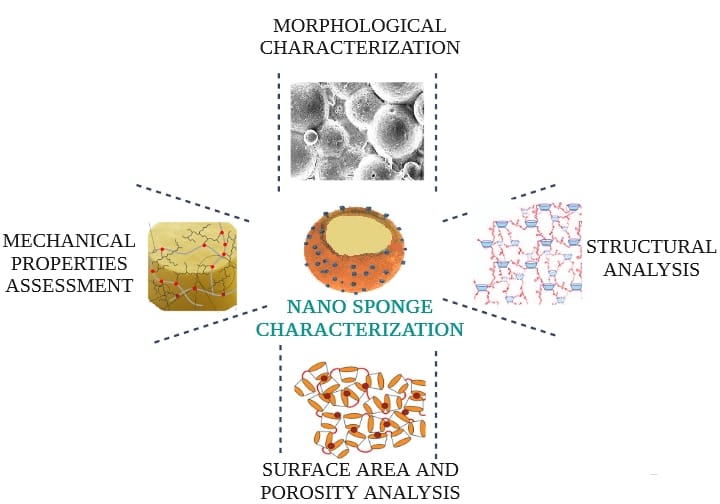
Fig. 1: Types of characterization involved in nano-sponges
Morphological characterizations
The fact that there is a tangential approach of morphological characterizations enables features such as structural properties being taken into account in understanding how henceforth they perform in a number of applications. The experimental techniques widely used include SEM and TEM that are applied for observing the morphology of nanowebs at different order of magnifications. SEM offers details on both surface morphology and topography and is an essential information source for pore structures, surface roughness, and overall particle morphology. TEM is a technique that provides higher spatial resolution, giving an opportunity to visualize internal structures with a high degree of detail, thus, letting one see even individual nanoparticles and pores [34]. Being able to apply such techniques enables the quantification of these pores, allowing for the determination of sizes, shapes and distributions, key factors in determining adsorption capacities, drug loading efficacy and structural integrity of nano-sponges. Along with that, AFM may be used for researching NSs s in a nanoscale order. This would result in knowing surface roughness, rigidity, and interactions between material as well [35]. Employing an interconnected web of these morphological characterization techniques can allow experts to obtain thorough structural information on NSs, giving their optimization for specific uses in areas such as drug delivery, environmental remediation, and catalysis.
Structural analysis
Structural analysis techniques are the cornerstone for uncovering the structure composition, crystallinity included, and chemical bonding inside NSs, which could help the understanding of the properties and behaviour of these sponges. X-ray diffraction (XRD) represents an advanced method that enables to investigate crystalline nature of the NSs with a focus on the phase crystal, lattice parameters and the size of crystallites [36]. They send diffraction patterns for analysing, which may give information about the degree of crystallinity and phase purity of NSs resulting in the characterization of their mechanical, thermal, and catalytic properties. FTIR along with the Fourier-transform, is the most commonly used approach for structural analysis as it allows assessing the presence of chemical groups and bonds present in NSs [37].
The FTIR spectrum represents molecular vibrations, providing information on molecule adsorption onto the substrate's surface, chemical modifications, and interactions with other molecules or substrates. Above all, Nuclear magnetic resonance spectroscopy (e. g., solid-state NMR) will permit one to understand the local environments of atoms within NSs, thus, we will have more details regarding their chemical composition and connectivity [38]. These structural analysis techniques, together with morphological characterization methods, are critical and the grain absorption of NSs structures understanding and which in turn assist in designing and improving them for different applications like drug delivery, catalysis and environmental remediation.
Surface area and porosity analysis
The surface area and porosity investigation is a crucial aspect of the nano sponges' characterization, because they immediately affect the NSs ' productivity; increase drug loading efficiency, and performance in various apps. BET analysis is the most widely accepted method for the determination of the overall surface area of NSs based on measuring nitrogen adsorption-desorption isotherms [39]. This method supply essential data about accessible surface area history, such as adsorbate or drug bindings. Further, it is possible to use this information to determine the distribution size of pores and the total amount of pores by using adsorption isotherms from the results. This offers an insight into the porosity of NSs [40]. Another important operation for porosity analysis consists ofMIP, as it works under controlled pressure. MIP is designed to analyze the porosity distribution gates, total pore volume, and pore interconnectivity in the case of a nanoscaffold [41]. In tandem, BET assessment and MIP allow a proper knowledge of the area and pore size parameters of NSs, which enables researchers to customize those characteristics to fit current goals in gas adsorption, investigations on catalysis, and drug delivery. The result of the optimization of surface area and porosity properties leads to NSs engineered for the optimal reaction ability and high performance in many spheres of application.
Mechanical properties assessment
Mechanical properties evaluation is crucial to determine the structural integrity and performance of NSs in applications, in which they need to have mechanical stability and toughness. AFM is an exquisite method that can characterize NSs mechanical properties at nano meter level resolution. With the help of a sharp tip acted upon the NSs surface, AFM can work out parameters such as surface roughness, elasticity, adhesion and indentation modulus [42]. These readings give the information on the elasticity, plasticity, and shape dispersion of NSs at constant forces. As well as this, the nanoindentation technique is widely applied to evaluate the mechanical parameters of NSs, whereby a blunted tip is pressed into a specimen surface to obtain its hardness, modulus of elasticity, and toughness [43]. Nanoindentation provides for an accurate control over the depth and the quantity of applied force and provides the researchers with the possibility to characterize the response of NSs under controlled conditions. By combining two techniques, AFM and nano indentation, researchers can achieve comprehensive analysis of mechanical properties of NSs, which form the basis for their design and optimization for biomedical applications such as tissue engineering scaffolds, drug delivery carriers or membranes for filtration [44]. It is crucial to have a clear picture of the mechanical behaviour of NSs so that they can enjoy stability and reliability in practical applications; thereby, they will have a chance to be employed in many fields in the future.
Recent advances in functionalization
Recent advances in functionalization have contributed greatly to the potential and diversity of NSs, wherein these nanomaterials can be tailored with expertise on features such as their physical properties for a multitude of application purposes. Surface functionalization techniques have developed from simple covalent bonding into new methods like non-covalent interactions and self-assembly techniques [45]. The covalent functionalization enables the insertion of functional groups or molecules onto the sponge surfaces through the bonds of chemical reactions, which lead to the designed surface chemistry and further strengthened binding ability with the target molecules or substrates [46]. While non-covalent functionalization, however, employs weak interactions such as electrostatic forces, hydrogen bonds, or π-π stacking to attach molecules to NSs surfaces, binding is reversible and different modes of surface modification could emerge [47]. Self-assembly techniques embracing the layer-by-layer method and supramolecular assembly make use of spontaneous organization processes in order to develop NSs featuring well-coordinated responses to stimuli and release, sensing capacities, among others [48]. In addition to recent functionalization developments, researchers have also strived to create NSs formulations that are stable, biocompatible, and stimuli responsive, and expand the applicability in the field of drug delivery, diagnosis, imaging, and even cellular engineering among others as shown in fig. 2 Another meaningful avenue of NNs development involves the creation of multifunctional NSs with combined therapeutic and diagnostic capabilities. These NSs will provide synergistic effects besides an individualized treatment program.
Table 2: Recent advances in functionalization strategies for nano sponges
| Functionalization strategy | Description | Example | References |
| Surface Functionalization | Chemical reactions used to amend the NSs ’ surface, which improves their properties | PEGylation to enhance circulation time and reduce immunogenicity | [49] |
| Targeted Functional Groups | improves specificity, increases therapeutic efficiency and also minimizes off-target effects | Specify functional groups used for ligand attachment to enhance targeted delivery. | [50] |
| Molecular imprinting | Selective binding for the target molecule and increase selecting drug release | Imprinting with tetracycline for targeted antibiotic delivery. | [51] |
| Cross-linking modifications | Increase Structural integrity and porosity control | For structural stability, carbodiimide or glutaraldehyde are used. | [52] |
| Supramolecule functionalized | Enhance guest encapsulation and controlled release | Cyclodextrin-based NSs functionalized via interaction with doxorubicin | [52] |
| Hybrid Functionalization | Synergistic properties and tunable pore size and enhance multifunction and targeting. | Silica-coated cyclodextrin nano sponge loaded with gold nanoparticles. | [53] |
| Bio compatibility Discussion | Support clinical relevance and demonstrate the safety of nano sponge | Cytotoxicity assay on human cell lines and animal modals. | [53] |
| Stimuli-responsive systems | Promotes future clinical translation, demonstrates therapeutic relevance, and advances practical comprehension. | pH-triggered Drug Release in Tumor Microenvironment | [54] |
| Functionalization strategies | Optimizes drug loading and release, makes targeted delivery possible, increases biocompatibility, and adds stimuli-responsiveness. | NSs coupled with folic acid to target cancer cells | [54] |
| Ligand-based Targeting | Reduce off-target effects | Folic acid functionalized NSs | [54] |
| PEGylation | Increase biocompatibility and improve pharmacokinetics | PEG-modified cyclodextrin NSs | [54] |
Surface functionalization strategies
The surface functionalization strategy is the key technique to the design of NSs that are capable of different features and more tasks. Covalent functionalization is the most popular approach that employs the procedure of chemical attachment of molecules or functional groups on the surface of NSs [55]. Thus, this control provides managers to introduce suitable properties like enhanced biocompatibility, targeted delivery, and or prolonged lifespan in their products. Rather than electing to covalent bonding, non-covalent functionalization depends on weak interactions, including electrostatic forces, hydrogen bonds, or hydrophobic interactions to fix the molecules on sponge surfaces [56]. Besides these advantages, this design concept is simple, reversible, and versatile, thereby it is applicable for various applications where dynamism and responsive behaviour are needed. Besides, self-assembly techniques help integrate chemical substances into the nanospheres in a spontaneous way, which makes advanced functionalities manifest, such as controlled delivery, detection or adjustment responsiveness.
Therefore, NSs surface functionalization has been categorized to base on the applications and the outcomes. On the other hand, drug delivery applications may involve breaking down a surface into various functionalities, such as improving biocompatibility, facilitating the targeted delivery, and promoting cellular uptake [57]. Apart from decorating the sponge surface with the targets, such as antibodies or peptides, the conjugation may also be necessary to obtain desired cell recognition and binding inside the body. Surface modification techniques ensuing in elevation of adsorption capacity, selectivity or durability of the remediation process are among the most frequently employed strategies in environmental remediation [58]. One of the considerable merits of the NSs is its ability to attach hydroxyl, carboxyl, or amine groups at the nano surface to enhance possible reactions with the pollutants or contaminants in water and air [59]. Moreover, it is possible to adjust the surface functionalization strategies and impart responsivity to environmental cues, including pH, temperature, or light as well, which allows for the pulsatile release or modulation of sponge properties under controlled conditions [60].
Targeted functional groups
Functional groups which are based on different needs can be replaced to allow customizable applications and properties of the NSs. For example, biomedical applications, ligands like peptides, antibodies or aptamers are attached onto the surface of NSs, which improves the merits of targeted drug delivery and specific recognition of the diseased cells and tissues [61]. These ligands bind to specific receptors located on the surface of cells making therapeutic agents to enter into the cell and avoid nonspecific damage. Besides, NSs can be chemically modified with functional groups like amino, carboxylic, or hydroxyl groups to improve the biocompatibility, the cellular adhesion of the materials or make the surfaces of the materials eligible to be decorated with biological molecules for tissue engineering [62]. NSs surfaces would be functional groups like sulfonic acid, amino or thiol adsorption areas to whose higher sorption capacity, technology, the level of selecting period pollutants or contaminations in water or air would be improved. The particular functional groups involved in these cases are able to carry out fast purification of target pollutants through the chemical reactions, which can occur via ion exchange, coordination or hydrogen bonds [63].
The choice of the targeted functional groups for NSs is mainly determined by the desired interactions with the surrounding environment, or external substrates, or the target substrates. As an example, regulatory groups like metal complexes or catalytic sites on NSs surface can be used to trigger catalytic reactions. These functional groups are engaged in the chemical transformation, thereby increasing their active nature, selectivity, and efficiency [64]. Regarding the sensing applications, the functional groups with even high affinity in the direction of the target analytes, such as recognition motifs or receptor molecules, are introduced on the surface of the NSs to enable sensitive and selective detection, respectively. Such an approach prompts the creation of nano sensor arrays suitable for sensing of broad range of analytes, such as gases, biomolecules, or environmental pollutants, with greatest sensitivity and selectivity. Furthermore, the chemically functionalization of NSs using pH-sensitive or temperature-responsive moieties is among the techniques that leads to the capability to control their properties or functions upon change to the external stimuli [65]. This property of compressed responsiveness could be used for controlled release applications, where the sponge is designed to release therapeutic agents or cargo in a triggered way, therefore avoiding side effects and enhancing efficacy. The strategical functionalizing the targeted groups onto the NSs will tune the properties and behaviour for effective remediating and environmental monitoring through customizing the solutions to combat various challenges arising from healthcare to the environmental monitoring and to beyond catalysis [66].
Enhancing stability and biocompatibility
Stability and biocompatibility are key factors of NSs that have to be improved in order to contribute convincingly to biomedical and environmental problems, where such properties are of essential importance. Several approaches for the aim of strengthening durability and biocompatibility of NSs have been devised. Surface modifications, PEGylation (the attachment of polyethylene glycol) being an example, can be used to encase the surface of NSs from nonspecific interactions with different proteins and cells in order to minimize immunogenicity and to prolong the circulatory time of the nanofiber in the body [67]. Besides that, the NSs surface may have coatings or polymers that are biocompatible, providing the sponge with a shield that protects it from destruction and, therefore, a better biocompatibility with the biological environment. For example, the bio-inspired development of NSs can incorporate naturally derived or biocompatible material like chitosan, alginate, or silk fibroin, which will increase biocompatibility and reduce in vivo toxicity [68]. Besides, the optimization of the synthesis parameters and purification methods can be the way to produce NSs with high stability and purity has dramatic toxic side effects and inflammatory reactions. Besides that, stimuli-responsive materials embedded into NSs medicine would enable drug release to be controlled in accordance to specific physiological indicators which, in turn, would increase the overall therapeutic efficacy and prevent off-target effects [69].
Similarly to a surface modification and the selection of biocompatible materials, structural design of NSs also can contribute to the stability and biocompatibility. Techniques like crosslinking or adding reinforcement of matrix can improve the mechanical strength and resistance to degradation and therefore the stability in physiological conditions or in terms of environmental ones [70]. Linking agents, like glutaraldehyde or genipin, can create covalent bonds between polymer chains within the NSs, resulting in a more reinforced network that resists mechanical stress forces or breakdown by enzymes [71]. Furthermore, incorporating nanoparticles or reinforcing agents, like silica or carbon nanotubes, into the NSs matrix can make the mechanical properties better but will not decrease the biocompatibility of that material [72]. In addition to improving stability, these reinforcement methods also prevent the nanoparticles from leaching, which means that NSs will be safely suitable for biomedical uses. The emergence of dual-or multifunctional NSs with ability to carry out both drug delivery, imaging and therapeutic functions concurrently can improve the medical procedures, simplify the interventions and reducing patient’s suffering so much [73]. The inclusion of these advanced strategies during the design and synthesis of NSs will face the stability and biocompatibility issues and, consequently, create the basis for such NSs to be widely applied in clinical work and environmental cleanup.
Applications of nano sponge technology
The NSs technology opens various options for use in different fields including medicine, food, water, and environment applications based on its advantageous properties and multiple functions as shown in (table 3) NSs are capable of addressing the problem of drug therapy as intervening agents which serve the purpose of getting the therapeutic agents specifically to where they are needed for targeted delivery, controlled release, and increased bioavailability of the drugs. Their porous structures offer greater drug loading capacity, but the surface functionalization facilitates more specific targeting of diseased tissues or cells, yet is effective by reducing side effects and enhancing therapy outcomes [74]. NSs also find usage in environmental protection, where they bring a very high sorption capacity for pollutants in water or the atmosphere. They also consist of a layered structure that results in such properties as a huge surface area and versatile pore size. Therefore, they can attract and filter heavy metal, chemical pollution and microbiological pollutants that help to clean up water sources and combat the problems of the environment. NSs contribute to a very important process known as catalysis, but they also enhance the capacity of various reactions in a cost-effective manner [75]. The high surface area and porousness with the designed chemical surface help to fix catalytic species that lead to gaining high ranking, selectivity, and recyclability of catalytic materials. In addition to this, NSs can find their application in areas of sensing, energy storage, tissue engineering, and biomedical imaging, making them clear as multi-purpose tools which can leave a mark all over industries.
Table 3: Applications of nano sponge technology
| Application | Description | Quantitative data | Application type | References |
| Drug Delivery Systems | NSs make the treatment method for controlled release and targeted delivery of active substances feasible. | Within 24 h, 80% of the oxorubicin was released from β-cyclodextrin NSs loaded with it (Khalid et al., 2019). | Controlled release and targeted delivery | [76] |
| Environmental Remediation | Owing to their excellent adsorption ability to pollutants as well as contaminants in air, water, and soil. | 95% of the Pb2+in tainted water was eliminated in 30 min by cyclodextrin NSs (Seth et al., 2020). | Adsorption-based pollutants removal | [77] |
| Biomedical Applications | Used for diagnosis, regenerative medicine, gene therapy, immunotherapy, and biosensors. | Multifunctional Therapeutic delivery |
[78] | |
| Catalysis and Sensing | To be used in catalytic reactions and sensor platforms for detection of analytes in biomedical and environmental samples. | Activity of immobilized lipase on NSs increased by 2.5 times, and it was reused for five cycles (Zhou et al., 2022) | NSs-based enzymes carrier | [79] |
| Gas storage | Industrial gas adsorption as a result of the large surface area | Polyurethane NSs captured 115 mg/g CO₂ under ambient conditions (Ali et al., 2021) | Polyurethane-based NSs | [80] |
| Blood-Brain Barrier Penetration | Improve brain delivery via oral NSs system. | brain curcumin content that is five times higher than that of a generic medication | Oral NSs-based delivery system | [81] |
| Sensing and Diagnostics | Analyte detection with high sensitivity and selectivity | Glucose detection limit down to 0.1μM using molecularly imprinted NSs (Patel et al., 2022) | Analyte detection (Glucose detection) | [82] |
Drug delivery systems
NSs in drug delivery are a potential tool that has been shown to improve both the efficacy and the safety of therapeutic drugs and increase their targeted delivery. While NSs appear to be promising due to their porous structures and high surface area, the benefits associated with them include-increased drug loading capacity, protection of encapsulated drugs from degradation, and controlled release kinetics [83]. Constraining drugs inside their porous cores assures that they will not degrade too soon before they reach the bloodstream, thus leading to better stability and bio-availability of them. The molecular structure of NSs readily allows for drugs to be specifically targeted to diseased cells while reducing generalized undesirable effects in the body, thus achieving the highest efficiency in the selected therapy [84]. Although it could be developed into NSs with the ability to respond to external stimuli, which could be the acidity, temperature, or enzymes' activities, it would lead to the spatiotemporal control of the release and the minimization of the off-target effects. The fact that NSs can be made with a variety of drug molecules is a significant advantage. In this way, we can include both hydrophilic and hydrophobic drugs, as well as peptides and nucleic acids, and have great varieties in formulation design [85]. NSs drug delivery systems have a great promise to revolutionize the drug delivery field by tackling the challenges including solubility of drugs, stability of drugs, and targeting with providing ways to personalized and precise medicine approaches as shown as fig. 2 NSs-based drug delivery systems possess many merits compared to old-fashioned pharmaceutical delivery techniques, which include the ability to pass attached barriers, for example, blood-brain barrier, and provide the drugs to hard-to-reach locations. They are small in size so they can cross biological barriers more successfully, which accelerates the creating of drug delivery systems to specific tissues or organs in the body, including the brain for neurological disorders. Furthermore, NSs are able to be designed so as to circulate well in blood for long time, reducing the frequency of dosage and avoiding noncompliance in patients [86].
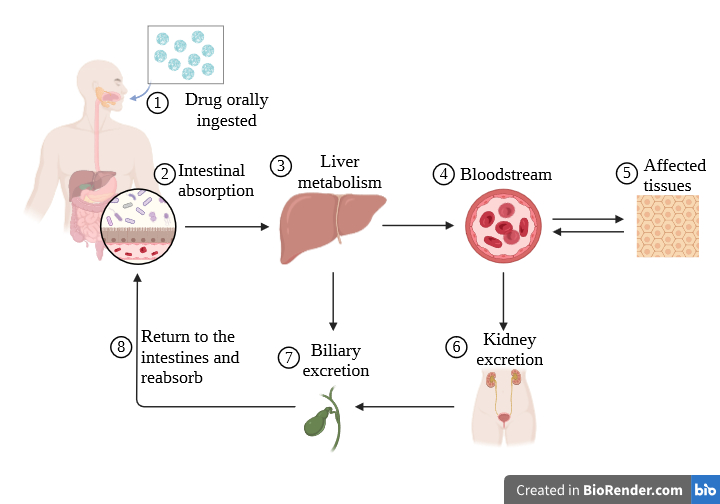
Fig. 2: Drug release and absorption dynamics of orally ingested nano sponges
Environmental remediation
The NSs technology can very well be a solution for the remediation of the environment because of its efficient and multiple features useful in the removal of pollutants, by-products, and contaminants from the air, water, and soil. NSs with their optimal surface area, tuneable pores’ sizes, and controllable surface chemistry, serve as high-efficiency adsorbents for many different pollutants, including heavy metals, organic pollutants, and emerging contaminants [87]. The application of NSs in the water remediation environment is highly productive. These sponges capture pollutants by using physical adsorption mechanisms, chemical bonding, and ion exchange processes, thus improving water quality and ensuring public health. Furthermore, by designing and using nano–sponges–based adsorbents that can be made specific to particular pollutants while almost eliminating the harm to useful species, safe and environment-friendly remediation technologies are offered. NSs serve as the capture of airborne pollutants, for example, volatile organic compounds (VOCs), particulate matter and gasses by either adsorption or filtration process. This in turn makes the atmosphere healthier and the humans well [88]. Also, NSs sbased materials can be designed to break down or neutralize pollutants through catalytic or photocatalytic reactions, leading to new treatment technologies. This will be beneficial in breaking the untreatable contaminants. NSs materials can be used in a variety of scenarios for the in-situ remediation of contaminated soils and eventually hinder the extension of migrating contaminants and environmental risks [89].
Moreover, the deployability of NSs for environmental remediation offers much broader options beyond conventional pollutants to handle the latest contaminants, i. e., medicines, personal care products, and microplastics that are present in large amounts and can degrade the ecosystem. NSs are functionalized with selective binding sites or by tuning the surface chemistry, respectively, in order to capture the substances of emerging contaminants, thus minimizing contamination and ensuring ecological integrity [90]. NSs based materials can be inserted into water treatment plants, industrial processes and contaminated sites where to improve the rate of pollutant conversion and minimize their output to the environment.
Biomedical applications
The NSs technology is of great importance due to its multitude of uses in biomedical advances, and this provides practitioners with innovative solutions that can assist in addressing the problems associated with drug delivery, diagnostics, tissue engineering, and regenerative medicine. NSs operate as a multitasking tool for drug delivery, providing an environment for drugs safe storage, protection, and slow but controlled release to specific cells or tissues. Their cell-like structures, with stimulation controls that are rigorous, and the possibility of targeting agents to the required destinations lead to better drug efficacy and less harm [91]. With the features of NSs-based drug delivery systems integrated into them, targeted delivery can break through biological barriers, including the blood-brain barrier, and reach the central nervous system to curb the development of neurological disorders. A large list of applications for NSs in biomedicine is to do with biomedical imaging, where they can be modified with imaging agents such as fluorescent dyes and contrast agents to monitor, in real-time, the progression of the disease or the therapeutic outcome. The fact that a NSs based scaffold will be offering promising grounds for tissue engineering and regenerative medicine as well cannot be denied due to its 3D environment, which Favors cell growth, multiplication, and differentiation [92]. The biocompatibility, tunability, and the fact that scaffolds canmimic the extracellular matrix make them recommendable for the restoration and repair of various tissues and organs. Besides drug delivery, diagnostics, and tissue engineering, NSs can be used in other medical areas, such as biomedical research in health care. The application of NSs is for the delivery of nucleic acids, like DNA or RNA, to be fit for gene therapies in cases of the genetic disorder, cancer, or infectious disease [93] The capability of these vectors to stabilize nucleic acids from degradation and carry the therapeutic agents to desired cell sites or tissues is a major advantage that may help in resolving issues stemming from conventional gene delivery vectors.
Furthermore, NSs can be rationally designed for vaccine adjutancy or in the regulation of an immune response for diseases such as autoimmunity or inflammatory conditions. Such nanocarriers may be used to sequester the immune mediators or deliver immunomodulatory agents to the target cells, allowing better customized immunotherapy with reduced and decreased toxicity profiles and improved effectiveness. Besides this, NSs based biosensors and diagnostic platforms built for rapid and sensitive detection of biomarkers play a vital role in the treatment of cancer, cardiovascular disorders, and infections. Their high surface chemistry, surface tailoring, and compatibility with detection platforms from different modalities open up possibilities for the detection of diseases early, getting of prognosis, and tracking of treatment outcomes [94]. Furthermore, NSs-based systems have advanced gas delivery systems that can be used for the delivery of therapeutic gases, including nitric oxide and carbon monoxide which are used to treat respiratory, wound healing and cardiovascular diseases. As shown Table: 4 CRLX101 (IT-101)-A cancer nanomedicine combining a cyclodextrin-based polymer with the chemotherapeutic drug camptothecin, successfully advanced through Phase 1/2a human trials targeting solid tumors.
RBC-Derived Nano sponge-like Systems: These are erythrocyte membrane-coated nanoparticles (a biomimetic NSs variant) currently in clinical trials, such as EryDex for ataxia-telangiectasia and GR-ASPA for leukaemia [100,101].
The impressive bioencapsulation capabilities, combined with highly precise gas delivery release kinetics, create new avenues for treating various diseases.
Table 4: Application types of clinical trials
| Product | Type of nano sponge | Applications | Clinical status | References |
| CRLX101 (IT-101) | Cyclodextrin-based polymer–camptothecin conjugate | Advanced solid tumors (cancer chemotherapy | Completed Phase 1/2a trials in humans | [100] |
| RBC-derived membrane-coated nanoparticles | Erythrocyte membrane-coated nanocarriers | Ataxia-telangiectasia, acute lymphoblastic leukemia | Ongoing clinical trials (e. g. EryDex, GR-ASPA | [101] |
Catalysis and sensing
In recent years, NSs technology has been discovered as a potential catalysation and sensing platform with the use of NSs unique properties in enhancing catalytic efficacy and sensitivity of the chemical reactions and sensing processes. Catalysis is supported by NSs as the highly advantageous top decks for catalytic compounds that come with high surface area, manageable pore sizes and customizable surface chemistry to effectively immobilize and stabilize catalysts [95]. Their porous structures allow diffusion of reactants to active sites that accelerate the reactions while maintaining good selectivity for the products and reuse of catalysts. NSs play a role as a catalyst in many chemical reactions that include synthesis of organics, environmental purification and green energy conversion offering a sustainable and ecologically friendly substitution of the other catalysts. NSs serve as the sensor holder for sensitive and specific analyte detection in intricate bio samples and environmental media. NSs employed in this endeavour are additionally equipped with selective binding elements or sensing molecules, which make it possible to selectively identify target analytes such as biomolecules, pollutants, and gases with high sensitivity and specificity [96]. Their unique feature such as large surface area-to-volume ratio and customizable surface chemistry, and their versatility with different detection modalities, make of them a favourite platform for developing high-tech sensors for the healthcare, environment monitoring, and industrial applications.
In addition, NSs hold a great deal of potential as a catalyst and sensors which can perform incredibly better than conventional methods. Through observation, NSs (under the umbrella of catalysis) furnish a steady and well-adjusted location for catalytic reactions which is involved in higher catalytic activity and selectivity. These membrane systems feature a filtration mechanism that makes them able to self-adjust the pore size and the chemical make-up of the surface, making interactions between the catalyst and the substrate more controllable, thus leading to enhanced efficiency of the catalytic conversion. Nanomagnets as green catalysts is a viable alternative to the conventional methods of catalysis as it work well under mild reaction conditions, cutting energy consumption and waste emission. From this viewpoint, the NSs-based catalysis is considered clean as well as friendly for industrial activities at large scale [97]. NSs can capture analytes very rapidly with a high degree of sensitivity and low detection limit so they can be considered efficient nano sensors for the detection of analytes that are present at a trace level in complex samples. The versatility of the molecules derived from platinum, gold, and silver, making them align with the electrochemical, optical, and mass spectrometry methods, proves them to be useful analytical tools in politics of different areas.
Despite various technological advancements, NSs technology is indeed capable of fulfilling several applications and different prospects. However, numerous questions remain unanswered and need to be addressed to fully realize the technology potential and to make it more accessible. The large-scale production of NSs that have the same properties is another issue because developing the approaches that make it possible to create such a nanomaterial while maintaining its repeatability in large volumes remains still a challenge. Besides the stability of NSs under in vivo/in vitro conditions as well as in various biological environments, where it should persist and remain effective for a long time, it also needs to be assessed with regard to its long-term safety in biomedical applications [98]. Moreover, in addition to that, the biocompatibility and biodegradability of NSs need to be studied carefully in order to avoid any toxicity-related concerns and also to ensure their potentially acceptable level to biological systems. Moreover, it is of most import to establish reliable and highly selective functionalization methods for NSs to adjust the unique properties of the material to heterogeneous purposes and to overcome any issues related to the low performance of the NSs [99]. The NSs leading-edge and practical device systems integration becomes possible through an interdisciplinary workforce and the development of testing, characterization, and standardized protocols to regulate approvals [100]. Notwithstanding the challenges mentioned, the future of NSs technology looks encouraging with the continuing research carry out to solve these problems and to investigate the new paths to use this technology in various applications such as environmental remediation, catalysis, healthcare, and sensing. [103]. Through the understanding and overcoming of the challenges, while making advantageous use of advancements in materials science, nanotechnology, and biotechnology, NSs can push towards the transformation of many industries in the health lineup, sustainability and environment as they assist in the resolution of global challenges. [104]. Recent advancements in NSs technology have focused not only on refining synthesis methods and enhancing surface functionalization, but also on improving the precision, efficiency, and adaptability of these materials. Techniques such as molecular imprinting, click chemistry, and surface grafting have significantly expanded the functional capabilities of NSs in targeted drug delivery and environmental cleanup [103]. In addition to these chemical and material innovations, emerging computational and fabrication techniques are beginning to transform the field. Artificial Intelligence (AI) and Machine Learning (ML) are being explored for their potential in predictive NSs design, allowing for the simulation and optimization of host–guest interactions, structural parameters, and drug-loading efficiencies before experimental validation. 3D printing technologies also offer a promising route for fabricating customized Nano sponge architectures, enabling precise control over porosity, shape, and functionality [102, 105].
These developments mark a Remarkable shift toward intelligent, data-oriented and scalable NSs engineering, positioning the field for more efficient translation into industrial and clinical applications.
CONCLUSION
NSs technology is an emerging field with immense potential across healthcare, environmental, and industrial sectors. Comprising polymeric, inorganic, or hybrid materials, NSs feature a high surface area, tunable pore size, and modifiable surfaces, making them suitable for applications such as drug delivery, catalysis, sensing, and pollutant removal. Recent innovations have led to the development of smart and multifunctional nanosponges, enhancing their efficiency and adaptability. Hybrid NSs in particular allow the integration of therapeutic and imaging agents within a single matrix, enabling simultaneous drug delivery and real-time diagnostic tracking, a key advancement toward personalized medicine. Furthermore, (AI) and ML are increasingly used to design and optimize NSs structures and drug-loading capacities, significantly accelerating research and development. 3D printing technologies also contribute by fabricating precise NSs architectures with controlled porosity and geometry tailored for specific uses. Despite ongoing challenges in scalability, stability, and regulatory standardization, the convergence of nanotechnology, computational modeling, and advanced manufacturing techniques continues to drive progress in this field. NSs technology is thus positioned as a transformative platform for developing efficient, customized, and sustainable solutions in biomedical and environmental applications.
ACKNOWLEDGMENT
Authors conveyed thanks to Mr. Jitender Joshi, Chancellor, and Prof. (Dr.) Dharam Buddhi, Vice Chancellor of Uttaranchal University-Dehradun for encouraging the work.
FUNDING
The authors received no financial support for the research, authorship, and/or publication of this article.
AUTHORS CONTRIBUTIONS
Conceptualization, writing, Methodology, data collection-Deepika, Supervision and formatting-Yogita Tyagi, Review and editing-Srishti Morris, Investigation-arti kori
CONFLICT OF INTERESTS
Declared none
REFERENCES
El-assal MI. Nano-sponge novel drug delivery system as carrier of anti-hypertensive drug. Int J Pharm Pharm Sci. 2019 Oct 1;11(10):47-63. doi: 10.22159/ijpps.2019v11i10.34812.
Zhang H, Jin Y, Chi C, Han G, Jiang W, Wang Z. Sponge particulates for biomedical applications: biofunctionalization, multi-drug shielding and theranostic applications. Biomaterials. 2021;273:120824. doi: 10.1016/j.biomaterials.2021.120824, PMID 33894401.
Furtado D, Bjornmalm M, Ayton S, Bush AI, Kempe K, Caruso F. Overcoming the blood–brain barrier: the role of nanomaterials in treating neurological diseases. Adv Mater. 2018 Nov;30(46):e1801362. doi: 10.1002/adma.201801362, PMID 30066406.
Krabicova I, Appleton SL, Tannous M, Hoti G, Caldera F, Rubin Pedrazzo A. History of cyclodextrin nanosponges. Polymers. 2020 May 14;12(5):1122. doi: 10.3390/polym12051122, PMID 32423091.
Xu T, Zheng F, Chen Z, Ding Y, Liang Z, Liu Y. Halloysite nanotubes sponges with skeletons made of electrospun nanofibers as innovative dye adsorbent and catalyst support. Chem Eng J. 2019 Mar 15;360:280-8. doi: 10.1016/j.cej.2018.11.233.
Wang C, Wang M, Liu L, Huang Y. 3D porous sponge-inspired electrode for high energy and high-power zinc-ion batteries. ACS Appl Energy Mater. 2021 Feb 2;4(2):1833-9. doi: 10.1021/acsaem.0c02945.
Pandey P, Purohit D, Dureja H. Nanosponges a promising novel drug delivery system. Recent Pat Nanotechnol. 2018 Dec 1;12(3):180-91. doi: 10.2174/1872210512666180925102842, PMID 30251614.
Sadhasivam J, Sugumaran A, Narayanaswamy D. Nano sponges: a potential drug delivery approach. Res J Pharm Technol. 2020 Jul 1;13(7):3442-8. doi: 10.5958/0974-360X.2020.00611.3.
Alshangiti DM, El-Damhougy TK, Zaher A, Madani M, Mohamady Ghobashy M. Revolutionizing biomedicine: advancements applications and prospects of nanocomposite macromolecular carbohydrate-based hydrogel biomaterials: a review. RSC Adv. 2023;13(50):35251-91. doi: 10.1039/D3RA07391B, PMID 38053691.
Ur Rahim H, Qaswar M, Uddin M, Giannini C, Herrera ML, Rea G. Nano-enable materials promoting sustainability and resilience in modern agriculture. Nanomaterials (Basel). 2021 Aug 15;11(8):2068. doi: 10.3390/nano11082068, PMID 34443899.
Singh G, Ramadass K, Sooriyakumar P, Hettithanthri O, Vithange M, Bolan N. Nanoporous materials for pesticide formulation and delivery in the agricultural sector. J Control Release. 2022 Mar 1;343:187-206. doi: 10.1016/j.jconrel.2022.01.036, PMID 35090962.
Wu D, Xu F, Sun B, Fu R, He H, Matyjaszewski K. Design and preparation of porous polymers. Chem Rev. 2012 Jul 11;112(7):3959-4015. doi: 10.1021/cr200440z, PMID 22594539.
Owens GJ, Singh RK, Foroutan F, Alqaysi M, Han CM, Mahapatra C. Sol–gel based materials for biomedical applications. Prog Mater Sci. 2016 Apr 1;77:1-79. doi: 10.1016/j.pmatsci.2015.12.001.
Abu Thabit NY, Uwaezuoke OJ, Abu Elella MH. Superhydrophobic nanohybrid sponges for separation of oil/water mixtures. Chemosphere. 2022 May 1;294:133644. doi: 10.1016/j.chemosphere.2022.133644, PMID 35065181.
Qiao ZA, Chai SH, Nelson K, Bi Z, Chen J, Mahurin SM. Polymeric molecular sieve membranes via in situ cross-linking of non-porous polymer membrane templates. Nat Commun. 2014 Apr 16;5(1):3705. doi: 10.1038/ncomms4705, PMID 24739439.
Esen C, Kumru B. Photocatalyst-incorporated cross-linked porous polymer networks. Ind Eng Chem Res. 2022 Jul 20;61(30):10616-30. doi: 10.1021/acs.iecr.2c01658.
Jiang S, Agarwal S, Greiner A. Low-density open cellular sponges as functional materials. Angew Chem Int Ed Engl. 2017 Dec 4;56(49):15520-38. doi: 10.1002/anie.201700684, PMID 28621026.
Giacomelli C, Schmidt V, Aissou K, Borsali R. Block copolymer systems: from single chain to self-assembled nanostructures. Langmuir. 2010 Oct 19;26(20):15734-44. doi: 10.1021/la100641j, PMID 20364859.
Rechberger F, Niederberger M. Synthesis of aerogels: from molecular routes to 3-dimensional nanoparticle assembly. Nanoscale Horiz. 2016;2(1):6-30. doi: 10.1039/c6nh00077k, PMID 32260673.
Cheng W, Zeng X, Chen H, Li Z, Zeng W, Mei L. Versatile polydopamine platforms: synthesis and promising applications for surface modification and advanced nanomedicine. ACS Nano. 2019 Aug 1;13(8):8537-65. doi: 10.1021/acsnano.9b04436, PMID 31369230.
Yang XY, Chen LH, Li Y, Rooke JC, Sanchez C, Su BL. Hierarchically porous materials: synthesis strategies and structure design. Chem Soc Rev. 2017;46(2):481-558. doi: 10.1039/C6CS00829A, PMID 27906387.
Pavlenko V, Khosravi HS, Zoltowska S, Haruna AB, Zahid M, Mansurov Z. A comprehensive review of template-assisted porous carbons: modern preparation methods and advanced applications. Mater Sci Eng R Rep. 2022;149:100682. doi: 10.1016/j.mser.2022.100682.
Feng L, Wang KY, LV XL, Yan TH, Zhou HC. Hierarchically porous metal–organic frameworks: synthetic strategies and applications. Natl Sci Rev. 2020 Nov;7(11):1743-58. doi: 10.1093/nsr/nwz170, PMID 34691505.
Qiang R, Wei C, Lin L, Deng X, Zheng T, Wang Q. Bioinspired: a 3D vertical silicon sponge-inspired construction of organic–inorganic loose mass transfer nanochannels for enhancing properties of polyimide nanofiltration membranes. Sep Purif Technol. 2021 Mar 15;259:118038. doi: 10.1016/j.seppur.2020.118038.
Bhatt P, Srivastava A, Rana S. Introduction to metal–organic framework sponges and their synthetic and functionalization strategies. In: Gulati S, editor. Nanosponges for environmental remediation. Cham: Springer Nature Switzerland; 2023. p. 187-218. doi: 10.1007/978-3-031-41077-2_9.
Singh R, Prasad A, Kumar B, Kumari S, Sahu RK, Hedau ST. Potential of dual drug delivery systems: MOF as hybrid nanocarrier for dual drug delivery in cancer treatment. Chemistry Select. 2022 Sep 27;7(36):e202201288. doi: 10.1002/slct.202201288.
Yeo LY, Friend JR. Electrospinning carbon nanotube polymer composite nanofibers. J Exp Nanosci. 2006 Jun 1;1(2):177-209. doi: 10.1080/17458080600670015.
Inkson BJ. Scanning electron microscopy (SEM) and transmission electron microscopy (TEM) for materials characterization. In: Materials characterization using nondestructive evaluation (NDE) methods. Elsevier; 2016 Jan 1. p. 17-43. doi: 10.1016/B978-0-08-100040-3.00002-X.
Kumar S, Chandra D, Hazra B, Vishal V, Pathegama Gamage R. Nanopore characteristics of barakar formation shales and their impact on the gas storage potential of korba and raniganj basins in India. Energy Fuels. 2024 Feb 22;38(5):3833-47. doi: 10.1021/acs.energyfuels.3c03374.
Zhang S, Tian H, Tang J, Zhang X. Quantitative characterization of coal shale pores and fractures based on combined high-pressure mercury pressure and low-temperature N2/CO2 adsorption methods. ACS Omega. 2024;9(19):20927-36. doi: 10.1021/acsomega.3c10376, PMID 38764618.
Magazzu A, Marcuello C. Investigation of soft matter nanomechanics by atomic force microscopy and optical tweezers: a comprehensive review. Nanomaterials (Basel). 2023 Mar 7;13(6):963. doi: 10.3390/nano13060963, PMID 36985857.
Li Y, Yang J, Pan Z, Tong W. Nanoscale pore structure and mechanical property analysis of coal: an insight combining AFM and SEM images. Fuel. 2020 Jan 15;260:116352. doi: 10.1016/j.fuel.2019.116352.
Falsafi SR, Rostam Abadi H, Assad Pour E, Jafari SM. Morphology and microstructural analysis of bioactive-loaded micro/nanocarriers via microscopy techniques; CLSM/SEM/TEM/AFM. Adv Colloid Interface Sci. 2020 Jun 1;280:102166. doi: 10.1016/j.cis.2020.102166.
Dorobantu LS, Gray MR. Application of atomic force microscopy in bacterial research. Scanning. 2010 Mar;32(2):74-96. doi: 10.1002/sca.20177, PMID 20695026.
Katea SN, Hajduk S, Orel ZC, Westin G. Low cost fast solution synthesis of 3D framework ZnO nanosponges. Inorg Chem. 2017 Dec 18;56(24):15150-8. doi: 10.1021/acs.inorgchem.7b02459, PMID 29172508.
Bayari SH, Sen EH, Ide S, Topaloglu B. Structural studies on Demospongiae sponges from Gokceada Island in the northern Aegean Sea. Spectrochim Acta A Mol Biomol Spectrosc. 2018 Mar 5;192:368-77. doi: 10.1016/j.saa.2017.11.046, PMID 29179087.
Mazurek AH, Szeleszczuk L. A review of applications of solid-state nuclear magnetic resonance (SSNMR) for the analysis of cyclodextrin-including systems. Int J Mol Sci. 2023 Feb 11;24(4):3648. doi: 10.3390/ijms24043648, PMID 36835054.
Anceschi A, Guerretta F, Magnacca G, Zanetti M, Benzi P, Trotta F. Sustainable N-containing biochars obtained at low temperatures as sorbing materials for environmental application: municipal biowaste-derived substances and nanosponges case studies. J Anal Appl Pyrol. 2018 Sep 1;134:606-13. doi: 10.1016/j.jaap.2018.08.010.
Yousefi N, Wong KK, Hosseinidoust Z, Sorensen HO, Bruns S, Zheng Y. Hierarchically porous ultra-strong reduced graphene oxide-cellulose nanocrystal sponges for exceptional adsorption of water contaminants. Nanoscale. 2018;10(15):7171-84. doi: 10.1039/C7NR09037D, PMID 29620092.
Xu H, Zhou W, Zhang R, Liu S, Zhou Q. Characterizations of pore mineral and petrographic properties of marine shale using multiple techniques and their implications on gas storage capability for Sichuan Longmaxi gas shale field in China. Fuel. 2019 Apr 1;241:360-71. doi: 10.1016/j.fuel.2018.12.035.
Morales Rivas L, Gonzalez Orive A, Garcia Mateo C, Hernandez Creus A, Caballero FG, Vazquez L. Nanomechanical characterization of nanostructured bainitic steel: peak force microscopy and nanoindentation with AFM. Sci Rep. 2015 Nov 25;5(1):17164. doi: 10.1038/srep17164, PMID 26602631.
Ebenstein DM. Nanoindentation of soft tissues and other biological materials. In: Oyen ML, editor. Handbook of nanoindentation with biological applications. Jenny Stanford Publishing; 2019. p. 279-324. doi: 10.1201/9780429111556-9.
Bozorgi A, Khazaei M, Soleimani M, Jamalpoor Z. Application of nanoparticles in bone tissue engineering; a review on the molecular mechanisms driving osteogenesis. Biomater Sci. 2021;9(13):4541-67. doi: 10.1039/D1BM00504A, PMID 34075945.
Azadmanjiri J, Kumar P, Srivastava VK, Sofer Z. Surface functionalization of 2D transition metal oxides and dichalcogenides via covalent and non-covalent bonding for sustainable energy and biomedical applications. ACS Appl Nano Mater. 2020 Mar 17;3(4):3116-43. doi: 10.1021/acsanm.0c00120.
Zhang C, Duan Q, Fan X, Yin M, Hou S, Ye Z. Reversible ligand–receptor interaction-induced “tango”like dancing of nanodisks on living cell membrane. Anal Chem. 2025 Jun 17;97(23):12419-27. doi: 10.1021/acs.analchem.5c02034, PMID 40462603.
Nicolle L, Journot CM, Gerber Lemaire S. Chitosan functionalization: covalent and non-covalent interactions and their characterization. Polymers. 2021 Nov 26;13(23):4118. doi: 10.3390/polym13234118, PMID 34883621.
Gupta D, Varghese BS, Suresh M, Panwar C, Gupta TK. Nanoarchitectonics: functional nanomaterials and nanostructures a review. J Nanopart Res. 2022 Oct;24(10):196. doi: 10.1007/s11051-022-05577-2.
Liu Y, Mo J, Fu Q, Lu Y, Zhang N, Wang S. Enhancement of triboelectric charge density by chemical functionalization. Adv Funct Mater. 2020;30(50):2004714. doi: 10.1002/adfm.202004714.
Ghurghure SM, Pathan MS, Surwase PR. Nanosponges: a novel approach for targeted drug delivery system. Int J Chem Stud. 2018 Nov;2(6):15-23.
Iravani S, Varma RS. Nanosponges for drug delivery and cancer therapy: recent advances. Nanomaterials (Basel). 2022 Jul 16;12(14):2440. doi: 10.3390/nano12142440, PMID 35889665.
Bergal A, Elmas A, Akyuz G. A new type and igclive approach for anticancer drug delivery application: nanosponge. Nano Res Appl. 2019;5(2):3. doi: 10.36648/2471-9838.5.1.43.
Utzeri G, Matias PM, Murtinho D, Valente AJ. Cyclodextrin-based nanosponges: overview and opportunities. Front Chem. 2022 Mar 24;10:859406. doi: 10.3389/fchem.2022.859406, PMID 35402388.
Iravani S, Varma RS. Nanosponges for drug delivery and cancer therapy: recent advances. Nanomaterials (Basel). 2022;12(14):2440. doi: 10.3390/nano12142440, PMID 35889665.
Yap PL, Auyoong YL, Hassan K, Farivar F, Tran DN, Ma J. Multithiol functionalized graphene bio-sponge via photoinitiated thiol-ene click chemistry for efficient heavy metal ions adsorption. Chem Eng J. 2020;395:124965. doi: 10.1016/j.cej.2020.124965.
Maio A, Pibiri I, Morreale M, Mantia FP, Scaffaro R. An overview of functionalized graphene nanomaterials for advanced applications. Nanomaterials (Basel). 2021;11(7):1717. doi: 10.3390/nano11071717, PMID 34209928.
Ma N, Ma C, Li C, Wang T, Tang Y, Wang H. Influence of nanoparticle shape size and surface functionalization on cellular uptake. J Nanosci Nanotechnol. 2013;13(10):6485-98. doi: 10.1166/jnn.2013.7525, PMID 24245105.
Cashin VB, Eldridge DS, Yu A, Zhao D. Surface functionalization and manipulation of mesoporous silica adsorbents for improved removal of pollutants: a review. Environ Sci: Water Res Technol. 2018;4(2):110-28. doi: 10.1039/C7EW00322F.
Carvalho IC, Medeiros Borsagli FG, Mansur AA, Caldeira CL, Haas DJ, Lage AP. 3D sponges of chemically functionalized chitosan for potential environmental pollution remediation: biosorbents for anionic dye adsorption and “antibiotic-free” antibacterial activity. Environ Technol. 2021 Jun 7;42(13):2046-66. doi: 10.1080/09593330.2019.1689302, PMID 31743650.
Skorb EV, Andreeva DV. Surface nanoarchitecture for bio-applications: self-regulating intelligent interfaces. Adv Funct Mater. 2013 Sep 25;23(36):4483-506. doi: 10.1002/adfm.201203884.
Maghsoudnia N, Eftekhari RB, Sohi AN, Zamzami A, Dorkoosh FA. Application of nano-based systems for drug delivery and targeting: a review. J Nanopart Res. 2020 Aug;22(8):1-41. doi: 10.1007/s11051-020-04959-8.
Amani H, Arzaghi H, Bayandori M, Dezfuli AS, Pazoki Toroudi H, Shafiee A. Controlling cell behavior through the design of biomaterial surfaces: a focus on surface modification techniques. Adv Materials Inter. 2019 Jul;6(13):1900572. doi: 10.1002/admi.201900572.
Ahmad SZ, Wan Salleh WN, Ismail AF, Yusof N, Mohd Yusop MZ, Aziz F. Adsorptive removal of heavy metal ions using graphene-based nanomaterials: toxicity roles of functional groups and mechanisms. Chemosphere. 2020;248:126008. doi: 10.1016/j.chemosphere.2020.126008, PMID 32006836.
Centi G, Perathoner S. Creating and mastering nano-objects to design advanced catalytic materials. Coord Chem Rev. 2011 Jul 1;255(13-14):1480-98. doi: 10.1016/j.ccr.2011.01.021.
Murugan B, Sagadevan S, Fatimah I, Oh WC, Motalib Hossain MA, Johan MR. Smart stimuli responsive nanocarriers for the cancer therapy nanomedicine. Nanotechnol Rev. 2021 Aug 30;10(1):933-53. doi: 10.1515/ntrev-2021-0067.
Pramanik PK, Solanki A, Debnath A, Nayyar A, El Sappagh S, Kwak KS. Advancing modern healthcare with nanotechnology nanobiosensors and internet of nano things: taxonomies applications architecture and challenges. IEEE Access. 2020 Apr 3;8:65230-66. doi: 10.1109/ACCESS.2020.2984269.
Houacine C, Yousaf SS, Khan I, Khurana RK, Singh KK. Potential of natural biomaterials in nano-scale drug delivery. Curr Pharm Des. 2018 Dec 1;24(43):5188-206. doi: 10.2174/1381612825666190118153057, PMID 30657035.
Yu C, Li L, Hu P, Yang Y, Wei W, Deng X. Recent advances in stimulus-responsive nanocarriers for gene therapy. Adv Sci (Weinh). 2021 Jul;8(14):2100540. doi: 10.1002/advs.202100540, PMID 34306980.
Khan A, Alamry KA, Asiri AM. Multifunctional biopolymers-based composite materials for biomedical applications: a systematic review. Chemistry Select. 2021 Jan 14;6(2):154-76. doi: 10.1002/slct.202003978.
Alavarse AC, Frachini EC, Da Silva RL, Lima VH, Shavandi A, Petri DF. Crosslinkers for polysaccharides and proteins: synthesis conditions mechanisms and crosslinking efficiency a review. Int J Biol Macromol. 2022 Mar 31;202:558-96. doi: 10.1016/j.ijbiomac.2022.01.029, PMID 35038469.
Arumugam S, Ju Y. Carbon nanotubes reinforced with natural/synthetic polymers to mimic the extracellular matrices of bone a review. Mater Today Chem. 2021 Jun 1;20:100420. doi: 10.1016/j.mtchem.2020.100420.
Nandhini J, Karthikeyan E, Rajeshkumar S. Nanomaterials for wound healing: current status and futuristic frontier. Biomed Technol. 2024 Jun 1;6:26-45. doi: 10.1016/j.bmt.2023.10.001.
Attia MF, Anton N, Wallyn J, Omran Z, Vandamme TF. An overview of active and passive targeting strategies to improve the nanocarriers efficiency to tumour sites. J Pharm Pharmacol. 2019 Aug;71(8):1185-98. doi: 10.1111/jphp.13098, PMID 31049986.
Rabiee N, Iravani S. Nanosponges for hydrogen evolution reaction: current trends and future perspectives. Sustainable Energy Fuels. 2023;7(19):4825-38. doi: 10.1039/D3SE00696D.
Jagtap SR, Bhusnure OG, Mujewar IN, Gholve SB, Panchabai VB. Nanosponges: a novel trend for targeted drug delivery. J Drug Delivery Ther. 2019 May 2;9(3-s):931-8. doi: 10.22270/jddt.v9i3-s.2864.
Leudjo Taka A, Pillay K, Yangkou Mbianda X. Nanosponge cyclodextrin polyurethanes and their modification with nanomaterials for the removal of pollutants from waste water: a review. Carbohydr Polym. 2017;159:94-107. doi: 10.1016/j.carbpol.2016.12.027, PMID 28038758.
Patil Sen Y. Advances in nano-biomaterials and their applications in biomedicine. Emerg Top Life Sci. 2021 May 14;5(1):169-76. doi: 10.1042/ETLS20200333, PMID 33825835.
Fragoso A, Wajs E. Nanosponges in catalysis and sensing. In: Trotta F, Mele A, editors. Nanosponges: synthesis and applications. Chichester: John Wiley & Sons; 2019 Jan 29. p. 263-82. doi: 10.1002/9783527341009.ch9.
Trotta F, Dianzani C, Caldera F, Mognetti B, Cavalli R. The application of nanosponges to cancer drug delivery. Expert Opin Drug Deliv. 2014;11(6):931-41. doi: 10.1517/17425247.2014.911729, PMID 24811423.
Li Z, Wang Y, Ding Y, Repp L, Kwon GS, Hu Q. Cell-based delivery systems: emerging carriers for immunotherapy. Adv Funct Mater. 2021 Jun;31(23):2100088. doi: 10.1002/adfm.202100088.
Reza MS, Afroze S, Kuterbekov K, Kabyshev A, Bekmyrza Zh, Haque MN. Advanced applications of carbonaceous materials in sustainable water treatment energy storage and CO2 capture: a comprehensive review. Sustainability. 2023 May 30;15(11):8815. doi: 10.3390/su15118815.
Osmani RA, Kulkarni P, Manjunatha S, Gowda V, Hani U, Vaghela R. Cyclodextrin nanosponges in drug delivery and nanotherapeutics. In: Dasgupta N, Ranjan S, Lichtfouse E, editors. Environmental nanotechnology. Cham: Springer International Publishing; 2018. p. 279-342. doi: 10.1007/978-3-319-76090-2_9.
Mullick P, R Hegde A, Gopalan D, Pandey A, Nandakumar K, Jain S. Evolving era of “sponges”: nanosponges as a versatile nanocarrier for the effective skin delivery of drugs. Curr Pharm Des. 2022 Jun 1;28(23):1885-96. doi: 10.2174/1381612828666220518090431, PMID 35585809.
Jain KK. Role of nanobiotechnology in drug delivery. Methods Mol Biol. 2020;2059:55-73. doi: 10.1007/978-1-4939-9798-5_2, PMID 31435915.
Peralta ME, Ocampo S, Funes IG, Onaga Medina F, Parolo ME, Carlos L. Nanomaterials with tailored magnetic properties as adsorbents of organic pollutants from wastewaters. Inorganics. 2020 Mar 31;8(4):24. doi: 10.3390/inorganics8040024.
Fameso FO, Ndambuki JM, Kupolati WK, Snyman J. On the development of state-of-the-art computational decision support systems for efficient water quality management: prospects and opportunities in a climate changing world. Air Soil Water Res. 2024;17:11786221241259949. doi: 10.1177/11786221241259949.
David E, Niculescu VC. Volatile organic compounds (VOCs) as environmental pollutants: occurrence and mitigation using nanomaterials. Int J Environ Res Public Health. 2021 Dec 13;18(24):13147. doi: 10.3390/ijerph182413147, PMID 34948756.
Damiri F, Andra S, Kommineni N, Balu SK, Bulusu R, Boseila AA. Recent advances in adsorptive nanocomposite membranes for heavy metals ion removal from contaminated water: a comprehensive review. Materials (Basel). 2022 Aug 5;15(15):5392. doi: 10.3390/ma15155392, PMID 35955327.
Thakur A, Kumar A, Singh A. Adsorptive removal of heavy metals dyes and pharmaceuticals: carbon-based nanomaterials in focus. Carbon. 2024 Jan 25;217:118621. doi: 10.1016/j.carbon.2023.118621.
Baeza A, Ruiz Molina D, Vallet Regi M. Recent advances in porous nanoparticles for drug delivery in antitumoral applications: inorganic nanoparticles and nanoscale metal-organic frameworks. Expert Opin Drug Deliv. 2017 Jun 3;14(6):783-96. doi: 10.1080/17425247.2016.1229298, PMID 27575454.
Chen X, Wu Y, Ranjan VD, Zhang Y. Three dimensional electrical conductive scaffold from biomaterial-based carbon microfiber sponge with bioinspired coating for cell proliferation and differentiation. Carbon. 2018 Aug 1;134:174-82. doi: 10.1016/j.carbon.2018.03.064.
Liu J, Wang Z, Zhao S, Ding B. Multifunctional nucleic acid nanostructures for gene therapies. Nano Res. 2018 Oct;11(10):5017-27. doi: 10.1007/s12274-018-2093-x.
Zhao Z, Wang D, Li Y. Versatile biomimetic nanomedicine for treating cancer and inflammation disease. Med Rev (2021). 2023 Apr 25;3(2):123-51. doi: 10.1515/mr-2022-0046, PMID 37724085.
Gowda BH, Ahmed MG, Almoyad MA, Wahab S, Almalki WH, Kesharwani P. Nanosponges as an emerging platform for cancer treatment and diagnosis. Adv Funct Mater. 2024 Feb;34(7):2307074. doi: 10.1002/adfm.202307074.
Gowda BH, Ahmed MG, Almoyad MA, Wahab S, Almalki WH, Kesharwani P. Nanosponges as an emerging platform for cancer treatment and diagnosis. Adv Funct Mater. 2024 Feb;34(7):2307074. doi: 10.1002/adfm.202307074.
Pooja, Gupta T, Dutt M, Saya L. Introduction to sponge-like functional materials from TEMPO-oxidized cellulose nanofibers. In: Gulati S, editor. Nanosponges for environmental remediation. Cham: Springer Nature Switzerland; 2023. p. 263-90. doi: 10.1007/978-3-031-41077-2_12.
Garg S, Kumar P, Greene GW, Mishra V, Avisar D, Sharma RS. Nano-enabled sensing of per-/poly-fluoroalkyl substances (PFAS) from aqueous systems a review. J Environ Manage. 2022 Apr 15;308:114655. doi: 10.1016/j.jenvman.2022.114655, PMID 35131704.
Hamad HN, Idrus S. Recent developments in the application of bio-waste-derived adsorbents for the removal of methylene blue from wastewater: a review. Polymers. 2022 Feb 17;14(4):783. doi: 10.3390/polym14040783, PMID 35215695.
Swaminathan S, Pastero L, Serpe L, Trotta F, Vavia P, Aquilano D. Cyclodextrin-based nanosponges encapsulating camptothecin: physicochemical characterization stability and cytotoxicity. Eur J Pharm Biopharm. 2010 Feb 1;74(2):193-201. doi: 10.1016/j.ejpb.2009.11.003, PMID 19900544.
Zuhra Z, Ali S, Ali S, Xu H, Wu R, Tang Y. Exceptionally amino-quantitated 3D MOF@CNT-sponge hybrid for efficient and selective recovery of Au(III) and Pd(II). Chem Eng J. 2022 Mar 1;431:133367. doi: 10.1016/j.cej.2021.133367.
Serrano Martinez A, Victoria Montesinos D, Garcia Munoz AM, Hernandez Sanchez P, Lucas Abellan C, Gonzalez Louzao R. A systematic review of clinical trials on the efficacy and safety of CRLX101 cyclodextrin based nanomedicine for cancer treatment. Pharmaceutics. 2023 Jun 26;15(7):1824. doi: 10.3390/pharmaceutics15071824, PMID 37514011.
Vincy A, Mazumder S, Amrita BI, Banerjee I, Hwang KC, Vankayala R. Recent progress in red blood cells-derived particles as novel bioinspired drug delivery systems: challenges and strategies for clinical translation. Front Chem. 2022 Apr 27;10:905256. doi: 10.3389/fchem.2022.905256, PMID 35572105.
Bregoli L, Movia D, Gavigan Imedio JD, Lysaght J, Reynolds J, Prina Mello A. Nanomedicine applied to translational oncology: a future perspective on cancer treatment. Nanomedicine. 2016 Jan 1;12(1):81-103. doi: 10.1016/j.nano.2015.08.006, PMID 26370707.
Sivasankar C, Hewawaduge C, Lee JH. Novel pro and eukaryotic expression plasmid expressing omicron antigens delivered via Salmonella elicited MHC class I and II based protective immunity. J Control Release. 2023 May 1;357:404-16. doi: 10.1016/j.jconrel.2023.04.015, PMID 37044178.
Kumar A. Nanosponges: a novel class of drug delivery system current status and future prospects. Mater Sci Eng C. 2022;132:112506. doi: 10.1016/j.msec.2021.112506.
Tannous M, Trotta F, Cavalli R. Nanosponges for combination drug therapy: state-of-the-art and future directions. Nanomedicine (Lond). 2020 Mar 1;15(7):643-6. doi: 10.2217/nnm-2020-0007, PMID 32077373.
Parisi OI, Dattilo M, Patitucci F. Smart nanosponges for drug delivery: recent developments and future perspectives. J Control Release. 2023;357:25-40. doi: 10.1016/j.jconrel.2023.04.015.
Fameso FO, Ndambuki JM, Kupolati WK, Snyman J. On the development of state-of-the-art computational decision support systems for efficient water quality management: prospects and opportunities in a climate changing world. Air Soil Water Res. 2024 Jul;17:11786221241259949. doi: 10.1177/11786221241259949.