
Int J App Pharm, Vol 18, Issue 1, 2026, 8-19Reviewl Article
THE AI REVOLUTION IN PHARMACEUTICALS: INNOVATIONS, CHALLENGES, AND FUTURE PROSPECTS – AN OVERVIEW
R. VIGNESH, M. S. UMASHANKAR*, DAMODHARAN NARAYANASAMY
Department of Pharmaceutics, SRM College of Pharmacy, Faculty of Medicine and Health Science, SRM Institute of and Technology, Kattankulathur-603203, India
*Corresponding author: M. S. Umashankar; *Email: umashans@srmist.edu.in
Received: 20 Apr 2025, Revised and Accepted: 27 Oct 2025
ABSTRACT
Artificial intelligence (AI) is transforming pharmaceutical research and development (R and D), and making measurable improvements in efficiency, precision, and cost-effectiveness in drug research and development. AI-enabled platforms have cut the drug discovery pipeline timelines in comparison to the traditional 4-6 y down to 46 d, along with speeding up compound screening by 1-2 y and reduced clinical trial duration by up to 59% and increased the accuracy of patient selection 80-90%. In formulation optimization artificial neural networks, neuro--fuzzy systems, and hybrid model-based AI models have been able to predict dissolution profile and critical quality attributes with accuracy rates of over 90%, with 30-50% lower experimental workload. In this review, the cross-domain evidence on the use of AI in the continuum of target identification to regulatory integration is thoroughly synthesized and critical evaluations on existing limitations which include data bias, interpretability discrepancy and regulatory ambiguity discussed. It proposes a systematized framework of integration, which places the emphasis on creating high impact pilot projects, in-the-wild testing and further monitoring or observing of models according to the instructions of FDA, EMA and EU AI Act. Synthesizing measures of quantitative values along with practical measures, the present work offers a blueprint of unambiguously converting the ideological potential of AI into implementable, regulator-compatible utilities in pharmaceutical science.
Keywords: Artificial intelligence, Clinical trials, Drug discovery, Formulation, Machine learning, Pharmaceuticals
© 2026 The Authors. Published by Innovare Academic Sciences Pvt Ltd. This is an open access article under the CC BY license (https://creativecommons.org/licenses/by/4.0/)
DOI: https://dx.doi.org/10.22159/ijap.2026v18i1.55744 Journal homepage: https://innovareacademics.in/journals/index.php/ijap
INTRODUCTION
The pharmaceutical industry faces significant financial and logistical challenges. For Instance, Global healthcare expenditures are estimated at $8.5–9 billion USD, accounting for 6–7% of global GDP. Development of a new drug usually takes more than 1214 y and it may cost the industry over 1 billion dollars. Nevertheless, even with this kind of investment, the success rates have remained low; particularly where over 97 percent of a candidate fails at clinical trials in oncology [1]. Current drug discovery lacks prediction ability, is not very efficient and is prone to a trial-and-error approach [2–5]. An average of 1-in-5,000 compounds will proceed to market with attrition rates in Phase IIb/III trials of up to 62%, primarily caused by low predictability in vivo, poor toxicology and a deficit of information on patient specificity [3, 6]. The high costs of development are also contributed by generalized utilization of formulation strategies of fulfilment and relatively non-personalised data [7]. Machine learning (ML), which leads to the creation of artificial intelligence (AI), is becoming one of the central solution instruments to these issues [8]. In all sectors AI is also upgrading systems by automation, optimization, and prediction modeling. In the field of pharmaceuticals, AI has ceased to be an abstract prospect; AI is already being used at many points in the process, such as target identification and clinical trial design [6, 9]. It is reported that Insilco Medicine proved the power of AI by decreasing the process of drug discovery to only 46 d, which is 15 times quicker than conventional methods [1]. AI applications have the potential to streamline compound screening by 1 2 y of early-stage discovery development, reduce preclinical expenditures, and minimise the development of compounds [3]. AI has shaved off 1590 percent in durations in clinical trials, spread workout achievements in Phase I to 8090 percent and increased patient selection with the help of predictive analytics [3, 10]. The implementation of AI in the production of COVID-19 vaccines proved to be very effective in increasing yields as well as speeding up the process [1]. These advances represent a paradigm shift toward a more efficient, data-driven R and D model. This shift has been underway for two decades, as pharmaceutical firms have increasingly integrated AI technologies to accelerate drug development and improve delivery strategies [3, 10]. Fundamentally, the AI revolution is closely linked to the evolution of big data. The sheer volume, variety, and velocity of modern pharmaceutical datasets have rendered traditional data handling methods insufficient. Consequently, efficient drug development now depends on structured data collection and advanced analytics. These elements allow the predictive insights that catalyse accelerated and more intelligent choices through the pipeline [11, 12]. Corporate giants such as Merck, Sanofi, Genentech, and Takeda are dabbling in artificial intelligence partnerships in order to leverage these possibilities [13]. This drive for innovation has accelerated the research of artificial intelligence and machine learning technologies as potential tools for optimizing formulation design, upgrading drug delivery systems, and so increasing therapeutic results [5]. The use of meta-analyses and real-life studies confirms the potential of AI in the sphere of creating controlled-release formulations, nanocarrier systems, and specially-designed dosing regimens [7, 10, 14–16]. The improvement in the accuracy of formulation and decreased failures during trials also helps lower the cost to AI, which results in money saved through improved returns on investments and potentially lower costs on drugs to a patient [17]. To achieve these cost reductions and enhanced accuracy, Techniques like artificial neural networks (ANNs) predict solubility, bioavailability, and stability; expert systems assist in excipient selection; decision-support systems use real-time data to guide formulation; and computational tools like CFD, DEM, and FEM model powder flow and compression [18-20]. Neuro-fuzzy logic combines these strengths to manage complex formulation parameters. Deep learning–based QSAR/QSPR models help forecast excipient interactions, dissolution, and stability profiles [21]. Moreover, AI is also important in drug delivery technologies optimization of self-emulsifying drug delivery systems (SEDDS), nanoparticles, and liposomes to increase solubility and bioavailability. It enhances the encapsulation efficiency and release kinetics, facilitates the choice of polymers used in solid dispersions, microspheres, and microparticles [22]. Implementation of AI has issues. The black-box models restrict the clarity of interpretation which makes it hard to accept by regulators. Inadequate data, particularly those of rare diseases, introduce bias, and the insufficient representation is a cause of the inaccuracy of the prediction. Other obstacles are the adoption of clinical practice, model retraining, data privacy, and ethics. Nevertheless, advances in explainable AI, data standardization, and policies are solving most of these concerns [5, 23]. The present review offers a general synthesis of AI and its uses in the pharmaceutical pipeline-including target recognition and formulation of drugs, trial design, and regulatory congruity. It is concentrated on the efficiencies across domains, the novel innovations, and the integration issues that offer a seamless realization about how AI is going to transform pharmaceutical science.
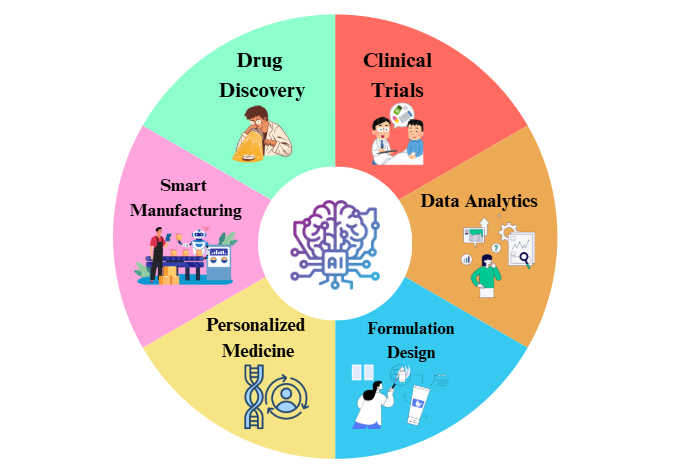
Fig. 1: Applications of AI in pharmaceuticals
Search methodology
Various scientific databases (including PubMed, Scopus, Web of Science and the Innovare Academics Journals database) are used to find literatures for this review. Terms used for search: drug discovery, formulation optimization, clinical trials, pharmaceutical manufacturing and compliance to regulation. It was restricted to the articles published between 2000 and Jan 2025 so that the older studies could be assessed and the latest developments considered. Articles that were the following types were included: articles with original research findings that were peer-reviewed, followed by Articles that were ignored, were those being not in English, lack of any primary data, or applications that were purely on non-pharmaceutical applications to AI. We located additional references by manually browse reading bibliographies of key articles.
AI in drug discovery and development
Developing and producing novel medications on a large scale is a complex process, often hindered by significant technological and machinery constraints within the pharmaceutical and biopharmaceutical industries. The conventional approach is notoriously slow and expensive, typically taking 10-15 y and costing around $2.6 billion, largely due to its reliance on trial-and-error techniques [22, 24]. While numerous advanced technologies have emerged to address these inefficiencies, they often face their own practical obstacles. For instance, although blockchain can enhance data security and supply chain traceability, its implementation has proven difficult. A recent FDA pilot demonstrated that integrating various manufacturers, distributors, and pharmacies onto a single ledger is a 'formidable challenge' that requires coordinated standards and governance for interoperability in accordance with regulation of Drug Supply Chain Security Act [25, 26]. Likewise, 3D printing, while promising for on-demand and customized dosage forms, is limited by material and regulatory constraints. This is because only specific drug-excipient combinations are compatible with current printers, and formal guidelines for 3D-printed pharmaceuticals are still under development [27]. Similarly, ADMET modeling, which predicts a drug's pharmacokinetic properties, is hindered by the need for extensive manual data curation and predefined parameters, which constrains its accuracy [28]. AI-driven solutions that provide automation, precision, and scalability in pharmaceutical research and development are consequently in great demand. For instance, machine learning (ML) based virtual screening can computationally select vast compound libraries, directing subsequent a high-through experimental (HTS) screens towards the most promising candidates [25]. These AI-enabled technologies are being actively utilized to address both minor and critical challenges, thanks to their ability to leverage extensive data for generating valuable insights [29].
Machine learning (ml)
While conventional and advanced computational techniques have been instrumental, they still encounter significant efficiency and scalability challenges. As a result, ML has emerged as an important tool in drug discovery and development. ML facilitates decision-making via data analysis by discerning trends, forecasting chemical properties, and enhancing drug design. Supervised learning, dependent on labelled datasets, is extensively utilized for predicting drug-target interactions, classifying toxicity, and evaluating ADMET (Absorption, Distribution, Metabolism, Excretion, and Toxicity) characteristics. Support vector machines (SVMs), random forests, and deep learning are commonly utilized to enhance molecular properties and increase the effectiveness of virtual screening [30]. Conversely, unsupervised learning, that works without labels, is used extensively in medicinal chemistry. Hierarchical clustering, algorithms, and principal component analysis are extensively utilized to analyse and decompose large molecular libraries into smaller groups of similar compounds, thereby facilitating drug repurposing studies and biomarker identification [31–33]. ML has become a crucial instrument in drug discovery and development, providing sophisticated solutions to the limitations of conventional methods. Frequently utilized techniques including Support Vector Machines (SVMs), Decision Trees (DTs), k-Nearest Neighbors (k-NN), Naïve Bayesian classifiers, and Artificial Neural Networks (ANNs) enable substance identification, ADMET property prediction, and accurate pharmaceutical targeting. These tools facilitate virtual screening, lead optimization, and improved prediction of drug-target interactions, thus streamlining the drug development process and reducing associated costs [34].
Deep learning
A more advanced approach, deep learning (DL), is capable of modeling the complex, non-linear connections within massive datasets through the use of multi-level artificial neural networks. Pharmaceutical research utilizes DL since it independently learns and extracts hierarchical information without human characteristics. Drug discovery has increasingly used deep learning to manage complex data types like chemical structures, genetic sequences, and biological images for accurate predictions and creative solutions [51]. Convolutional neural networks (CNN) are used in deep learning uses convolutional and pooling layers to derive spatial features for visual data analysis. In drug development, CNNs evaluate two-dimensional molecular structures and biological images to predict molecular properties and bioactivity [52].
Recurrent neural networks (RNNs) can also evaluate time-dependent data like SMILES strings and protein sequences using sequential data. In RNNs, long short-term memory (LSTM) networks solve the vanishing gradient problem and model long-term dependence [53]. Variational autoencoders (VAEs) map chemical structures into continuous latent spaces for dimensionality reduction, denoising, and unsupervised learning, enabling de novo drug design [54]. Having a generator and a discriminator network, generative adversarial networks In de novo molecular design, GANs create new chemical entities with specific properties [55].
Table 1: Machine learning techniques in drug discovery and development
| Machine learning technique | Application | Advantages | Disadvantages | Researchers | Reference |
| Support vector machines (SVMs) | Used to distinguish well-absorbed from poorly absorbed compounds in intestinal absorption prediction | Achieved high prediction accuracy using only simple molecular descriptors | Performance depends heavily on descriptor quality and proper model tuning | Heikamp et al. | [35] |
| Activity-based classification of chemical compounds. | high predictive accuracy and effectively model nonlinear structure–activity relationships in drug discovery | SVM models tend to under-predict highly potent compounds and are difficult to interpret due to their black-box nature. | Raquel Rodríguez-Pérez | [36] | |
| Prioritizing target-selective compounds by distinguishing them from non-selective molecules and decoys. | Improves purity and recall in selection sets via multi-class ranking strategies and kernel optimization. | Performance depends on kernel choice and class labelling; less effective when selectivity determinants are unknown | Bajorath | [37] | |
| Ligand prediction for orphan targets using target-specific kernel functions. | Effective predictions when nearest-neighbor target ligands are available; adaptable based on target similarity. | Limited benefit from complex protein hierarchy kernels; performance drops when no related targets exist. | Wassermann et al. | [38] | |
| Predicting synthetic accessibility of compounds using reaction-or data-driven SVM models | Reduces retrosynthetic analysis time; data-driven models (DRSVM) generalize well across diverse compound libraries. | RSSVM models are limited by predefined reaction sets; DRSVM performance depends on quality of similarity-based training data. | Karypis | [39] | |
| Predicting aqueous solubility using molecular fingerprints and support vector regression. | Requires no manual descriptor selection or expert input; adaptable to new data automatically. | Low interpretability due to fingerprint-based features; accuracy depends on similarity to training compounds. | Lind | [40] | |
| Decision Trees (DTs) | Predicting drug resistance in tuberculosis using WGS data by identifying known and novel resistance-associated mutations. | Integrates prior biological knowledge, adjusts for dataset variability, and offers interpretable predictions while minimizing overfitting. | May underperform with rare variants or in pathogens with different genomic structures, and risks bias if biological plausibility is not carefully accounted for | W Deelder | [41] |
| Naïve Bayesian Classifier | Predicts effective two-drug combinations for complex diseases using diverse pharmacological and biological features. | Yields accurate and stable results, especially effective on small datasets | Limited to pairwise drug combinations and does not yet incorporate all feature types | LY Bai | [42] |
| Predicts protein targets for compounds and helps identify mechanisms of drug-induced phospholipidosis. | Achieves high-ranking accuracy in identifying known protein targets. | Fails to identify relevant targets for some compounds, suggesting incomplete target coverage or alternative mechanisms | Lowe | [43] | |
| Used for virtual screening of compounds by classifying them based on molecular fingerprints. | Shows improved accuracy and prediction stability when orthogonal sparse bigrams are included. | Fails to classify certain compounds accurately, indicating limitations in feature representation or algorithm generalization. | Nigsch | [44] | |
| k-Nearest Neighbors (k-NN) | Used to classify protein kinase inhibitors from non-inhibitors based on molecular descriptors. | Outperformed SVM and Naïve Bayesian models with highest accuracy when optimized with K=7 and Mahalanobis distance. | Highly sensitive to parameter tuning such as neighbor count and distance metric selection | Arian | [45] |
| Predicts blood-brain barrier permeability (logBB) using structurally similar compound data across heterogeneous experimental datasets. | Performs well with heterogeneous, nonlinear data and does not rely on clustering assumptions. | Only marginally outperforms MLR; sensitive to experimental noise and lacks strong statistical robustness beyond internal consistency | Konovalo | [46] | |
| Used for QSAR-based Ames mutagenicity prediction in therapeutic drugs and non-drugs. | High concordance and specificity when used with topological descriptors and consensus modeling, even in noisy datasets. | Sensitive to noisy data and may require threshold tuning to avoid unreliable or excluded predictions | Votano | [47] | |
| Artificial neural networks (ANNs) | Used for predictive modeling of Ames mutagenicity based on molecular topological descriptors | Achieved high sensitivity and specificity (>90%) in consensus models, showing robustness and reliability | May overfit noisy endpoints if reliability thresholds are not applied, and lacks consistent superiority over other classifiers for therapeutic drugs | Askr | [48] |
| Used in drug discovery to model complex biomedical data and improve interpretability via attention mechanisms | Enhance transparency and adaptability by highlighting relevant features or regions for prediction across multimodal biomedical datasets | Struggle with interpretability, data quality, imbalance, weak supervision, high computational costs, and transferability across tasks | Lavecchia | [49] | |
| predict protein–ligand interactions, ADMET properties, and biological activities of compounds | Nonlinear relationships and automatically learn features from large and complex datasets, which enhances their predictive capabilities | It requires large datasets for training and are prone to overfitting, especially with noisy or insufficient data | Chen et al. | [50] |
Table 2: Deep learning techniques in drug discovery and development
| Technique | Application | Advantages | Limitation | Author | Reference |
| CNN | Prediction of molecular properties and targets (e. g. metabolism, toxicity, bioactivity) | Learns hierarchical spatial features from raw inputs (e. g. molecular images) Good predictive accuracy (the best results of image mol were AUC 0.800-0.890 on the toxicity and target compounds sets) |
Requires large labeled datasets and careful encoding | Zeng et al., 2022 | [56] |
| RNN | The prediction of BBB permeability using cheminformatics with the information of SMILES as input. | There are address datasets and algorithm challenges of BBB permeability Outperforms other models in the literature |
Further improvement needed for accuracy in the negative class. -High dimensionality of QSAR data limits insight into predicted activity. |
Alsenan et al., 2020 | [57] |
| LSTM | Used to predict binary drug–target interaction (active/inactive) by capturing long-term dependencies in protein and drug sequences | Preserves information from both past and future using bidirectional flow. -Improves predictive performance when combined with CNN-based ResNet and MLP. |
Performance varies across different proteins, possibly due to biological features. -Struggles with external datasets with different distributions. |
Wei et al., 2022 | [58] |
| VAE | Used to construct chemical latent space from large and complex molecules (e. g., natural products) and generate novel compound structures for drug discovery. | Handles large-sized compounds, including chirality. -Achieved higher reconstruction accuracy vs. prior models. -Generates compounds in fragments (not atoms), ensuring 100% generation success rate. |
Lacks experimental confirmation of generated compounds. | Ochiai et al., 2023 | [59] |
| GAN | Adversarial generation of novel molecules (e. g. scaffold-based design) | Learns complex data distributions to produce diverse, novel compounds (≈93% novel and 95% unique quinoline scaffolds) -Graph-based GANs can explicitly encode molecular structure |
Training is unstable (mode collapse and oscillation issues) | Macedo et al., 2024 | [60] |
AI in formulation and optimization
In recent decades, "computational pharmaceutics" has emerged to create, optimize, and analyze pharmaceutical formulations. These methods include AI, big data, and multi-scale modeling. AI algorithms can gain a solid understanding of the behavior of formulations by analyzing large amounts of data from simulations or tests. Pharmaceutics research could be transformed by artificial intelligence technologies that enable faster, more accurate medicine formulation and evaluation. AI prediction algorithms have helped design and evaluate several medicine compositions by searching high-dimensional formulation space using the drug/excipients/process combination and lets them predict API physicochemical properties and formulation system parameters. Algorithms can also analyze affecting factors to guide formulation design [61]. To fully exploit AI in pharmaceutical formulation, tools, technologies, and networks have been designed to optimize processes, improve decision-making, and address formulation problems [62]. These cover genetic algorithms (GAs), fuzzy logic, neuro-fuzzy systems, and artificial neural networks (ANNs). By modeling complicated interactions between formulation variables, critical quality attributes (CQAs), and critical process parameters (CPPs), particularly ANNs, helps the QbD framework. ICH Q8/Q9 states that data-driven optimization enhances design space [63]. Every method has unique benefits and gives data-driven solutions to difficult problems that trial-and-error approaches fail. Also, ML algorithms have been linked with process analytical technology (PAT) techniques like NIR and Raman spectroscopy to develop real-time ‘soft sensors’ for essential quality variables, including API concentration, mix homogeneity, and moisture content from spectral data [64, 65].
Artificial neural networks
ANNs are computational models based on brain neural networks. Neurons in an ANN are connected and organized into input, hidden, and output layers. ANNs are able to create complex, non-equipoiseable input-output interactions hard to model using statistical means. On the basis of prediction error, ANN learns on formulation variables by modifying inter-neuronal synaptic weights in the course of training such polymer concern and drug religion [19]. In order to maximize formulation and process variables by modeling non-linear interactions, not accessible to standard methods that are too complex, through simulation the pharmaceutical formulation development employs artificial neural networks (ANNs). ANN helps together with excipient selection, prediction of drug release, dissolution modelling, in vitro-in vivo correlation by examining information in experiments and forming patterns and correlation. Sustained-release tablets, it predicts dissolution and release kinetics of drugs at the nano-scale, liposomes, hydrogels and transdermal formulations accurately. ANN also defines the design space within the knowledge space, ensuring methodical formulation optimization [66].
Fuzzy logic
In drug formulation, fuzzy logic simulates intricate interactions between formulation variables and tablet qualities. Since it predicts better than statistical methods, it optimizes weight fluctuation, crushing strength, friability, disintegration time, and medicine solubility. Fuzzy logic improves formulation development decision-making by creating interpretable and reusable rule sets. Its efficiency and uncertainty management make it appealing for pharmaceutical optimization [67]. By assigning degrees of truth through membership functions and utilizing fuzzy rules that capture partial answers instead of binary outcomes, fuzzy logic accommodates imprecise or partially true input data like unclear dose-response correlations. This method frequently provides more accurate pharmacodynamic model predictions than statistical methods [68].
Neuro-fuzzy system
The objective of fuzzy logic is to deliver simple information. Forming it requires neural network representations. Neural networks with fuzzy logic make up "neurofuzzy logic," as the name implies. It uses generality, fuzzy logic, and ANN learning to study complex ideas. Process data mining suits neurofuzzy logic. It can represent IF THEN rules [69] and develop good data models. ANFIS models help refine process control and precision. In poorly soluble drug formulations, ANFIS trained on experimental data learns relationships between formulation inputs (e.g., solvent, polymer concentration) and particle size and produces 256 interpretable fuzzy IFTHEN rules, combining neural network learning with transparent reasoning. Fuzzy logic forecasts ibuprofen release [70], optimizing alfuzosin HCl tablets [71], and regulating clopidogrel bisulphate release [72]. It enhances lipid-based carriers for IVIVC prediction [73] by improving process control, thus lowers granulation waste [74] and optimizing drying parameters [75].
Table 3: AI techniques in formulation and optimization
| AI tool | Researcher | Title of study | AI mechanism | Rationale for use | Outcome | Reference |
| Artificial neural networks (ANN) | Aksu et al. | Quality by design approach: application of artificial intelligence techniques of tablets manufactured by direct compression | ANN complemented by neurofuzzy logic and genetic programming | Modeling complex, nonlinear relationships and multidimensional interactions in pharmaceutical formulations, enabling efficient optimization and understanding cause-effect relationships. | Quality control in tablet manufacturing | [63] |
| Takayama et al. | Formula optimization of theophylline controlled-release tablet based on artificial neural networks | Partitioned ANN | Quantifying complex, nonlinear relationships in drug release and effectively optimizing pharmaceutical formulations. | Optimized formulation for controlled-release drug tablets | [76] | |
| Ibric et al. | The application of generalized regression neural network in the modeling and optimization of aspirin extended-release tablets | Generalized Regression Neural Network (GRNN) | Superior ability to quantify complex, nonlinear relationships between factors and drug release. It’s extremely rapid training further made it effective for optimizing extended-release aspirin tablets | Used ANN to optimize extended-release formulation parameters | [77] | |
| Plumb et al. | The effect of experimental design on the modeling of a tablet coating formulation using artificial neural network | Multilayer Perceptron (MLP) | Modeling highly curved and complex, nonlinear relationships present in tablet coating formulations, enabling accurate prediction of properties like film opacity and crack velocity | Applied ANN for optimizing tablet coating | [78] | |
| Leane et al. | The use of artificial neural networks for the selection of the most appropriate formulation and processing variables | Multilayer Perceptron (MLP) for training | Identifying critical formulation variables and modeling complex, nonlinear relationships in drug dissolution profiles. | Used ANN to predict in vitro dissolution of sustained-release minitablets | [79] | |
| Genetic algorithms (GA) | Agatonovic-Kustrin et al. | Role of genetic algorithms and artificial neural networks in predicting the phase behavior of colloidal delivery systems | Genetic Neural Network (GNN) model, incorporating a Multilayer Perceptron (MLP) Artificial Neural Network and a Genetic Algorithm for input selection | predicting complex phase behavior of colloidal delivery systems and correlating it with molecular descriptors to minimize experimental effort in pharmaceutical formulation | Used GA to optimize phase behavior in drug delivery systems | [80] |
| Barmpalexis et al. | Development of a new aprepitant liquisolid formulation with the aid of artificial neural networks and genetic programming | Artificial Neural Networks and Genetic Programming | Increased correlation efficacy for both linear and non-linear multivariate relations in formulation variables and dissolution characteristics. | Used ANN and GA for optimizing liquisolid formulations | [81] | |
| Fuzzy logic | Tan and Degim | Development of sustained release formulation of an antithrombotic drug and application of fuzzy logic | Artificial Neural Network (ANN) analysis and Fuzzy Logic algorithms | Determining the effects of tablet components on release characteristics and for optimizing and predicting formulation outcomes, even with uncertain or indefinite data | Used fuzzy logic to optimize sustained-release formulation | [72] |
| Neuro-fuzzy logic | Fatouros et al. | Dynamic lipolysis model using neuro-fuzzy networks | Adaptive neuro-Fuzzy Modeller (AFM) | Predicting complex, nonlinear in vitro–in vivo correlations with high accuracy and providing interpretable models | Simulated drug absorption and predicted in vitro-in vivo correlation | [73] |
| Mixed AI systems (Hybrid models) | Turkoglu et al. | Roller compaction modeling using ANN and GA | Artificial Neural Networks in conjunction with Genetic Algorithms | Modeling and optimizing complex pharmaceutical tablet properties like crushing strength and disintegration time, with Genetic Algorithms proving particularly effective for accurate prediction and optimization | Found GA to be better at predicting tablet characteristics than ANN | [82] |
| Barmpalexis et al. | Solid dispersions in the development of nimodipine floating tablets using ANN and genetic programming | Artificial Neural Networks and Genetic Programming | Efficiently optimizing complex tablet formulations, modeling their nonlinear relationships, and predicting drug release and floating properties | Achieved optimized floating and controlled-release characteristics | [83] | |
| Barmpalexis et al. | Artificial neural networks in the optimization of a nimodipine controlled release tablet formulation | feed-forward back-propagation Artificial Neural Networks | Modeling highly complex, non-linear relationships in drug release and optimizing controlled-release tablet formulations more efficiently than conventional methods. | Demonstrated combined AI benefits for drug formulation | [84] |
AI in clinical trials
To ensure the safety and efficacy of new drugs, pharmaceutical research is dependent on clinical trials. Historically, however, these trials have faced significant challenges, including high costs, long timelines, and a lack of effectiveness [85]. As AI in the pharmaceutical sector becomes more widely accepted as a way to generate viable and effective drugs, numerous CT uses are being researched in clinical settings. As randomized trials provide medical researchers with complicated and huge volumes of categorized and uncategorized molecular, imaging, and clinical data, they also contribute to this progression. Data-driven and tailored treatment uses easily available information. However, big AI models trained on appropriate data sets are needed to make sense of this data and uncover ways to accelerate and improve drug research [86].
Novel endpoints
AI is creating innovative endpoints in clinical trials by using imaging, wearable, and multi-omics data to enhance efficiency and disease insights. Imaging AI quantifies OCT intraretinal cysts and predicts microperimetry results, expediting examinations. Wearable AI tracks Parkinson's symptoms and predicts dropout risk using real-time vital signs and adherence. Genomic, proteomic, and EHR data are used by multi-omics AI to predict cancer drug sensitivity and diabetes subtypes for customized treatment. FDA/EMA regulatory validation demands representative data, transparency, and continuing monitoring. MASH trial-validated AIM-NASH matches or exceeds manual pathology accuracy, conforms with GDPR, and requires EMA review. To overcome challenges like limited regulatory guidelines, data quality issues, bias, and opaque AI models, solutions are being implemented, including the use of class activation maps and greater stakeholder participation to enhance trust and repeatability. Additional support comes from internal cross-validation, as well as external benchmarking, to ascertain that synthetic arms are an accurate reflection of the measures of efficacy and safety [86–90].
Patient retention and adherence
AI enhances patient retention and adherence in clinical trials by anticipating dropout risks and early non-adherence signals, enabling tailored interventions for side effects or schedule difficulties (86). Wearable sensors and AI-driven video monitoring, including AiCure's facial recognition technology, track medicine consumption and physical functions, improving adherence and endpoint detection. In specific clinical applications, AiCure has demonstrated the ability to reduce expenditures and manual record-keeping while simultaneously boosting patient adherence in schizophrenia and anticoagulation trials [91].
AI Facilitating decentralized clinical trials
AI makes decentralized clinical trials more efficient and accessible. Automating digital consent simplifies informed consent and reduces administrative burdens [85, 89]. AI and wearable devices offer real-time data collecting, enhancing patient safety monitoring, especially for critical situations, and minimizing on-site visits [86, 92]. By harmonising EMRs and using secure cloud-based or blockchain systems for data storage, AI improves patient selection, adherence, and endpoint assessment. It also automates case report forms, which helps reduce errors [87, 91, 93].
Clinical trial construction
Clinical trial design and precision medicine, in particular, rely heavily on the ability to accurately predict clinical outcomes, which in turn reduces statistical unpredictability across groups. For instance, AI can simulate data to find better statistical outcome metrics [94]. AI facilitates the creation of Synthetic Control Arms (SCAs), also known as in silico trials, ISTs simulate patient physiology, including genetic variation, to predict RCT outcomes like tumor size, heart rate, and five-year survival. These technologies create virtual comparator arms using multimodal clinico genomic real-world data, such electronic health records, socioeconomic indicators, and wearable monitoring [88]. Causal‑AI frameworks, for example, those built on GANs or variational autoencoders, adjust for baseline covariates and simulate patient trajectories to forecast clinical intervention results. A healthcare company successfully used a synthetic control arm of 68 patients for alectinib and another group used one of 694 patients for blinatumomab, accelerating their FDA approvals [89, 95]. Unlearn AI’s TwinRCTs platform creates digital twins from historical clinical trial data to simulate control groups. Their PROCOVA method is qualified by both the EMA and FDA, allowing for primary analysis in phase 2/3 trials by reducing the need for actual control patients, thus enhancing statistical power and reducing costs (new). AI-powered analytics also improve generalizability of results [93].
Recruitment challenges and AI solutions
Due to low participation rates, patient recruitment continues to be a significant difficulty in clinical trials. These low participation rates are caused by a lack of knowledge, geographical constraints, scepticism in medical research, and demographic factors like poverty and education. Traditional recruitment methods like community involvement and clinician recommendations are resource-intensive and unproductive. AI-driven solutions discover qualified participants by analysing EHRs and patient registries using machine learning models. While predictive analytics products like Research Match optimize recruiting by assessing an individual's likelihood of participation, natural language processing (NLP) matches patient profiles with trial criteria, reducing manual screening. AI-powered automated messaging and digital engagement technologies, including passive (emails) and active (calls, personalized outreach) improve recruitment success [89, 96].
AI in trial conduct and monitoring
AI can help with patient recruitment for clinical trials by evaluating patient data and identifying qualified participants more quickly and precisely. This reduces the burden on sponsors. Using historical data to create community-relevant objectives would also make studies more patient-centric [97]. AI systems might automatically search clinical trial and EHR digital eligibility databases and match them with trials recruiting participants via social media, trial announcements, or registries. Patients can check their eligibility at investigator sites, which in turn boosts their awareness of relevant clinical trials earlier. This approach has proven effective, as demonstrated by a 58.4% increase in lung cancer trial enrollment through the use of AI [98].
AI for clinical data analysis
Using cardiovascular datasets, AI programs were trained to analyse CT data and find subgroups that showed different treatment outcomes. Additionally, these applications were instructed to identify major risk factors and fast-responders in subpopulations. These tools provide an opportunity for pharmaceutical companies to conduct more detailed research and acquire deeper understanding [86]. Due to the reassignment of clinical site resources, the difficulties in traveling to a site, and the fact that participants got the virus or were forced to distinguish themselves, a significant amount of clinical research studies have been affected by the COVID-19 pandemic. Data loss and postponed research visits due to these issues can alter statistical analysis results. Machine learning can be implemented to impute data that is absent and to infer a participant's condition when visits are postponed beyond the protocol-defined timeframes [92].
Regulatory examples: EMA’s AIM-NASH and comparison to FDA GMLP/EU AI Act
EMA’s AIM-NASH, an AI tool for MASH trials, aids pathologists in scoring liver biopsies, improving accuracy and reproducibility. Validated via deep convolutional neural networks, it shows non-inferior performance for steatosis and fibrosis and superior results for inflammation and ballooning, acting as a pathologist aid, not a replacement [86]. FDA’s GMLP emphasizes risk-based AI/ml validation, focusing on data representativeness and continuous monitoring. The EU AI Act mandates conformity assessments for high-risk AI, covering risk management, data governance, and cybersecurity [89–91, 99].
Risk of automation bias
Over-reliance on AI risks distorted clinical decisions due to biased, incomplete, or unrepresentative training data, potentially perpetuating health disparities, like non-representative study cohorts. Mitigation requires ethical guidelines, transparency, and stakeholder collaboration. Training AI on diverse, independent datasets and rigorous validation ensures trustworthiness, even for "black-box" models[91,96]
Challenges
Data quality
Though AI has a lot of potential for drug discovery, it also has a lot of problems. One such big problem is getting enough data, since AI methods often need large datasets to learn from [91]. However, the data that is available may not be complete, be of low quality, or not be consistent, which can affect how reliable and accurate it is. Most of the time, deep learning models need tens of thousands to hundreds of thousands of examples, which is much more than what clinical trials usually give [100]. Noise and differences in expert evaluations or non-standardized reporting make phenotyping less accurate. There are also systemic biases. For instance, a melanoma detection algorithm didn't work as well on people with darker skin because most of the training data came from people with fair skin [101].
Algorithm bias and generalizability
Obstacles include the need for better data sharing and more apparent legal protections for algorithms [102]. Overfitting, which can be corrected via dropout, and domain shifts are further generalizability issues besides data bias and trouble dealing with changes in the domain [100]. Due to its training on fair-skinned data, an AI that detects melanoma was less accurate for darker skin. We need well-planned, multi-site validation studies with diverse participants and flexible, forward-looking data systems to uncover solutions [101].
Regulatory uncertainty
As the pharmaceutical industry grows more intricate with an increasing number of regulations, regulators face a demanding workload. This is occurring concurrently with the rapid advancements in precision medicine, microphysiological systems, bioimaging, omics, and AI. For a new assessment system, data must be standardized, ethical oversight ai-ed, innovation and patient safety and other systems must also be kept selected. The EU's AI Act (AIA) monitors high-risk AI systems before and after sale. Both FDA TMAP and DMAP aspire to integrate AI to make regulators' tasks easier. Regulators struggle more because AI models are "black boxes" and hard to understand [103]. Internal AI systems help pharmaceutical companies discover compounds, optimize clinical trials, and anticipate therapeutic efficacy and toxicity [104]. These tools shape candidates and data, not SaMD. Barriers include model opacity and skewed training data. The EU AI Act and FDA's AI/ml SaMD Action Plan focus on medical devices, but internal AI tools are becoming increasingly important, emphasizing the need for stronger validation and openness in pharmaceutical Research and development [101].
Ethical and legal issues
AI in healthcare involves complex ethical and legal challenges, including human loss of control, data protection, legal loopholes, and responsibility. The black box aspect of AI makes it hard to determine who is responsible for errors-developers, clinicians, or institutions. XAI leads the pharmaceutical industry with transparency, fairness, and regulator trust. Explainable models include MRSA antibiotics ChemXGNN and ISM001-055. LIME reveals molecular substructures important in efficacy predictions, SHAP quantifies biological pathway toxicity, and counterfactuals show how biomarker alterations affect trial eligibility. Private health information raises justice, kindness, and safety concerns. To ensure safe, fair, and transparent AI-assisted health care, regulatory frameworks require explainability, human monitoring, and clear policies [102, 103].
Liability and accountability issues
Clinical professionals are used to taking responsibility for their judgments, making AI liability challenging. When decisions are made by or devolved to AI, issues regarding who is responsible for unfavourable outcomes are common [101].
Integration with existing workflows
The main obstacle to general acceptance of artificial intelligence in healthcare is not technological capacity but rather guarantees perfect integration into daily clinical practice. To be widely accepted, AI systems must gain regulatory approval, establish procedures to ensure consistency, train clinicians, receive financial assistance from public and commercial payer organizations, and undergo iterative supervision upgrades [105].
Computational costs and infrastructure
AI in medication development and optimization is hindered by high computer costs and infrastructural needs. Without clear ROI proof, many organizations struggle to defend the significant initial expenditure. As noted, 19% of respondents did not perceive the advantage of integrating artificial intelligence, mainly due to significant initial investment costs, which will limit the return on investment and clinical benefits until they are established. Training huge AI models in drug discovery requires GPU/TPU resources—a TPU can perform 128,000 operations per cycle, while a CPU can only perform tens. Using classic methods like cryo-EM can be costly, with expenditures ranging from $20 million to $60 million [100, 102]. Research indicates that training advanced models takes weeks to months, averaging 33 d per model, including energy costs, hardware depreciation, and cloud rentals. Model pruning and knowledge distillation (such as prune then distillation or early self-distillation) complement model size and compute reduction without losing accuracy [103, 104]. Infrastructure constraints delay AI deployment due to processing capacity and data-sharing system congestion. Resistance to new technology may explain this difference between development and clinical execution, delaying AI cost-effectiveness studies [106].
Lack of AI pharma expertise
A lack of AI literacy among pharmaceutical and clinical specialists hinders the successful integration of AI in drug development and optimization. Since many professionals’ struggle to adopt AI while still using legacy systems, technical literacy and healthcare technology understanding may explain workforce reluctance [101]. To become proficient in clinical practice with artificial intelligence, the workforce must overcome differences in technology literacy, contentment, and awareness of contemporary technologies [106]. To address AI challenges, doctors and pharmacologists need training. Medical professionals must establish training courses for doctors to employ artificial intelligence systems and address emerging technology challenges. But current medical education lacks systematic AI training, which hampers long-term acceptance. The medium and long term lack of AI training in medical education is a big issue. Future medical undergraduate and postgraduate curricula should integrate advanced statistical and computational skills and a fundamental understanding of AI technique and limitations[101].
Future prospects
Enhancing data quality and availability
Drug research artificial intelligence models rely on large, high-quality datasets, yet data scarcity, noise, and bias might limit their use. The challenge of accessing data is compounded by complex biological data, experimental conditions, and constraints on proprietary pharmaceutical databases. To address this, standardized data formats, synthetic data production, and data-sharing activities are being developed to improve model reliability and accessibility. By incorporating FAIR (Findable, Accessible, Interoperable, and Reusable) data principles and federated learning, researchers can enable safe cross-institutional AI training while protecting data privacy. These methods, which include standardized data formats and federated learning, are crucial for ensuring that artificial intelligence models are trained on high-quality datasets, thereby improving the accuracy and relevance of pharmaceutical research [107, 108].
Improving model interpretability with explainable AI (XAI)
XAI promotes AI-driven drug development transparency, responsibility, and trust by providing interpretable lead optimization, toxicity prediction, and clinical trial data. In AI predictions, independent validation, model selection, and data preparation reduce bias and increase justice. XAI also improves clinical research by assessing patient safety and choice. Integration ensures regulatory compliance and stakeholder trust in AI-driven medication development. Post-hoc XAI approaches increase openness with textual, graphic, and feature relevance explanations. In artificial intelligence-based computer vision applications, heatmaps and Grad CAM reveal essential chemical structures, whereas model-agnostic methods like LIME and SHAP reveal feature importance. These methods ensure regulatory compliance, reveal biases, and improve model predictions [109, 110].
The role of generative AI in pharmaceutical innovation
A cutting-edge approach in pharmaceutical innovation is Generative AI, which aids drug discovery by designing new compounds, optimizing leads, and creating synthetic patient data [111]. Dompé's Exscalate screens over 500 billion molecules using distributed HPC and a generative model. The ANTAREX4ZIKA research screened 1.2 billion ligands in three months to find Zika virus treatment candidates [107]. Multimodal AI architectures used fingerprints, graphs, SMILES embeddings, and latent CDDD descriptors as molecular representations. Using Adverse Outcome Pathways (AOPs) such mitochondrial inhibition and oxidative stress, QSAR, DeepChem, PanScreen, and VenomPred simulate toxicological endpoints to build toxicological protocols [111]. SMILES enumeration and predicted binding energy scoring can generate high-quality synthetic data when real datasets are limited or biased. Risk mitigation uses SHAP, LIME, and permutation importance XAI. In a pharmaceutical case study, SHAP revealed a bias in sterile production predictions where the AI misinterpreted a visual clue specifically a second hand as a critical factor [107, 109, 111].
Addressing computational demands
Enormous computational requirements for these deep learning models are a real challenge, especially for small organizations that may have problems with funding. By providing scalable, on-demand resources, cloud computing may make AI models and infrastructure more accessible. Federated learning reduces processing via cooperative model training without centralized data storage [107].
Leveraging quantum computing for drug discovery
To overcome the computational restrictions of traditional AI-based drug discovery, quantum computing is being explored to simulate protein-ligand interactions and predict drug-target binding. Lead optimization and high-throughput screening use QML, while quantum optimization handles protein folding and binding affinity estimation, which are difficult challenges. Existing NISQ devices are noisy, have few qubits, and lack error correction, making fault-tolerant quantum computing far off. Hybrid quantum-classical techniques like VQE with error-mitigation tactics will become more scalable, efficient, and accurate in the near future. These pragmatic ways make quantum computing a transformative pharmaceutical research facilitator before the quantum advantage [112].
Enhancing AI model generalization for robust predictions
To ensure bias-free drug development forecasts, increasing AI model generalization is crucial. Although multimodal learning enhances prediction skills, data augmentation methods like SMILES enumeration boost dataset variety [111]. Multi-modal AI integrates data and representations for accurate drug discovery predictions. So, molecular searching and selecting molecules for downstream processing are parallel implementations for the pricing and marketing of drugs and the manufacture of cosmetics. With direct observation in its GemsitLab, Dompé Exscalate, a multi-modal neural network architecture, is constituted to explore on over 500 billion molecules in 150 commercial databases by interventional learning from Physics-based simulation, generative modeling, and massive molecular databases. The ANTAREX4ZIKA study screened 1.2 billion ligands in 3 mo, demonstrating that such a rigorous method improves prediction [107]. Low success rates, hefty costs, and slow speed are crippling traditional drug discovery. Building AI models that span in silico, in vitro, in vivo, and clinical scales is vital to fixing it. AI uses deep learning and large-scale biological, chemical, and clinical data to produce safer, more targeted therapies faster and more reliably [107, 111]. In particular, hybrid models that combine scalable approaches with deep learning improve model resilience. Explainability methods like SHAP and permutation significance increase interpretation, ensuring objective and consistent drug discovery powered by AI [111].
Human-AI collaboration
For sensitive medication research and pharmaceutical manufacturing, human-AI collaboration is essential due to AI's "black box" nature (98). XAI technologies allow specialists to understand forecasts and uncover biases in training data (shown in a pharmaceutical production case study). AI technologies that allow human professionals to supervise operations in real time will help AI systems gain human confidence, expand their knowledge, and ensure safe and successful results [111].
DISCUSSION
Despite an increasing amount of literature on artificial intelligence in pharmaceuticals, real-world adoption remains limited. Most of the AI tools mentioned in current research, like artificial neural networks, deep learning, and neuro-fuzzy systems, look good for retrospective modeling but haven't been tested for prospective modeling yet. A lot of the time, claims about performance are based on small datasets that don't apply to many other situations. For example, formulation prediction models that were trained on data from generic drugs almost never work when they are used on new compounds without major changes. AI-designed candidates have gone into clinical trials for drug discovery, but their chemical novelty and clinical outcomes are still similar to those of traditional pipelines. The difference between how individuals think AI could work and how it actually works is because of serious problems with data quality, transparency and preparedness for regulation. Pharmaceutical datasets are often incomplete, biased, or owned by a single company, which makes them not good for training models that can be used on a large scale. Also, a lot of AI studies don't say what the model parameters are, which makes it harder to reproduce and get approval from regulators. Agencies like the FDA and EMA now stress the importance of methodological transparency, prospective validation, and continuous monitoring. However, not many AI tools meet these standards right now. We present a structured framework for integrating AI into the pharmaceutical industry that takes into account both current regulatory guidance and gaps seen in real-world deployments. This review makes clear how important it is to have good data and follow ethical guidelines, but we need to put more emphasis on (1) using AI in small, high-impact pilot projects, (2) testing tools in real-world settings before they are used, and (3) setting up protocols for continuous monitoring. These steps, which are not well-known in either the literature or practice, can be used as guidelines to make sure that AI tools move from being just ideas to being reliable, compliant solutions.
CONCLUSION.
AI has been a novel concept to many, but it is rapidly becoming an accepted component within the industry. The pharmaceutical industry, on the other hand, has found a place for itself in AI for drug discovery, formulation development, clinical trials, and regulatory affairs. Some of the AI improvements that have helped us find targets faster, design better formulations, run trials more smoothly, and come up with better strategies for regulations. The main problems still exist: unclear rules, poor data quality, and making workflows work together. To fix these problems, we will need to keep working on engineering projects, watch over data, and be open about algorithms. Explainable AI, hybrid modeling, and AI real-time analytics for adaptive clinical trials and personalized therapies are some of the best short-term solutions. So, for AI to take over the pharmaceutical industry, computational scientists, pharmaceutical scientists, doctors, and regulators need to work together to make sure these technologies are safe, effective, and fair healthcare options.
FUNDING
Nil
AUTHORS CONTRIBUTIONS
R. Vignesh contributed to the literature review, data curation, writing of the original draft, and evaluation. M. S. Umashankar contributed to conceptualizing it and conducting the critical evaluation. Damodaran Narayanasamy provided guidance and reviewed the manuscript.
CONFLICTS OF INTERESTS
The authors declare no conflicts of interest.
REFERENCES
Qureshi R, Irfan M, Gondal TM, Khan S, Wu J, Hadi MU. AI in drug discovery and its clinical relevance. Heliyon. 2023 Jul 1;9(7):e17575. doi: 10.1016/j.heliyon.2023.e17575, PMID 37396052.
Carracedo Reboredo P, Linares Blanco J, Rodriguez Fernandez N, Cedron F, Novoa FJ, Carballal A. A review on machine learning approaches and trends in drug discovery. Comput Struct Biotechnol J. 2021 Jan 1;19:4538-58. doi: 10.1016/j.csbj.2021.08.011, PMID 34471498.
Serrano DR, Luciano FC, Anaya BJ, Ongoren B, Kara A, Molina G. Artificial intelligence (AI) applications in drug discovery and drug delivery: revolutionizing personalized medicine. Pharmaceutics. 2024 Oct;16(10):1328. doi: 10.3390/pharmaceutics16101328, PMID 39458657.
Niazi SK. The coming of age of AI/ml in drug discovery development clinical testing and manufacturing: the FDA perspectives. Drug Des Devel Ther. 2023;17:2691-725. doi: 10.2147/DDDT.S424991, PMID 37701048.
Vora LK, Gholap AD, Jetha K, Thakur RR, Solanki HK, Chavda VP. Artificial intelligence in pharmaceutical technology and drug delivery design. Pharmaceutics. 2023;15(7):1916. doi: 10.3390/pharmaceutics15071916, PMID 37514102.
Mak KK, Pichika MR. Artificial intelligence in drug development: present status and future prospects. Drug Discov Today. 2019 Mar;24(3):773-80. doi: 10.1016/j.drudis.2018.11.014, PMID 30472429.
Murray JD, Lange JJ, Bennett Lenane H, Holm R, Kuentz M, O Dwyer PJ. Advancing algorithmic drug product development: recommendations for machine learning approaches in drug formulation. Eur J Pharm Sci. 2023 Dec 1;191:106562. doi: 10.1016/j.ejps.2023.106562, PMID 37562550.
Powles J, Hodson H. Google deep mind and healthcare in an age of algorithms. Health Technol (Berl). 2017 Dec 1;7(4):351-67. doi: 10.1007/s12553-017-0179-1, PMID 29308344.
Kumar D, Kumar P, Ahmed I, Singh S. Integrating artificial intelligence in disease diagnosis treatment and formulation development: a review. Asian J Pharm Clin Res. 2023 Nov 7;16(11):1-8. doi: 10.22159/ajpcr.2023.v16i11.48193.
Younis HA, Eisa TA, Nasser M, Sahib TM, Noor AA, Alyasiri OM. A systematic review and meta-analysis of artificial intelligence tools in medicine and healthcare: applications, considerations limitations, motivation and challenges. Diagnostics (Basel). 2024 Jan;14(1):109. doi: 10.3390/diagnostics14010109, PMID 38201418.
Chang AC. Big data in medicine: the upcoming artificial intelligence. Prog Pediatr Cardiol. 2016 Dec;43:91-4. doi: 10.1016/j.ppedcard.2016.08.021.
Reshef DN, Reshef YA, Finucane HK, Grossman SR, McVean G, Turnbaugh PJ. Detecting novel associations in large data sets. Science. 2011 Dec 16;334(6062):1518-24. doi: 10.1126/science.1205438, PMID 22174245.
Smalley E. AI-powered drug discovery captures pharma interest. Nat Biotechnol. 2017 Jul;35(7):604-5. doi: 10.1038/nbt0717-604, PMID 28700560.
Khanam JJ, Foo SY. A comparison of machine learning algorithms for diabetes prediction. ICT Express. 2021 Dec 1;7(4):432-9. doi: 10.1016/j.icte.2021.02.004.
Mishra S, Bhatt T, Kumar H, Jain R, Shilpi S, Jain V. Nanoconstructs for theranostic application in cancer: challenges and strategies to enhance the delivery. Front Pharmacol. 2023 Mar 15;14:1101320. doi: 10.3389/fphar.2023.1101320, PMID 37007005.
Dey H, Arya N, Mathur H, Chatterjee N, Jadon R. Exploring the role of artificial intelligence and machine learning in pharmaceutical formulation design. IJNRPH. 2024 Jun 30;2(2):30-41. doi: 10.61554/ijnrph.v2i1.2024.67.
Mishra V. Artificial intelligence: the beginning of a new era in pharmacy profession. Asian J Pharm. 2018;12(2):72. doi: 10.22377/ajp.v12i02.2317.
Gao M, Liu S, Chen J, Gordon KC, Tian F, McGoverin CM. Potential of raman spectroscopy in facilitating pharmaceutical formulations development, an AI perspective. Int J Pharm. 2021 Mar;597:120334. doi: 10.1016/j.ijpharm.2021.120334, PMID 33540015.
Landin M, Rowe RC. Artificial neural networks technology to model understand and optimize drug formulations. In: Formulation tools for pharmaceutical development. Amsterdam: Elsevier; 2013. p. 7-37. doi: 10.1533/9781908818508.7.
Al Kuwaiti A, Nazer K, Al Reedy A, Al Shehri S, Al Muhanna A, Subbarayalu AV. A review of the role of artificial intelligence in healthcare. J Pers Med. 2023 Jun;13(6):951. doi: 10.3390/jpm13060951, PMID 37373940.
Ali KA, Mohin S, Mondal P, Goswami S, Ghosh S, Choudhuri S. Influence of artificial intelligence in modern pharmaceutical formulation and drug development. Futur J Pharm Sci. 2024 Mar 29;10(1):53. doi: 10.1186/s43094-024-00625-1.
Patel V, Shah M. Artificial intelligence and machine learning in drug discovery and development. Intell Med. 2022 Aug 1;2(3):134-40. doi: 10.1016/j.imed.2021.10.001.
Sujith T, Chakradhar T, Sravani Marpaka, Sowmini K. Aspects of utilization and limitations of artificial intelligence in drug safety. Asian J Pharm Clin Res. 2021;14(8):34–9. doi: 10.22159/ajpcr.2021.v14i8.41979.
Ocana A, Pandiella A, Privat C, Bravo I, Luengo Oroz M, Amir E. Integrating artificial intelligence in drug discovery and early drug development: a transformative approach. Biomark Res. 2025 Mar 14;13(1):45. doi: 10.1186/s40364-025-00758-2, PMID 40087789.
Abdel Salam FM. Blockchain revolutionizing healthcare industry: a systematic review of blockchain technology benefits and threats. Perspect Health Inf Manag. 2023 Sep 1;20(3):1b.
U.S. Food and Drug Administration (FDA) Regarding the Drug Supply Chain Security Act (DSCSA) and the Associated Blockchain Interoperability Pilot. U.S. Food and Drug Administration (FDA). DSCSA Standards for the Interoperable Exchange of Information for Tracing of Certain Human Finished Prescription Drugs. Guidance for Industry; 2024. Available from: https://www.fda.gov/regulatory-information/search-fda-guidance-documents/dscsa-standards-interoperable-exchange-information-tracing-certain-human-finished-prescription-drugs.
Meshram SI, Hatwar PR, Bakal RL, Raut PV. Artificial intelligence-assisted fabrication of 3D printed technology in pharmaceutical development and its application. J Drug Deliv Ther. 2024 Aug 15;14(8):214-22. doi: 10.22270/jddt.v14i8.6735.
Goller AH, Kuhnke L, Montanari F, Bonin A, Schneckener S, Ter Laak A. Bayer’s in silico ADMET platform: a journey of machine learning over the past two decades. Drug Discov Today. 2020 Sep 1;25(9):1702-9. doi: 10.1016/j.drudis.2020.07.001, PMID 32652309.
Talevi A, Morales JF, Hather G, Podichetty JT, Kim S, Bloomingdale PC. Machine learning in drug discovery and development part 1: a primer. CPT Pharmacometrics Syst Pharmacol. 2020;9(3):129-42. doi: 10.1002/psp4.12491, PMID 31905263.
Dara S, Dhamercherla S, Jadav SS, Babu CM, Ahsan MJ. Machine learning in drug discovery: a review. Artif Intell Rev. 2022 Mar 1;55(3):1947-99. doi: 10.1007/s10462-021-10058-4, PMID 34393317.
Patel L, Shukla T, Huang X, Ussery DW, Wang S. Machine learning methods in drug discovery. Molecules. 2020 Nov 12;25(22):5277. doi: 10.3390/molecules25225277, PMID 33198233.
Damarla R. Enhancement of drug discovery with machine learning clustering algorithms. J High Sch Sci. 2022 May 14;6(2):1-7. doi: 10.64336/001c.35568.
Madugula SS, John L, Nagamani S, Gaur AS, Poroikov VV, Sastry GN. Molecular descriptor analysis of approved drugs using unsupervised learning for drug repurposing. Comput Biol Med. 2021 Nov 1;138:104856. doi: 10.1016/j.compbiomed.2021.104856, PMID 34555571.
Lavecchia A. Machine learning approaches in drug discovery: methods and applications. Drug Discov Today. 2015 Mar 1;20(3):318-31. doi: 10.1016/j.drudis.2014.10.012, PMID 25448759.
Heikamp K, Bajorath J. Support vector machines for drug discovery. Expert Opin Drug Discov. 2014 Jan;9(1):93-104. doi: 10.1517/17460441.2014.866943, PMID 24304044.
Rodriguez Perez R, Bajorath J. Evolution of support vector machine and regression modeling in chemoinformatics and drug discovery. J Comput Aid Mol Des. 2022 May 1;36(5):355-62. doi: 10.1007/s10822-022-00442-9, PMID 35304657.
Wassermann AM, Geppert H, Bajorath J. Searching for target-selective compounds using different combinations of multiclass support vector machine ranking methods kernel functions and fingerprint descriptors. J Chem Inf Model. 2009 Mar 23;49(3):582-92. doi: 10.1021/ci800441c, PMID 19249858.
Wassermann AM, Geppert H, Bajorath J. Ligand prediction for orphan targets using support vector machines and various target-ligand kernels is dominated by nearest neighbor effects. J Chem Inf Model. 2009 Oct;49(10):2155-67. doi: 10.1021/ci9002624, PMID 19780576.
Podolyan Y, Walters MA, Karypis G. Assessing synthetic accessibility of chemical compounds using machine learning methods. J Chem Inf Model. 2010 Jun 28;50(6):979-91. doi: 10.1021/ci900301v, PMID 20536191.
Lind P, Maltseva T. Support vector machines for the estimation of aqueous solubility. J Chem Inf Comput Sci. 2003;43(6):1855-9. doi: 10.1021/ci034107s, PMID 14632433.
Deelder W, Napier G, Campino S, Palla L, Phelan J, Clark TG. A modified decision tree approach to improve the prediction and mutation discovery for drug resistance in Mycobacterium tuberculosis. BMC Genomics. 2022 Jan 11;23(1):46. doi: 10.1186/s12864-022-08291-4, PMID 35016609.
Bai LY, Dai H, Xu Q, Junaid M, Peng SL, Zhu X. Prediction of effective drug combinations by an improved naive Bayesian algorithm. Int J Mol Sci. 2018 Feb;19(2):467. doi: 10.3390/ijms19020467, PMID 29401735.
Lowe R, Mussa HY, Nigsch F, Glen RC, Mitchell JB. Predicting the mechanism of phospholipidosis. J Cheminform. 2012 Jan 26;4:2. doi: 10.1186/1758-2946-4-2, PMID 22281160.
Nigsch F, Bender A, Jenkins JL, Mitchell JB. Ligand-target prediction using Winnow and naive Bayesian algorithms and the implications of overall performance statistics. J Chem Inf Model. 2008 Dec;48(12):2313-25. doi: 10.1021/ci800079x, PMID 19055411.
Arian R, Hariri A, Mehridehnavi A, Fassihi A, Ghasemi F. Protein kinase inhibitors classification using K-Nearest neighbor algorithm. Comput Biol Chem. 2020 Jun 1;86:107269. doi: 10.1016/j.compbiolchem.2020.107269, PMID 32413830.
Konovalov DA, Coomans D, Deconinck E, Heyden YV. Benchmarking of QSAR models for blood-brain barrier permeation. J Chem Inf Model. 2007;47(4):1648-56. doi: 10.1021/ci700100f, PMID 17602606.
Votano JR, Parham M, Hall LH, Kier LB, Oloff S, Tropsha A. Three new consensus QSAR models for the prediction of Ames genotoxicity. Mutagenesis. 2004 Sep;19(5):365-77. doi: 10.1093/mutage/geh043, PMID 15388809.
Askr H, Elgeldawi E, Aboul Ella H, Elshaier YA, Gomaa MM, Hassanien AE. Deep learning in drug discovery: an integrative review and future challenges. Artif Intell Rev. 2023 Jul 1;56(7):5975-6037. doi: 10.1007/s10462-022-10306-1, PMID 36415536.
Lavecchia A. Advancing drug discovery with deep attention neural networks. Drug Discov Today. 2024 Aug 1;29(8):104067. doi: 10.1016/j.drudis.2024.104067, PMID 38925473.
Chen W, Liu X, Zhang S, Chen S. Artificial intelligence for drug discovery: resources, methods and applications. Mol Ther Nucleic Acids. 2023 Mar 14;31:691-702. doi: 10.1016/j.omtn.2023.02.019, PMID 36923950.
Chen H, Engkvist O, Wang Y, Olivecrona M, Blaschke T. The rise of deep learning in drug discovery. Drug Discov Today. 2018 Jun 1;23(6):1241-50. doi: 10.1016/j.drudis.2018.01.039, PMID 29366762.
Goh GB, Siegel C, Vishnu A, Hodas N, Baker N. How much chemistry does a deep neural network need to know to make accurate predictions? In: 2018 IEEE Winter Conference on Applications of Computer Vision (WACV). New York: IEEE; 2018. p. 1340-9. doi: 10.1109/WACV.2018.00151.
Ruiz Puentes PR, Valderrama N, Gonzalez C, Daza L, Munoz Camargo C, Cruz JC. Pharma net: pharmaceutical discovery with deep recurrent neural networks. PLOS One. 2021 Apr 26;16(4):e0241728. doi: 10.1371/journal.pone.0241728, PMID 33901196.
Polykovskiy D, Zhebrak A, Vetrov D, Ivanenkov Y, Aladinskiy V, Mamoshina P. Entangled conditional adversarial autoencoder for de novo drug discovery. Mol Pharm. 2018 Oct 1;15(10):4398-405. doi: 10.1021/acs.molpharmaceut.8b00839, PMID 30180591.
Martinelli DD. Generative machine learning for de novo drug discovery: a systematic review. Comput Biol Med. 2022 Jun 1;145:105403. doi: 10.1016/j.compbiomed.2022.105403, PMID 35339849.
Zeng X, Xiang H, Yu L, Wang J, Li K, Nussinov R. Accurate prediction of molecular targets using a self-supervised image representation learning framework. Res Sq. 2022 Apr 7:rs.3.rs-1477870. doi: 10.21203/rs.3.rs-1477870/v1, PMID 35411337.
Alsenan S, Al Turaiki I, Hafez A. A recurrent neural network model to predict blood-brain barrier permeability. Comput Biol Chem. 2020 Dec 1;89:107377. doi: 10.1016/j.compbiolchem.2020.107377, PMID 33010784.
Wei B, Zhang Y, Gong X. Deep LPI: a novel deep learning-based model for protein ligand interaction prediction for drug repurposing. Sci Rep. 2022 Oct 28;12(1):18200. doi: 10.1038/s41598-022-23014-1, PMID 36307509.
Ochiai T, Inukai T, Akiyama M, Furui K, Ohue M, Matsumori N. Variational autoencoder-based chemical latent space for large molecular structures with 3D complexity. Commun Chem. 2023 Nov 16;6(1):249. doi: 10.1038/s42004-023-01054-6, PMID 37973971.
Macedo B, Ribeiro Vaz I, Taveira Gomes T. MedGAN: optimized generative adversarial network with graph convolutional networks for novel molecule design. Sci Rep. 2024 Jan 12;14(1):1212. doi: 10.1038/s41598-023-50834-6, PMID 38216614.
Dong J, Wu Z, Xu H, Ouyang D. Formulation AI: a novel web-based platform for drug formulation design driven by artificial intelligence. Brief Bioinform. 2023;25(1):bbad419. doi: 10.1093/bib/bbad419, PMID 37991246.
Jelsch M, Roggo Y, Kleinebudde P, Krumme M. Model predictive control in pharmaceutical continuous manufacturing: a review from a user’s perspective. Eur J Pharm Biopharm. 2021 Feb;159:137-42. doi: 10.1016/j.ejpb.2021.01.003, PMID 33429008.
Aksu B, Paradkar A, De Matas M, Ozer O, Guneri T, York P. Quality by design approach: application of artificial intelligence techniques of tablets manufactured by direct compression. AAPS PharmSciTech. 2012 Dec;13(4):1138-46. doi: 10.1208/s12249-012-9836-x, PMID 22956056.
Mahdi WA, Alhowyan A, Obaidullah AJ. Combination of machine learning and raman spectroscopy for prediction of drug release in targeted drug delivery formulations. Sci Rep. 2025 Jul 11;15(1):25139. doi: 10.1038/s41598-025-10417-z, PMID 40646100.
Galata DL, Konyves Z, Nagy B, Novak M, Meszaros LA, Szabo E. Real-time release testing of dissolution based on surrogate models developed by machine learning algorithms using NIR spectra compression force and particle size distribution as input data. Int J Pharm. 2021 Mar 15;597:120338. doi: 10.1016/j.ijpharm.2021.120338, PMID 33545285.
Das PJ, Preuss C, Mazumder B. Artificial neural network as helping tool for drug formulation and drug administration strategies. In: Artificial neural network for drug design, delivery and disposition. Amsterdam: Elsevier; 2016. p. 263-76. doi: 10.1016/B978-0-12-801559-9.00013-2.
Landin M, Rowe RC, York P. Advantages of neurofuzzy logic against conventional experimental design and statistical analysis in studying and developing direct compression formulations. Eur J Pharm Sci. 2009 Nov 5;38(4):325-31. doi: 10.1016/j.ejps.2009.08.004, PMID 19716414.
Cleophas EP, Cleophas TJ. Fuzzy modeling a novel approach to studying pharmacodynamics. Am J Ther. 2014;21(1):20-5. doi: 10.1097/MJT.0b013e31820543f7, PMID 21317764.
Singh I, Kaur J, Kaur S, Barik BR, Pahwa R. Artificial neural networks and neuro-fuzzy models: applications in pharmaceutical product development. Braz Arch Biol Technol. 2023 Jul 3;66:e23210769. doi: 10.1590/1678-4324-2023210769.
Rebouh S, Lefnaoui S, Bouhedda M, Yahoum MM, Hanini S. Neuro-fuzzy modeling of ibuprofen sustained release from tablets based on different cellulose derivatives. Drug Deliv Transl Res. 2019 Feb;9(1):162-77. doi: 10.1007/s13346-018-00592-0, PMID 30341764.
Mesut B, Aksu B, Ozsoy Y. Design of sustained‑release tablet formulations of alfuzosin HCL by means of neuro‑fuzzy logic. Latin American Journal of Pharmacy. 2013;32(9):1288–97.
Tan C, Degim IT. Development of sustained release formulation of an antithrombotic drug and application of fuzzy logic. Pharm Dev Technol. 2012;17(2):242-50. doi: 10.3109/10837450.2010.531739, PMID 21062232.
Fatouros DG, Nielsen FS, Douroumis D, Hadjileontiadis LJ, Mullertz A. In vitro–in vivo correlations of self-emulsifying drug delivery systems combining the dynamic lipolysis model and neuro-fuzzy networks. Eur J Pharm Biopharm. 2008 Aug 1;69(3):887-98. doi: 10.1016/j.ejpb.2008.01.022, PMID 18367386.
Al Alaween WH, Mahfouf M, Salman AD. When swarm meets fuzzy logic: batch optimisation for the production of pharmaceuticals. Powder Technol. 2021 Feb 1;379:174-83. doi: 10.1016/j.powtec.2020.10.066.
Azadeh A, Neshat N, Kazemi A, Saberi M. Predictive control of drying process using an adaptive neuro-fuzzy and partial least squares approach. Int J Adv Manuf Technol. 2012 Jan 1;58(5-8):585-96. doi: 10.1007/s00170-011-3415-2.
Takayama K, Morva A, Fujikawa M, Hattori Y, Obata Y, Nagai T. Formula optimization of theophylline controlled-release tablet based on artificial neural networks. J Control Release. 2000 Aug 10;68(2):175-86. doi: 10.1016/S0168-3659(00)00248-0, PMID 10925126.
Ibric S, Jovanovic M, Djuric Z, Parojcic J, Solomun L. The application of generalized regression neural network in the modeling and optimization of aspirin extended release tablets with Eudragit RS PO as matrix substance. J Control Release. 2002 Aug 21;82(2-3):213-22. doi: 10.1016/S0168-3659(02)00044-5, PMID 12175738.
Plumb AP, Rowe RC, York P, Doherty C. The effect of experimental design on the modeling of a tablet coating formulation using artificial neural networks. Eur J Pharm Sci. 2002 Sep;16(4-5):281-8. doi: 10.1016/S0928-0987(02)00112-4, PMID 12208458.
Leane MM, Cumming I, Corrigan OI. The use of artificial neural networks for the selection of the most appropriate formulation and processing variables in order to predict the in vitro dissolution of sustained release minitablets. AAPS PharmSciTech. 2003;4(2):E26. doi: 10.1208/pt040226, PMID 12916908.
Agatonovic Kustrin S, Alany RG. Role of genetic algorithms and artificial neural networks in predicting the phase behavior of colloidal delivery systems. Pharm Res. 2001 Jul;18(7):1049-55. doi: 10.1023/A:1010913017092, PMID 11496944.
Barmpalexis P, Grypioti A, Eleftheriadis GK, Fatouros DG. Development of a new aprepitant liquisolid formulation with the aid of artificial neural networks and genetic programming. AAPS PharmSciTech. 2018 Feb;19(2):741-52. doi: 10.1208/s12249-017-0893-z, PMID 28980185.
Turkoglu M, Aydin I, Murray M, Sakr A. Modeling of a roller-compaction process using neural networks and genetic algorithms. Eur J Pharm Biopharm. 1999 Nov 1;48(3):239-45. doi: 10.1016/S0939-6411(99)00054-5, PMID 10612035.
Barmpalexis P, Kachrimanis K, Georgarakis E. Solid dispersions in the development of a nimodipine floating tablet formulation and optimization by artificial neural networks and genetic programming. Eur J Pharm Biopharm. 2011 Jan;77(1):122-31. doi: 10.1016/j.ejpb.2010.09.017, PMID 20934511.
Barmpalexis P, Kanaze FI, Kachrimanis K, Georgarakis E. Artificial neural networks in the optimization of a nimodipine controlled release tablet formulation. Eur J Pharm Biopharm. 2010 Feb 1;74(2):316-23. doi: 10.1016/j.ejpb.2009.09.011, PMID 19815063.
Sertkaya A, Birkenbach A, Berlind A, Eyraud J. Examination of clinical trial costs and barriers for drug development. Washington (DC): U.S. Department of Health and Human Services, Office of the Assistant Secretary for Planning and Evaluation (ASPE); 2014. Available from: https://aspe.hhs.gov/reports/examination-clinical-trial-costs-barriers-drug-development-0.
Askin S, Burkhalter D, Calado G, El Dakrouni S. Artificial intelligence applied to clinical trials: opportunities and challenges. Health Technol (Berl). 2023;13(2):203-13. doi: 10.1007/s12553-023-00738-2, PMID 36923325.
Harrer S, Shah P, Antony B, Hu J. Artificial intelligence for clinical trial design. Trends Pharmacol Sci. 2019 Aug;40(8):577-91. doi: 10.1016/j.tips.2019.05.005, PMID 31326235.
Lee CS, Lee AY. How artificial intelligence can transform randomized controlled trials. Transl Vis Sci Technol. 2020;9(2):9. doi: 10.1167/tvst.9.2.9, PMID 32704415.
Mourya A, Jobanputra B, Pai R. AI-powered clinical trials and the imperative for regulatory transparency and accountability. Health Technol. 2024 Nov 1;14(6):1071-81. doi: 10.1007/s12553-024-00904-0.
Agency EM. EMA qualifies first artificial intelligence tool to diagnose inflammatory liver disease (MASH) in biopsy samples. In: European Medicines Agency (EMA); 2025. Available from: https://www.ema.europa.eu/en/news/ema-qualifies-first-artificial-intelligence-tool-diagnose-inflammatory-liver-disease-mash-biopsy-samples. [Last accessed on 24 Mar 2025].
Weissler EH, Naumann T, Andersson T, Ranganath R, Elemento O, Luo Y. The role of machine learning in clinical research: transforming the future of evidence generation. Trials. 2021 Aug 16;22(1):537. doi: 10.1186/s13063-021-05489-x, PMID 34399832.
Zame WR, Bica I, Shen C, Curth A, Lee HS, Bailey S. Machine learning for clinical trials in the era of COVID-19. Stat Biopharm Res. 2020;12(4):506-17. doi: 10.1080/19466315.2020.1797867, PMID 34191983.
Krittanawong C, Johnson KW, Tang WW. How artificial intelligence could redefine clinical trials in cardiovascular medicine: lessons learned from oncology. Per Med. 2019 Mar;16(2):83-8. doi: 10.2217/pme-2018-0130, PMID 30838909.
Sangari N, Qu Y. A comparative study on machine learning algorithms for predicting breast cancer prognosis in improving clinical trials. In: 2020 International Conference on Computational Science and Computational Intelligence (CSCI). New York: IEEE; 2020. p. 813-8. doi: 10.1109/CSCI51800.2020.00152.
Kolla L, Gruber FK, Khalid O, Hill C, Parikh RB. The case for AI-driven cancer clinical trials the efficacy arm in silico. Biochim Biophys Acta Rev Cancer. 2021 Aug;1876(1):188572. doi: 10.1016/j.bbcan.2021.188572, PMID 34082064.
Vazquez J, Abdelrahman S, Byrne LM, Russell M, Harris P, Facelli JC. Using supervised machine learning classifiers to estimate likelihood of participating in clinical trials of a de-identified version of research match. J Clin Transl Sci. 2020 Sep 4;5(1):e42. doi: 10.1017/cts.2020.535, PMID 33948264.
Wang L, Song Y, Wang H, Zhang X, Wang M, He J. Advances of artificial intelligence in anti-cancer drug design: a review of the past decade. Pharmaceuticals (Basel). 2023 Feb 7;16(2):253. doi: 10.3390/ph16020253, PMID 37259400.
Gazali KS, Kaur S, Singh I. Artificial intelligence-based clinical data management systems: a review. Inform Med Unlocked. 2017 Jan 1;9:219-29. doi: 10.1016/j.imu.2017.09.003.
Smith JA, Abhari RE, Hussain Z, Heneghan C, Collins GS, Carr AJ. Industry ties and evidence in public comments on the FDA framework for modifications to artificial intelligence/machine learning-based medical devices: a cross-sectional study. BMJ Open. 2020 Oct 14;10(10):e039969. doi: 10.1136/bmjopen-2020-039969, PMID 33055121.
Vamathevan J, Clark D, Czodrowski P, Dunham I, Ferran E, Lee G. Applications of machine learning in drug discovery and development. Nat Rev Drug Discov. 2019 Jun;18(6):463-77. doi: 10.1038/s41573-019-0024-5, PMID 30976107.
Ahmed MI, Spooner B, Isherwood J, Lane M, Orrock E, Dennison A. A systematic review of the barriers to the implementation of artificial intelligence in healthcare. Cureus. 2023;15(10):e46454. doi: 10.7759/cureus.46454, PMID 37927664.
Fu C, Chen Q. The future of pharmaceuticals: artificial intelligence in drug discovery and development. J Pharm Anal. 2025 Feb 26;15(8):101248. doi: 10.1016/j.jpha.2025.101248, PMID 40893437.
Fu L, Jia G, Liu Z, Pang X, Cui Y. The applications and advances of artificial intelligence in drug regulation: a global perspective. Acta Pharm Sin B. 2025 Jan 1;15(1):1-14. doi: 10.1016/j.apsb.2024.11.006, PMID 40041903.
Blanco Gonzalez A, Cabezon A, Seco Gonzalez A, Conde Torres D, Antelo Riveiro P, Pineiro A. The role of AI in drug discovery: challenges, opportunities and strategies. Pharmaceuticals (Basel). 2023 Jun;16(6):891. doi: 10.3390/ph16060891, PMID 37375838.
Paranjape K, Schinkel M, Hammer RD, Schouten B, Nannan Panday RS, Elbers PW. The value of artificial intelligence in laboratory medicine. Am J Clin Pathol. 2021 May 18;155(6):823-31. doi: 10.1093/ajcp/aqaa170, PMID 33313667.
Singh RP, Hom GL, Abramoff MD, Campbell JP, Chiang MF, AAO Task Force on Artificial Intelligence. Current challenges and barriers to real-world artificial intelligence adoption for the healthcare system provider and the patient. Transl Vis Sci Technol. 2020 Aug 11;9(2):45. doi: 10.1167/tvst.9.2.45, PMID 32879755.
Bettanti A, Beccari AR, Biccarino M. Exploring the future of biopharmaceutical drug discovery: can advanced AI platforms overcome current challenges? Discov Artif Intell. 2024 Dec 5;4(1):102. doi: 10.1007/s44163-024-00188-3.
Blatter TU, Witte H, Nakas CT, Leichtle AB. Big data in laboratory medicine-FAIR quality for AI? Diagnostics (Basel). 2022;12(8):1923. doi: 10.3390/diagnostics12081923, PMID 36010273.
Alizadehsani R, Oyelere SS, Hussain S, Jagatheesaperumal SK, Calixto RR, Rahouti M. Explainable artificial intelligence for drug discovery and development: a comprehensive survey. IEEE Access. 2024;12:35796-812. doi: 10.1109/ACCESS.2024.3373195.
Polzer A, Fleiß J, Ebner T, Kainz P, Koeth C, Thalmann S. Validation of AI-based information systems for sensitive use cases: using an XAI approach in pharmaceutical engineering. In: Proceedings of the 55th Hawaii International Conference on System Sciences (HICSS). Maui, HI: IEEE; 2022. p. 1–10. doi: 10.24251/HICSS.2022.186.
Vigano EL, Ballabio D, Roncaglioni A. Artificial intelligence and machine learning methods to evaluate cardiotoxicity following the adverse outcome pathway frameworks. Toxics. 2024 Jan;12(1):87. doi: 10.3390/toxics12010087, PMID 38276722.
Cao Y, Romero J, Aspuru Guzik A. Potential of quantum computing for drug discovery. IBM J Res Dev. 2018 Nov;62(6):1-6. doi: 10.1147/JRD.2018.2888987.