
Int J Curr Pharm Res, Vol 17, Issue 4, 52-59Original Article
EVALUATION OF SKELETAL MUSCLE RELAXANT ACTIVITY OF CYMBOPOGON CITRATUS IN MICE
APOORAV MISHRA*, AJEET PAL SINGH, AMAR PAL SINGH
Department of Pharmacology, St. Soldier Institute of Pharmacy, Lidhran Campus, Behind NIT (R. E. C.), Jalandhar –Amritsar by pass, NH-1, Jalandhar-144011, Punjab, India
*Corresponding author: Apoorav Mishra; *Email: mishraapoorav@gmail.com
Received: 12 Apr 2025, Revised and Accepted: 13 Jun 2025
ABSTRACT
Objective: To evaluate skeletal muscle relaxant of Ethanolic extracts of Cymbopogon citratus leaves in albino mice by using Rota rod method and Inclined plane model.
Methods: Healthy, adult Swiss albino mice of either sex weighing (25-40 g), maintained under standard laboratory conditions, at temperature 25±2 °C and a 12 h light-12 h dark period employed for the experimentation. Food and water provided ad libitum.
Results: In the present study, the skeletal muscle relaxant activity of ethanolic extract of Cymbopogon citratus in Swiss albino mice at the dose of 250 and 500 mg/kg with oral administration respectively.
Conclusion: In conclusion, both the doses of 250 and 500 mg/kg with oral administration have shown significant results as skeletal muscle relaxant effect using rota rod method and Inclined plane model.
Keywords: Cymbopogon citratus, Skeletal muscle relaxant, Rota rod apparatus (RRA) and Inclined plane model (IPM)
© 2025 The Authors. Published by Innovare Academic Sciences Pvt Ltd. This is an open access article under the CC BY license (https://creativecommons.org/licenses/by/4.0/)
DOI: https://dx.doi.org/10.22159/ijcpr.2025v17i4.7000 Journal homepage: https://innovareacademics.in/journals/index.php/ijcpr
INTRODUCTION
A Skeletal muscle relaxant is a drug that affects Skeletal Muscle function and decreases the muscle tone it may be used to alleviate symptoms such as muscle spasms, pain and hyperreflexia. The term “Skeletal Muscle Relaxant” is used to refer two major therapeutic groups: Neuromuscular Blockers and Spasmolytics. Neuromuscular blockers act by, interfering with transmission at the neuromuscular end plate and have no CNS activity. They are often used during surgical procedures and in intensive care and emergency medicine to cause temporary paralysis. Spasmolytic, also known as ‘Centrally acting muscle relaxants, are used to alleviate musculoskeletal pain and spasms and to reduce spasticity in a variety of neurological conditions. The term skeletal muscle relaxant is commonly used to refer to spasmolytic groups [1].
The leaves of Cymbopogon citratus have been used in traditional medicine and are often found in herbal supplements and teas. Many effects have been attributed to both their oral consumption and topical use, with modern research supporting many of their alleged benefits. In the folk medicine of Brazil, it is believed to have anxiolytic, hypnotic, and anticonvulsant properties. In the traditional medicine of India the leaves of the plant are used as stimulant, sudorific, antiperiodic, and anticatarrhal, while the essential oil is used as a carminative, depressant, analgesic, antipyretic, antibacterial, and antifungal agent. Laboratory studies have shown cytoprotective, antioxidant, and anti-inflammatory properties in vitro, as well as antifungal properties (though Cymbopogon martinii was found to be more effective in that study). Citronellol is an essential oil constituent from Cymbopogon citratus, Cymbopogon winterianus, and Lippia alba. Citronellol has been shown to lower blood pressure in rats by a direct effect on the vascular smooth muscle, leading to vasodilation. In a small, randomized, controlled trial, an infusion made from C. citratus was used as an inexpensive remedy for the treatment of oral thrush in HIV/AIDS patients [2-4].
Lemon grass oil contains 65-85% citral in addition to myrcene, citronella, citronellol, and geraniol. Hydrosteam distillation, condensation, and cooling can be used to separate the oil from the water. The hydrosol, as a by-product of the distillation process, is used for the production of skin care products such as lotions, creams, and facial cleansers. The main ingredients in these products are lemon grass oil and "negros oil" (mixture of lemon grass oil with virgin coconut oil) used in aromatherapy [5].
One low-dose study found no effect of Cymbopogon citratus essential oils on humans. However, subsequent research has demonstrated that the plants essential oil enhances GABA-ergic neurotranssmision at sufficient doses (with an anxiolytic threshold dose of 10 mg/kg) via positive allosteric agonism in the same manner as benzodiazepines (ex. diazepam) which are used clinically as anxiolytics, sedative/hypnotics, muscle relaxants, and anticonvulsants. Despite the observed pharmacological activity, the average adult male would require 600–800 mg of the pure essential oil to achieve a clinically significant reduction in anxiety. Most commercial supplements contain doses far below the threshold dose, which suggests that the majority of lemongrass supplements exert their anxiolytic benefits either primarily or entirely through the induction of the placebo effect. As the essential oil was demonstrated to act synergistically with other GABA-ergics (even in sub-therapeutic doses) and likely also potentiates anxiolytics of other mechanisms (as predicted by the mechanics of benzodiazepines), the possibility of pharmacologically-induced anxiolysis cannot be eliminated when formulations containing a sub-therapeutic lemongrass dosage also contain other anxiolytic herbs/chemicals.
Cymbopogon citratus, Stapf (Lemon grass) is a widely used herb in tropical countries, especially in Southeast Asia. The essential oil of the plant is used in aromatherapy. The compounds identified in Cymbopogon citratus are mainly terpenes, alcohols, ketones, aldehyde and esters. Some of the reported phytoconstituents are essential oils that contain Citral α, Citral β, Nerol Geraniol, Citronellal, Terpinolene, Geranyl acetate, Myrecene and Terpinol Methylheptenone. The plant also contains reported phytoconstituents such as flavonoids and phenolic compounds, which consist of luteolin, isoorientin 2’-O-rhamnoside, quercetin, kaempferol and apiginin. Studies indicate that Cymbopogon citratus possesses various pharmacological activities such as anti-amoebic, antibacterial, antidiarrheal, antifilarial, antifungal and anti-inflammatory properties. Various other effects like antimalarial, antimutagenicity, antimycobacterial, antioxidants, hypoglycemic and neurobehavioral have also been studied. These results are very encouraging and indicate that this herb should be studied more extensively to confirm these results and reveal other potential therapeutic effects [6-8].
But there is no pharmacological activity relevant to skeletal muscle relaxant is performed yet, so we decided to perform this work at on Cymbopogon citratus as skeletal muscle relaxant activity on experimental animals.
MATERIALS AND METHODS
Experimental animals
Swiss Albino mice weighing 20-35 g and aged 6-8 w were procured from National Institute of Pharmaceutical Education and Research, Mohali, Punjab. The animals were acclimatized for seven days to the housing conditions of Central Animal House Facility of St. Soldier institute of Pharmacy, Jalandhar prior to experiments. Animal were housed and maintained under standard laboratory conditions with controlled temperature (25±2 °C), humidity (40±10 %) and 12 h light and dark cycles each. The animals were fed with standards rodent pellet diet and water ad libitum. The experiments were carried out between 09:00 to 17:00 h. The laboratory animals were maintained as per CPCSEA guidelines.
Albino mice (25-30 gm) of either sex were used in the present study and were housed under standard conditions of light and dark cycle in the central animal house facility of St. Soldier Institute of Pharmacy, Jalandhar, Punjab in different polypropylene cages with husk bedding and were maintained at standard laboratory pellet chow diet and water adlibitum. The animals were acclimatized to the laboratory conditions prior to the experimental study. All experiments were performed between 08:00 and 16:00 hr in semi-soundproof laboratory conditions. The experimental protocol was approved by the Institutional Animal Ethics Committee (IAEC) and was carried out as per the guidelines of Committee for the purpose of Control and Supervision of Experimental Animals (CPCSEA), Ministry of environment and Forests, Government of India (Reg. No. 2011/PO/Re/S/18/CPCSEA and date of registration is 1/5/2018) for the use and care of experimental animals. Adequate measures were taken to minimize pain or discomfort with animal’s experimental procedure. Research protocol is duly approved by IAEC/CPCSEA (IAEC/SSIP/2021/PR-019).
Drugs and chemicals
Piper betel extract was purchased from Shreedha Phyto Extracts, Jaipur.
All the chemicals and biochemical reagents used in this study were of analytical grade and were freshly prepared before use. All chemicals of analytical grade were procured from Sigma Chemical, USA and S. D. Fine Chem. Ltd., India.
Collection and preparation of plant material
The ethanolic extract of leaves part of plant Cymbopogon citratus were procured from Shreedha Phyto Extract, Jaipur. The same group also provided a certification of the plant's identity and quality (Certificate of Analysis).
Preparation and administration of crude extracts/standard drugs
The commonly employed technique for separation of active constituents from the crude drugs is called extraction. Extraction involves the separation of medicinally active portions of plant or animal tissues from the inactive or inert components by using selective solvents in standard extraction procedures. The products so obtained from plants are relatively impure liquids, semisolids or powders intended only for oral or external use. The purpose of standardized extraction procedures for crude drugs (medicinal plant parts) is to attain the therapeutically desired portions and to eliminate unwanted material by treatment with a selective solvent known as menstrum. The extract thus obtained, after standardization, may be used as medicinal agent. These extracts contain a complex mixture of many medicinal plant metabolites such as alkaloids, glycosides, terpenoids, flavonoids and lignans.
Animals
Twenty-four adult either sex mice weighing between 25-30g were obtained from the animal house of Pharmacology Department. ST. Soldier institute of pharmacy, Jalandhar-Amritsar Bypass NH-I Behind NIT Jalandhar, Punjab India – 144011. Healthy, adult Swiss albino mice of either sex weighing (25-40 g), maintained under standard laboratory conditions, at a temperature 25±2 °C and a 12 h light-12 h dark period, was employed for the experimentation. Food and water were provided ad libitum.
Acute oral toxicity study
Acute toxicity study for the ethanolic extract of “Cymbopogon citratus” was done according to the OECD guidelines No: 423 and low, medium and high dose was selected for treatment.
Method
The overnight fasted mice were divided into 04 groups, each group consisting of 3 animals. The CCLEE was given in various doses (5, 50, 300 and 1000) by oral route with a gavage. After administration of the extract, the animal were observed continuously for the first 2 h and at 24 h to detect changes in behavioural responses and also for tremors, convulsion, salivation, diarrhoea, lethargy, sleep, and coma and also were monitored up to 14 d for the toxic symptoms and mortality. After 14 d of acute oral toxicity, the survival mice were rehabilitated and reused for experimentation.
Mouse as a model for skeletal muscle activity [9-10]
Major advantages of using mouse as a model is their remarkable similarity to human ingenetics, anatomy and physiology. More than 95% of the mouse genome is similar to human beings, making mouse genetic research specifically appropriate to human disease. Anxiety and depression Studies related to the Central Nervous System and brain is accomplished using animals as experimental models. Animal models form the backbone of preclinical research on the neurobiology of psychiatric disorders and are employed as screening tools in the search for novel therapeutic agents. Rodents, especially mice have proven to be helpful in research as mice and humans share more than 90% of their genes in common. Furthermore, animal models are particularly helpful in situations when the impact of stress cannot be studied in humans because of ethical and other reasons Other advantages of selecting mice as a model are, cost-effectiveness, small dose in relation to body weight, easy to handle and an accelerated breeding time, these points will definitely make the research easily manageable for the researcher. In addition, animal models of depression and anxiety are crucial for identifying novel therapies for depression and anxiety.
Phytochemical tests [11-12]
Molisch’s test for carbohydrates
Few drops of Molisch’s reagent was added to each of the portion dissolved in distilled water, this was then followed by the addition of 1 ml of conc. H2SO4 by the side of the test tube. The mixture was then allowed to stand for two minutes and then diluted with 5 ml of distilled water. Formation of a red or dull violet color at the interphase of the two layers was a positive test.
Barfoed’s test monosaccharides
About 0.5 g each portion was dissolved in distilled water and filtered. 1 ml of the filtrate was then mixed with 1 ml of Barfoed’s reagent in a test tube and then heated on a water bath for a period of 2 min. Reddish precipitate of cuprous oxide was considered as a positive test.
Fehling’s test for free reducing sugar
About 0.5 g each portion was dissolved in distilled water and filtered. The filtrate was heated with 5 ml of equal volumes of Fehling’s solution A and B. Formation of a red precipitate of cuprous oxide was an indication of the presence of reducing sugars.
Fehling’s test for combined reducing sugars
About 0.5 g each portion was hydrolysed by boiling with 5 ml of dilute hydrochloric acid and the resulting solution neutralised with sodium hydroxide solution. To this, few drops of Fehling’s solution was added and then heated on a water bath for 2 min. Appearance of a reddish-brown precipitate of cuprous oxide indicates the presence of combined reducing sugars.
Test for tannins
About 0.5 g each portion was stirred with about 10 ml of distilled water and then filtered. Few drops of 1% ferric chloride solution were added to 2 ml of the filtrate occurrence of a blue-black, green or blue-green precipitate indicates the presence of tannins.
Borntrager’s test
About 0.2 g of each portion to be tested was shaken with 10 ml of benzene and then filtered. Five millilitres of the 10% ammonia solution was then added to the filtrate and thereafter the shaken. Appearance of a pink, red or violet colour in the ammoniacal (lower) phase was taken as the presence of free anthraquinones.
Liebermann-Burchard test for steroids
To 0.2 g of each portion, 2 ml of acetic acid was added, the solution was cooled well in ice followed by the addition of conc. H2SO4 carefully. Color development from violet to blue or bluish-green indicated the presence of a steroidal ring i. e. aglycone portion of cardiac glycoside.
Test for terpenoids
A little of each portion was dissolved in ethanol. To it 1 ml of acetic anhydride was added followed by the addition of conc. H2SO4. A change in colour from pink to violet showed the presence of terpenoids.
Test for saponins
One g of each portion was boiled with 5 ml of distilled water, filtered. To the filtrate, about 3 ml of distilled water was further added and shaken vigorously for about 5 min. Frothing which persisted on warming was taken as an evidence for the presence of saponins.
Shinoda’s test for flavonoids
About 0.5 of each portion was dissolved in ethanol, warmed and then filtered. Three pieces of magnesium chips was then added to the filtrate, followed by few drops of conc. HCl. A pink, orange, or red to purple colouration indicates the presence of flavonoids.
Ferric chloride test for flavonoids
About 0.5 of each portion was boiled with distilled water and then filtered. To 2 ml of the filtrate, few drops of 10% ferric chloride solution were then added. A green-blue or violet colouration indicated the presence of a phenolic hydroxyl group.
Lead ethanoate test for flavonoids
Few quantity of the each portion was dissolved in water and filtered. To 5 ml of each of the filtrate, 3 ml of lead ethanoate solution was then added. Appearance of a buff-coloured precipitate indicates the presence of flavonoids.
Hydroxide test for flavonoids
Few quantity of the each portion was dissolved in water and filtered; to this 2 ml of the 10% aqueous sodium hydroxide was later added to produce a yellow colouration. A change in colour from yellow to colourless on addition of dilute hydrochloric acid was an indication for the presence of flavonoids.
Test for alkaloids
Few quantity of the each portion was stirred with 5 ml of 1% aqueous HCl on water bath and then filtered. Of the filtrate, 1 ml was taken individually into 2 test tubes. To the first portion, few drops of Dragendorff’s reagent were added; occurrence of orange-red precipitate was taken as positive. To the second 1 ml, Mayer’s reagent was added and appearance of buff-coloured precipitate will be an indication for the presence of alkaloids.
Test for soluble starch
Few quantity of each portion was boiled with 1 ml of 5% KOH, cooled and acidified with H2SO4. A yellow colouration was taken as the presence of soluble starch.
Phytochemical screening of C. citratus leaves Qualitative phytochemical analysis of C. citratus leaves was carried out for PH, detection Soponins, tannins, flavaniods, glycosids and Resins.
pH
Mix 10 g of C. citratus leaves powdered with 50 ml distilled water, let in a magnetic mixer for 10 min, the mixture was filtered and the pH was measured using a device pH-meter.
Saponins
Add 2 ml of the aqueous extract of C. citratus and shaken vigorously with 2 ml distilled water in a test tube, the emergence of bubbles of the solution indicated the presence of saponins.
Tannins
5g of C. citratus leaves powder was boiled in 50 ml of water and filtered, the infusion was divided into a test tube, and a few drops of 0.1% ferric chloride was added and observed blue-green coloration.
Flavaniods
Solution A: dissolve 10 g of C. citratus leaves powder with 5 ml of 95% ethanol. Solution B: mix equal sizes of 50% ethanol and 50% Potassium hydroxide. Mix Slo. A with Sol. B, appearance of yellow color precipitate indicates the presence of flavonoids.
Glycosides
Attended the detector according to the method mentioned in, Fehling’s A: (Copper sulfate solution, dissolve 34.66 g of CuSO4·5H2O in 500 ml distilled water), Fehling’s B: (Alkaline tartrate solution, dissolve 173 g of potassium sodium tartrate (Rochelle salt, KNaC4H4O6·4H2O) and 52g of NaOH in 500 ml distilled water). Two equal parts of A and B Fehling reagent were combined with the water extract of the lemongrass leaves and left in a boiling water for 10 min, positive test was indicated with the appearance of a red deposit.
Resins
5 g of lemongrass leaves powder was added to 50 ml of 95% ethanol and left for 2 min in 100 ml boiling water, serve the solution and add 100 ml distilled water with 4% hydrochloric acid, the presence resin was evidenced by emergence of turbidity.
Phenols
Followed the method mentioned, which mixing 3 ml of lemongrass leaves with 2 ml of 1% ferric chloride, appearance of bluish green color indicated the presence of phenols.
Alkaloids
Boiled 10 g of C. citratus leaves powder with 50 ml of 4% hydrochloric acid, applied the solution after cooling, mix 0.5 ml of solute with Wagner’s test (2 g of potassium iodide in 5 m of distilled water and add 1.27g iodine and complete the size to 1000 ml), The appearance of a brown deposit indicated the presence of alkaloids.
Terpenoids and steroids
Steroids and terpenoids were tested according the method in 1 ml of C. citratus leaves aqueous extract with (1 ml of chloroform, 2–3 ml of acetic anhydride and 1 to 2 drops of concentrated sulfuric acid), dark brown coloration of the solution indicated the presence of terpenoids, and dark blue color indicated the presence of steroids.
Experimental parameter and design
A Skeletal muscle relaxant is a drug that affects Skeletal Muscle function and decreases the muscle tone. It may be used to alleviate symptoms such as muscle spasms, pain and hyper-reflexia. The term “Skeletal Muscle Relaxant” is used to refer two major therapeutic groups: Neuromuscular Blockers and Spasmolytics. Neuromuscular blockers act by, interfering with transmission at the neuromuscular end plate and have no CNS activity. They are often used during surgical procedures and in intensive care and emergency medicine to cause temporary paralysis. Spasmolytic, also known as ‘Centrally acting muscle relaxants, are used to alleviate musculoskeletal pain and spasms and to reduce spasticity in a variety of neurological conditions. The term skeletal muscle relaxant is commonly used to refer to spasmolytics groups.
Cymbopogon citratus Leaves extract will be administered p. o to mice daily in two different doses (250 and 500 mg/kg/p. o) for 14 d. The feed and water consumption of the treated animals was monitored.
Treatment schedule
Cymbopogon citratus extract will be administered p. o. to mice daily in two different doses (250 and 500 mg/kg/p. o) for 14 d. All the animals will be evaluated for parameters, i. e. rota rod apparatus, inclined plane and Biochemical estimation, like estimation of plasma corticosterone levels will be performed.
1 Control group
Mice were handled gently without any stress and after 14 d all the animals will be evaluated for l parameters, i. e. rota rod apparatus, inclined plane and Biochemical estimation like estimation of plasma corticosterone levels will be performed.
DZP (4 mg/kg i. p)
Diazepam 4 mg/kg i. p was administered for 14 successive days. All the animals will be evaluated for parameters, i. e. rota rod apparatus, inclined plane and Biochemical estimation, like estimation of plasma corticosterone levels will be performed.
CCELE-Cymbopogon citratus ethanolic leaves extract (250 mg/kg (p. o))
Cymbopogon citratus extract 250 mg/kg (p. o) were administered for 14 successive days. All the animals will be evaluated for parameters, i. e. rota rod apparatus, inclined plane and Biochemical estimation like estimation of plasma corticosterone levels, will be performed.
CCELE-Cymbopogon citratus ethanolic leaves extract (500 mg/kg (p. o)
Cymbopogon citratus extract 500 mg/kg (p. o) were administered for 14 successive days. All the animals will be evaluated for parameters, i. e. rota rod apparatus, inclined plane and Biochemical estimation like estimation of plasma corticosterone levels will be performed.
Skeletal muscle activity animal model
The behavioral effects of an acute or sub-acute (14 d course) will be orally administered. “Cymbopogon citratus” (250 and 500 mg/kg) Ethanolic extract of leaves will be evaluated in male and female Swiss mice by Rota rod Method and Inclined Plane Model (IPM). The effects of diazepam (DZP; 4 mg/kg) will also assess.
Rota rod method
This test comprises to evaluate the activity of drugs interfering with motor coordination. The application consists of horizontal metal rod of 3 cm diameter attached to a motor with the speed of 15-20rpm. The rod is divided in six reactions with wooden compartment. It allows simultaneous testing of six rats. The rod is at a height of 50 cm above the table top in order to discourage the animal from falling off. The test animal along with normal animals, are placed on a rotating rod and tested for the time of fall from the roller and their behavior before and after administration of corresponding drugs. The difference in fall of time from the rotating rod between the control and treated rats was taken as an index of muscle relaxation.
One of the important pharmacological action of anti-anxiety agents of benzo diazepam class of drugs is muscle relaxaing property. The skeletal muscle relaxation together with taming or calming effect, these agents reduce anxiety and tension. The loss of muscle grip is an indication of muscle relaxation. This effect can be easily studied in animals using an inclined plane or rotating rods. The difference in the fall off time from the rotating rod between the control and diazepam-treated animal is taken as an index of muscle relaxation. The angle of the slope of the inclined plane, or the rate of rotation of the rod should be adjusted such that a normal mouse can stay on the plane or on the rod for an appreciable period of time.
Procedure
1. Weigh the animals and number them.
2. Turn on the instrument, select an appropriate speed (20-25rpm)
3. Place the animal one by one on the rotating rod. One can place more than one mouse. Note down the fall-off time when the mouse falls from the rotating rod. A normal mouse generally falls off within 3-5 min
4. Inject diazepam to all animals. After 30 min repeat the experiments as done in step 3. note the fall-off time.
5. Compare the fall-off time of animals before and after diazepam treatment.
Inclined plane model
A simple behaviour model in mice to detect compounds with skeletal muscle relaxant effect. The plane consists of two rectangular plywood boards connected at one end by a hinge. One board is the base, the other is the movable inclined plane, which is set at a 65 degrees.
Biochemical estimation
Collection of blood samples
On 15th day, blood (0.3 ml) was withdrawn from tail vein from all groups of mice. Blood samples were centrifuged at 2500 rpm for 10 min using refrigerated centrifuge (Paramount Scientific Works, Ambala cantt, India)to separate the plasma, which was used for estimation of corticosterone levels.
Estimation of plasma corticosterone levels
The quantitative estimation of corticosterone levels in the blood plasma was performed by the method of Bartos and Pesez, 1979. To 1.0 ml of sample in ethanol, 0.50 ml of 0.10 % solution of p-nitroso-N,N-dimethylaniline in ethanol was added and the tubes were immersed in ice water for 5 min, and then 0.50 ml of 0.10 N sodium hydroxide was added. The tubes were plugged with cotton-wool, and were let to stand at 0 °C for 5 h, protected against light. To the above solution, 2.0 ml of buffer for pH 9.8, 5.0 ml of 0.10 % solution of phenol in ethanol and 0.50 ml of 1.0 % aqueous solution of potassium ferricyanide were added. The tubes were kept in a water bath at 20±2 °C for 10 min. The solution was read at 650 nm using UV-visible spectrophotometer (UV 3200 UV-VIS Spectrophotometer, Somajiguda, Hyderabad).
Table 1: Details of experimental protocols for rota rod method:/inclined plane model
| Details of experimental protocols for rota rod method:/Inclined plane model |
| Group Name |
| Naïve Animal |
| Group treated with Diazepam: 4 mg/kg i. p. for 14 successive days |
| Ethanolic extract of Cymbopogon citratus leaves Low dose (250 mg/kg) and High Dose(500 mg/kg) p. o. for 14 d |
Total no. of animals required
No. of the animal in each group (n) = 06
No. of groups (N) = 04
Total no. of animals required = 24
Note: All the parameters will perform with suitable time interval to prevent unwanted stress in animals.
Statistical analysis
All the results were expressed as mean±SEM. The data of all the groups were analyzed by one-way ANOVA followed by Turkey’s test using software GraphPad prism In Stat (Graph Pad Software Inc., USA). A value of p<0.05 was considered to be significant.
Results
Phytochemicals are the chemical compounds which are produced by the plants. They are produced as a result of primary and secondary metabolism in plants. These phytochemicals are usually considered as the research compounds because of the biological activity of the compounds are still under scientific and experimental study towards the health effects. Thereby, the phytochemical analysis of lemon grass extract was carried out using the standard protocol method.
Table 2: Preliminary phytochemical screening (Chemical tests for detection of organic chemical constituents
| Phytochemicals | Inference | C. citratus leaves |
| Saponins | Formation of persistence foam (Bubbles) | + |
| Tannins | Formation of blue greenish color. | + |
| Flavonoids | Formation of white precipitate | + |
| Glycosides | Brown ring at the interface. | + |
| Resins | Formation of turbid solution | + |
| Phenols | Formation of dark blue/intense color | + |
| Alkaloids | Presence of green color or white precipitate. | + |
| Terpenes | Dark brown coloration | + |
| Steroids | Dark Blue coloration | + |
| pH | Slightly Acidic | 5.4 |
Acute oral toxicity study
The median lethal dose (LD50) of EECC was determined in accordance with the Organization for Economic Co-operation and Development (OECD, 425) guidelines using four mice which were fasted overnight before dosing with extract of EECC separately at maximum dose level up to 1000 mg/kg orally starting from dose of 5, 50, 300 mg/kg. One mouse was initially dosed and food was further withheld for 4 h. It was observed for the first 24 h and then for 14 d for signs of toxicity (changes in mucous membranes, skin, fur and eyes, circulatory, respiratory, somato-motor activity and behaviour pattern) and mortality. It has been observed that no change in behavioural responses and observation shows any acute oral toxicity. The remaining four mice were also dosed and observed for 2 w. Thereafter, the LD50 was estimated.
All the parameters were performed with suitable time interval to prevent unwanted stress in animals.
Effect of Cymbopogon citratus extract on body weight (g) of mice
Both test group, mice of 6 no. in each group Treated with Cymbopogon citratus extract (250 and500 mg/kg/p. o) respectively, showed significantly (p<0.05) increased in body weight as compared to the control group. Treatment with DZP (4 mg/kg i. p) the body weight significantly increased as compared to normal group.
Table 3: Effect of Cymbopogon citratus leaves ethanolic extract on body weight (g) of mice
| Groups | 1 d | 7 d | 14 d |
| Normal saline 0.9% NaCl | 22.83±0.96 | 23.5±01.89 | 25.52±1.44 |
| CCLEE 250 mg/kg (p. o) | 21.91±1.22 | 24.05±1.98 | 26.96±1.22a |
| CCLEE 500 mg/kg (p. o) | 22.81±1.64 | 24.56±1.12a | 27.01±1.24a |
| DZP (4 mg/kg i. p) | 23.58±1.022 | 25.25±1.22b | 27.46±1.12b |
Effect of Cymbopogon citratus extract on feed intake (g) of mice
The mice of Cymbopogon citratus extract (250 and 500 mg/kg/p. o) treated group showed significantly (p<0.05) increased in feed intake as compared to the control group. Treatment with DZP (4 mg/kg i. p) the feed intake significantly (p<0.05) increased as compared to control group.
Effect of Cymbopogon citratus extract on water intake (ml) of mice
The mice of Cymbopogon citratus extract (250 and 500 mg/kg/p. o) treated group showed significantly (p<0.05) increased in body water intake as compared to the control group. Treatment with DZP (4 mg/kg i. p) the water intake significantly (p<0.05) increased as compared to test group.
Table 4: Effect of Cymbopogon citratus extract on feed intake (g) of mice
| Groups | 1 day | 7 day | 14 day |
| Normal saline 0.9% NaCl | 3.36±1.22 | 4.52±1.22 | 4.96±0.99 |
| CCLEE 250 mg/kg (p. o) | 3.44±1.22 | 4.66±1.44 | 5.18±1.14a |
| CCLEE 500 mg/kg (p. o) | 3.72±1.18 | 4.78±1.16 | 5.28±1.22a |
| DZP (4 mg/kg i. p) | 3.96±1.98 | 4.85±1.26 | 5.38±1.22b |
Table 5: Effect of Cymbopogon citratus extraction water intake (ml) of mice
| Groups | 1 d | 7 d | 14 d |
| Normal saline 0.9% NaCl | 2.42±1.22 | 3.12±1.12 | 3.19±1.24 |
| CCLEE 250 mg/kg (p. o) | 2.44±1.22 | 3.28±1.18 | 3.39±1.22a |
| CCLEE 500 mg/kg (p. o) | 2.52±0.98 | 3.22±1.66 | 3.79±1.14a |
| DZP (4 mg/kg i. p) | 2.60±1.24 | 3.31±0.96 | 4.12±1.18b |
Evaluation of skeletal muscle relaxant effect of cymbopogon citratus leaves ethanolic extracts in rota-rod method and inclined plane model
1) Rota rod method
Group 1: In this group, animals were treated with Normal saline solution, in which mice fall of time period was 32.2±3.68 sec.
Group 2: In this group animals were treated with lower dose of Ethanolic extract (200 mg/kg) solution in which mice fall of time period was 13.4±1.85 sec.
Group 3: In this group animals were treated with higher dose of Ethanolic extract (400 mg/kg) solution in which mice fall of time period was 16.8±2.66 sec.
Group 4: In this group, animals were treated with Fluoxetine (10 mg/kg) solution in which mice fall of time was 06.4±1.66 sec.
Treatment with Diazepam significantly increased the duration of fall of time (P<0.001) in Rota Rod Method Ethanolic extract of Cymbopogon citratus leaves treated mice also exhibited dose-dependent significant increased the duration of fall of time. The duration of fall of time was also significantly reduced as compared to the vehicle-treated group. But there is little significant difference between Cymbopogon citratus leaves extract-treated animals and Diazepam-treated treated animal. The above observation suggests that Cymbopogon citratus has skeletal muscle relaxant activity.
2) Inclined plane model
Observations and calculations
Group 1: In this group animals were treated with Normal saline solution in which mice fall of time period was 34.4±2.64 sec.
Group 2: In this group animals were treated with lower dose of Ethanolic extract (200 mg/kg) solution in which mice fall of time period was 15.6±1.86 sec.
Group 3: In this group animals were treated with a higher dose of Ethanolic extract (400 mg/kg) solution, in which mice fall of time period was 17.6±2.64 sec.
Group 4: In this group animals were treated with Fluoxetine (10 mg/kg) solution, in which mice fall of time was 07.4±1.62 sec.
Treatment with Diazepam significantly increased the duration of fall of time (P<0.001) in Inclined Plane Model, Ethanolic extract of Cymbopogon citratus leaves treated mice also exhibited dose-dependent significant increased the duration of fall of time. The duration of fall of time was also significantly reduced as compared to the vehicle-treated group. But there is little significant difference between Cymbopogon citratus leaves extract-treated animals and Diazepam-treated treated animal. The above observation suggests that Cymbopogon citratus has Skeletal Muscle Relaxant activity.
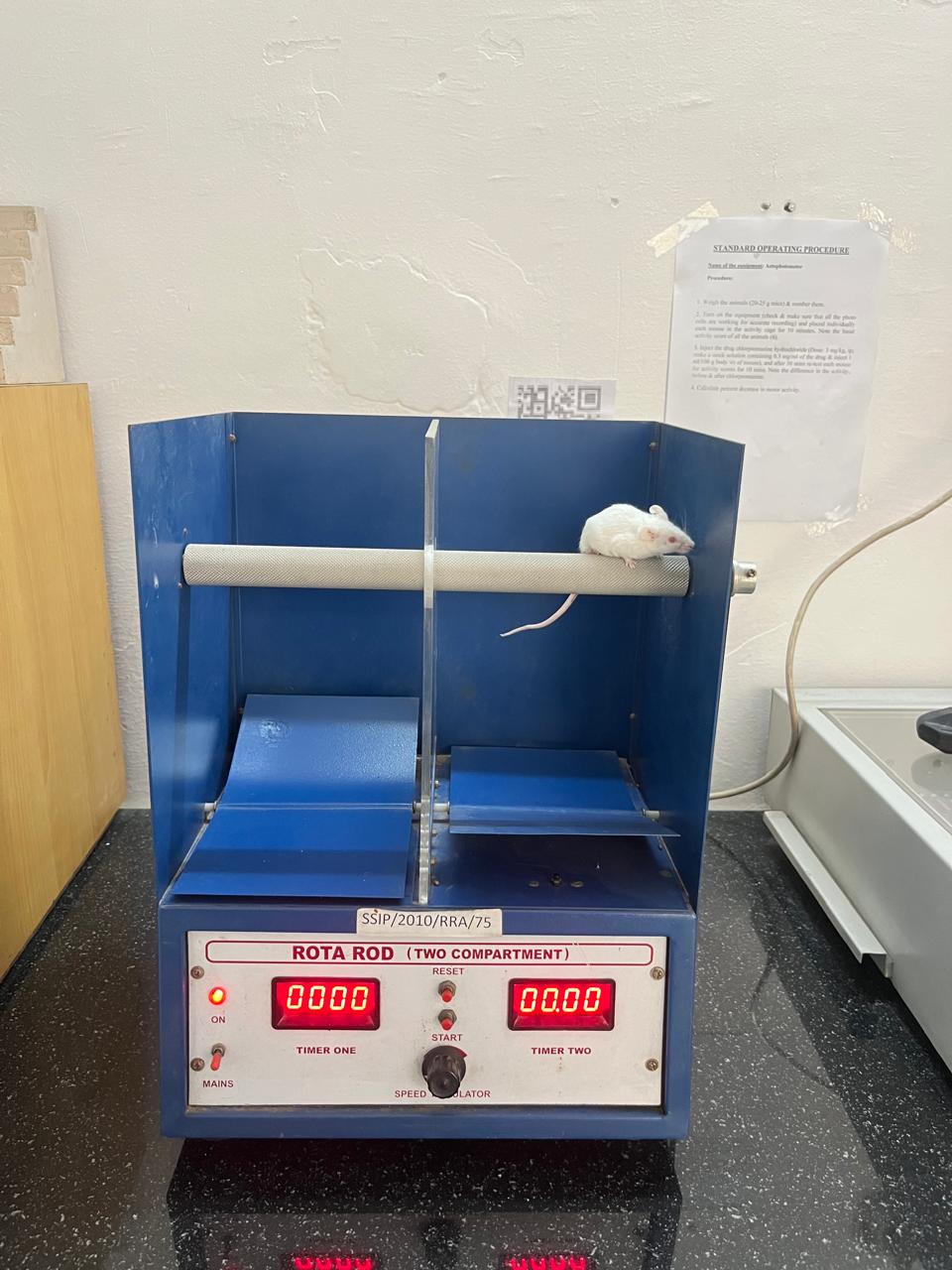
Fig. 1: Animal on rota rod during experiment
Table 6: Showing effects of different doses of cymbopogon citratus leaves ethanolic extract in skeletal muscle relaxant effect as compared to standard (diazepam)
| S. No. | Group and dose | Fall off time (sec) |
| 1. | Control 0.9% w/v sodium chloride Normal saline (10 ml/Kg) or (1 ml/100 gm, p. o.) | 32.2±3.68 |
| 2. | CCLEE 250 mg/kg (Test I) | 13.4±1.85* |
| 3. | CCLEE 500 mg/kg (Test II) | 16.8±2.66# |
| 4. | Standard dose (Diazepam: 4 mg/kg) | 06.4±1.66## |
Low dose (250 mg/kg) and High Dose (500 mg/kg), CCLEE: Cymbopogon citratus leaves ethanolic extract, *P<0.05, #P<0.01, ##P<0.001, When compared with the control group. All values represent = Mean±SEM, n= 6 in each group
Table 7: Showing effects of different doses of Cymbopogon citratus leaves ethanolic extract in skeletal muscle relaxant effect as compared to standard (Diazepam)
| S. No. | Group and dose | Fall off time (sec.) |
| 1. | Control 0.9% w/v sodium chloride Normal saline (10 ml/Kg) or (1 ml/100 gm, p. o.) | 34.4±2.64 |
| 2. | CCLEE 250 mg/kg (Test I) | 15.6±1.86* |
| 3. | CCLEE 500 mg/kg (Test II) | 17.6±2.64# |
| 4. | Standard dose (Diazepam: 4 mg/kg) | 07.4±1.62## |
Low dose (250 mg/kg) and High Dose (500 mg/kg), CCLEE: Cymbopogon citratus leaves ethanolic extract, *P<0.05, #P<0.01, ##P<0.001, When compared with the control group. All values represent = Mean±SEM, n= 6 in each group
Plasma corticosterone levels
Groups 1 to 6 were tail bled on day 1 and then corticosterone levels were combined to obtain the average levels in tail blood. For treatment of Groups see their respective experimental design.
Table showing the mean (±SE) values of corticosterone levels in post-tail suspension test experiments
Group 1: In this mice were treated with Normal saline and corticosterone level is measured which is 11. 87±0.53 ng/ml.
Group 2: In this mice were treated with low dose of Ethanolic extract and corticosterone level is measured, which is 5.16±1.27 ng/ml.
Group 3: In this mice were treated with High dose of Ethanolic extract and corticosterone level is measured which is 4.48±0.30 ng/ml.
Group 4: In this mice were treated with Standard (Diazepam) and corticosterone level is measured which is 0.82±0.35 ng/ml.
It is known that stress enhances the activity of the hypothalamus-pituitary-adrenal (HPA) axis and results in increased secretion of corticosteroids from the adrenal cortex. Cortisol and corticosterone are thus often used as biomarkers for stress and depressive disorders. Although corticosterone is considered the main glucocorticoid involved in regulation of stress responses in rodents, researchers often choose to detect cortisol for stress indicators in consideration of convenience and kits availability.
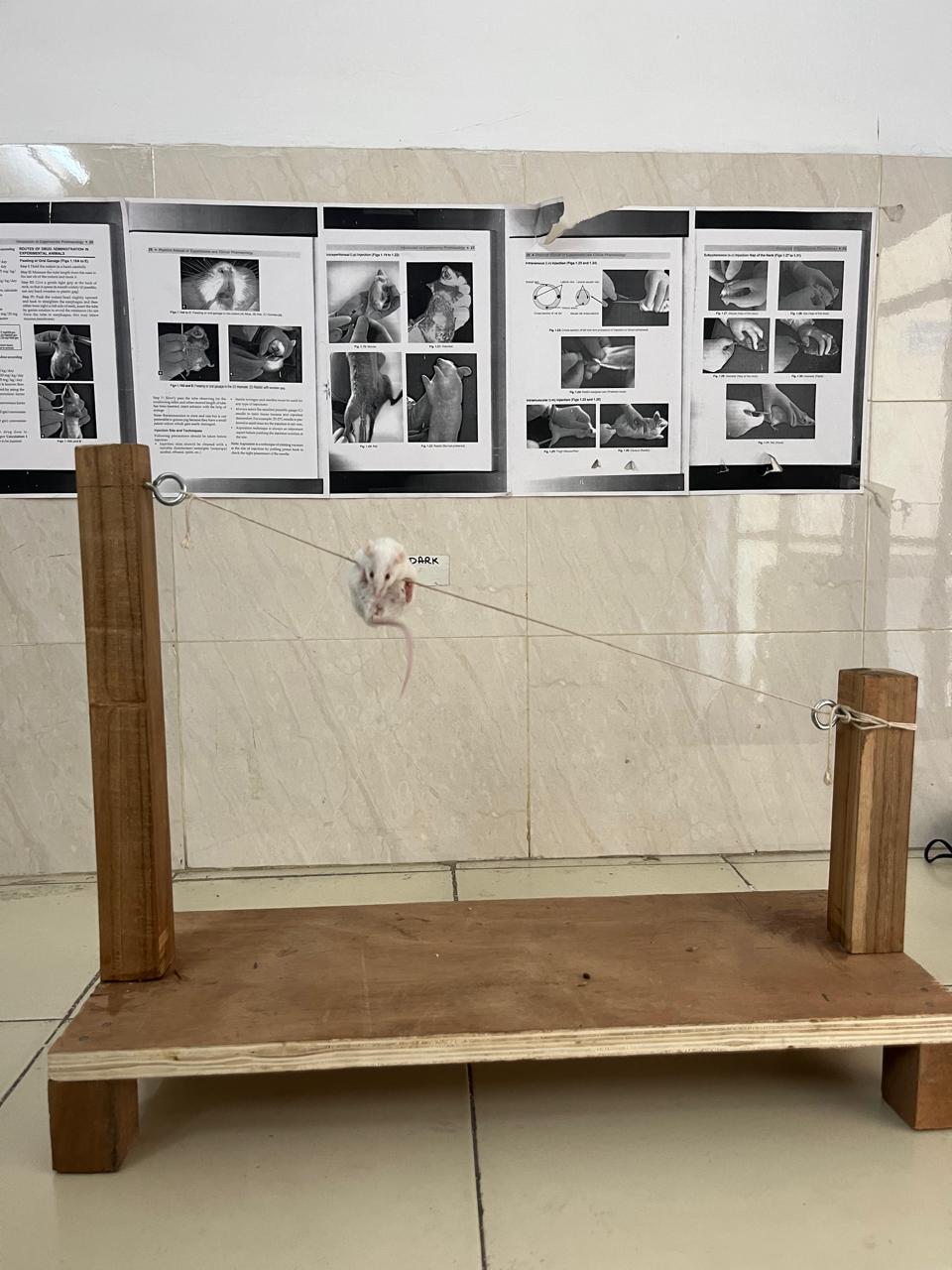
Fig. 2: Animal on inclined plane model
Table 8: Observations and calculations
| Group | Group treated with | Mean corticosterone(ng/ml)±SE |
| 1 | Control | 150.20± 0.53 |
| 2 | Test Ethanolic lower dose | 100.20±1.27* |
| 3 | Test Ethanolic higher dose | 159.36±0.30# |
| 4 | Standard dose | 125.50±0.35## |
*P<0.05, #P<0.01, ##P<0.001, When compared with the control group. All values represent = Mean±SEM, n= 5/6 in each group
CONCLUSION
The presence of medicinal substances in the higher plants is well established. Plants have provided a source of inspiration for novel drug compounds as plants derived medicines have made significant contribution towards human health. Phytomedicine can be used for the treatment of diseases as is done in case of Unani and Ayurvedic system of medicines or it can be the base for the development of a medicine, a natural blueprint for the development of a drug. After selection of Cymbopogon citratus, acute oral toxicity was detected with Ethanolic extracts (EECC) having dose (5, 50, 300, 1000 mg/kg) via oral route, shows no change in behavioral responses and observation shows no acute oral toxicity. Hence depending upon it, Dose was selected 250 mg/kg and 500 mg/kg for our experimental work. Preliminary phytochemical analysis of Cymbopogon citratus revealed the presence of phenol compound, Proteins, tannins, glycosides, Carbohydrate, Starch, Vitamins and Minerals etc. It is not surprising that there are differences in the pharmacological effects of plant species, due to the phytochemical properties and differences among species. Cymbopogon citratus (250 mg/kg and 500 mg/kg) Ethanolic extract was evaluated inalbino Swiss mice in RRA and IPMThe effects of diazepam (DZP; 4 mg/kg) were also being assessed. The higher dose of Ethanolic extract of Cymbopogon citratus showed the most remarkable activity.
ACKNOWLEDGMENT
It’s our privilege to express the profound sense of gratitude and cordial thanks to our respected chairman Mr. Anil Chopra and Vice Chairperson Ms. Sangeeta Chopra, St. Soldier Educational Society, Jalandhar for providing the necessary facilities to complete this research work.
FUNDING
Nil
AUTHORS CONTRIBUTIONS
All authors have contributed equally
CONFLICT OF INTERESTS
There are no conflicts of interest
REFERENCES
ReferencesChou R, Peterson K, Helfand M. Comparative efficacy and safety of skeletal muscle relaxants for spasticity and musculoskeletal conditions: a systematic review. J Pain Symptom Manage. 2004 Aug 1;28(2):140-75. doi: 10.1016/j.jpainsymman.2004.05.002, PMID 15276195.
Kiani HS, Ali A, Zahra S, Hassan ZU, Kubra KT, Azam M. Phytochemical composition and pharmacological potential of lemongrass (Cymbopogon) and impact on gut microbiota. Applied Chem. 2022;2(4):229-46. doi: 10.3390/appliedchem2040016.
Silva H, Barbara R. Exploring the anti-hypertensive potential of lemongrass a comprehensive review. Biology (Basel). 2022 Sep 22;11(10):1382. doi: 10.3390/biology11101382, PMID 36290288.
Mohammed T. Lemon grass (Cymbopogon L spreng) valuable grass but underutilized in northern Nigeria. International Journal of Innovative Food Nutrition & Sustainable Agriculture. 2019;7(2):6-14.
Mukarram M, Choudhary S, Khan MA, Poltronieri P, Khan MM, Ali J. Lemongrass essential oil components with antimicrobial and anticancer activities. Antioxidants (Basel). 2021 Dec 22;11(1):20. doi: 10.3390/antiox11010020, PMID 35052524.
Shah G, Shri R, Panchal V, Sharma N, Singh B, Mann AS. Scientific basis for the therapeutic use of Cymbopogon citratus stapf (lemon grass). J Adv Pharm Technol Res. 2011 Jan;2(1):3-8. doi: 10.4103/2231-4040.79796, PMID 22171285.
Aly KE. An overview of lemongrass (Cymbopogon citratus) and its essential oil extractions. Med Aromat Plants. 2021;10(6):390.
Abdelkader SM, Elkhishin IA, Mesallam DI, Abdelwahab M. Lemongrass [Cymbopogon citratus] essential oil: health beneficial perspective. Eur Chem Bull. 2023;12(1):3422-6.
Jacobs RA, Diaz V, Meinild AK, Gassmann M, Lundby C. The C57BL/6 mouse serves as a suitable model of human skeletal muscle mitochondrial function. Exp Physiol. 2013 Apr;98(4):908-21. doi: 10.1113/expphysiol.2012.070037, PMID 23180810.
Hu X, Charles JP, Akay T, Hutchinson JR, Blemker SS. Are mice good models for human neuromuscular disease? Comparing muscle excursions in walking between mice and humans. Skelet Muscle. 2017 Dec;7(1):26. doi: 10.1186/s13395-017-0143-9, PMID 29145886.
Das BK, Al Amin MM, Russel SM, Kabir S, Bhattacherjee R, Hannan JM. Phytochemical screening and evaluation of analgesic activity of Oroxylum indicum. Indian J Pharm Sci. 2014 Nov-Dec;76(6):571-5. PMID 25593396.
Kancherla N, Dhakshinamoothi A, Chitra K, Komaram RB. Preliminary analysis of phytoconstituents and evaluation of anthelminthic property of Cayratia auriculata (in vitro). Maedica (Bucur). 2019 Dec;14(4):350-6. doi: 10.26574/maedica.2019.14.4.350, PMID 32153665.