
Int J Curr Pharm Res, Vol 17, Issue 4, 10-14Review Article
A REVIEW ON HERBAL PLANTS WITH SKELETAL MUSCLE RELAXANT ACTIVITY
TAMANNA THAKUR*, AJEET PAL SINGH, AMAR PAL SINGH
Department of Pharmacology, St. Soldier Institute of Pharmacy, Lidhran Campus, Behind NIT (R. E. C.), Jalandhar–Amritsar by pass, NH-1, Jalandhar-144011, Punjab, India
*Corresponding author: Tamanna Thakur; *Email: tamannathr666@gmail.com
Received: 15 Apr 2025, Revised and Accepted: 14 Jun 2025
ABSTRACT
Nature affords us a rich source of plants with medicinal qualities that can lead the path to endless medication discoveries. Skeletal muscle relaxants are used to treat muscle spasm and stiffness. Muscle strain, which is a partial tear of a muscle, or sprain, which is a partial or whole rupture of a ligament, are frequently linked to muscle spasm, which is an abrupt involuntary contraction of one or more muscle groups. Many herbs as goods systematically in an effort to identify a viable substitute. The information was gathered for this review article in order to list the medicinal plants with skeletal muscle relaxant properties, the bioactive extract that is involved, the plant models that are used to evaluate the plants, and the potential therapeutic effects of the plants.
Keywords: Skeletal muscle relaxant, Herbs, Common names, Extract part, Mechanism of action, Benefits
© 2025 The Authors. Published by Innovare Academic Sciences Pvt Ltd. This is an open access article under the CC BY license (https://creativecommons.org/licenses/by/4.0/)
DOI: https://dx.doi.org/10.22159/ijcpr.2025v17i4.7005 Journal homepage: https://innovareacademics.in/journals/index.php/ijcpr
INTRODUCTION
In the Indian subcontinent, medicinal plants are a valuable source of income. We are blessed by nature with an abundance of plants, and many various kinds of plants may be seen growing throughout the nation. All three levels of biodiversity-species variety, genetic diversity, and habitat diversity-are abundant in India. Thousands of species are known to have therapeutic potential in India, and using various sections of various medicinal plants to treat particular illnesses has been popular since ancient times. Because it is more culturally acceptable, more compatible with the human body, and has less adverse effects, herbal medicine continues to be the primary source of healthcare for 75–80% of the population, mostly in developing nations. Nonetheless, their use in the developed world has significantly increased in recent years. These days, the careless use of commercial antimicrobial medications, which are frequently used to treat infectious diseases, has led to the development of multiple drug resistance [1, 2].
About 40% of a person's weight is made up of skeletal muscles, which are vital to overall health. Maintaining your posture and carrying out your daily activities are controlled by your skeletal muscles. They support vital biological processes such energy metabolism, core temperature management, nutrient sensing, and organ and bone protection. Age-related declines in muscle function lead to a reduction in mobility. This can lead to fall-related injuries, disability, loss of independence, and a significant rise in mortality among the elderly. The progressive loss of muscle mass and function in the aged and chronically ill as a result of muscular fiber atrophy and loss is referred to as sarcopenia. It has a major impact on total mortality, long-term care needs, impairment, and loss of freedom. Sarcopenia is a complex illness whose origin is poorly understood. A class of illnesses known as MSDs mostly affects the connective tissues, muscles, joints, and bones. These illnesses rank among the most costly and incapacitating conditions in the US and are frequently reported to cause pain and loss of function [3, 4].
Benefits of herbal muscle relaxants
There are many advantages of herbal over traditional pharmaceutical muscle relaxants, particularly for those looking for a natural or medicinal approach to pain relief.
Fewer side effects
Many plant-based remedies have weaker side effects than synthetic muscle relaxants, especially those that lead to lethargy, dizziness, or abuse with continued use.
Dual benefits for the body and mind
Some herbs can reduce muscle tension and soothe the nervous system. This is particularly important for tight muscles from habitual stress, where a holistic approach will treat both muscles and the mind.
Natural source
If the medicine is from nature, it may be viewed as relatively safer, especially when taking herbs for prolonged periods, than synthetic drugs that can build up toxicity within the body over time.
Reduced dependence
The pharmacological relaxants typically produce habituation and withdrawal symptoms, while herbal relaxants have less potential for leading to these disorders.
Holistic healing
Herbs are often utilized within traditional medicine systems that treat the patient and not just part of the illness. This means they will often offer other health benefits besides simply relieving muscle tension, like increased immunity, improved sleep, or relieved inflammation.
Availability and affordability
Herbal products and natural remedies are often more available and affordable than prescription medications and are therefore accessible for larger segments of the population.
Encouragement for health-promoting lifestyle changes
Several herbs that serve as muscle relaxants also have antioxidant and anti-inflammatory effects, and thus provide strength and endurance benefits to muscle recovery and muscle health after exertion or injury.
Future perspective of herbal skeletal muscle relaxants
There is a positive view of herbal skeletal muscle relaxants, especially in light of the preference for natural and safer forms of medications in comparison to using synthetic drugs. Compatibly, consumer consciousness is growing, particularly toward the side effects of conventional muscle relaxants (sedation, risk for dependence, and hepatotoxicity), and the offered treatments of herbal medicine are gaining attention in their therapeutic potential and holistic approach. One important area of opportunity is scientific validation through understanding through rigorous research. While there are many herbs recognized across human history for treatment of muscle relaxation, a limited number of herbs have been studied from a pharmacological perspective through the research process. Future research needs to determine in clinical trials within a controlled and reproducible experiment, research to assess pharmacodynamics dynamics, and long-term safety studies to provide good evidence addressing the muscle relaxant treatment efficacy of herbs. Another area of direction needs to include elucidating and separating active ingredients for each herbal product. The identification of a defined bioactive compound connected with the muscle relaxant effect will contribute to standardized products that may provide optimal dose and activity. Another major opportunity is advancing formulation technologies in combination with the active ingredient of a herbal product to help improve bioavailability, stability, and target delivery of efficacy of the herbal dosages. Potential examples include the role of nanotechnology, encapsulation, and polyherbal combinations to provide the desired therapeutic dosages. As herbal products advance into the marketplace, increased regulation is needed for quality control, safety, and labelling. Creating worldwide standards for herbal skeletal muscle relaxants could bring these agents more fully into clinical practice. Moving forward, interdisciplinary teamwork involving botanists, pharmacologists, clinicians, and traditional medicine clinicians will be critical to translate the knowledge of herbal therapy into evidence-based practice.
Table 1: List of herbal plants have activity on skeletal muscle relaxant
| Name of the plant | Common name | Family | Extract used | Part used |
| Allium macrostemon [5] | Chinese garlic | Amarylliadaceae | Aqueous | Bulbs |
| Anemarrhena asphodeloides [6] | Anemarrhena rhizome | Liliaceae | Aqueous | Leaves |
| Aniba riparia [7] | St. John's wort | Lauraceae | Ethanolic | Unripe fruit |
| Areca catechu [8] | Betel nut | Arecaceae | Dichloromethane, Ethanolic | Areca nut |
| Bacopa monnierilinn [9] | Brahmi | scrophulariaceae | Methanolic | Aerial part |
| Bupleurumfalcatum [10] | Chinese thoroughwax | Apiaceae | Methanolic | Fruit |
| Camellia sinensis [11] | Tea plant | Theaceae | Aqueous | Leaves |
| Casimiroaedulis [12] | White spoute | Rutaceae | Hydroalcholic | Leaves |
| Cecropiaglazioui [13] | Embauba | cecropiaceae | Aqueous | Leaves |
| Centellaasiatica [14] | Indian pennywort | Apiaceae | Ethanolic | Leaves |
| Cissampelossympodialis [15] | Abuta | Menispermaceae | Ethanolic extract | Leaves |
| Clitoriaternatea [16] | Butterfly-pea | Fabaceae | Methanolic | Plant powder |
| Coleus forskohlii [17] | Coleous | Lamiaceae | Aqueous | leaves |
| Convolvulus pluricaulis | Shankhpushpi | Convolvulaceae | Ethanolic | Whole plant |
| Crocus sativuslinn [19] | Saffron | Iridaceace | Aqueous, Ethanolic | Petals |
| Curcuma longa [20] | Turmeric | zingiberacea | Aqueous | Root (rhizome) |
| Cayratia japonica [21] | Bush killer | Vitaceae | Methanolic | Whole plant and fruits |
| Echiumamoenum | Red feathers | Boraginaceae | Aqueous | dried flowers |
| Emblica officinalis [22] | Amla | Euphorbiaceae | Aqueous | Fruit |
| Evening primerose oil [23] | Evening star/sun drop | Onagraceae | Hydroalcholic | Seeds |
| Galphimiaglauca [24] | Rain of gold | malphigiacea | Methanolic | Whole plant |
| Gastrodiaelata [25] | Tian ma | orchidaceae | Ethanolic | Rhizome |
| Gentianakochiana [26] | Trumpet gentian | Gentianaceae | Diethylether | Aerial parts |
| Humuluslupulus [27] | Hop | Cannabaceae | CO2 | flowers |
| Hypericumperforatumlinn [28] | Goatweed | Hypericacaceae | Aqueous-ethanolic | Aerial part |
| Hypericumreflexum [29] | Hypericum | Hypericaceae) | Methanolic | Aerial part |
| Inula japonica [30] | Elecampane roots | Asteraceae | Alcholic | Flower, root |
| Japanese valerian Roots [31] | Kesso root | Valerianaceae | Ehanolic | Roots |
| Kielmeyera coriacea [32] | Brazil | Clusiacea | Ethanolic | Stems |
| Lafoensiapacari A [33] | Didal | Lythraceae | Hydroalcholic | Stem bark |
| Lepidiummeyenii [34] | Maca | Brassicaceae | Aqueous | Hypocotyls |
| Lobelia inflate [35] | Indian tobacco | Campanulaceae | Methanolic | Leaves |
| Magnolia officinalis [36] | Beaver tree | Magnoliaceae | Aqueous | Magnoliaceae Bark |
| Marsileaminuta [37] | Dwarf waterclover | Marsileaceae | Ethanolic | Whole plant |
| Mimosa pudica [38] | Humble plant | Mimosaceae | Aqueous | Leaves |
| Mitragynaspeciosa [39] | Kratom | Rubiaceae | Ethanolic | Whole plant |
| Myristica fragran [40] | Nutmeg | Myristicaceae | N-Hexane | Seeds |
| Nelumbonucifera Gaertn [41] | Indian lotus | Nymphacaceae | Ethanolic | Flower |
| Ocoteaduckei [42] | Sweetweed | -lauraceae | Hydroalcoholic | Whole plant |
| Paullinia cupan [43] | Guarana | Sapindaceae | Methanolic | Seeds |
| Perillafrutescents [44] | Shiso | Labiatae | Aqueous | Leaves |
| Plantagoasiatica [45] | Asian plantain eng | Plantaginaceae | Petroleum ether | SEEDS |
| Polygala tenuifolia [46] | Snakeroot | Polygalaceae | Aqueous | Roots |
| Psoraleacorylifolia [47] | Bawchi | Leguminosae | Alcoholic | Seeds |
| Radix puerariae [48] | Kudzu root | Leguminaceae | Ethanolic | Whole plant |
| Rhazyastricta [49] | Senhwar | Apocynaceae | Aqueous | Leaves |
| Rhizoma acoritatarinowii [50] | Sweet flag | Araceae | Ethyl acetate | roots |
| Rhodiolarosea [51] | Roseroot | Crassulaceae | Hydroalcholic | Leaves |
| Salvia elegan Vahl [52] | Pineapple sage | Lamiaceae | Hydroalcoholic | Aerial parts |
| SchinusmolleL [53] | Brazilian peppertree | Anacardiaceae | Hexanic | Leaves |
| Securidacalongepedunculata [54] | Violet tree | polygalaceae | Aqueous | Roots |
| Siphocampylus verticillatus [55] | Mufumbo | Campanulaceae | Hydroalcoholic | Aerial part |
| Sphaeranthus Indicus [56] | Sanskrit | Asteraceae | Hydroalcholic | flower |
| Valerianawallichii [57] | Valerian | Valerianaceae | Aqueous, Methanolic, ethanolic | Rhizome |
| Withaniasominiferalinn [58] | Indian ginseng | Solanaceae | Methanolic | Roots |
| Tabebuiaavellanedae [59] | Moreton bay chestnut | Bignoniaceae | Ethanolic | Bark, leaves |
| Tinaspora cardifolia [60] | Giloe | Menispermaceae | Aqueous | Whole plant |
| Trichiliacatigua [61] | Catuaba | Erythroxylaceae | Hydroalcholic | Root |
| Trigonellafoneum-graecum [62] | Fenugreek | Leguminosae | Ethanolic and petroleum ether | Seeds |
| Thymus pubescences [63] | Firefly thyme | Lamiaceae | Methanolic | Root |
| Zizyphus Officinal [64] | Amla | Rhamnaceae | Alcoholic | Rhizome |
| Zingiber officinale [65] | Ginger | zingiberaceae | Hydroalcoholic | Rhizome |
Mechanism action of skeletal muscle relaxants [66]
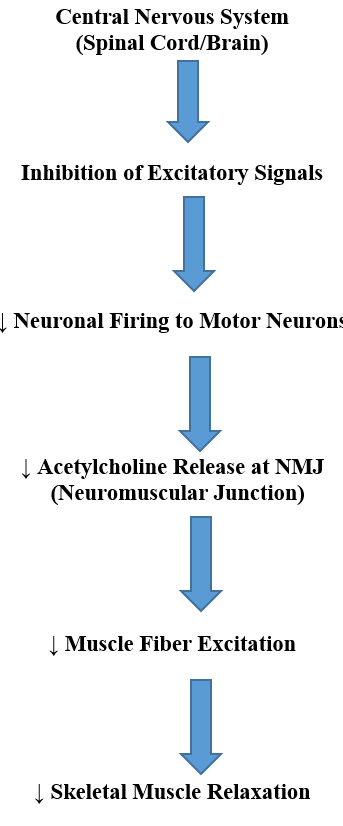
Fig. 1: Flow diagram of mechanism action of skeletal muscle relaxants
CONCLUSION
To relieve discomfort, inflammation, and muscle stiffness, an ever-growing segment of the population is discovering herbal therapies. Many have come to believe that herbs, because they are “natural,” are safe. The truth is, herbs can present mild to severe adverse effects (including toxicity, allergies, and interactions with other medicines and medications). There are numerous herbal plants with good systematically in an attempt to discover substitutes such as medicinal and therapeutic effects. In this article, in order to list the medicinal plants with skeletal muscle-relaxant effects, the bioactive extract that is involved, the plant models that are used to evaluate the plants, and the potential for therapeutic effects of the plants.
ACKNOWLEDGMENT
It’s our privilege to express the profound sense of gratitude and cordial thanks to our respected chairman Mr. Anil Chopra and Vice Chairperson Ms. Sangeeta Chopra, St. Soldier Educational Society, Jalandhar for providing the necessary facilities to complete this review work.
FUNDING
Nil
AUTHORS CONTRIBUTIONS
All authors have contributed equally
CONFLICT OF INTERESTS
There are no conflicts of interest.
REFERENCES
Davies J. Inactivation of antibiotics and the dissemination of resistance genes. Science. 1994 Apr 15;264(5157):375-82. doi: 10.1126/science.8153624, PMID 8153624.
Service RF. Antibiotics that resist resistance. Science. 1995 Nov 3;270(5237):724-7. doi: 10.1126/science.270.5237.724, PMID 7481757.
Anker SD, Coats AJ, Morley JE, Rosano G, Bernabei R, Von Haehling S. Muscle wasting disease: a proposal for a new disease classification. J Cachexia Sarcopenia Muscle. 2014 Mar;5(1):1-3. doi: 10.1007/s13539-014-0135-0, PMID 24595459.
Benham AJ, Geier KA, Salmond S. How well are nurse practitioners prepared to treat common musculoskeletal conditions? Orthop Nurs. 2016 Sep 1;35(5):325-9. doi: 10.1097/NOR.0000000000000278, PMID 27648795.
Lee S, Kim DH, Lee CH, Jung JW, Seo YT, Jang YP. Antidepressant like activity of the aqueous extract of Allium macrostemon in mice. J Ethnopharmacol. 2010 Sep 15;131(2):386-95. doi: 10.1016/j.jep.2010.07.015, PMID 20637276.
Ren LX, Luo YF, Li X, Zuo DY, Wu YL. Antidepressant like effects of sarsasapogenin from Anemarrhena asphodeloides bunge (Liliaceae). Biol Pharm Bull. 2006;29(11):2304-6. doi: 10.1248/bpb.29.2304, PMID 17077534.
Sousa FC, Melo CT, Monteiro AP, Lima VT, Gutierrez SJ, Pereira BA. Antianxiety and antidepressant effects of riparin III from Aniba riparia (Nees) mez (Lauraceae) in mice. Pharmacol Biochem Behav. 2004 May 1;78(1):27-33. doi: 10.1016/j.pbb.2004.01.019, PMID 15159131.
Dar A, Khatoon S. Antidepressant effects of ethanol extract Ofareca catechu in rodents. Phytother Res. 1997 Mar;11(2):174-6. doi: 10.1002/(SICI)1099-1573(199703)11:2<174::AID-PTR65>3.0.CO;2-B.
Sairam K, Dorababu M, Goel RK, Bhattacharya SK. Antidepressant activity of standardized extract of Bacopa monniera in experimental models of depression in rats. Phytomedicine. 2002 Jan 1;9(3):207-11. doi: 10.1078/0944-7113-00116, PMID 12046860.
Kwon S, Lee B, Kim M, Lee H, Park HJ, Hahm DH. Antidepressant like effect of the methanolic extract from Bupleurum falcatum in the tail suspension test. Prog Neuropsychopharmacol Biol Psychiatry. 2010 Mar 17;34(2):265-70. doi: 10.1016/j.pnpbp.2009.11.015, PMID 19932727.
Singal A, Tirkey N, Muragundla A, Chopra K. Green tea [Camellia sinensis (L.) O. Kuntze] extract reverses the despair behaviour in reserpinised and diabetic mice. Indian J Exp Biol. 2006 Nov;44(11):913-7. PMID 17205714.
Mora S, Diaz Veliz G, Lungenstrass H, Garcia Gonzalez M, Coto Morales T, Poletti C. Central nervous system activity of the hydroalcoholic extract of Casimiroa edulis in rats and mice. J Ethnopharmacol. 2005 Feb 28;97(2):191-7. doi: 10.1016/j.jep.2004.10.028, PMID 15707751.
Winterhoff H, Spengler B, Christoffel V, Butterweck V, Lohning A. Cimicifuga extract BNO 1055: reduction of hot flushes and hints on antidepressant activity. Maturitas. 2003 Mar 14;44 Suppl 1:S51-8. doi: 10.1016/s0378-5122(02)00348-1, PMID 12609559.
Chen Y, Han T, Rui Y, Yin M, Qin L, Zheng H. Effects of total triterpenes of Centella asiatica on the corticosterone levels in serum and contents of monoamine in depression rat brain. Zhongyaocai Journal of Chinese Medicinal Materials. 2005 Jun 1;28(6):492-6.
Almeida RN, Navarro DS, De Assis TS, De Medeiros IA, Thomas G. Antidepressant effect of an ethanolic extract of the leaves of Cissampelos sympodialis in rats and mice. J Ethnopharmacol. 1998 Dec 1;63(3):247-52. doi: 10.1016/s0378-8741(98)00086-5, PMID 10030729.
Taur DJ, Patil RY, Khalate AH, Dnyaneshwar M, Taur J. Phytochemical investigation and evaluation of Clitoria ternatea seeds extracts on clonidine-induced catalepsy in mice. Pharmacol Online. 2009;3:215-20.
Ozawa H, Maeda H, Amemlya N, Saito T, Takahata N. Novel water sulouble Forskolin analog (NKH477) shows antidepressant like effects in forced swim test. Biol Psychiatry. 1997 Jul 1;42(1):235S. doi: 10.1016/S0006-3223(97)87871-7.
Dhamija HK, Parashar B, Singh J. Antidepression potential of herbal drugs: an overview. J Chem Pharm Res. 2011;3(5):725-35.
Bhargava K. Medicinal uses and pharmacological properties of Crocus sativus Linn (Saffron). Int J Pharm Pharm Sci. 2011;3:22-6.
Yu ZF, Kong LD, Chen Y. Antidepressant activity of aqueous extracts of Curcuma longa in mice. J Ethnopharmacol. 2002 Nov 1;83(1-2):161-5. doi: 10.1016/s0378-8741(02)00211-8, PMID 12413724.
Han XH, Hong SS, Hwang JS, Lee MK, Hwang BY, RO JS. Monoamine oxidase inhibitory components from Cayratia japonica. Arch Pharm Res. 2007 Jan;30(1):13-7. doi: 10.1007/BF02977772, PMID 17328236.
Pemminati S, Gopalakrishna HN, Shenoy AK, Sahu SS, Mishra S, Meti V. Antidepressant activity of aqueous extract of fruits of Emblica officinalis in mice. Int J Appl Biol Pharm Technol. 2010 Aug;1(2):449-54.
Almeida RN, Navarro DS, De Assis TS, De Medeiros IA, Thomas G. Antidepressant effect of an ethanolic extract of the leaves of Cissampelos sympodialis in rats and mice. J Ethnopharmacol. 1998 Dec 1;63(3):247-52. doi: 10.1016/s0378-8741(98)00086-5, PMID 10030729.
Herrera Ruiz M, Jimenez Ferrer JE, De Lima TC, Aviles Montes D, Perez Garcia D, Gonzalez Cortazar M. Anxiolytic and antidepressant like activity of a standardized extract from Galphimia glauca. Phytomedicine. 2006 Jan 5;13(1-2):23-8. doi: 10.1016/j.phymed.2005.03.003, PMID 16360929.
Zhou BH, Li XJ, Liu M, Wu Z, Ming Hu XM. Antidepressant like activity of the Gastrodia elata ethanol extract in mice. Fitoterapia. 2006 Dec 1;77(7-8):592-4. doi: 10.1016/j.fitote.2006.06.016, PMID 17052862.
Tomic M, Tovilovic G, Butorovic B, Krstic D, Jankovic T, Aljancic I. Neuropharmacological evaluation of diethyl ether extract and xanthones of Gentiana kochiana. Pharmacol Biochem Behav. 2005 Jul 1;81(3):535-42. doi: 10.1016/j.pbb.2005.03.019, PMID 15932769.
Zanoli P, Rivasi M, Zavatti M, Brusiani F, Baraldi M. New insight in the neuropharmacological activity of Humulus lupulus L. J Ethnopharmacol. 2005 Oct 31;102(1):102-6. doi: 10.1016/j.jep.2005.05.040, PMID 16046089.
Vattikuti UM, Ciddi V. An overview on Hypericum perforatum Linn. Nat Prod Radiance. 2005;4(5):368-81.
Sanchez Mateo CC, Bonkanka CX, Prado B, Rabanal RM. Antidepressant activity of some Hypericum reflexum L. fil. extracts in the forced swimming test in mice. J Ethnopharmacol. 2007 May 30;112(1):115-21. doi: 10.1016/j.jep.2007.02.019, PMID 17383128.
Yu NJ, Zhao YM, Zhang YZ, Li YF. Japonicins A and B from the flowers of Inula japonica. J Asian Nat Prod Res. 2006 Jul 1;8(5):385-90. doi: 10.1080/10286020500034832, PMID 16864452.
Sakamoto T, Mitani Y, Nakajima K. Psychotropic effects of Japanese valerian root extract. Chem Pharm Bull (Tokyo). 1992 Mar 25;40(3):758-61. doi: 10.1248/cpb.40.758, PMID 1611689.
Obici S, Trombelli M, Garcia Cortez D, Audi E, Martins J, Otobone F. Behavioral effects of Kielmeyera coriacea extract in rats. Indian J Pharmacol. 2006 Nov 1;38(6):427-8. doi: 10.4103/0253-7613.28211.
Galdino PM, Nascimento MV, Sampaio BL, Ferreira RN, Paula JR, Costa EA. Antidepressant like effect of Lafoensiapacari A. Antidepressant like effect of lafoensia pacari A. St.-Hil. ethanolic extract and fractions in mice. J Ethnopharmacol. 2009 Jul 30;124(3):581-5. doi: 10.1016/j.jep.2009.05.001, PMID 19439172.
Rubio J, Caldas M, Davila S, Gasco M, Gonzales GF. Effect of three different cultivars of Lepidium meyenii (Maca) on learning and depression in ovariectomized mice. BMC Complement Altern Med. 2006 Jun;6:23. doi: 10.1186/1472-6882-6-23, PMID 16796734.
Subarnas A, Oshima Y, Sidik Y, Ohizumi Y. An antidepressant principle of Lobelia inflata L. (Campanulaceae). J Pharm Sci. 1992 Jul 1;81(7):620-1. doi: 10.1002/jps.2600810705, PMID 1403691.
Yi LT, Xu Q, Li YC, Yang L, Kong LD. Antidepressant like synergism of extracts from magnolia bark and ginger rhizome alone and in combination in mice. Prog Neuropsychopharmacol Biol Psychiatry. 2009;33(4):616-24. doi: 10.1016/j.pnpbp.2009.03.001, PMID 19285110.
Bhattamisra SK, Khanna VK, Agrawal AK, Singh PN, Singh SK. Antidepressant activity of standardised extract of Marsilea minuta Linn J Ethnopharmacol. 2008 Apr 17;117(1):51-7. doi: 10.1016/j.jep.2008.01.012, PMID 18299179.
Molina M, Contreras CM, Tellez Alcantara P. Mimosa pudica may possess antidepressant actions in the rat. Phytomedicine. 1999 Nov;6(5):319-23. doi: 10.1016/S0944-7113(99)80052-X, PMID 11962537.
Idayu NF, Hidayat MT, Moklas MA, Sharida F, Raudzah AR, Shamima AR. Antidepressant like effect of mitragynine isolated from Mitragyna speciosa korth in mice model of depression. Phytomedicine. 2011 Mar 15;18(5):402-7. doi: 10.1016/j.phymed.2010.08.011, PMID 20869223.
Jaiswal P, Kumar P, Singh VK, Singh DK. Biological effects of Myristica fragrans. Annu Rev Biomed Sci. 2009 Dec 1;11:21-9. doi: 10.5016/1806-8774.2009v11p21.
Shim I, Bae H, Kang M, Pyun KH. Development of better antidepressant using Nelumbinis semen in an animal model of depression. Int Congr S. 2006 Apr 1;1287:345-9. doi: 10.1016/j.ics.2005.11.116.
De Sousa FC, Pereira BA, Lima VT, Lacerda CD, Melo CT, Barbosa Filho JM. Central nervous system activity of yangambin from Ocotea duckei vattimo (Lauraceae) in mice. Phytother Res. 2005;19(4):282-6. doi: 10.1002/ptr.1499, PMID 16041767.
Campos AR, Barros AI, Albuquerque FA, M Leal LK, Rao VS. Acute effects of guarana (Paullinia cupana Mart.) on mouse behaviour in forced swimming and open field tests. Phytother Res. 2005 May;19(5):441-3. doi: 10.1002/ptr.1471, PMID 16106397.
Nakazawa T, Yasuda T, Ueda J, Ohsawa K. Antidepressant like effects of apigenin and 2,4,5-trimethoxycinnamic acid from Perilla frutescens in the forced swimming test. Biol Pharm Bull. 2003;26(4):474-80. doi: 10.1248/bpb.26.474, PMID 12673028.
Xu C, Luo L, Tan RX. Antidepressant effect of three traditional Chinese medicines in the learned helplessness model. J Ethnopharmacol. 2004;91(2-3):345-9. doi: 10.1016/j.jep.2004.01.012, PMID 15120459.
Cheng MC, Li CY, Ko HC, Ko FN, Lin YL, Wu TS. Antidepressant principles of the roots of Polygala tenuifolia. J Nat Prod. 2006 Sep 22;69(9):1305-9. doi: 10.1021/np060207r, PMID 16989524.
Chen Y, Han T, Rui Y, Yin M, Qin L, Zheng H. Effects of total triterpenes of Centella asiatica on the corticosterone levels in serum and contents of monoamine in depression rat brain. Zhong Yao Cai. 2005 Jun 1;28(6):492-6. PMID 16209267.
Yan B, Wang DY, Xing DM, Ding Y, Wang RF, Lei F. The antidepressant effect of ethanol extract of Radix puerariae in mice exposed to cerebral ischemia reperfusion. Pharmacol Biochem Behav. 2004;78(2):319-25. doi: 10.1016/j.pbb.2004.04.010, PMID 15219773.
Ali BH, Bashir AK, Tanira MO. The effect of rhazya stricta decne a traditional medicinal plant on the forced swimming test in rats. Pharmacol Biochem Behav. 1998;59(2):547-50. doi: 10.1016/s0091-3057(97)00470-x, PMID 9477006.
Aswar U, Patil R, Akotkar L, Pawar A. Molecular mechanism of action of phytoconstituents in neuropsychiatric disorders. Neuro Phytomedicine; 2024. p. 83-113.
Perfumi M, Mattioli L. Adaptogenic and central nervous system effects of single doses of 3% rosavin and 1% salidroside Rhodiolarosea L. extract in mice. Phytother Res. 2007 Jan;21(1):37-43. doi: 10.1002/ptr.2013, PMID 17072830.
Mora S, Millan R, Lungenstrass H, Diaz Veliz G, Moran JA, Herrera Ruiz M. The hydroalcoholic extract of Salvia elegans induces anxiolytic and antidepressant like effects in rats. J Ethnopharmacol. 2006 Jun 15;106(1):76-81. doi: 10.1016/j.jep.2005.12.004, PMID 16413718.
Machado DG, Bettio LE, Cunha MP, Santos AR, Pizzolatti MG, Brighente IM. Antidepressant like effect of rutin isolated from the ethanolic extract from Schinus molle L. in mice: evidence for the involvement of the serotonergic and noradrenergic systems. Eur J Pharmacol. 2008 Jun 10;587(1-3):163-8. doi: 10.1016/j.ejphar.2008.03.021, PMID 18457827.
Adebiyi RA, Elsa AT, Agaie BM, Etuk EU. Antinociceptive and antidepressant like effects of securidaca longepedunculata root extract in mice. J Ethnopharmacol. 2006 Sep 19;107(2):234-9. doi: 10.1016/j.jep.2006.03.017, PMID 16647235.
Rodrigues AL, Da Silva GL, Mateussi AS, Fernandes ES, Miguel OG, Yunes RA. Involvement of monoaminergic system in the antidepressant like effect of the hydroalcoholic extract of Siphocampylus verticillatus. Life Sci. 2002 Feb 8;70(12):1347-58. doi: 10.1016/s0024-3205(01)01498-9, PMID 11885577.
Galani VJ, Patel BG. Effect of hydroalcoholic extract of Sphaeranthus indicus against experimentally induced anxiety, depression and convulsions in rodents. Int J Ayurveda Res. 2010 Apr;1(2):87-92. doi: 10.4103/0974-7788.64412, PMID 20814521.
Subhan F, Karim N, Gilani AH, Sewell RD. Terpenoid content of Valeriana wallichii extracts and antidepressant like response profiles. Phytother Res. 2010 May;24(5):686-91. doi: 10.1002/ptr.2980, PMID 19943315.
Verma SK, Kumar A. Therapeutic uses of Withania somnifera (Ashwagandha) with a note on withanolides and its pharmacological actions. Asian J Pharm Clin Res. 2011 Jul 4;4(1):1-4.
Freitas AE, Budni J, Lobato KR, Binfare RW, Machado DG, Jacinto J. Antidepressant like action of the ethanolic extract from tabebuia avellanedae in mice: evidence for the involvement of the monoaminergic system. Prog Neuropsychopharmacol Biol Psychiatry. 2010 Mar 17;34(2):335-43. doi: 10.1016/j.pnpbp.2009.12.010, PMID 20026371.
Dhingra D, Goyal PK. Evidences for the involvement of monoaminergic and GABAergic systems in antidepressant like activity of Tinospora cordifolia in mice. Indian J Pharm Sci. 2008 Nov;70(6):761-7. doi: 10.4103/0250-474X.49118, PMID 21369437.
Campos AR, Barros AI, Albuquerque FA, M Leal LK, Rao VS. Acute effects of guarana (Paullinia cupana Mart.) on mouse behaviour in forced swimming and open field tests. Phytother Res. 2005 May;19(5):441-3. doi: 10.1002/ptr.1471, PMID 16106397.
Dhananjaya DR, Swamy SK, Chandrasekhar GP, JSS. Second international conference and Indo-Canadian satellite symposium on pharmaceutical sciences technology, practice and natural products. College of Pharmacy; 2007 Feb. p. 24-6.
Morteza Semnani K, Mahmoudi M, Riahi G. Effects of essential oils and extracts from certain thymus. species on swimming performance in mice. Pharm Biol. 2007 Jan 1;45(6):464-7. doi: 10.1080/13880200701389177.
Sharma VK, Chauhan NS, Lodhi S, Singhai AK. Anti-depressant activity of zizyphus xylopyrus. Int J Phytomed. 2009 Jan 1;1(1):12-7. doi: 10.5138/ijpm.2009.0975.0185.05788.
Yi LT, Xu Q, Li YC, Yang L, Kong LD. Antidepressant like synergism of extracts from magnolia bark and ginger rhizome alone and in combination in mice. Prog Neuropsychopharmacol Biol Psychiatry. 2009 Jun 15;33(4):616-24. doi: 10.1016/j.pnpbp.2009.03.001, PMID 19285110.
Kruidering Hall M, Campbell L. Skeletal muscle relaxants. In: Katzung BG, Vanderah TW, editors. Basic and Clinical Pharmacology, 15e. McGraw-Hill; 2021.