
Int J Curr Pharm Res, Vol 17, Issue 4, 15-20Review Article
ROLE OF PHYTOESTROGENS IN POST MENOPAUSAL DISORDERS: A REVIEW
SREE MAHALAKSHMI PASUMARTHY1*, GUTTIKONDA UDAYA2
1*Department of Pharmacology, Narayana Pharmacy College, Nellore, A. P, India. 2Department of Pharmacognosy, Narayana Pharmacy College, Nellore, A. P, India
*Corresponding author: Sree Mahalakshmi Pasumarthy; *Email: pasumarthysreemahalakshmi3@gmail.com
Received: 15 Apr 2025, Revised and Accepted: 16 Jun 2025
ABSTRACT
Phytoestrogens are polyphenolic non-steroidal secondary metabolite phytoconstituents having oestrogenic potential due to the structural similarities with the endogenous oestrogen 17β-estradiol in mammals. They can be classified into flavanols, isoflavones, lignans, Ellagic tannins, Coumestans and Stilbenes based on the differences in their chemical structure. They are known to alleviate the climacteric changes such as hormone-related tumors, Osteoporosis, Atherosclerosis, Alzheimer’s, etc of the post menopausal state, which arises due to low levels of endogenous oestrogen hormone.
All Phytoestrogens except stilbenes are biosynthesized through Shikimic acid pathway, either from the aromatic amino acids or the important intermediates in the pathway and mimic estrogen activities by various cell signalling pathways acting on multiple molecular targets in mediating various pharmacological responses. Stilbenes are phytoalexins produced in response to stress by various biotic and abiotic factors. They are known to exhibit both oestrogenic and activities based on the concentration of the phytoestrogen and their ability to bind with various oestrogen receptors in synergizing or antagonising the pharmacological response. Apart from the oestrogenic activity, phytoestrogens are known to exhibit various pharmacological responses like antioxidant, anti-inflammatory, cardiovascular disorders, anti-cancer, age-related cognitive decline etc. Dietary sources of phytoestrogen include fruits (blueberry, strawberry raspberry), vegetables (broccoli, garlic, carrot, spinach, legumes), flax seed, soybean, green tea, black tea, red clover.
Keywords: Phytoestrogens, Polyphenols, Estrogen, Post menopause, Pharmacological response, Phytoconstituents
© 2025 The Authors. Published by Innovare Academic Sciences Pvt Ltd. This is an open access article under the CC BY license (https://creativecommons.org/licenses/by/4.0/)
DOI: https://dx.doi.org/10.22159/ijcpr.2025v17i4.7006 Journal homepage: https://innovareacademics.in/journals/index.php/ijcpr
INTRODUCTION
Although phytoestrogens started gaining importance from late 19th century, they were used from ancient times for their abortive ability as well as to treat the post-menopausal changes arising due to low levels of oestrogen, such as climacteric changes and osteoporosis [1].
Menopause marks the end of menstrual cycle for women along with certain hormonal changes. This occurs between the age groups of 45 to 52. Around 1.2 billion women to become menopausal by 2030 along with 47 million new population each year, making their way into this category. Greater than 85% in this age group are reported to experience complications like hot flushes, sexual dysfunction, weight gain cognitive decrease, etc. [2, 3].
Owing to the low levels of estrogen in the menopausal phase it brings with it many vasomotor manifestations viz. hot flushes, palpitations along with the physiological manifestations like lack of concentration, anxiety, depression, sleep disturbances etc., Hormone replacement therapy is an option available for overcoming these symptoms but it comes with many side effects which provoked researchers to search for the herbal alternatives like phytoestrogens [4, 5].
Phytoestrogens are the non-steroidal and polyphenolic secondary metabolites bearing the structural and functional similarity to hormone estrogen in humans. These compounds have an excellent role in rebalancing the female hormone, especially in the post-menopausal stage. They are reported to be present in various vegetables (Carrot, Potato, and Sweet potato), legumes, fruits (Pomegranate, Apples), whole grains, particularly in flaxseed and soya [6, 7].
These compounds are known to possess estrogenic activity as their structure mimics that of Estradiol. They are commonly characterized by the present of two hydroxyl groups opposite to each other in the molecule at the distance of 10 Angstromsas in Estradiol. These hydroxyl groups are known for the binding of phytoestrogens with that of the Ligand of estrogenic receptor. Estradiol receptors are of three types: ER-alpha, ER-beta, GPER [1].
These compounds can be either agonist or antagonist to the estrogens based on the concentration and bioactivity of phytoestrogens in various plants as well as their ability to bind to the estrogen receptors by activating or blocking them based on the type of estrogen receptors [8].
Menopause adversely affects the women's life in many ways, leading to many chronic diseases i. e., metabolic disorders like Obesity, Diabetes, Cardiovascular ailments like ischemic stroke, osteoporosis, osteoarthritis, Neurodegenerative disorders like dementia, cognitive decline, depression, cancer etc. Osteoporosis although don't have a cure but the risk can be reduced by many medications conventionally available, which comes with its own side effects. Hence the long-term management of the disease needs to be planned by suitable herbal alternatives [9, 10].
Around 300 plants are known to possess various phytosterols. They are known to reduce LDL levels thus preventing atherosclerosis, decrease blood insulin level, favouring diabetes management, reducing oxidative stress thus helpful in treating dementia [11].
Diseases associated with menopause and their preventive strategies
Being the backbone of the family a woman's health should be a priority at all ages. However, a middle-aged and elderly woman's health off late has been the reason for mortality or disability. However, in this age group of women there has been development of different ailments owing to the climacteric changes that affects their quality of life. The symptoms arising due to the menopausal phase can be classed as somatic or vegetative symptoms covering the vasomotor symptoms and psychic disorders, second is organic symptoms including variations in body weight, urogenital symptoms, skin changes and third one is metabolic symptoms including Diabetes, Osteoporosis, Atherosclerosis, lipid profile variations etc [12].
There are 11 conditions which received attention, including musculoskeletal ailments like osteoporosis, osteoarthritis, sarcopenia, neurodegenerative disorders, cancer, metabolic disorders, insomnia, and migraine, vasomotor symptoms like hot flushes, cardiovascular ailments, depression and cognitive decline. Among these diseases, CVD, COPD, Cancer and Diabetes are reported to be the leading cause of death in women in the developed countries as per the Global burden of diseases report.
Muscular skeletal disorders
Musculo-skeletal disorders like osteoporosis were found to be associated with the decrease in the Bone Mineral Density (BMD) and also deterioration of bone tissue, leading to high risk of fractures among the post-menopausal group of women [13].
Cancer
Cancers of the Breast, Ovary, Cervix, Pancreas, lung, colorectal region are the common cancers affecting the post-menopausal group. Some of the reasons associated with the development of Cancer include sedentary lifestyle, intake of high-calorie food, low intake of fruits and vegetables, smoking, alcohol etc. [14].
Neurodegenerative disorders
In the Neurodegenerative disorders, Alzheimer's, Dementia tops the list associated with the cognitive decline that significantly affects the quality of life and causes hindrance in executing the routine activities [15].
COPD
Chronic obstructive pulmonary disorder occurring due to the decrease hair flow due to deterioration of lung tissue otherwise called Emphysema. Reasons include smoking indoor and outdoor, occupational exposure.
Metabolic disorders
Diabetes is one of the common disorders affecting the masses due to the sedentary lifestyle and aging process. Increased prevalence was found in the post-menopausal age group. Apart from this, Obesity, Hyperlipidemia, Hypertension etc too contribute to the disease category [16].
Insomnia
Sleep disturbance is one of the most significant contributing factors affecting the quality of life in the post-menopausal women. Almost 50% of the women are reported to have sleep disturbance during and after the menopause [17, 18].
Migraine
Literature states that 75% of women to be suffering from vascular headache. In childhood period both gender suffer equally but as the girl heads towards puberty moving towards middle age migraine affect them significantly [19, 20].
Preventive strategies
Preventive strategies include lifestyle modification with regular exercises, yoga, diet control, eating a nutritious and healthy food along with regular screening to assess the risk factors for early diagnosis and treatment. In edition HRT can be more promising.
Regular physical activity is reported to reduce certain post-menopausal risks like CVDs, certain cancers, metabolic disorders, etc and enhances mental health which is the key factor during this phase by the release of Endorphins [21].
The cases of Anxiety and Depression were found more in the post-menopausal group when compared to the other age group of women. With regular exercises viz. Aerobics, walking can reduce them up to some extent.
Table 1: Morbidity and mortality due to postmenopausal disorders in 50-69 Y of age group
| Disease | Disability | Mortality |
| Musculo-skeletal | 17% | - |
| Cancer | - | 41% |
| Alzheimer’s | 1% | - |
| COPD | 1% | 2.9% |
| CVD | 18% | 31% |
| Diabetes | 3.4% | 2.4% |
| Migraine | 1.4% | - |
Table 2: Morbidity and mortality due to postmenopausal disorders in 70 Y of age group
| Disease | Disability | Mortality |
| Musculo-skeletal | 9.5% | - |
| Cancer | - | 16% |
| Alzheimer’s | 5.7% | - |
| COPD | 5.7% | 3.7% |
| CVD | 39% | 54% |
| Diabetes | 3.4% | 2.2% |
| Migraine | - | 0.3% |
Conventional treatment of postmenopausal disorders
Conventional treatment for the post-menopausal symptoms include both the hormone replacement therapy (HRT) and non-hormonal treatment with the different classes of medication like anti-depressants, anti-hypertensives, selective serotonin reuptake inhibitors and nor epinephrine reuptake inhibitors etc.
Hormone therapy been in practice from decades and was reported to be very effective for the treatment of post-menopausal complications like Vasomotor symptoms, Genitourinary symptoms and osteoporosis. However, owing to the adverse effects of the hormone therapy like neuro degenerative disorders, breast cancer, endometrial cancer, cardiovascular diseases etc., there has been a concern from the scientific community towards its usage and hence the interest of the researchers is turning towards our ancient roots to find the better alternative for the post-menopausal complications [22].
Starting the hormonal therapy preceding the menopause at the minimal dose has been reported to impart maximum benefit and minimal risk to the women. For women who are below the age of 60 years and exhibiting the symptoms without any contraindications, starting the hormonal therapy in the initial faces could be a better option and has been reported to have less mortality rate due to the complications in the long run. The common route of administration includes oral, transdermal and vaginal or injectables. Other routes of administration include subcutaneous, intranasal, and percutaneous [23, 24].
Around 75% women reported vasomotor symptoms like hot flushes and greater than 50% report genito-urinary symptoms of menopause (GSM). Options available to circumvent the complications include Hormonal and Non-hormonal therapies. The first line of treatment includes HRR with the estrogen alone or in combination with progesterone, which is reported to reduce the vehicle motor symptoms by around 75%. Coming to the roots of administration both oral and transdermal route reported similar efficacy. However, these vasomotor symptoms may be prominent for greater than 7 y and GSM stays chronic. The Non-hormonal therapy reduced the motor symptoms by 40 to 65% [25].
Table 3: Conventional treatment of postmenopausal disorders
| S. No. | Hormonal therapy (HRT) | Non-hormonal therapy |
| 1 | Estrogen | Anti-depressants/Anti-hypertensive’s |
| 2 | Estrogen+Progestin | SSRIs – Paroxetine, Fluoxetine, Sertaline, Citalopram, Escitalopram |
| 3 | Progesterone | SNRIs – Duloxetine, Venlafaxine, Desvenlafaxine, Gabapentene, Clonidine |
| 4 | Tibolone | Neurokinin 3 (NK 3) receptor antagonist–Fezolinetant [26, 27] |
Mechanism action of conventional drugs
During the menopause phase, women's hormones mainly estrogen and progesterone levels gets diminished producing different symptoms which are treated by artificial administration of this hormones. Hormone Replacement Therapy comes with either estrogen alone or progesterone alone or estrogen progesterone in combination to circumvent various ailments arising due to the hormonal disturbances during the menopause phase. Depending on the route of administration, the metabolism and the bio availability of the drug changes.
Based on the phase of menopause, the treatment differs whether it is early past or late about state early menopause or late menopause stage. Early menopause phase consists of hormone treatment with progesterone or progestin or gestagen substitution, Levonorgestrel intrauterine system containing synthetic steroid and testosterone derivative. In the late menopausal phase, the combination of estrogen-progesterone therapy (EPT) was reported to be effective, starting with the fewer doses and then increasing the dose if the present dose was ineffective. This is usually for women with uterus. If women have undergone Hysterectomy then only estrogen therapy would be preferred.
Transdermal route is preferred when there is oral route in tolerance by the patient example in cases of liver dysfunction, increased triglycerides in blood, thrombolytic disorders, metabolic disorders, etc as the first pass effect is bypassed with the better bioavailability and long term balance of the hormones. Long-term use of the therapy could be associated with breast cancer, ovarian cancer, stroke, endometrial cancer, Venous and pulmonary thrombo embolism [28, 29].
Classification, phytochemistry and pharmacological aspects
Coming to the chemical, they can be classified into Isoflavonoids, flavonoids, lignans, ellagitannins, Coumestans and stilbenes. These compounds mainly exist as glycosidic conjugates [30].
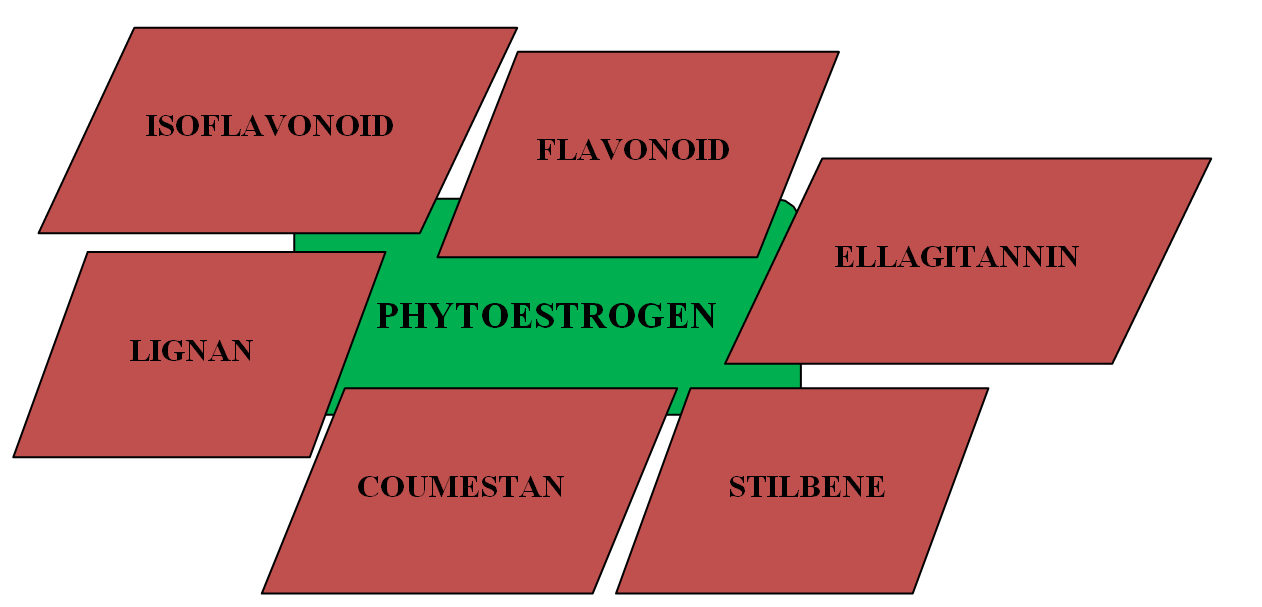
Fig. 1: Classification of phytoestrogens
Table 4: Bioactive compounds in each class of phytoestrogens
| Flavanols | Isoflavones | Lignans | Ellagitannins | Coumestans | Stilbenes |
| Rutin | Deaden | Secoisolariciresinol | Pelagic acid | Coumesterol | Resveratrol |
| Quercetin | Genistein | Metairesinol | Urolithins | Wedelolactone | Pinosylvin |
| Biochanin A | Pinoresinol | Corilagin | Psoralidin | ||
| Sesamin | Glycyrol | ||||
| Formonetin | Lariciresinol |
[31-35].
Isoflavones
Polyphenolic non-steroidal compounds widely found in fruits and vegetables. They are biosynthesized from the Phenylpropanoid pathway by phenylalanine, which is further converted to 4-coumaryl A, enters the flavonoid biosynthesis pathway, which produces chalcones derivatives, which are further converted to flavonoids and Isoflavonoids by complex enzymatic reactions. The hydroxyl group at the fourth position in B ring is known to the known to be the binding site for the estrogen receptor [36]. They share the structural similarity with that of 17 β-Estradiol (endogenous estrogen) capable of binding to estrogen receptors. Two of the major bioactive Isoflavonoids include Genistein and Deaden, which are known to process either estrogenic or anti-estrogenic activity. Others include Biochanin A, Forminetin. They exist as glucose conjugates which are inactive in nature and further hydrolyzed by intestinal bacteria and converted to active forms of their respective aglycone.
Apart from the estrogen mimicking activities, these are also known to have a significant role in the treatment of cancers arising due to hormonal disturbances, osteoporosis, cardiovascular diseases, postmenopausal adverse effects, old age cognitive impairment etc.
Flavanols
These are the polyphenolic compounds with C6-C3-C6 skeleton found in fruits, vegetables and other parts of the plant. They can be classified based on their chemical structure into Flavones, Flavanols, Isoflavones, Chalcones and Anthocyanins. They exist as beta glycosidic conjugates which on ingestion are hydrolyzed by enteromicrobial glycosidase in the gut to the corresponding aglycone [38].
They are known to exhibit various pharmacological activities viz. anti-oxidant, anti-cancer and anti-inflammatory etc. Among all these flavanols such as Quercetin and Rutin were found to exhibit estrogenic potential and hence classified as Phytoestrogens. Quercetin is known to inhibit tumor proliferation by activation of Guanyl cyclase [39].
Lignans
These are the diphenolic fiber associated compounds having two phenyl propane units biosynthesized from amino acid phenylalanine via Phenylpropanoid pathway. They are known to possess weak estrogenic and non-estrogenic activities. Linseed is one of the richest sources of dietary lignans. Some of the important lignans include Pinoresinol, Sesamin, Secoisolariciresinol, Metairesinol and Lariciresinol which exist as glucoside conjugates [40].
Chemically, lignans can be classified as Furofuran, Tetrahydrofuran, Aryltetralin, Arylnapthalene, Dibenzylbutane and Dibenzylbutyrolactone. Lignans ingested through diet is converted by enteric bacteria in the intestine to two important mammalians lignans viz. Enterodiol and Enterolactone. Lignans are known to possess various therapeutic properties such as estrogenic, anti-cancer, anti-hypertensive, antioxidant, antiviral, insecticidal etc. [41].
Ellagitannins
Hydrolysable tannins formed from the combination of Gallic acid and Hexahydroxydiphenic acid with double lactone ring. They exist as glucoside, forming various monomers, oligomers and complex polymers. On hydrolysis, they yield Gallic acid and Pelagic acid and are further metabolized by intestinal microorganisms to Urolithins. Urolithins are known for their estrogenic and non-estrogenic activity [42].
They can be classified into simple Ellagitannins and Glycosidic Ellagitannins based on the presence or absence of glycosidically attached catechin chain. Therapeutically known for the treatment of various cancers, anti oxidant, anti microbial, analgesic, anti-inflammatory, immune modulatory, antihypertensive activities. In the Shikimic acid pathway once 3-dehydro shikimate is formed, this leads to the formation of gallic acid, which further, undergoes complex enzymatic reactions to form ellagitannins [43].
Coumestans
These are polycyclic aromatic compound with the heterocyclic oxygen in a 4-ring system containing a coumaran group and benzofuran group joined by a C=C bond. They can be classified further as Coumestans with basic moiety, furanocoumestans, dimethylpyranocoumestans, and O-glycosylated Coumestans mediating pharmacological activities [44].
Biosynthesis of Coumestans begins once phenylalanine is formed in the Shikimic acid pathway; it further forms cinnamate, coumaroyl derivative further forms chalcones then Isoflavonoids, Diadzein after which series of complex enzymatic reactions leads to the formation of Coumestans and its derivative. Coumestans with phytoestrogenic activity include Coumesterol and 4-methoxy Coumesterol. Their therapeutic uses include treatment of cancer, diabetes, Neurodegenerative ailments, organ damage, and autoimmune disorders, etc, mediated by multiple underlying mechanisms of signalling [45].
Stilbenes
Polyhydroxy Phenolic compounds having 14 carbon skeleton with C6-C2-C6 which is a double bonded ethylene bridge connecting both phenyl groups, of which one ring has two hydroxyl groups attached whereas the other one has substituted hydroxyl or methoxy groups and as they exhibited excellent fluorescent characteristic they are classed as stilbenes which after a Greek word “stilbos” that is shining.
The biosynthesis is attributed to the various stress factors to which plant is exposed both biotic and abiotic factors. Infection due to microorganisms, elevated temperatures, oxidative changes due to UV rays etc as a defence mechanism adopted by the plant. Mainly these phytoalexins are derived from Resveratrol, from grapes wine in response to fungal infection or Pinosylvin in the pine plants. It is biosynthesized from phenylalanine of Shikimic acid pathway to Cinnamic acid, coumaroyl Co A and then to Resveratrol in response to any stress factor. Research focus enhanced due to its immense therapeutic potential as anti-cancer, anti-inflammatory, hypolipedemic and anti-aging activities [46].
Table 5: Plants containing the phytoestrogens and the various phytochemicals involved in exerting the bioactivity
| Category | Plant source | Bioactive compound | Therapeutic use |
Isoflavonoids and Flavonols |
Soyabean | Genistein, Diadzein, Glycetin, Formononetin | Treatment of post-menopausal cancers like Breast cancer, colon cancer, Alzheimer’s |
| Chickpea | Genistein, Biochanin A | ||
Alfalfa Red Clover |
Formononetin Biochanin A |
||
| Peanut | Genistein | ||
| Lignans | Flax seed | Secoisolariciresinol, Lariciresinol, Metairesinol | Anti-oestrogenic, Anti-carcinogenic, Anti-oxidant, Estrogenic, Anti-hypertensive, Anti-viral, Insecticidal |
| Sesame seeds | Sesamin, Sesaminol, Sesmolin | ||
| Cashew nuts | Lariciresinol, Secoisolariciresinol | ||
| Strawberry | Metairesinol | ||
| Broccoli | Lariciresinol | ||
| Ellagitannins | Pomegranates, Strawberry, Raspberry, Walnuts, Almonds | Ellagic acid, Punicalagin, Sanguiin | Anti-inflammatory, Anti-cancer, Anti-oxidant, Estrogenic, Anti-microbial |
| Pomegranates, Berries, Nuts | Urolithins | ||
| Caesalpinia coriaria | Corilagin | ||
| Coumestans | Sprouts of alfalfa | Coumesterol | Estrogenic, Anti-cancer, Anti-inflammatory, Anti-osteoporotic, Neuroprotective, Anti-microbial |
| Clover | |||
| Wedelia calendulacea | Wedelolactone | ||
| Psoralea corylifolia | Psoralidin | ||
| Glycyrrhiauralensis | Glycyrol | ||
| Stilbenes | Polygonum cuspidatum, Grapes, Peanuts, Apples, Plum, Blue berry | Resveratrol | Cancer, Neurodegenerative diseases, Dibaetes, Anti-microbial |
| Pinus sylvestris, Pinus densiflora | Pinosylvin | Anti-microbial, Anti-Rheumatic, Anti-oxidant |
Mechanism of action
Phytoestrogens are known to modulate the pharmacological responses by various signalling pathways viz. inhibition of the estrogen receptor ER alpha ER beta and GPER, interference with the growth factor, stimulating apoptosis and blocking the anti-apoptotic signalling.
Flavonoids work by stimulating the phosphorylation of ER alpha, thus inducing the transcriptional activity of estrogen, leading to inhibition of cancer cell proliferation and were also found to exhibit neuroprotective potential in treating dementia [47].
Lignans are stored as glycosides, which are further converted to aglycoside metabolites and Enterolactone by the activity of intestinal bacteria, which exhibits estrogen-like therapeutic activity by inducing the transcription of estrogen when lignans binds to ER [48].
Ellagitannins act by induction of apoptosis, inhibition of enzyme aromatase, stimulation of autophagy, transcription of oncogenes [49].
Coumestans are known to exhibit the pharmacological response by the inhibition of the enzymes 17-beta HSD and aromatase, which prevents the synthesis of estrogen that ultimately leads to apoptosis of cancer cells [50].
Stilbenes act by causing apoptosis; inhibition of the enzyme mitochondrial ATP synthase with COX-2 enzyme inhibition the prostaglandins synthesis reduces thus reducing malignant cell proliferation n in cancer [51].
Various therapeutic applications
The following table presents a brief summary of the plants containing phytoestrogens and the various phytochemicals involved in exerting the bioactivity:
CONCLUSION
Woman undergoing HRT were found to be associated with money side effects viz. endometrial cancer, thrombosis, vaginal bleed, arteriosclerosis etc, in this view these phytoconstituents with multiple applications can serve as potential therapeutic targets in alleviating various chronic disorders. The only challenge lies in the systematic screening followed by both particular preclinical and clinical evaluation trials before it is available in the market to overcome the adverse effects after long-term usage.
Phytoestrogens thus can be a strong ray of hope with systematic investigations in curing and ailing many chronic diseases in the post-menopausal phase in women due to estrogen deficiency thus paving the way for the healthier society. These have the potential to serve the purpose of alternative or complementary treatment with Reflexology; Acupuncture etc can go a long way addressing the issue holistically.
ABBREVIATIONS
COX: Cycloxygenase, ER: Estrogen Receptor, GPER: G-Protein Coupled Estrogen Receptor, HRT: Hormone Replacement Therapy, HSD: Hydroxy Steroid Hydrogenase, EPT: Estrogen Progesterone Therapy, LDL: Low density Lipoprotein, COPD: Chronic Obstructive Pulmonary Disease, GSM: Genitourinary syndrome of Menopause, SSRI: Selective Serotonin Reuptake Inhibitors, SNRI: Serotonin and Nor-epinephrine Reuptake Inhibitors.
FUNDING
Nil
AUTHORS CONTRIBUTIONS
All authors have contributed equally
CONFLICT OF INTERESTS
Declared none
REFERENCES
Popa DS, Rusu ME. Isoflavones: vegetable sources biological activity and analytical methods for their assessment. Superfood Funct Food the Dev Superfoods Roles Med. 2017 Feb 22;7:133-53. doi: 10.5772/66531.
Djapardy V, Panay N. Alternative and non-hormonal treatments to symptoms of menopause. Best Pract Res Clin Obstet Gynaecol. 2022 May 1;81:45-60. doi: 10.1016/j.bpobgyn.2021.09.012, PMID 34952794.
Edington RF, Chagnon JP, Steinberg WM. Clonidine (Dixarit) for menopausal flushing. Can Med Assoc J. 1980 Jul 5;123(1):23-6. PMID 6998552.
Van Dijk GM, Kavousi M, Troup J, Franco OH. Health issues for menopausal women: the top 11 conditions have common solutions. Maturitas. 2015 Jan 1;80(1):24-30. doi: 10.1016/j.maturitas.2014.09.013, PMID 25449663.
Bonomo SM, Rigamonti AE, Giunta M, Galimberti D, Guaita A, Gagliano MG. Menopausal transition: a possible risk factor for brain pathologic events. Neurobiol Aging. 2009 Jan 1;30(1):71-80. doi: 10.1016/j.neurobiolaging.2007.05.017, PMID 17601638.
Rodriguez Landa JF, Puga Olguin A, German Ponciano LJ, Olmos Vazquez OJ, Bernal Morales B. Phytoestrogens as potential therapeutic agents for the treatment of anxiety and affective disorders. Stud Nat Prod Chem. 2018 Jan 1;58:133-59. doi: 10.1016/B978-0-444-64056-7.00005-2.
Desmawati D, Sulastri D. Phytoestrogens and their health effect. Open Access Maced J Med Sci. 2019 Feb 15;7(3):495-9. doi: 10.3889/oamjms.2019.044, PMID 30834024.
Patra S, Gorai S, Pal S, Ghosh K, Pradhan S, Chakrabarti S. A review on phytoestrogens: current status and future direction. Phytother Res. 2023 Jul;37(7):3097-120. doi: 10.1002/ptr.7861, PMID 37246823.
Lobo A, Launer LJ, Fratiglioni L, Andersen K, Di Carlo A, Breteler MM. Prevalence of dementia and major subtypes in Europe: a collaborative study of population-based cohorts, neurologic diseases in the elderly research group. Neurology. 2000 Jun 1;54(11) Suppl 5:S4-9. PMID 10854354.
Carr MC. The emergence of the metabolic syndrome with menopause. J Clin Endocrinol Metab. 2003 Jun 1;88(6):2404-11. doi: 10.1210/jc.2003-030242, PMID 12788835.
Lobo RA, Davis SR, De Villiers TJ, Gompel A, Henderson VW, Hodis HN. Prevention of diseases after menopause. Climacteric. 2014 Oct 1;17(5):540-56. doi: 10.3109/13697137.2014.933411, PMID 24969415.
Blumel JE, Cano A, Mezones Holguin E, Baron G, Bencosme A, Benitez Z. A multinational study of sleep disorders during female mid-life. Maturitas. 2012 Aug 1;72(4):359-66. doi: 10.1016/j.maturitas.2012.05.011, PMID 22717489.
Khadilkar SS. Musculoskeletal disorders and menopause. J Obstet Gynaecol India. 2019 Apr 2;69(2):99-103. doi: 10.1007/s13224-019-01213-7, PMID 30956461.
Donaldson MS. Nutrition and cancer: a review of the evidence for an anti-cancer diet. Nutr J. 2004 Oct 20;3(1):19. doi: 10.1186/1475-2891-3-19, PMID 15496224.
Gadhave DG, Sugandhi VV, Jha SK, Nangare SN, Gupta G, Singh SK. Neurodegenerative disorders: mechanisms of degeneration and therapeutic approaches with their clinical relevance. Ageing Res Rev. 2024 Jun 1;99:102357. doi: 10.1016/j.arr.2024.102357, PMID 38830548.
Sternfeld B, Dugan S. Physical activity and health during the menopausal transition. Obstet Gynecol Clin North Am. 2011 Sep;38(3):537-66. doi: 10.1016/j.ogc.2011.05.008, PMID 21961719.
Bondarev D, Sipila S, Finni T, Kujala UM, Aukee P, Laakkonen EK. The role of physical activity in the link between menopausal status and mental well-being. Menopause. 2020 Apr 1;27(4):398-409. doi: 10.1097/GME.0000000000001490, PMID 32049927.
Soares CN, Zitek B. Reproductive hormone sensitivity and risk for depression across the female life cycle: a continuum of vulnerability? J Psychiatry Neurosci. 2008 Jul 1;33(4):331-43. PMID 18592034.
Sussman M, Trocio J, Best C, Mirkin S, Bushmakin AG, Yood R. Prevalence of menopausal symptoms among mid-life women: findings from electronic medical records. BMC Womens Health. 2015 Dec;15:58. doi: 10.1186/s12905-015-0217-y, PMID 26271251.
Treloar AE. Menstrual cyclicity and the pre-menopause. Maturitas. 1981 Dec 1;3(3-4):249-64. doi: 10.1016/0378-5122(81)90032-3, PMID 7334935.
Hill K. The demography of menopause. Maturitas. 1996 Mar 1;23(2):113-27. doi: 10.1016/0378-5122(95)00968-x, PMID 8735350.
Tavani A, La Vecchia C. The adverse effects of hormone replacement therapy. Drugs Aging. 1999 May;14(5):347-57. doi: 10.2165/00002512-199914050-00003, PMID 10408735.
Beral V, Banks E, Reeves G. Evidence from randomised trials on the long-term effects of hormone replacement therapy. Lancet. 2002 Sep 21;360(9337):942-4. doi: 10.1016/S0140-6736(02)11032-4, PMID 12354487.
Fait T. Menopause hormone therapy: latest developments and clinical practice. Drugs Context. 2019 Jan 2;8:212551. doi: 10.7573/dic.212551, PMID 30636965.
Yoon SH, Lee JY, Lee C, Lee H, Kim SN. Gabapentin for the treatment of hot flushes in menopause: a meta-analysis. Menopause. 2020 Apr 1;27(4):485-93. doi: 10.1097/GME.0000000000001491, PMID 32049930.
Pan M, Pan X, Zhou J, Wang J, Qi Q, Wang L. Update on hormone therapy for the management of postmenopausal women. BioSci Trends. 2022 Feb 28;16(1):46-57. doi: 10.5582/bst.2021.01418, PMID 35013031.
Fait T. Menopause hormone therapy: latest developments and clinical practice. Drugs Context. 2019 Jan 2;8:212551. doi: 10.7573/dic.212551, PMID 30636965.
Tavani A, La Vecchia C. The adverse effects of hormone replacement therapy. Drugs Aging. 1999 May;14(5):347-57. doi: 10.2165/00002512-199914050-00003, PMID 10408735.
Beral V, Banks E, Reeves G. Evidence from randomised trials on the long term effects of hormone replacement therapy. Lancet. 2002 Sep 21;360(9337):942-4. doi: 10.1016/S0140-6736(02)11032-4, PMID 12354487.
Desmawati D, Sulastri D. Phytoestrogens and their health effect. Open Access Maced J Med Sci. 2019 Feb 14;7(3):495-9. doi: 10.3889/oamjms.2019.044, PMID 30834024.
Falcone Ferreyra ML, Rius SP, Casati P. Flavonoids: biosynthesis biological functions and biotechnological applications. Front Plant Sci. 2012 Sep 28;3:222. doi: 10.3389/fpls.2012.00222, PMID 23060891.
Garcia Calderon M, Perez Delgado CM, Palove Balang P, Betti M, Marquez AJ. Flavonoids and isoflavonoids biosynthesis in the model legume lotus japonicus; connections to nitrogen metabolism and photorespiration. Plants (Basel). 2020 Jun 20;9(6):774. doi: 10.3390/plants9060774, PMID 32575698.
Ismail T, Calcabrini C, Diaz AR, Fimognari C, Turrini E, Catanzaro E. Ellagitannins in cancer chemoprevention and therapy. Toxins. 2016 May 13;8(5):151. doi: 10.3390/toxins8050151, PMID 27187472.
Chakraborty D, Gupta K, Biswas S. A mechanistic insight of phytoestrogens used for rheumatoid arthritis: an evidence-based review. Biomed Pharmacother. 2021 Jan 1;133:111039. doi: 10.1016/j.biopha.2020.111039, PMID 33254019.
Nehybova T, Smarda J, Benes P. Plant coumestans: recent advances and future perspectives in cancer therapy. Anticancer Agents in Medicinal Chemistry Anticancer Agents. 2014 Dec 1;14(10):1351-62.
Falcone Ferreyra ML, Rius SP, Casati P. Flavonoids: biosynthesis biological functions and biotechnological applications. Front Plant Sci. 2012 Sep 28;3:222. doi: 10.3389/fpls.2012.00222, PMID 23060891.
Liu W, Feng Y, Yu S, Fan Z, Li X, Li J. The flavonoid biosynthesis network in plants. Int J Mol Sci. 2021 Nov 26;22(23):12824. doi: 10.3390/ijms222312824, PMID 34884627.
Ku YS, Ng MS, Cheng SS, Lo AW, Xiao Z, Shin TS. Understanding the composition, biosynthesis, accumulation and transport of flavonoids in crops for the promotion of crops as healthy sources of flavonoids for human consumption. Nutrients. 2020 Jun 8;12(6):1717. doi: 10.3390/nu12061717, PMID 32521660.
Dias MC, Pinto DC, Silva AM. Plant flavonoids: chemical characteristics and biological activity. Molecules. 2021 Sep 4;26(17):5377. doi: 10.3390/molecules26175377, PMID 34500810.
Rodriguez Garcia C, Sanchez Quesada C, Toledo E, Delgado Rodriguez M, Gaforio JJ. Naturally lignin-rich foods: a dietary tool for health promotion? Molecules. 2019 Mar 6;24(5):917. doi: 10.3390/molecules24050917, PMID 30845651.
Razna K, Nozkova J, Vargaova A, Harencar L, Bjelkova M. Biological functions of lignans in plants. Agriculture. 2021;67(4):155-65. doi: 10.2478/agri-2021-0014.
Landete JM. Ellagitannins ellagic acid and their derived metabolites: a review about source metabolism functions and health. Food Res Int. 2011 Jun 1;44(5):1150-60. doi: 10.1016/j.foodres.2011.04.027.
Al Harbi SA, Abdulrahman AO, Zamzami MA, Khan MI. Urolithins: the gut-based polyphenol metabolites of ellagitannins in cancer prevention a review. Front Nutr. 2021 Jun 7;8:647582. doi: 10.3389/fnut.2021.647582, PMID 34164422.
Tu Y, Yang Y, Li Y, He C. Naturally occurring coumestans from plants: their biological activities and therapeutic effects on human diseases. Pharmacol Res. 2021 Jul 1;169:105615. doi: 10.1016/j.phrs.2021.105615, PMID 33872808.
Tu Y, Yang Y, Li Y, He C. Naturally occurring coumestans from plants: their biological activities and therapeutic effects on human diseases. Pharmacol Res. 2021 Jul 1;169:105615. doi: 10.1016/j.phrs.2021.105615, PMID 33872808.
De Rossi L, Rocchetti G, Lucini L, Rebecchi A. Antimicrobial potential of polyphenols: mechanisms of action and microbial responses a narrative review. Antioxidants (Basel). 2025 Feb 10;14(2):200. doi: 10.3390/antiox14020200, PMID 40002386.
Amiri B, Yazdani Tabrizi M, Naziri M, Moradi F, Arzaghi M, Archin I. Neuroprotective effects of flavonoids: endoplasmic reticulum as the target. Front Neurosci. 2024 Jun 18;18:1348151. doi: 10.3389/fnins.2024.1348151, PMID 38957188.
Kiyama R. Biological effects induced by estrogenic activity of lignans. Trends Food Sci Technol. 2016 Aug 1;54:186-96. doi: 10.1016/j.tifs.2016.06.007.
Ismail T, Calcabrini C, Diaz AR, Fimognari C, Turrini E, Catanzaro E. Ellagitannins in cancer chemoprevention and therapy. Toxins. 2016 May 13;8(5):151. doi: 10.3390/toxins8050151, PMID 27187472.
Abdullah A. Inhibitors of cytochrome P450 enzymes CYP17 and 17 [beta]-HSD3: their role in the treatment of hormone-dependent prostate and breast cancer (Doctoral dissertation, Kingston University); 2016.
Lin HY, Davis PJ, Tang HY, Mousa SA, Luidens MK, Hercbergs AH. The pro-apoptotic action of stilbene induced COX-2 in cancer cells: convergence with the anti-apoptotic effect of thyroid hormone. Cell Cycle. 2009 Jun 15;8(12):1877-82. doi: 10.4161/cc.8.12.8747, PMID 19440051.