
Int J Curr Pharm Res, Vol 17, Issue 5, 17-21Review Article
COMPREHENSIVE REVIEW OF THE PHARMACOLOGICAL POTENTIAL OF CITRUS RETICULATA LEAVES: EVALUATING EFFICACY, SAFETY, AND THERAPEUTIC POTENTIAL
POOJA SHARMA*, AJEET PAL SINGH, AMAR PAL SINGH
Department of Pharmacology, St. Soldier Institute of Pharmacy, Lidhran Campus, Behind NIT (R. E. C.), Jalandhar–Amritsar by pass, NH-1, Jalandhar-144011, Punjab, India
*Corresponding author: Pooja Sharma; *Email: poojasharmapk7@gmail.com
Received: 06 Jun 2025, Revised and Accepted: 28 Jul 2025
ABSTRACT
Citrus reticulata, known as the mandarin orange or tangerine, has gained acclaim for its fruit. Yet, the leaves of citrus reticulata also possess remarkable pharmacological properties. Even though the leaves have been used in several cultures for centuries, the pharmacological potential of the leaves has yet to be formally reviewed and explored. Therefore, the aim of this paper is to critically evaluate the effectiveness, safety, and therapeutic potential of citrus reticulata leaves using recent scientific evidence. Citrusreticulata leaves contain flavonoids (heparin and naringin) and essential oils, in addition to other bioactive compounds. Some of the pharmacological activities include potent antioxidant, anti-inflammatory, antimicrobial, and antidiabetic properties. The review discusses how these compounds interact with various biological targets, indicating there is some potential for the use of citrus reticulata leaves, for example, in the management of oxidative stress, inflammation, and metabolic disorders. Given the pharmacological activities cited previously, citrus reticulata leaves are a promising avenue for investigating therapeutic agents. The bioactive compounds derived from citrus reticulata leaves demonstrate some potent pharmacological activities, which indicates potential for use in pharmaceutical formulations and functional foods. Still, more clinical studies and standardization of extracts from citrus reticulata leaves need to be performed to ensure efficacy and safety for use in therapeutic settings.
Keywords: Citrus reticulate leaves, Bioactive compounds, Antioxidant, Anti-inflammatory, Therapeutic potential
© 2025 The Authors. Published by Innovare Academic Sciences Pvt Ltd. This is an open access article under the CC BY license (https://creativecommons.org/licenses/by/4.0/)
DOI: https://dx.doi.org/10.22159/ijcpr.2025v17i5.7023 Journal homepage: https://innovareacademics.in/journals/index.php/ijcpr
INTRODUCTION
Citrus reticulata, or Mandarin oranges, are little citrus fruits that are easily peeled and have a pleasant flavor. Beyond its fruit, Citrus reticulata leaves have drawn a lot of interest due to their many uses and advantages. For decades, the medicinal benefits of these leaves have been utilized in traditional medicine, particularly in Asian nations. They have a record for having the ability to treat a wide range of illnesses, such as respiratory and digestive disorders. The leaves' therapeutic potential is derived from the presence of flavonoids, essential oils, and other bioactive substances [1-3]. Additionally, recent research has emphasized the possible health advantages of Citrus reticulata leaves. Their antioxidant properties are of particular interest, as they may help combat oxidative stress and inflammation. Additionally, these leaves' anti-microbial and anti-viral properties make them valuable in natural health remedies. Their application extends to the realm of skincare, where extracts are utilized in products aimed at enhancing skin health and vitality [3]. The term "mandarin fruit" refers to Citrus reticulata Blanco, which is one of the most useful commercial species [4]. East Asian, Southeast Asian, and Chinese regions are its native lands [5]. After renaming it Guānhuà in Chinese, the Portuguese gave C. reticulata the name "Mandarin" to indicate that it was originally from that nation [6]. Historically, folk medicine has employed several cultivars of C. reticulata to treat a range of conditions, including fever, bronchitis, asthma, snakebite, stomachaches, edema, and heart disorders [7]. Because of its wide range antibacterial and antifungal properties, mandarin oil is widely recognized [8-12]. Other effects were antidiabetic [13], schistosomicidal [14], antioxidant [15], and anti-proliferative.
Plant profile
Worldwide, citrus plants are widely recognized as crops with the ability to impact society and economy. Among the rue family (Rutaceae), the genus Citrus includes flowering trees and shrubs. Citrus fruits-such as oranges, lemons, grapefruits, pomelos, and limes-are produced by plants of this genus.
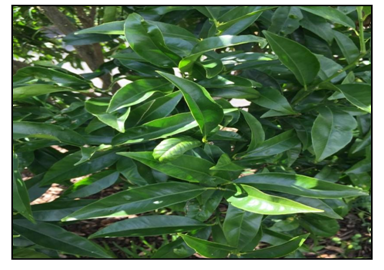
Fig. 1: Shows Citrus reticulate leaves
Table 1: Taxonomical classification of Citrus Reticulata
| Kingdom | Plantae |
| Phylum | Tracheophyta |
| Class | Magnoliopsida |
| Order | Sapindales |
| Family | Rutaceae |
| Genus | Citrus |
| Species | Citrus reticulata |
Citrus species
Citrus reticulata, commonly known as mandarin orange, is a small, evergreen tree native to Southeast Asia. It is characterized by the following features.
Table 2: Citrus species
| Vernacular name | English: Mandarin orange, mandarin or mandarine |
| Hindi: Narangi or Santra | |
| Leaves | Shiny, deep green, and rather small, slightly winged. |
| Flowers | White and pleasantly perfumed that bloom in the leaf axils in spring |
| Fruits | Size: small 40–80 ml rounded/flattened globose shape |
| Color: It’s orange, yellow-orange, or red-orange. | |
| Taste: sweet, aromatic pulp, and thin yellow skin | |
| Branches and tree trunk | Major thorns |
| Root | fibrous root system |
| Size | The tree can grow to 15-25 feet tall |
| Shape | It has a rounded, usually thorny crown with slender branches |
General characteristics of Citrus reticulata leaves [16]
Leaf shape
Type: The leaves of Citrus reticulata are typically simple and alternate.
Shape: The shape of the leaves is generally ovate to lanceolate. They can vary slightly but are commonly elongated with a tapered tip.
Size: The leaves are medium-sized, usually ranging from 6 to 10 centimeters (2.4 to 4 inches) in length and 3 to 5 centimeters (1.2 to 2 inches) in width.
Leaf color
Surface: The upper surface of the leaves is dark green and glossy.
Underside: The underside of the leaves is paler, often with a slightly lighter green or yellowish hue.
Leaf texture
Texture: The texture of the leaf surface is smooth and leathery. The leaf has a waxy coating that contributes to its glossy appearance.
Edge: The margin of the leaf is smooth, with no serrations or indentations.
Leaf petiole
Petiole: The leaf is attached to the stem by a petiole, which is typically short and winged. The winged petiole has a broad, flattened base that connects the leaf blade to the stem.
Leaf aroma
Fragrance: Citrus reticulata leaves have a distinct citrus aroma, which is due to the presence of essential oils. The scent can be described as fresh and slightly spicy.
Leaf arrangement
The leaves are arranged alternately along the stem, meaning that each leaf grows in a staggered fashion on either side of the stem and usually its do not have prominent stipules, but the petiole may be slightly winged.
Leaf vein structure
The leaves exhibit a pinnate venation pattern. There is a central primary vein with several secondary veins branching out in a regular pattern and they are generally prominent and visible on the lower side of the leaf.
Nutrient profile [17]
Flavonoids
Quercetin and hesperidin are prominent flavonoids found in Citrus reticulata leaves. These compounds are known for their antioxidant properties, which help neutralize free radicals and reduce oxidative stress in the body.
Essential oils
Limonene and linalool are essential oils present in the leaves. These oils have been shown to possess anti-inflammatory, antimicrobial, and antioxidant properties.
Vitamins
Vitamin C: Citrus reticulata leaves contain vitamin C, though in smaller amounts compared to the fruit. Vitamin C is crucial for immune system function, skin health, and wound healing.
Minerals
Calcium and potassium are present in Citrus reticulata leaves. These minerals are essential for maintaining bone health, regulating blood pressure, and ensuring proper muscle function.
Health benefits
Antioxidant activity
The flavonoids and essential oils in Citrus reticulata leaves exhibit strong antioxidant effects. These antioxidants help protect cells from oxidative damage, which is linked to chronic diseases such as cancer and heart disease.
Anti-inflammatory effects
The anti-inflammatory properties of essential oils and flavonoids can help reduce inflammation in the body. This can be beneficial for conditions such as arthritis and other inflammatory disorders.
Digestive health
Traditionally, Citrus reticulata leaves have been used to aid digestion. The compounds in the leaves may help in soothing digestive tract inflammation and improving overall digestive function.
Immune support
The vitamin C content, though relatively modest, contributes to immune system support by enhancing the body’s ability to fend off infections and illnesses.
Skin health
The antioxidant and anti-inflammatory properties of Citrus reticulata leaves make them valuable in skincare. Extracts from the leaves can help in reducing signs of aging and improving skin texture.
While Citrus reticulata leaves are not a major dietary component, their nutritional content and bioactive compounds contribute valuable health benefits. They offer antioxidant, anti-inflammatory, and immune-supportive properties, making them a valuable addition to traditional medicine and complementary health practices. Further research could provide deeper insights into their full nutritional potential and broader health applications.
Table 3: Chemical constituents of citrus reticulata leave [18]
| Hexane leaves extract | Alkaloid, Carbohydrate, Cardiac glycosides and terpenoid |
| Methanol leaves extract | Carbohydrate and Cardiac Glycosides |
| Ethanol leaves extract | Alkaloid, Carbohydrate, Cardiac glycosides and protein |
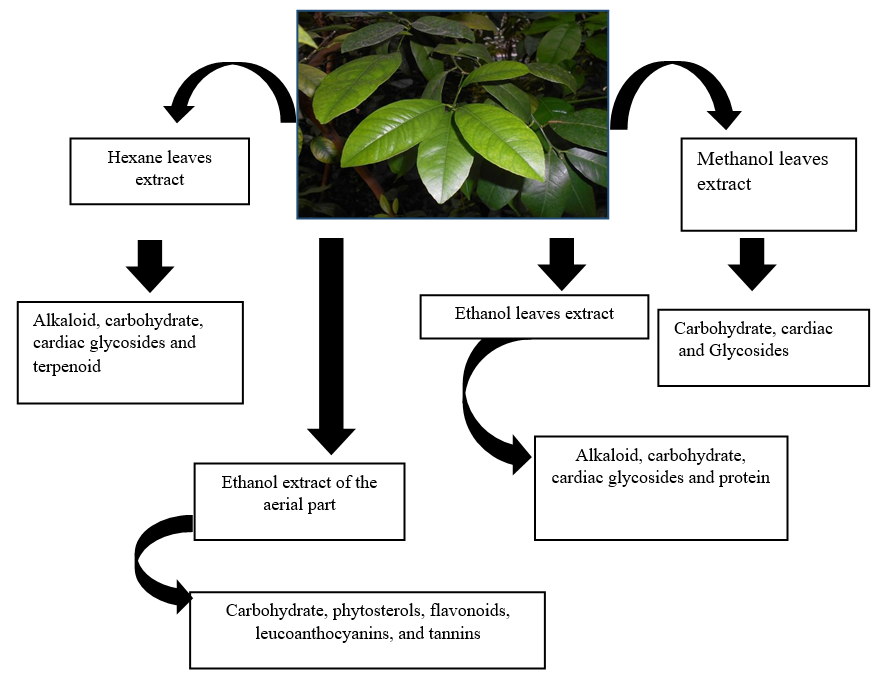
Fig. 2: Extraction of citrus reticulata leaves
Mechanism of action of C. reticulate
Antioxidant activity
Compounds involved: Flavonoids such as hesperidin and quercetin, and phenolic compounds.
Mechanism: These compounds neutralize free radicals through their antioxidant properties, reducing oxidative stress and preventing cellular damage. They scavenge reactive oxygen species (ROS) and inhibit lipid peroxidation [18].
Anti-cancer effects
Compounds Involved: Flavonoids and essential oils.
Mechanism: The compounds induce apoptosis (programmed cell death) in cancer cells by activating caspase pathways and inhibiting tumor growth. They also exhibit anti-proliferative effects by disrupting cell cycle progression [19].
Anti-inflammatory effects
Compounds involved: Essential oils such as limonene and linalool, flavonoids.
Mechanism: These compounds inhibit pro-inflammatory cytokines and enzymes like cyclooxygenase-2 (COX-2) and lipoxygenase (LOX). They modulate inflammatory pathways, reducing the expression of inflammatory mediators [20].
Antimicrobial activity
Compounds Involved: Essential oils and flavonoids.
Mechanism: Essential oils exhibit antimicrobial properties by disrupting microbial cell membranes and inhibiting microbial growth. Flavonoids interfere with microbial enzyme systems and inhibit bacterial biofilm formation [3].
Digestive health benefits
Compounds Involved: Flavonoids, essential oils.
Mechanism: The leaves' compounds help in soothing gastrointestinal inflammation, enhancing digestive enzyme activity, and improving gut motility. They may also protect the gastric mucosa from damage [21].
Evaluating the efficacy and therapeutic potential of Citrus reticulata leaves
Effective antibacterial activity against B. subtilis, E. coli, and S. aureus was demonstrated by C. reticulate [22].
The Citrusreticulata leaf extract is a corrosion inhibitor that is cheap, environmentally friendly and has good solubility. In recent years, corrosion work has developed a large number of plant extracts as green and environmentally friendly corrosion inhibitors [23].
The synthesized AgNPs play a vital role in developing resistance against Alternaria brown spot disease and the enhanced production of phytochemicals in C. reticulata. These phytochemicals act as reducing and stabilizing agent for the synthesis of AgNPs, thus escaping the utilization of hazardous substances [24].
The essential oils of mandarin show antifungal activity against the fungi A. niger, A. flavus, P. chrysogenum and P. verrucosum. Mandarin is the best inhibitor of A. flavus [25].
The ability of the essential oils to block the main aging-related enzymes, hyaluronidase, collagenase, and amylase, was measured to assess their antiaging potential [26].
The antioxidant and radical scavenging properties of Citrus reticulata Blanco cv. Murcot (Honey) oils may be partially responsible for their in vivo effectiveness against degenerative disorders such as diabetes mellitus [27].
Citrus reticulata dried peel powder is used as a skin conditioning, tightening agent [16].
The Citrus reticulata leaves may offer protective benefits against liver damage caused by various toxins [28].
Citrus reticulata extracts might positively influence lipid metabolism, potentially benefiting cardiovascular health [29].
The extract from Citrus reticulata leaves has demonstrated notable anti-inflammatory and analgesic properties [30].
Evaluating the safety of Citrus reticulata leaves
General safety and toxicity
Citrus reticulata leaf extracts are generally considered safe at recommended doses, but high doses may lead to adverse effects [31].
Allergic reactions
Allergic reactions to Citrus reticulata are rare but possible, particularly in individuals with citrus allergies [32].
Interaction with medications
There is limited evidence on interactions between Citrus reticulata and pharmaceuticals, but caution is advised when used alongside certain medications [33].
CONCLUSION
The leaves of Citrus reticulata are highly valued for their anti-inflammatory, antioxidant, and possibly antidiabetic properties. Additionally, they appear to be promising for cardiovascular and liver health. Although large dosages and possible allergic responses should be watched out for, safety profiles indicate that they are generally safe for the majority of people.
ACKNOWLEDGMENT
It’s our privilege to express the profound sense of gratitude and cordial thanks to our respected chairman Mr. Anil Chopra and Vice Chairperson, Ms. Sangeeta Chopra, St. Soldier Educational Society, Jalandhar for providing the necessary facilities to complete this review work.
FUNDING
Nil
AUTHORS CONTRIBUTIONS
All the authors have contributed equally.
CONFLICTS OF INTERESTS
There are no conflicts of interest
REFERENCES
Palangasinghe PC, Liyanage WK, Wickramasinghe MP, Palangasinghe HR, Shih HC, Shiao MS. Reviews on Asian citrus species: exploring traditional uses, biochemistry conservation and disease resistance. Ecol Genet Genomics. 2024 May 29;32:100269. doi: 10.1016/j.egg.2024.100269.
Musara C, Aladejana EB, Mudyiwa SM. Review of the nutritional composition medicinal phytochemical and pharmacological properties of Citrus reticulata Blanco (Rutaceae). F1000Res. 2020;9:1387. doi: 10.12688/f1000research.27208.1.
Bentahar A, Bouaziz A, Djidel S, Khennouf S. Phenolic content and antioxidant activity of ethanolic extracts from Citrus sinensis L. and Citrus reticulata L. fruits. J Drug Delivery Ther. 2020 Oct 2;10(5-s):308-13. doi: 10.22270/jddt.v10i5-s.4537.
Chutia M, Deka Bhuyan PD, Pathak MG, Sarma TC, Boruah P. Antifungal activity and chemical composition of Citrus reticulata Blanco essential oil against phytopathogens from North East India. LWT Food Sci Technol. 2009 Apr 1;42(3):777-80. doi: 10.1016/j.lwt.2008.09.015.
Curk F, Ancillo G, Garcia Lor A, Luro F, Perrier X, Jacquemoud Collet JP. Next generation haplotyping to decipher nuclear genomic interspecific admixture in Citrus species: analysis of chromosome 2. BMC Genet. 2014 Dec;15:152. doi: 10.1186/s12863-014-0152-1, PMID 25544367.
Adeleke K, Lawal OA, Setzer WN. Citrus essential oil of Nigeria part IV: volatile constituents of leaf oils of mandarins (Citrus reticulata Blanco) Nigeria. Rec Nat Prod. 2010;4(3):156-62.
Yabesh JE, Prabhu S, Vijayakumar S. An ethnobotanical study of medicinal plants used by traditional healers in silent valley of Kerala, India. J Ethnopharmacol. 2014 Jul 3;154(3):774-89. doi: 10.1016/j.jep.2014.05.004, PMID 24832113.
Yi F, Jin R, Sun J, Ma B, Bao X. Evaluation of mechanical pressed essential oil from Nanfeng mandarin (Citrus reticulata Blanco cv. Kinokuni) as a food preservative based on antimicrobial and antioxidant activities. LWT. 2018 Sep 1;95:346-53. doi: 10.1016/j.lwt.2018.05.011.
Tao N, Jia L, Zhou H. Anti-fungal activity of citrus reticulata blanco essential oil against penicillium italicum and penicillium digitatum. Food Chem. 2014 Jun 15;153:265-71. doi: 10.1016/j.foodchem.2013.12.070, PMID 24491729.
D Almeida RE, Sued N, Arena ME. Citrus paradisi and Citrus reticulata essential oils interfere with Pseudomonas aeruginosa quorum sensing in vivo on Caenorhabditis elegans. Phytomed Plus. 2022 Feb 1;2(1):100160. doi: 10.1016/j.phyplu.2021.100160.
Eldahshan OA. Comparison of chemical and antimicrobial studies of Egyptian mandarin leaves and green branches volatile oil. Eur J Med Plants. 2015;5(3):248-54. doi: 10.9734/EJMP/2015/4625.
Mehmood F, Zaheer UD, Din KH, Shahzadi P, Yaseen T, Mughal TA, Raza SH. A comparative study of in vitro total antioxidant in vivo antidiabetic and antimicrobial activities of essential oils from leaves and rind of Citrus reticulata Blanco cv. Murcot (Honey). Pak J Bot. 2013 Oct 1;45(5):1571-6.
Zhou XM, Zhao Y, He CC, Li JX. Preventive effects of Citrus reticulata essential oil on bleomycin-induced pulmonary fibrosis in rats and the mechanism. Zhong Xi Yi Jie He Xue Bao. 2012 Feb 1;10(2):200-9. doi: 10.3736/jcim20120211, PMID 22313888.
Kamal GM, Ashraf MY, Hussain AI, Shahzadi A, Chughtai MI. Antioxidant potential of peel essential oils of three Pakistani citrus species: Citrus reticulata Citrus sinensis and Citrus paradisii. Pak J Bot. 2013 Aug 1;45(4):1449-54.
Martins MH, Fracarolli L, Vieira TM, Dias HJ, Cruz MG, Deus CC. Schistosomicidal effects of the essential oils of Citrus Limonia and Citrus reticulata against Schistosoma mansoni. Chem Biodivers. 2017 Jan;14(1):e1600194. doi: 10.1002/cbdv.201600194.
Singh A, Singh G, Kalia A, Rattanpal HS, Gupta M. Leaf morpho-anatomical diversity analysis in mandarin (Citrus reticulata Blanco) genotypes using scanning electron microscopy. Genet Resour Crop Evol. 2020 Dec;67(8):2173-94. doi: 10.1007/s10722-020-00972-x.
Musara C, Aladejana EB, Mudyiwa SM. Review of the nutritional composition medicinal phytochemical and pharmacological properties of Citrus reticulata Blanco (Rutaceae). F1000Res. 2020;9(1387)1-11. doi: 10.12688/f1000research.27208.1.
Wang Y, Qian J, Cao J, Wang D, Liu C, Yang R. Antioxidant capacity anticancer ability and flavonoids composition of 35 citrus (Citrus reticulata Blanco) varieties. Molecules. 2017 Jul 5;22(7):1114. doi: 10.3390/molecules22071114, PMID 28678176.
Sanganna B, Kulkarni AR. Antioxidant and Anti-colon cancer activity of fruit peel of Citrus reticulate essential oil on HT-29 cell line. Res J Pharm Technol. 2013;6(2):216-9.
Ferreira SS, Silva AM, Nunes FM. Citrus reticulata Blanco peels as a source of antioxidant and anti-proliferative phenolic compounds. Ind Crops Prod. 2018 Jan 1;111:141-8. doi: 10.1016/j.indcrop.2017.10.009.
Shi M, Guo Q, Xiao Z, Sarengaowa XY, Xiao Y, Feng K. Recent advances in the health benefits and application of tangerine peel (Citri reticulatae pericarpium): a review. Foods. 2024;13(13):1978. doi: 10.3390/foods13131978, PMID 38998484.
Saeb S, Amin M, Seyfi Gooybari RS, Aghel N. Evaluation of antibacterial activities of citrus limon citrus reticulata and citrus grandis against pathogenic bacteria. Int J Enteric Pathog. 2016 Nov 15;4(4):11-5. doi: 10.15171/ijep.2016.13.
Xiang Q, He J. Combining theoretical and experimental researches to insight the anti-corrosion nature of Citrus reticulata leaves extract. J Mol Liq. 2021 Mar 1;325:115218. doi: 10.1016/j.molliq.2020.115218.
Hussain M, Raja NI, Mashwani ZU, Naz F, Iqbal M, Aslam S. Green synthesis and characterisation of silver nanoparticles and their effects on antimicrobial efficacy and biochemical profiling in Citrus reticulata. IET Nanobiotechnology. 2018 Jun;12(4):514-9. doi: 10.1049/iet-nbt.2017.0153, PMID 29768240.
Viuda Martos M, Ruiz Navajas Y, Fernandez Lopez J, Perez Alvarez J. Antifungal activity of lemon (Citrus lemon L.) mandarin (Citrus reticulata L.) grapefruit (Citrus paradisi L.) and orange (Citrus sinensis L.) essential oils mandarin. Food Control. 2008 Dec 1;19(12):1130-8. doi: 10.1016/j.foodcont.2007.12.003.
Fahmy NM, Elhady SS, Bannan DF, Malatani RT, Gad HA. Citrus reticulata leaves essential oil as an antiaging agent: a comparative study between different cultivars and correlation with their chemical compositions. Plants (Basel). 2022 Dec 1;11(23):3335. doi: 10.3390/plants11233335, PMID 36501374.
Mehmood F, Zaheer UD DIN KH, Shahzadi P, Yaseen T, Mughal TA, Raza SH. A comparative study of in vitro total antioxidant in vivo antidiabetic and antimicrobial activities of essential oils from leaves and rind of Citrus reticulata Blanco cv. Murcot (Honey). Pak J Bot. 2013 Oct 1;45(5):1571-6.
Burnett CL, Bergfeld WF, Belsito DV, Hill RA, Klaassen CD, Liebler DC. Safety assessment of citrus peel derived ingredients as used in cosmetics. Int J Toxicol. 2021 Dec;40(3_suppl):77S-99S. doi: 10.1177/10915818211032617, PMID 34304639.
Elsawy H, Algefare AI, Alfwuaires M, Khalil M, Elmenshawy OM, Sedky A. Naringin alleviates methotrexate induced liver injury in male albino rats and enhances its antitumor efficacy in HepG2 cells. Biosci Rep. 2020 Jun 26;40(6):BSR20193686. doi: 10.1042/BSR20193686, PMID 32458964.
Pallottini V, Segatto M, Acconcia F, Fiocchetti M, Marino M. Mechanism underlying naringenin hypocholesterolemic effects: involvement of estrogen receptor α subtype. Int J Mol Sci. 2022 Dec 13;23(24):15809. doi: 10.3390/ijms232415809, PMID 36555447.
Nasri M, Bedjou F, Porras D, Martinez Florez S. Antioxidant anti-inflammatory and analgesic activities of Citrus reticulata Blanco leaves extracts: an in vivo and in vitro study. Phytotherapie. 2017;1:13. doi: 10.1007/s10298-017-1094-8.
Alessandrello C, Gammeri L, Sanfilippo S, Cordiano R, Brunetto S, Casciaro M. A spotlight on lime: a review about adverse reactions and clinical manifestations due to Citrus aurantiifolia. Clin Mol Allergy. 2021 Dec;19(1):12. doi: 10.1186/s12948-021-00152-x, PMID 34303384.
Heena S, Kaushal S, Kalia A, Panwar H, Kaur V. Unraveling the chemical composition antibacterial antioxidant and cytotoxic potential of Citrus reticulata Blanco dropped fruit extracts. Biocatal Agric Biotechnol. 2024 Apr 1;57:103104. doi: 10.1016/j.bcab.2024.103104.