
Int J Curr Pharm Res, Vol 17, Issue 5, 68-74Original Article
EVALUATION OF SKELETAL MUSCLE RELAXANT ACTIVITY OF PIPER BETEL IN MICE
ROHAN*, AJEET PAL SINGH, AMAR PAL SINGH
Department of Pharmacology, St. Soldier Institute of Pharmacy, Lidhran Campus, Behind NIT (R. E. C.), Jalandhar –Amritsar by pass, NH-1, Jalandhar-144011, Punjab, India
*Corresponding author: Rohan; *Email: rohansingh0669@gmail.com
Received: 10 Jun 2025, Revised and Accepted: 30 Jul 2025
ABSTRACT
Objective: To evaluate skeletal muscle relaxant of Ethanolic extracts of Piper betel leaves in albino mice by using rota rod method and Inclined plane model.
Methods: Healthy, adult Swiss albino mice of either sex weighing (25-40 g), maintained under standard laboratory conditions, at temperature 25±2 °C and a 12 h light-12 h dark period employed for the experimentation. Food and water provided ad libitum.
Skeletal muscle activity animal model: The behavioral effects of an acute or sub-acute (10 d course) orally administered. “Piper betel” (250 and 500 mg/kg) ethanolic extract of leaves evaluated in male/female Swiss mice by rota rod Method and Inclined Plane Model (IPM). The effects of diazepam (DZP; 4 mg/kg) also assessed by Rota rod method and Inclined plane model.
Results: In the present study, the skeletal muscle relaxant activity of ethanolic extract of Piper betel in Swiss albino mice, at the dose of 250 and 500 mg/kg with oral administration respectively.
Conclusion: In conclusion both the doses of 250 and 500 mg/kg with oral administration have shown significant results as skeletal muscle relaxant effect using Rota rod method and Inclined plane model.
Keywords: Piper betel, Skeletal muscle relaxant, Rota rod apparatus (RRA) and Inclined plane model (IPM)
© 2025 The Authors. Published by Innovare Academic Sciences Pvt Ltd. This is an open access article under the CC BY license (https://creativecommons.org/licenses/by/4.0/)
DOI: https://dx.doi.org/10.22159/ijcpr.2025v17i5.7039 Journal homepage: https://innovareacademics.in/journals/index.php/ijcpr
INTRODUCTION
One of the three different types of muscle in the human body, skeletal muscle is primarily involved in posture and movement. To allow for movement, skeletal muscle affixes to bone by tendons or aponeuroses. Skeletal muscle fibers are "striated" because, when viewed under a microscope, their composition produces a pattern of red and white lines [1]. Skeletal muscle contracts across all regions of the body in response to external stimuli. Skeletal muscle enables movement, but also maintains body position and posture, regulates body temperature, stores nutrients, and stabilizes joints. The majority of skeletal muscle is voluntary and requires signals from the brain to allow for conscious control of the muscles, unlike cardiac and smooth muscle contraction. Skeletal muscle contains 50-75 percent of all body proteins and makes up approximately 40 percent of human body weight [2].
A drug that modifies the function of skeletal muscle and produces reduction of muscular tone is a muscle relaxant. Muscle relaxants can be useful in treating symptoms of pain, muscle spasms, and hyperreflexia. The term "muscle relaxant" refers to two primary groups of medication: neuromuscular blockers and spasmolytics. Neuromuscular blockers do not target the central nervous system (CNS) but act by interfering with the transmission at the neuromuscular end plate. Usually, neuromuscular blockers are used to produce short-term paralysis of patients undergoing surgical procedures, as well as in emergency medicine, intensive care, and critical care. Spasmolytics, or centrally acting muscle relaxants, are indicated for a number of conditions that result in spasticity and musculoskeletal discomfort and spasms associated with a variety of neurological conditions. Although the phrase muscle relaxant is often used to describe the classes of neuromuscular blocker and spasmolytics, it is implied that the phrase muscle relaxant is referring to spasmolytic agents [3, 4].
Piper betel, referred to as paan in Hindi, is a major leaf plant used culturally and medicinally throughout Southeast Asia and the Indian subcontinent. Betel leaf is a perennial plant in the family Piperaceae (black pepper is also a member). In traditional practices, betel leaf features prominently as a remedy for many ailments, including respiratory conditions, infections of the mouth, and gastrointestinal issues. Within the cultural context, betel leaf has a social value and sometimes a sacred connotation that revolves also around hospitality. It is common custom in many places in Asia to offer guests a tray of betel leaf with other items like areca nut, slaked lime, and spices to display hospitality and respect. Chewing betel leaf is also a common cultural practice in some cultures, as it is seen as stimulatory [5, 6].
Betel leaf is a botanical/nd cultural plant with a long history of use in medicine and culture. Even though it has been used for thousands of years due to its positive health benefits and culturally significant rejuvenating effects, it is important to recognize that there are risks associated with its use, particularly when consumed in combination with items such as tobacco. India has cited references to the therapeutic benefits of p. betel in ancient Vedic literature. P. betel leaves have been shown to have anticancer, immunomodulatory, anti-inflammatory, and antioxidant abilities due to their levels of phenols and terpenes [7].
The leaf extract of Piper betle is used as an antiseptic when applied to cuts and wounds. The main Ayurvedic formulations of Piper betle are Lokantha Rasa, Puspadhava Rasa, Brhat Sarwajwarahara, Lanha, Laghu Sutaseknara Rasa, and Brhat Visamaj Warantaka Rasa. Besides being used alone as a medicine and considered as vatakaphasubduer, betel leaf juice is also frequently used in Ayurveda with many other medicines likely to improve clinical benefit. According to the Sursta Samhita, tambool leaves are aromatic, sharp, pungent, acrid and are useful as an appetizer, laxative, and help voice. Pan is also thought to strengthen the heart and regulate blood pressure. With multiple therapeutic applications, pan is most often employed in Indian medicine for the treatment of burns, indigestion, abdominal cramps, diarrhea, flatulence, wounds, burns, sprains, bruises, respiratory diseases, sore throat, and gum sores. Pan is employed as a diuretic, assists with digestions, and tends to ringworm, boils, conjunctivitis, stomach, hysterical, itching and leucorrhea [8, 9].
MATERIALS AND METHODS
Experimental animals
Swiss Albino mice weighing 20-35 g and aged 6-8 w were procured from National Institute of Pharmaceutical Education and Research, Mohali, Punjab. The animals were acclimatized for seven days to the housing conditions of Central Animal House Facility of St. Soldier institute of Pharmacy, Jalandhar prior to experiments. Animal were housed and maintained under standard laboratory conditions with controlled temperature (25±2 °C), humidity (40±10 %) and 12 h light and dark cycles each. The animals were fed with standards rodent pellet diet and water ad libitum. The experiments were carried out between 09:00 to 17:00 h. The laboratory animals were maintained as per CPCSEA guidelines.
Drugs and chemicals
All the chemicals and biochemical reagents used in this study were of analytical grade and were freshly prepared before use. All chemicals of analytical grade were procured from Sigma chemical, USA and S. D. Fine Chem. Ltd., India.
Collection and preparation of plant material
The ethanolic extract of leaves part of plant Piper betel was procured from Shreedha Phyto Extract, Jaipur. The same group also provided a certification of the plant's identity and quality (Certificate of Analysis).
Preparation and administration of crude extracts/standard drugs
Extraction is a frequently used method to separate the active constituents from the crude drugs. During the extraction process, with the use of selective solvents, the active medicinally warranted portions of plant or animal tissue are separated from inactive or inert portions hence producing relatively impure liquids, semisolids or powders for instruction by mouth or previous use externally. The selection of standardized extraction processes for use in whole crude drug state (medicinal plant parts), are intended to prefer the therapeutically desired portions and reject unwanted material when treated with a selective solvent called menstrum. Therapeutically the extract represents a complex mixture containing many medicines plant metabolites and ENFs once manufactured and administered.
Animals
Twenty-four adult either sex mice weighing between 25-30g were obtained from the animal house of Pharmacology Department. ST. Soldier institute of pharmacy, Jalandhar-Amritsar Bypass NH-I Behind NIT Jalandhar, Punjab India – 144011. Healthy, adult Swiss albino mice of either sex weighing (25-40 g), maintained under standard laboratory conditions; at temperature 25±2 °C and a 12 h light-12 h dark period was employed for the experimentation. Food and water were provided ad libitum.
Acute oral toxicity study
Acute toxicity study for the ethanolic extract of Piper betel was done according to the OECD guidelines No: 423 and low, medium and high dose was selected for treatment. The overnight fasted mice were divided into 04 groups, each group consisting of 3 animals. The PBLEE was given in various doses (5, 50, 300 and 1000) by oral route with a gavage. After administration of the extract, the animal were observed continuously for the first 2 h and at 24 h to detect changes in behavioural responses and also for tremors, convulsion, salivation, diarrhoea, lethargy, sleep, and coma and also were monitored up to 14 d for the toxic symptoms and mortality. After 14 d of acute oral toxicity the survival mice were rehabilitated and reused for experimentation.
Mouse as a model for skeletal muscle activity
One of the major advantages of using mice as models is their impressive genetic, anatomical and physiological similarities with humans. With over 95% of the mouse and human genomes being the same, mouse genetic research is immensely relevant to human disease. Depression and anxiety Research has used animals as experimental models to study the brain and central nervous system. Preclinical research into the neurobiology of psychiatric diseases uses animal models and animal models are also used in screening procedures to identify potential drugs for treatment. Humans and mice share approximately 90% of their genetic makeup, therefore, rodents; particularly mice have been of value in research. In adverse situations where it is unethical or impossible to study the effects of stress in humans, animal models have been useful. In addition, advantages such as being low-cost, small dose according to body weight, easier to handle and faster breeding time will make research easier for researchers to conduct. In terms of application, animal models of anxiety and depression will also be valuable in the development of new therapies for driving anxiety and depression-like behaviour [10].
Experimental parameter and design
Skeletal muscle relaxants alter skeletal muscle function and are intended to decrease muscular tone. These agents may also assist with associated symptoms such as pain, hyper-reflexia, and muscle spasms. The term "skeletal muscle relaxant" is most commonly applied to two classes of treatment. The first are neuromuscular blockers, which act at the neuromuscular end plate and have no effect on the central nervous system. Neuromuscular blockers are often used to temporarily paralyze patients for surgery or other uses in emergency medicine and critical care. The second treatment class is spasmolytics, sometimes called "centrally acting muscle relaxants." Spasmolytics reduce spasticity in numerous neurologic disorders, while also decreasing discomfort and spasm in musculoskeletal disorders. Spasmolytics are often discussed in groups, and commonly referred to as skeletal muscle relaxants. Immediately following, mice will receive each day for 14 consecutive days an extract of piper betel leaves (250 and 500 mg/kg/p.o.). Their feed intake and water intake and events related to feed intake and water intake will be recorded [11].
Treatment schedule
Piper betel extract will be administered p.o. to mice daily in two different doses (250 and 500 mg/kg/p.o) for 14 d. All the animals will be evaluated for parameters, i. e. rota rod apparatus, inclined plane and Biochemical estimation like estimation of plasma corticosterone levels, will be performed.
Control group
Mice were handled gently without any stress and after 14 d all the animals will be evaluated for l parameters, i. e. rota rod apparatus, inclined plane and Biochemical estimation like estimation of plasma corticosterone levels will be performed.
DZP (4 mg/kg i. p.)
Diazepam 4 mg/kg i. p. was administered for 14 successive days. All the animals will be evaluated for parameters, i. e. rota rod apparatus, inclined plane and Biochemical estimation like estimation of plasma corticosterone levels will be performed.
Pbele-piper betel ethanolic leaves extract (250 mg/kg (p.o.)
Piper betel extract 250 mg/kg (p.o.) were administered for 14 successive days. All the animals will be evaluated for parameters, i. e. rota rod apparatus, inclined plane and Biochemical estimation like estimation of plasma corticosterone levels will be performed.
Pbele-piper betel ethanolic leaves extract (500 mg/kg (p.o.)
Piper betel extract 500 mg/kg (p.o.) were administered for 14 successive days. All the animals will be evaluated for parameters, i. e. rota rod apparatus, inclined plane and Biochemical estimation, like estimation of plasma corticosterone levels will be performed.
Skeletal muscle activity animal model
The behavioral effects of an acute or sub-acute (14 d course) will be orally administered. “Piper betel” (250 and 500 mg/kg) Ethanolic extract of leaves will be evaluated in male and female Swiss mice by Rota rod Method and Inclined Plane Model (IPM). The effects of diazepam (DZP; 4 mg/kg) will also assess [12].
Rota rod method
This test comprises to evaluate the activity of drugs interfering with motor coordination. The application consists of horizontal metal rod of 3 cm diameter attached to a motor with the speed of 15-20rpm. The rod is divided in six reactions with wooden compartment. It allows simultaneous testing of six rats. The rod is at a height of 50 cm above the table top in order to discourage the animal from falling off. The test animal along with normal animals, are placed on rotating rod and tested for the time of fall from the roller and their behaviour before and after administration of corresponding drugs. The difference in fall of time from the rotating rod between the control and treated rats was taken as an index of muscle relaxation.
Inclined plane model
A simple behaviour model in mice to detect compounds with skeletal muscle relaxant effect. The plane consists of two rectangular plywood boards connected at one end by a hinge. One board is the base, the other is the movable inclined plane, which is set at a 65°.
Biochemical estimation
Collection of blood samples
On 15th d, blood (0.3 ml) was withdrawn from tail vein from all groups of mice. Blood samples were centrifuged at 2500 rpm for 10 min using refrigerated centrifuge (Paramount Scientific Works, Ambalacantt, India) to separate the plasma, which was used for estimation of corticosterone levels.
Estimation of plasma corticosterone levels
The concentration of corticosterone of blood plasma was quantitatively determined. After immersing the tubes in ice water for five minutes, 0.50 ml of 0.10 N sodium hydroxide was added to 1.0 ml of sample in ethanol and 0.50 ml of a 0.10 percent solution of p-nitroso-N, N-dimethylaniline in ethanol. Tubes were capped with cotton-wool, placed in a dark space for high and left at 0 °C for five hours. 2.0 ml of pH 9.8 buffer, 5.0 ml of a 0.10 % phenol in ethanol solution and 0.50 ml of a 1.0 % potassium ferricyanide aqueous solution were added to the previous solution. The tubes were kept at 20±2 °C in a water bath for 10 min. The solution was read at 650 nm using a UV-visible spectrophotometer (UV 3200 UV-VIS Spectrophotometer, Somajiguda, Hyderabad).
Total no. of animals required
No. of the animal in each group (n) = 06
No. of groups (N) = 04
Total no. of animals required = 24
Note: All the parameters will perform with suitable time interval to prevent unwanted stress in animals.
Statistical analysis
All the results were expressed as mean±SEM. The data of all the groups were analyzed by one-way ANOVA followed by Turkey’s test using software Graph pad prism In Stat (Graph Pad Software Inc., USA). A value of p<0.05 was considered to be significant.
Table 1: Experimental protocols for rota rod method:/inclined plane model
| Group name | Number of animals required |
| Naïve Animal | 1x6=6 |
| Group treated with Diazepam: 4 mg/kg i. p. for 14 successive days | 1x6=6 |
| Ethanolic extract of Piper betel leaves Low dose (250 mg/kg) and High Dose(500 mg/kg) p.o. for 14 d | 2 X 6=12 |
| Total Number of Animals required: n=6; N=4 = 24 mice |
Table 2: Preliminary phytochemical screening (Chemical tests for detection of organic chemical constituents)
| S. No. | Chemical test | Observation | Results |
| 1 | Tannins | Brownish green Color | Positive |
| 2 | Anthraquinones | Rose pink color | Positive |
| 3 | Flavonoids | Yellowish green color | Positive |
| 4 | Alkaloids | Brownish precipitate | Positive |
| 5 | Terpenoids | Reddish brown color | Positive |
| 6 | Saponins | Blue black precipitate | Positive |
| 7 | Cardiac glycosides | Reddish brown color | Positive |
RESULTS
Phytochemicals are the chemical compounds which are produced by the plants. They are produced as a result of primary and secondary metabolism in plants. These phytochemicals are usually considered as the research compounds because of the biological activity of the compounds are still under the scientific and experimental study towards the health effects. Thereby, the phytochemical analysis of lemon grass extract was carried out using the standard protocol method.
Acute oral toxicity study
Using guidelines from the Organization for Economic Co-operation and Development (OECD, 425), the median lethal dose (LD50) of PBLEE was determined of four fasted mice. Mice were fasted throughout the night before they orally consumed PBLEE extracts at maximum dose levels up to 1000 mg/kg (commencing with doses of 5, 50, and 300 mg/kg). Post initial dosing, one mouse's food was withheld for a further four hours. Animals' observation of toxicity (changes in mucous membranes, skins, furs, and eyes, and circulatory, respiratory, somato-motor, and behaviors) and death were recorded for the first 24 h and again for 14 d. The behavioral responses did not change, and there was no sign of acute oral toxicity. The other four mice had similar dosing for 14 d and they were observed. The LD50 was determined after this process. Each parameter was performed at reasonable times to avoid undue stress on the animals.
Effect of piper betel extract on body weight (g) of mice
Both test group, mice of 6 no. in each group, Treated with Piper betel extract (250 and 500 mg/kg/p. o.), respectively, showed significantly (p<0.05) increased in body weight as compared to the control group. Treatment with DZP (4 mg/kg i. p.) the body weight significantly increased as compared to normal group.
Effect of piper betel extract on feed intake (g) of mice
The mice of Piper betel extract (250 and 500 mg/kg/p.o.) treated group showed significantly (p<0.05) increased in feed intake as compared to the control group. Treatment with DZP (4 mg/kg i.p.) the feed intake significantly (p<0.05) increased as compared to control group.
Effect of Piper betel extract on water intake (ml) of mice
The mice group treated with Piper betel extract (250 and 500 mg/kg/p.o.) showed significantly (p<0.05) increased in body water intake as compared to the control group. Treatment with DZP (4 mg/kg i.p.) the water intake significantly (p<0.05) increased as compared to test group.
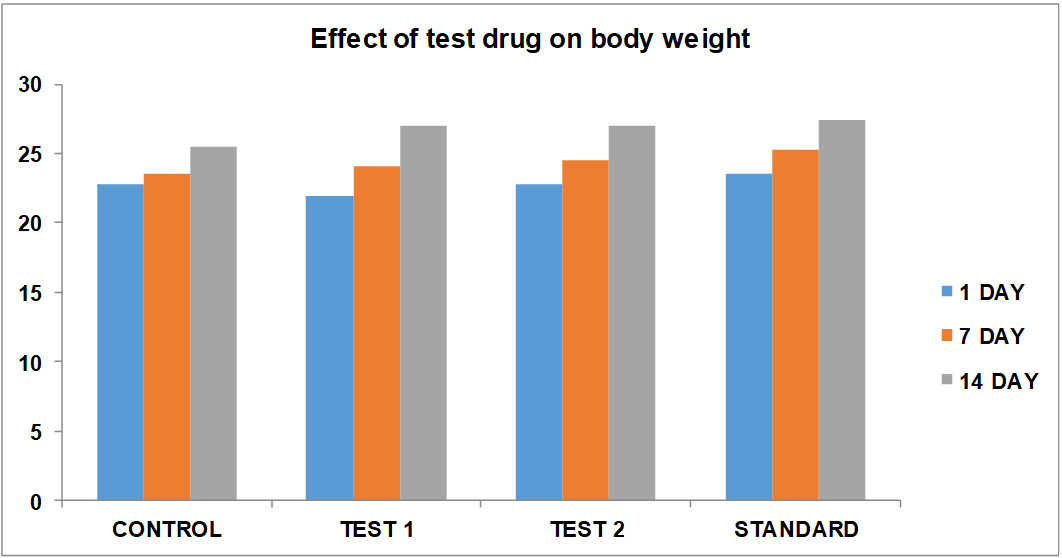
Fig. 1: Effect of Cymbopogoncitratus leaves ethanolic extract on body weight (g) of mice, value are expressed as mean±SEM, adenotesp<0.05 as compared with to normal control group and bdenotes p<0.05 as compared to DZP (4 mg/kg i. p) treated group (One way ANOVA followed by Tukey’s test)
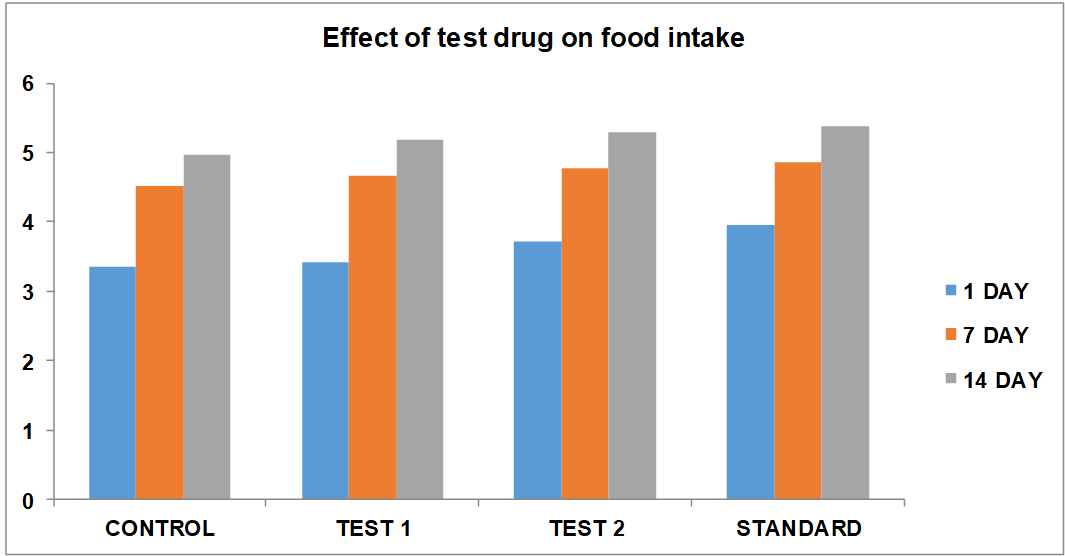
Fig. 2: Effect of piper betel extract on feed intake (g) of mice, values are expressed as mean±SEM, adenotesp<0.05 as compared with to normal control group and b denotes p<0.05 as compared to DZP (4 mg/kg i. p.) treated group (One way ANOVA followed by Tukey’s test)
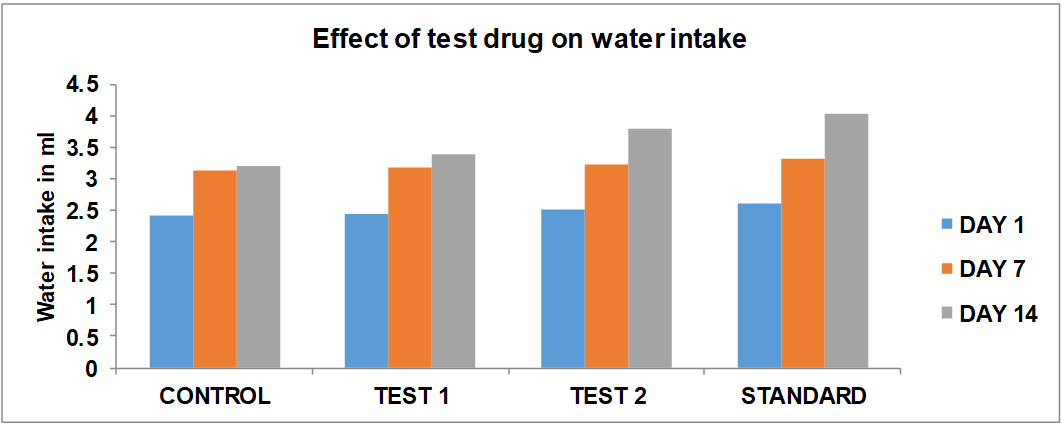
Fig. 3: Effect of piper betel extraction water intake (ml) of mice, values are expressed as mean±SEM, adenotesp<0.05 as compared with to normal control group and b denotes p<0.05 as compared to DZP (4 mg/kg i.p.) treated group (One way ANOVA followed by Tukey’s test)
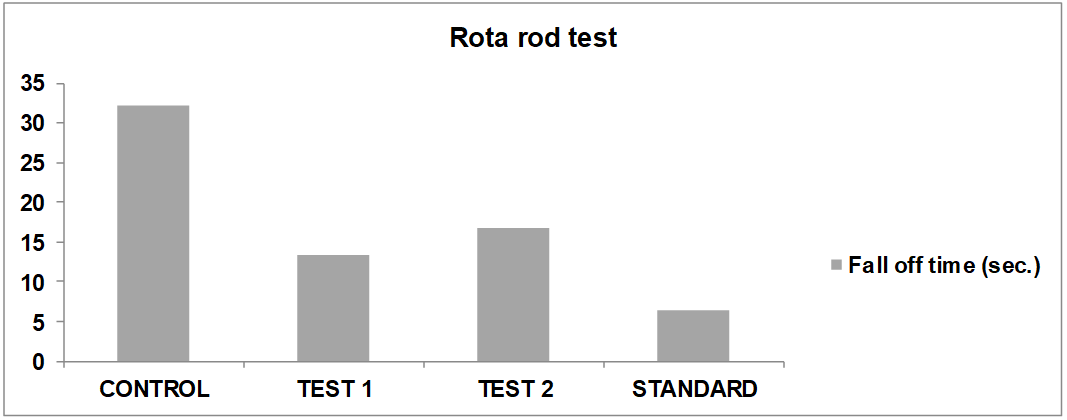
Fig. 4: Graphical representation of effects of different doses of piper betel leaves ethanolic extract on skeletal muscle relaxant as compared to standard (Diazepam)
Evaluation of skeletal muscle relaxant effect of Piper betel leaves ethanolic extracts in Rota rod method and inclined plane model
Rota rod method
Observations and calculations
Table showing effects of different doses of Piper betel leaves ethanolic extract in Skeletal Muscle Relaxant effect as compared to standard (Diazepam).
Group 1: In this group, animals were treated with Normal saline solution in which mice fall of time period was 32.28±3.88 sec.
Group 2: In this group animals were treated with lower dose of Ethanolic extract (250 mg/kg) solution, in which mice fall of time period was 13.44±1.86 sec.
Group 3: In this group animals were treated with higher dose of Ethanolic extract (500 mg/kg) solution in which mice fall of time period was 16.84±1.66 sec.
Group 4: In this group animals were treated with Fluoxetine (10 mg/kg) solution in which mice fall of time was 06.48±1.68 sec.
Treatment with Diazepam significantly increased the duration of fall of time (P<0.001) in rota rod method ethanolic extract of Piper betel leaves treated mice also exhibited dose-dependent significant increased the duration of fall of time. The duration of fall of time was also significantly reduced as compared to the vehicle-treated group. But there is little significant difference between Piper betel leaves extract-treated animals and Diazepam s treated animal. The above observation suggests that Piper betel has Skeletal Muscle Relaxant activity.
Inclined plane model
Observations and calculations
Table showing effects of different doses of Piper betel leaves Ethanolic extract in Skeletal Muscle Relaxant effect as compared to standard (Diazepam).
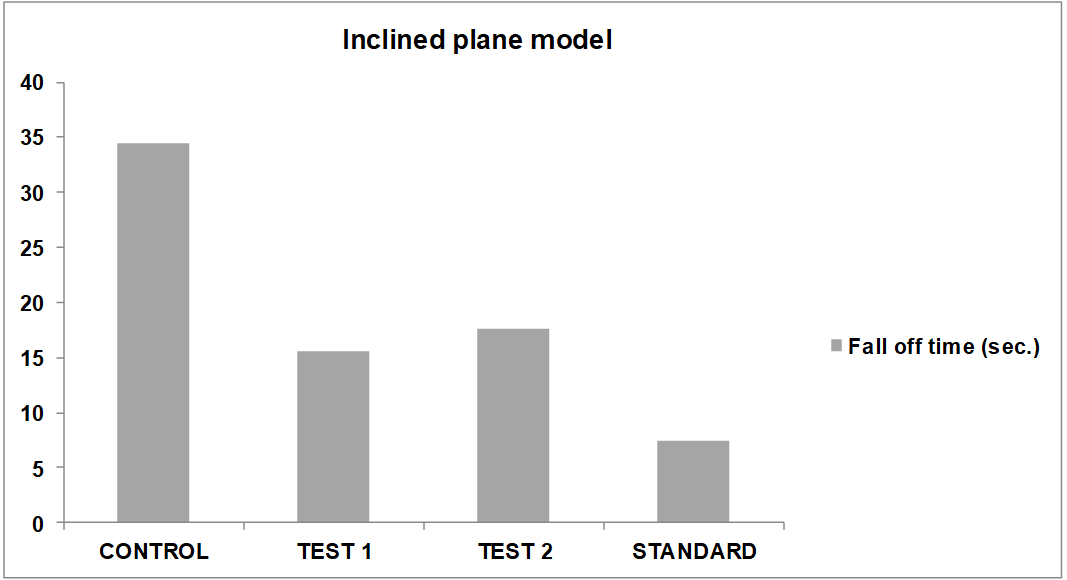
Fig. 5: Graphical representation of effects of different doses of piper betel leaves ethanolic extract on skeletal muscle relaxant as compared to standard (Diazepam)
Group 1: In this group animals were treated with Normal saline solution, in which mice fall of time period was 34.48±2.62 sec.
Group 2: In this group animals were treated with lower dose of Ethanolic extract (200 mg/kg) solution, in which mice fall of time period was 15.64±1.88 sec
Group 3: In this group animals were treated with higher dose of Ethanolic extract (400 mg/kg) solution, in which mice fall of time period was 17.68±2.64 sec
Group 4: In this group animals were treated with Fluoxetine (10 mg/kg) solution, in which mice fall of time was 07.48±1.42 sec
Treatment with Diazepam significantly increased the duration of fall of time (P<0.001) in Inclined Plane Model, Ethanolic extract of Piper betel leaves treated mice also exhibited dose-dependent significant increased the duration of fall of time. The duration of fall of time was also significantly reduced as compared to the vehicle-treated group. But there is little significant difference between Piper betel leaves extract-treated animals and Diazepam s treated animal. The above observation suggests that Piper betel has Skeletal Muscle Relaxant activity.
Plasma corticosterone levels
Groups 1 to 6 were tail bled on day 1 and then corticosterone levels were combined to obtain the average levels in tail blood. For treatment of Groups see their respective experimental design. It is known that stress enhances the activity of the hypothalamus-pituitary-adrenal (HPA) axis and results in increased secretion of corticosteroids from the adrenal cortex. Cortisol and corticosterone are thus often used as biomarkers for stress and depressive disorders. Although corticosterone is considered the main glucocorticoid involved in regulation of stress responses in rodents, researchers often choose to detect cortisol for stress indicators in consideration of convenience and kits availability.

Fig. 6: Graph showing the corticosterone levels in post rota rod/Inclined plane test experiments, note: TELD = Test ethanolic lower dose, TEHD = Test ethanolic higher dose, STD = standard
Group 1: In this mice were treated with Normal saline and corticosterone level is measured which is 198.88± 0.58 ng/ml.
Group 2: In this mice were treated with low dose of Ethanolic extract and corticosterone level is measured, which is 168.26±1.27ng/ml.
Group 3: In this mice were treated with High dose of Ethanolic extract and corticosterone level is measured, which is 158.44±0.30ng/ml.
Group 4: In this mice were treated with Standard (Diazepam) and corticosterone level is measured which is 141.82±0.36ng/ml.
It is known that stress enhances the activity of the hypothalamus-pituitary-adrenal (HPA) axis and results in increased secretion of corticosteroids from the adrenal cortex. Cortisol and corticosterone are thus often used as biomarkers for stress and depressive disorders. Although corticosterone is considered the main glucocorticoid involved in regulation of stress responses in rodents, researchers often choose to detect cortisol for stress indicators in consideration of convenience and kits availability.
CONCLUSION
In conclusion, extracts from Piper betel showed a broad range of efficacy against a variety of variables which produce the most common psychosis associated disorders. These extracts give new opportunities for novel clinically useful SMR compounds. In the course of the study, the ethanolic extracts of Piper betel were evaluated separately for SMR activity using the RRA and IPM procedures at both a dose of 250 and 500 mg/ml. The ethanolic extract of Piper betel exhibited high activity at the higher doses. These results were compared to those of conventional SMR diazepam. However, the extract's specific active ingredients that resulted in this response remain unknown. In summary, although active Extraction components were not singled out, SMR active plant principles were identified in the extract.
ACKNOWLEDGMENT
It’s our privilege to express the profound sense of gratitude and cordial thanks to our respected chairman Mr. Anil Chopra and Vice Chairperson Ms. Sangeeta Chopra, St. Soldier Educational Society, Jalandhar for providing the necessary facilities to complete this research work.
FUNDING
Nil
AUTHORS CONTRIBUTIONS
CONFLICT OF INTERESTS
Declared none
REFERENCES
Allen J, Ramsden M, Nisar S. Skeletal muscle structure, function and pathology. Orthop Trauma. 2024 May 3;38(3):137-44. doi: 10.1016/j.mporth.2024.03.004.
Frontera WR, Ochala J. Skeletal muscle: a brief review of structure and function. Calcif Tissue Int. 2015 Mar;96(3):183-95. doi: 10.1007/s00223-014-9915-y, PMID 25294644.
See S, Ginzburg R. Skeletal muscle relaxants. Pharmacotherapy. 2008 Feb;28(2):207-13. doi: 10.1592/phco.28.2.207.
See S, Ginzburg R. Choosing a skeletal muscle relaxant. Am Fam Physician. 2008 Aug 1;78(3):365-70. PMID 18711953.
Vikash C, Shalini T, Verma NK, Singh DP, Chaudhary SK, Asha R. Piper betel phytochemistry, traditional use and pharmacological activity a review. Int J Pharm Res Dev. 2012;4(4):216-23.
Rathee JS, Patro BS, Mula S, Gamre S, Chattopadhyay S. Antioxidant activity of Piper betel leaf extract and its constituents. J Agric Food Chem. 2006 Nov 29;54(24):9046-54. doi: 10.1021/jf061679e, PMID 17117789.
Bhattacharya S, Subramanian M, Roychowdhury S, Bauri AK, Kamat JP, Chattopadhyay S. Radioprotective property of the ethanolic extract of piper betel leaf. J Radiat Res. 2005 Jun 1;46(2):165-71. doi: 10.1269/jrr.46.165, PMID 15988134.
Dasgupta N, De B. Antioxidant activity of Piper betle L. Leaf extract in vitro. Food Chem. 2004 Nov 1;88(2):219-24. doi: 10.1016/j.foodchem.2004.01.036.
Rathee JS, Patro BS, Mula S, Gamre S, Chattopadhyay S. Antioxidant activity of Piper betel leaf extract and its constituents. J Agric Food Chem. 2006 Nov 29;54(24):9046-54. doi: 10.1021/jf061679e, PMID 17117789.
Jacobs RA, Diaz V, Meinild AK, Gassmann M, Lundby C. The C57BL/6 mouse serves as a suitable model of human skeletal muscle mitochondrial function. Exp Physiol. 2013 Apr;98(4):908-21. doi: 10.1113/expphysiol.2012.070037, PMID 23180810.
Ramirez A, Grasa J, Alonso A, Soteras F, Osta R, Munoz MJ. Active response of skeletal muscle: in vivo experimental results and model formulation. J Theor Biol. 2010 Dec 21;267(4):546-53. doi: 10.1016/j.jtbi.2010.09.018, PMID 20863835.
Watchko JF, O Day TL, Hoffman EP. Functional characteristics of dystrophic skeletal muscle: insights from animal models. J Appl Physiol. 2002 Aug 1;93(2):407-17. doi: 10.1152/japplphysiol.01242.2001, PMID 12133845.