
Int J Curr Pharm Res, Vol 18, Issue 2, 24-30Review Article
INSULIN BIOSYNTHESIS USING PLANT SYSTEMS
MRUNAL KOLHE*, ROHIT KANKHARE, VAISHNAVI JAISWAL, PURVA PAPRIKAR
Shastry Institute of Pharmacy, Erandol, Maharashtra, India
*Corresponding author: Mrunal Kolhe; *Email: mrunaldkolhe@gmail.com
Received: 17 Nov 2025, Revised and Accepted: 07 Jan 2026
ABSTRACT
Traditional plant-based medicines have been used for centuries to treat and prevent various diseases. These remedies, derived from natural plant extracts, are often more affordable and accessible, especially in developing countries. In addition to being cost-effective, plant-based traditional medicines offer a wide range of biological activities, including antiallergic, anticancer, antibacterial, anti-inflammatory, antidiabetic, and antioxidant properties. These benefits make them valuable tools in managing chronic and infectious diseases. One of the most common chronic conditions worldwide is diabetes mellitus, a metabolic disorder characterized by persistent hyperglycemia and dysfunction in pancreatic β-cells. It results in abnormal carbohydrate, fat, and protein metabolism. While modern antidiabetic drugs are effective in controlling blood glucose levels, they are often associated with side effects such as weight gain, hypoglycemia, gastrointestinal discomfort, and long-term complications.
As a result, there is increasing interest in natural alternatives that are safer, well-tolerated, and equally effective. Traditional plant-based medicines have shown great promise in both clinical practice and research, with several herbs demonstrating hypoglycemic effects and the ability to improve insulin sensitivity. According to the World Health Organization (WHO), nearly 80% of the population in developing nations relies on traditional medicine for their primary healthcare needs. This underscores the importance and potential of plant-derived therapies not only in the treatment but also in the prevention of diabetes and its complications. Promoting the integration of traditional remedies with modern medicine may contribute to a healthier, more sustainable approach to disease management.
Keywords: Diabetes mellitus, Hyperglycemia, Medicinal plants, Herb, Bioactive compound
© 2026 The Authors. Published by Innovare Academic Sciences Pvt Ltd. This is an open access article under the CC BY license (https://creativecommons.org/licenses/by/4.0/)
DOI: https://dx.doi.org/10.22159/ijcpr.2026v18i2.8050 Journal homepage: https://innovareacademics.in/journals/index.php/ijcpr
INTRODUCTION
An essential polypeptide hormone that controls the metabolism of carbohydrates is insulin. Insula, which means "island" in Latin, is the root of the term "insulin" since the islets of Langerhans generate hormones. The pancreatic β-cells produce insulin as a single chain of three peptides, B, C, and A, in the following order: B chain, C peptide, A chain [1].
Insulin is a hormone that mainly affects peripheral tissues, particularly the muscles and liver. It is made up of two polypeptide chains of 51 amino acids [2]. Abnormal glucose metabolism is a symptom of diabetes mellitus, a metabolic disease that develops when the body cannot make insulin or becomes resistant to it [3].
Diabetes mellitus (DM) is a collection of metabolic illnesses that impact a vast number of people worldwide rather than being a single illness. Its primary characteristics are hyperglycemia and hypoinsulinemia with hyperlipidemia. It results in a reduction in insulin action as well as secretion [3]. Approximately 2.8% of people worldwide suffer from diabetes mellitus and by 2025 that number might rise to 5.4%. It is believed that between 1-5% of Indians have diabetes [4]. Diabetes produces chronic hyperglycemia, resulting in protein glycation and subsequent consequences such as eye, kidney damage,
Nerves and arteries. Maintaining blood glucose levels close to normal can prevent or lower these [5]. Diabetes can be classified into two types: type 1 and type 2. In type 1 diabetes, pancreatic beta cells are destroyed by immune factors like cytokines, macrophages, and activated T cells due to autoimmune reactions. Type 2 diabetes is caused by insulin resistance and relative insulin shortage, which cannot compensate for the former. Type 2 diabetes causes pancreatic beta cells to become damaged or dysfunctional due to high glucose or lipid levels, inflammatory mediators generated from adipose tissue and endoplasmic reticulum, or oxidative stress [6].
Herbal medications have begun to gain popularity in the modern era as a source of Hypoglycemic drugs [3] and above According to ethnobotanical information, there are over 1000 plants that may have antidiabetic properties. Nevertheless, the search for novel antidiabetic medications derived from natural plants remains appealing due to the presence of compounds that exhibit safe and alternative effects on diabetes mellitus [4]. The mechanism of action of plants that have historically been utilized as antidiabetics is unknown, which precludes their use in the treatment of diabetes. Clarifying the mechanism of action of these plants and their active compounds has recently been the subject of increased research [6]. In this article, we will provide an overview of the production of insulin from Plants (fig. 1).
Current method of insulin production
Insulin mRNA is translated in the cytosol to produce preproinsulin, which is then transported across the endoplasmic reticulum in pancreatic β-cells for post-translational modifications to begin insulin production. Signal peptidase transforms preproinsulin into proinsulin by creating disulfide bonds. Proinsulin monomers then undergo isomerization and disulfide bond reduction to create proinsulin dimers, which move from the endoplasmic reticulum to the Golgi complex. Prohormone convertases (PC1/3, and PC2) and carboxypeptidase E convert proinsulin into secretory granules, producing two mature insulin and C-peptide 4. Several techniques and model organisms have been used to produce insulin for human therapy [7].
Different methods have been used to generate insulin in Escherichia coli: The A and B peptide chains were made independently and reassembled to create physiologically active insulin [8]. It is possible to separate pharmacological proteins from bodily organs. For many years, one protein-insulin-has been isolated from the pig's pancreas and used by people with diabetes. Insufficient amounts of insulin can be retrieved from the human pancreas. Likewise, human growth hormone was isolated from human hypophysis until it was discovered that several individuals were being exposed to contaminating prions [9].
(a) (b)
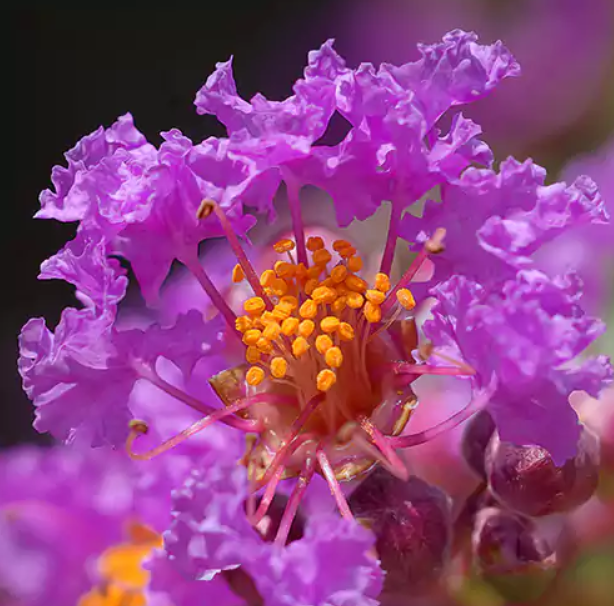
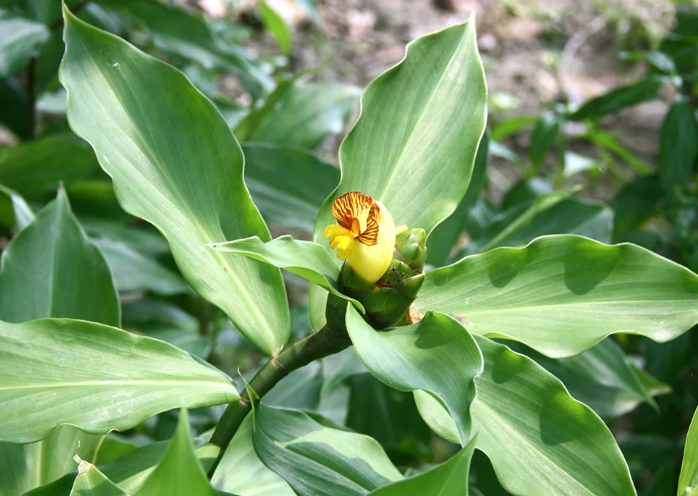
Fig. 1: (a) Lagerstroemia speciosa L. (banaba) and (b) Insulin plant (Costusigneus)
Animal-derived insulin
Since the early 1920s, insulin extracted from the pancreas of cows or pigs has been used to treat diabetes people. Thanks to advancements in genetic engineering, yeast and E. coli can produce insulin, which the FDA has approved for use in human therapeutic applications.
Nowadays, Saccharomyces cerevisiae or E. coli are the primary producers of recombinant human insulin. The insulin precursors (IP) are generated as inclusion bodies using the E. coli expression system, and solubilization and refolding processes ultimately provide fully functioning polypeptides [7].
Milk is frequently the most beneficial method of producing recombinant proteins, and transgenic animals are seen as promising prospects for large-scale recombinant protein production. Different mammary gland-specific promoters can used to manipulate the expression of heterologous proteins in milk. The generated proteins are secreted, which may make purification easier or more difficult. Twelve Because it takes a long time to produce a transgenic animal, the vector used for transgenes is needs to be assessed before an animal is produced, particularly in terms of the animal's capacity to express heterologous proteins [8].
Insulins from porcine sources have been available since 1923, though most patients were treated with bovine or bovine-porcine mixtures. The arrival of the purer porcine insulins in the Danish market seems to have abolished insulin resistance in Denmark by 1970, but the highly purified porcine insulins did not appear until 1972. The lack of equivalence purity has demonstrated this to be true. Today's highly purified pig and cow insulins might not be able to claim to be non-immunogenic, most likely due to the production of insulin polymers and zinc aggregates during storage [9]. Since glucose is the only energy source required by some critically important cell types (such as kidney, brain, and erythrocyte cells). Glucose metabolism is of great importance to all living mammals. One, consequently, blood glucose maintenance. Levels must fall within typical physiological ranges. Ruminant glucose metabolism is distinguished from that of other mammals by low peripheral glucose concentrations 2-4 and a low peripheral tissue insulin response. The blood's supply and elimination of glucose and glucogenic precursors govern glucose metabolism, which is closely regulated by several hormones. Dairy cows hold a unique position among ruminants concerning the metabolism of glucose. Dairy cows' glucose metabolism is an example of how intense genetic selection can push metabolism to extremes due to their unique transition between pregnancy and lactation and their high glucose levels towards the udder. An illustration of how dairy cows metabolize glucose [10].
Before human recombinant insulin was created, authorized, and made available for human use by 1982, the usual treatment for diabetes mellitus was pork and bovine insulin.
But after two decades, there is still no proof that patients benefit clinically from synthetic human insulins, and the NHS pays a lot more for them than for animal insulins. After using synthetic insulin, a sizable number of persons have negative side effects, which frequently go away after switching to natural animal insulin [11]. This lentivirus vector was used to transduce immortalized mammary epithelial cells (MAC-T cells) and bovine fibroblasts. MAC-T cells were used in vitro to assess the vector construct for human proinsulin gene expression. SCNT was utilized to create transgenic calves that expressed human proinsulin in their milk using modified bovine fibroblasts. Mass spectrometry and Western blotting were employed to assess the amount of human proinsulin produced in the milk [8].
The recombinant protein in milk was assessed by hormonally inducing lactation. Small amounts of milk were produced for about a month since the induction response was not sufficient to produce considerable volumes.
Using mass spectrometry and western blotting, milk samples were utilized to assess if human protein was present in the transgenic milk. Two unique bands that were absent from non-transgenic cow's milk but present in transgenic cow's milk according to the western blotting results gave an approximate molecular mass of proinsulin and human insulin, indicating the presence of the recombinant protein and the potential conversion of proinsulin to insulin [8].
Plant-based insulin production
Herbal treatments are becoming increasingly popular for treating diabetes due to the harmful side effects of oral hypoglycemic medications. Traditional medical practices and folklore use plant combinations to treat diabetes mellitus [12].
More than 200 plant species are thought to have anti-diabetic qualities; these include many popular plants such as bitter melon, lotus root, pumpkin, wheat, celery, and wax guard (fig. 2). Diabetes mellitus has reportedly been treated with hundreds of herbs and traditional Chinese medicine formulae to date showed that while other ingredients improve microcirculation, increase insulin availability, and ease metabolism in insulin-dependent processes, polysaccharide-containing herbs restore the functions of pancreatic tissues and increase insulin output by the functional beta cells [13].
Costus Igneus, a member of the Costaceae family and known as the "Insulin Plant" in India, is believed to aid in the body's production of insulin through its leaves. (fig. 3) [12]. It can be found in North, Central, and South America, tropical Africa, Asia, and Australia. It is grown in coastal regions of Karnataka's Uttar Kannada district in India. Traditionally, people in this area take two to three leaves of this plant twice a day dedicated to diabetes care. The plant grows prostrately and has spreading, rooted stems. It has lance-shaped, thin leaves with scalloped, lobed, or toothed edges. They are greyish green with darker purple underneath and red-purple above. Throughout the year, the little white blossoms grow sporadically. This plant can grow up to 6 inches tall and spreads indefinitely [13]. There are over 200 species and four genera in the Costaceae family. With over 150 species, mostly tropical, the genus Costus is the biggest in the family distributed [14]. Both fasting and postprandial blood glucose levels are lowered by it. The exact mechanism of action underlying the antidiabetic benefit is still unclear, though. Plants that contain insulin have antidiabetic characteristics as well as lessening the negative effects of diabetes, including lowering glycosylated hemoglobin levels, regulating lipid profiles, increasing body weight and insulin levels, controlling hepatic and renal parameters, and showing a notable improvement in the histopathological examination [12].
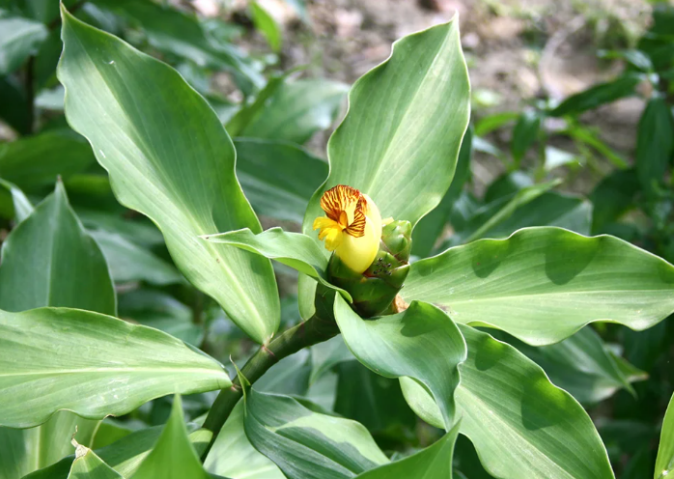
Fig. 2: Costus pictus
Bioprocessing can transform simple compounds into complex ones and is utilized in a variety of drugs and treatments. CostusIgneus contains phytochemicals such as terpenes, alkaloids, and flavonoids that are now utilized to treat diabetes. The plant extract was recently subjected to column chromatography, and the purified fractions were used for bioprocessing in HPLC to identify the active compounds [12].
The study also discovered that consuming one fresh leaf, making tea with the plant's leaf and dry powder, or adding leaf powder to daily salads can all help control blood sugar levels [15].
Steroids, triterpenoids, alkaloids, tannins, flavonoids, glycosides, saponins, carbohydrates, and proteins were detected by phytochemical screening. It was discovered that the most phytochemicals were present in the methanol extract. In preliminary screening, methanolic extracts of wild plants and calluses extracted with various solvents showed a high amount of phytochemicals such as phenols, alkaloids, flavonoids, and terpenoids. Additionally, Costus leaves were shown to be high in protein, iron, and antioxidants such as ascorbic acid, α-tocopherol, β-carotene, terpenoids, steroids, and flavonoids, according to a sequential screening for phytochemicals 2, 6 [16].
When Costus Pictus aqueous extract is given to diabetic rats, it has been seen that the animal's blood glucose levels significantly drop and their plasma insulin levels rise.
The antidiabetic effect of Costus Pictus may be due to the regulation of glucose homeostasis through enhanced peripheral glucose utilization, increased hepatic glycogen synthesis and/or decreased glycogenolysis, inhibition of intestinal glucose absorption, and lowering of the glycaemic index of carbohydrates.
Previous studies also discovered that the main bioactive phytoconstituents that demonstrated improved glucose absorption in 3T3-L1 adipocytes were b-amyrin and methyl tetracosanate 68. Another study on, Costus Pictus revealed that the antidiabetic properties were caused by β-L-Arabinopyranose methyl glycoside [17]. Through voltage-gated calcium channels, C. Pictus extracts enhanced the flow of calcium ions [Ca 2+] into the 𝛽-cells of the pancreatic islets. As a result, the glucose-unresponsive 𝛽-cells in diabetic patients secreted more insulin. The molecular mechanism behind the insulin sensitivity brought on by the C. Pictus extracts was also investigated. These extracts increased insulin sensitivity by blocking the phosphorylation of protein kinase C (PKC) 𝜃 and extracellular signal-regulated kinase+(ERK), which in turn downregulated inflammatory cytokines.
These demonstrated that it might be used as a natural cure in place of manufactured medications, and the extracts were also determined to be non-toxic. Due to the methanolic extract of C. Pictus leaves' anti-diabetic properties and ability to prevent muscular tissue damage from hyperglycemia, C. Pictus extracts also increase body weight. They identified methyl tetra-octanoate as the active ingredient, which inhibited the PTP1B enzyme and increased the expression of GLUT4 mRNA. These led to an increase in the expression of the PI3K and IR 𝛽 proteins, which in turn affected insulin sensitivity. High levels of the flavonoids is quercetin, astragalin, kaempferol, and quercetin were found in C. pictus leaves [18].
Table 1: Taxonomic position
| Botanical name | Costusigneus |
| Kingdom | Plantae |
| Subkingdom | Viridaeplantae |
| Phylum | Tracheophyta |
| Subphylum | Euphylophitina |
| Class | Liliopsida |
| Subclass | Commelinidae |
| Superorder | Zingiberane |
| Order | Zingiberales |
| Family | Costaceae |
| Subfamily | Asteroideae |
| Tribe | Coriopsidae |
Fig. 3: Lagerstroemia speciosa L
The plant known as Lagerstroemia speciosa L. (banaba), which is a member of the Lythraceae family, is a significant medicinal crop in Asia and is frequently used in Ayurvedic medicine (fig. 4). This plant, sometimes known as "queen crape-myrtle," is of considerable commercial importance in the global pharmaceutical markets. Extracts from L. Speciosa leaf have been shown to exhibit anti-diabetic, anti-obesity, antioxidant, insulin-like glucose uptake activity, and hypoglycemic properties; however, the FDA has not yet assessed banaba leaf extract [19].
The phytochemical analysis of the fruit and leaves of Lagerstroemia speciosa showed that they included α-amino acids, phenolic compounds, glycosides, terpenoids, steroids, reducing sugars, tannins, organic acids, flavonoids, starch, alkaloids, carbohydrates, and saponins, among many other active metabolites. The medium-to-large evergreen Lagerstroemia speciosa tree can reach a height of 25 m. The leaves measure 10–20 cm by 5-7.5 cm, are leathery, oblong to oval in form, and have a short petiole on the glabrous. The flowers are in a big terminal panicle that is regular in shape, 5.0–7.5 cm broad, and ranges in color from pink to purple. With six leathery sepal lobes and six lilac purple petals up to 3.5 cm long with wavy borders, the calyx is a green ribbed tube with short claws connecting the sepals. There are many stamens with golden-yellow anthers and purple filaments. The pistil is uncomplicated, featuring a superior ovary, a dark green stigma, and a long purple style up to 5 cm long [20].
It is very desirable to use antidiabetic medications that cause cells to absorb glucose, but they do not concurrently increase lipogenesis as insulin does. Diabetes and renal disorders have been treated with the leaves of the tropical plant Lagerstroemia speciosa L., known as banaba in the Philippines' Tagalog dialect. In type II KK,-Ay the banaba extract significantly lowered insulin and blood glucose levels-mice with diabetes. The investigation of banaba extracts was prompted by our interest in the separation and identification of antidiabetic compounds from natural sources. We used 3T3-L1 adipocytes as a cell model and a radioactive glucose uptake assay as a screening technique to find possible antidiabetic compounds. The glucose transport stimulatory effect of the water and methanol extracts of banaba leaves was verified in our investigation. Furthermore, we demonstrated that the concentration-activity profile of the extract-induced activity was comparable to that of insulin, indicating that the activity of banaba extract (BE) may be driven by a mechanism similar to that of insulin [21]. One of the main Chemical components of Lagerstroemia speciosa is Corosolic acid. It is referred considered as a "phyto-insulin" and "botanical insulin" because of its insulin-like characteristics. Remarkably, in 3T3-L1 adipocytes, corosolic acid suppresses differentiation and downregulates the expression of enhancer binding protein (C/EBP-α) mRNA and peroxisome proliferator-activated receptor (PPAR-γ) It also promotes the uptake of [3H] glucose. This implies that colic acid lowers blood glucose without raising adiposity, in contrast to the majority of other anti-diabetic medications [19]. Even while bacteria or yeast are the primary producers of insulin for commercial use, more research has focused on other processes, such as plant expression. The primary goal of previous attempts to generate insulin in plant tissues was to induce oral tolerance to address the autoimmune component of the illness. Cholera toxin B subunit (CTB) coupled with three copies of the insulin B-chain expressed in tobacco nucleus genome and CTBinsulin generated in potato tubers both displayed expression levels of merely 0.1% of total soluble protein. To further develop this idea, it is necessary to boost expression levels in big biomass crops as there is no reference for the oral delivery of insulin expressed in plant cells. Consequently, we have produced a CTB-proinsulin fusion protein in plant chloroplasts that has three furin cleavage sites: two sites flank either end of the C-peptide, and one site is at the point of fusion (CTB-PFx3) [22].
To prevent diabetes mellitus without causing adverse effects, strong natural stereoisomers of anti-diabetic compounds derived from plants are needed. Clinical studies have shown that several hypoglycemic and hypolipidemic compounds found in plants can effectively treat diabetes [19].
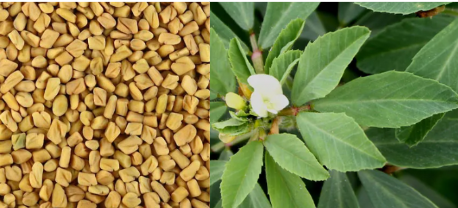
Fig. 4: Trigonella foenum-graecum Linn
Trigonella Foenumgraecum Linn., or fenugreek, is a plant that the fragrant annual herb of the Papilionaceae family grows to a height of 30 to 60 cm. Grown throughout the nation (fig. 5). Examination of phytochemistry shows alkaloids, namely Neurin, Trigonelline Choline, Gentianine, Trimethylamine, Betain, carpaine, Amino acids, namely Isoleucine, 4 l-tryptophan, hydroxyisoleucine, histidine, leucine, lysine, Argenine. Graecunins, fenugrin B, fenugreekine, and Saponins namely A-G trigofoenosides, Yamogenin, diosgenin, and other Steroidal sapinogens: tigogenin, neotigogenin, gitogenin, smilagenin, sarsasapogenin, Saponaretin, yuccagenin. Flavonoids: Fibres, gum, neutral detergent, quercetin, rutin, vetixin, and isovetixin. Lipids, vitamins, minerals, and coumarin. 22% proteins, 28% mucilage.
According to the results of the current study, taking fenugreek daily, along with an aqueous extract of Costus Igneus, along with metformin, reduced the levels of fasting and postprandial plasma glucose and improved cholesterol. The soluble fiber component of fenugreek, which is high in galactomannan, may be the cause of the seeds' antidiabetic properties. The amino acid 4-hydroxyisoleucine, which is present in fenugreek at a concentration of approximately 0.55%, has been linked to insulin trophic and antidiabetic effects. This amino acid has been shown to directly stimulate pancreatic β-cells in vitro. Other hypothesized mechanisms include suppression of glucose transport and delayed stomach emptying. Dialysed fenugreek seed extract had hypoglycemic efficacy equivalent to that of insulin (1.5 U/kg) in a study of mice with diabetes induced by alloxan. Normal mice's intraperitoneal glucose tolerance was also enhanced by fenugreek seed extract.
Fenugreek may decrease cholesterol by increasing fecal bile acid and cholesterol excretion. This may be due to a reaction between bile acids and fenugreek-derived saponins, leading to micelles that are too big for the digestive tract to absorb. The seed's fiber-rich gum lowers cholesterol synthesis in the liver, which adds to its cholesterol-lowering properties. Both processes are expected to add to the all effect [23].
Polyphenol compounds, which are abundant in nature, are made up of a collection of chemicals with various chemical structures and functions. Stilbenes are one type of plant phenol that has garnered a lot of scientific interest lately. A well-known polyphenol molecule with numerous uses, such as anti-obesity, anti-diabetic, and cardiovascular protective qualities, is resveratrol (3,5,4′-trihydroxy-trans-stilbene).
According to recent research, the bioavailability of other polyphenol stilbenes may be comparable to or even greater than that of resveratrol. While there are numerous reports on the active ingredients in fenugreek, little is known about how polyphenol stilbenes affect lipid and glucose metabolism, and their exact mechanisms of action are still undefined [24].
Arthropods, bryozoans, cnidarians, coelenterates, crustaceans, echinoderms, marine poriferans, mollusks, marine fishes, and mammals are among the animal species that contain trigonelline, a plant hormone that is extensively distributed in plants belonging to the Dicotyledonae subclass. Trigonelline builds up in coffee and the seeds of several bean species. It also shows up in the urine of mammalsafter nicotinic acid is administered. Trigonelline has been shown to enhance memory retention, prevent platelet aggregation, and have anti-migraine, antibacterial, antiviral, hypoglycemic, hypolipidemic, sedative, and anti-tumor properties [25].
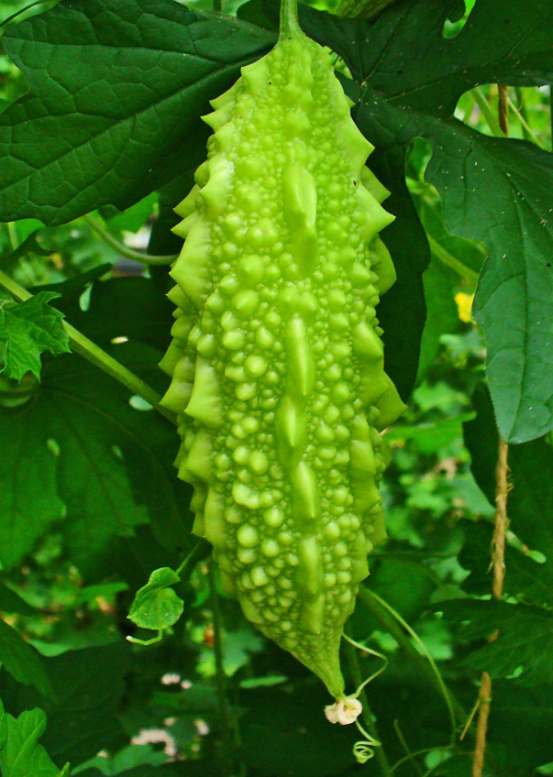
Fig. 5: Momordica charantia (MC)
Indigenous cultures in Asia, East Africa, India, South America, and the Caribbean have long utilized Momordica charantia, sometimes referred to as bitter melon, as a traditional remedy for diabetes mellitus (fig. 6). It has been reported that M. Charantia contains several active compounds, including Charantin, momordisin, cucurbitane glycosides, insulin-like peptides, and oleanolic acids.
The hypoglycemic potential of M. charantia has been demonstrated in several investigations using animal models. Additionally, positive outcomes in weight, lipid profile, and blood pressure have been noted. Clinical investigations in T2DM patients have shown a decrease in glucose, glycated hemoglobin A1c (A1C), and fructosamine concentrations; nevertheless, the outcomes have been mixed. Furthermore, it is unknown if changes in insulin secretion, insulin sensitivity, or both are responsible for the improvement observed within the glycaemic control parameters. Few clinical studies have assessed how administering M. Charantia affects these pathophysiological changes to date [26].
The latest study has started to suggest that the antidiabetic effects observed in M. Charantia may be caused, at least in part, by isolated triterpene glycosides called saponins. For instance, diabetic mice's blood sugar was lowered by the isolated cucurbitane triterpenoids 5β,19-epoxy-3β, 25-dihydroxy cucurbit a-6,23 (E)-diene and 3β, 7β, 25-trihydroxy cucurbit a-5,23 (E)-dien-19-al and rats' blood sugar and small intestine disaccharidase activity were also reduced by a saponin-rich fraction isolated from M. Charantia In another study, momordicosides Q, R, S, and T enhanced GLUT4 translocation through the AMPK pathway in vitro, and during a glucose tolerance test, momordicoside T enhanced glucose tolerance in mice given a high-fat diet [27]. In streptozotocin-induced type-1 diabetic rats, Momordica charantia extract has been shown to potentially and certainly enhance beta cells in the pancreatic islets in the therapy of type 1 diabetes mellitus. In individuals with type-1 diabetes, polypeptide-p may be utilized as a plant-based insulin substitute because it has demonstrated an activity in the body that is comparable to that of human insulin. Other research also looks into how Momordica charantia extracts inhibited diabetes-related enzymes including alpha-amylase and alpha-glucosidase [28].
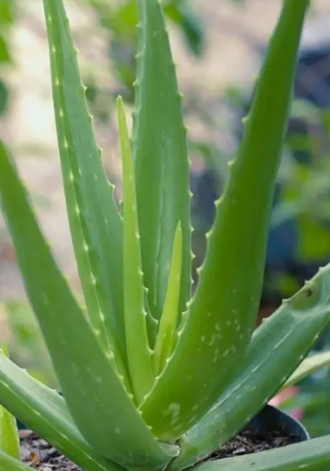
Fig. 6: Aloe vera L. Burm
The evergreen plant Aloe vera (A. vera) L., which resembles a cactus and is found throughout the world's tropical and subtropical climates, was selected for this study.
(Figure7). Although the majority of aloe species are native to Africa, they are now widely found throughout the world's tropical and subtropical zones. In nations in southern, eastern, and northern Africa, India, and China, they are cultivated and grown wild in warm climates1. There are more than 400 species in the genus Aloe, but the most common ones are Aloe Barbadensis Miller (A. vera), Aloe aborescens, and Aloe chinensis. Barbadensis aloe Miller is said to have the greatest amount of biological activity. Aloe vera gel has historically been used internally to treat constipation, coughs, ulcers, and diabetes as well as topically to heal wounds, mild burns, and skin irritations [29]
When aloe vera water extract was given orally to diabetic rats in the experiment, their blood glucose levels significantly decreased. Aloe vera water extract is antidiabetic with fewer side effects, according to statistical analysis of the results. Another important advantage of using aloe vera in the manufacturing of medications to treat diabetes mellitus is its lower cost [30].
Numerous pharmacological properties, including anti-cancer, antibacterial, antidiabetic, and antioxidant properties, have been demonstrated for these substances. As a result, researchers are still looking into the biological activity of this plant to produce both traditional and modern medicine [28].
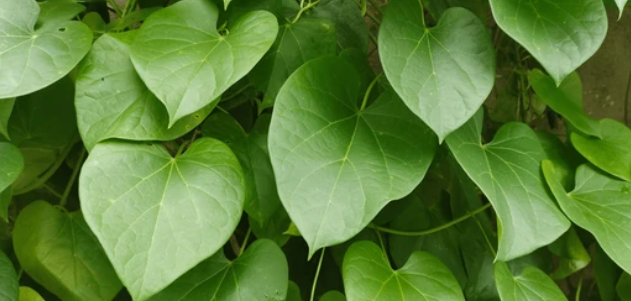
Fig. 7: Tinosporacrispa
Tinospora Crispa (T. Crispa) is a remarkable therapeutic climbing plant. Being a type of vine, its body is rough, light brown, and long6–7 m or more (fig. 8). It wildly flourishes in many Southeast Asia countries such as Laos, Cambodia, Thailand, and the Philippines, particularly popular in the Vietnamese regions in the north [31].
Tinospora Crispa (T. Crispa, Menispermaceae), a therapeutic plant that was used to treat diabetes mellitus was able to reduce diabetic rat’s blood glucose levels and the hypoglycemia impact was most likely brought on by its insulinotropic properties. T. Crispa elevated the peripheral use of glucose and prevented the release of glucose from the liver.
Research showed that T. Crispa was ineffective as a treatment for type 2 DM patients with a glycosylated hemoglobin level of more than 8.5% who did not respond to a sufficient dosage of oral hypoglycemic medications for at least two months. Fasting serum glucose and glycosylated hemoglobin levels measured at baseline and during the trial period did not significantly differ in either group. Because these patients may not have the capacity to secrete insulin, the author of this study hypothesizes that T. Crispa did not promote insulin secretion in poorly managed diabetes. Because the pancreas of diabetic patients who reacted to oral hypoglycemic medications and did not utilize insulin therapy may be capable of insulinotropic activity, the effectiveness of T. Crispa should be studied in these patients.
This study sought to ascertain how T. Crispa affected the levels of insulin and blood glucose in both healthy individuals and patients with type 2 diabetes [32].
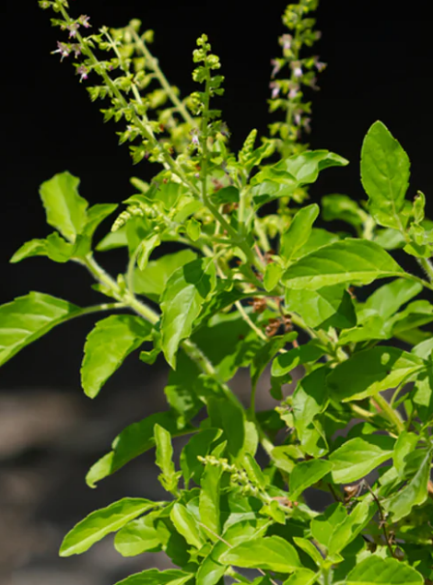
Fig. 8: Ocimum sanctum L.
The ancient Ayurvedic literature, such as the Charak Samhita, Susrut Samhita, and Rigveda (3500–1600 BCE), refer to Tulsi (the incomparable one, Hindi) as a Rasayana medication that is used to cure cough, respiratory conditions, poisoning, impotence, and arthritis (fig. 9). In India, it is regarded as one of the sacred plants. O. sanctum has positive effects on stress relief and is used as an adaptogen and nervine tonic to improve health throughout cancer. O. sanctum medicinal potential has been extensively documented in Ayurveda and Siddha, as well as in Greek, Roman, and Unani medicine systems for the treatment of common colds, skin conditions, headaches, coughs, and malaria [33].
Blood glucose levels in healthy individuals were substantially reduced with a 70% ethanol extract of O. sanctum leaves. Rats with diabetes fed glucose and treated with streptozotocin.
Normal and diabetic rats were given a meal containing leaf powder (1%) for a month, which dramatically decreased their fasting blood glucose levels. O. sanctum leaf extract significantly reduced fasting and postprandial glucose levels in a randomized, placebo-controlled, crossover, single-blind clinical experiment. More recently, both acute and long-term feeding trials showed that an ethanol extract of O. sanctum decreased hyperglycemia in alloxan diabetic rats. Despite this research, no investigations have been conducted to evaluate the mechanism of O. sanctum's antihyperglycemic effect.
The current work used clonal BRIN-BD11 cells, isolated perfused rat pancreas, and isolated islets to assess the effects of an ethanol extract and five partition fractions of O. sanctum leaves on insulin secretion [34]
It became clear how this compound's antidiabetic and hypoglycemic properties increased the pancreatic release of insulin from cells and improved glucose utilization [28].
CONCLUSION
Diabetes mellitus has been identified as a significant contributor to the economic burden on patients, their families, and society at large. Furthermore, blindness, renal failure, and heart failure are among the major chronic consequences that result from untreated diabetes. The goal of research on novel antidiabetic medicines is to lessen this issue. The negative consequences of contemporary treatments have drawn attention to several traditional medicines. Additionally, in modern combinatorial therapy, herbal extracts can be utilized with conventional medications. Every herb includes active components that help reduce diabetic complications and lower blood sugar levels. Future studies will concentrate on identifying, isolating, and purifying the bioactive compounds found in plants. It is anticipated that this assessment will offer the information required for diabetes control.
ACKNOWLEDGEMENT
The authors extend sincere gratitude to all those who helped to successfully complete this review article. For their priceless guidance and unwavering support during this review article, we are extremely grateful to our institute, Shastry Institute of Pharmacy Erandol, as well as to our friends and guide, Miss Purva Paprikar.
FUNDING
Nil
AUTHORS CONTRIBUTIONS
All authors have contributed equally
CONFLICT OF INTERESTS
Declared none
REFERENCES
Kafeel Ahmad. Insulin sources and types: a review of insulin in terms of its mode on diabetes mellitus. J Tradit Chin Med. 2014;34(2):234–7. doi: 10.1016/s0254-6272(14)60084-4.
Costa IS, Medeiros AF, Piuvezam G, Medeiros GC, Maciel BL, Morais AH. Insulin-like proteins in plant sources: a systematic review. Diabetes Metab Syndr Obes. 2020;13:3421-31. doi: 10.2147/DMSO.S256883, PMID 33061503.
Singh S, Devi B. Phytopharmacological evaluation of Momordica balsamina Linn. from southern Haryana, India. Kenkyu J Pharm Pract Health Care. 2018;4(4):17-34. doi: 10.31872/2018/KJPHC-100112.
Mukesh R, Namita P. Medicinal plants with antidiabetic potential a review. American Eurasian J Agric & Environ Sci. 2013;13(1):81-94. doi: 10.5829/idosi.aejaes.2013.13.01.1890.
Mukherjee PK, Maiti K, Mukherjee K, Houghton PJ. Leads from Indian medicinal plants with hypoglycemic potentials. J Ethnopharmacol. 2006;106(1):1-28. doi: 10.1016/j.jep.2006.03.021, PMID 16678368.
Oh YS. Plant-derived compounds targeting pancreatic beta cells for the treatment of diabetes. Evid Based Complement Alternat Med. 2015;2015:629863. doi: 10.1155/2015/629863, PMID 26587047.
Baeshen NA, Baeshen MN, Sheikh A, Bora RS, Ahmed MM, Ramadan HA. Cell factories for insulin production. Microb Cell Fact. 2014;13:141. doi: 10.1186/s12934-014-0141-0, PMID 25270715.
Monzani PS, Sangalli JR, Sampaio RV, Guemra S, Zanin R, Adona PR. Human proinsulin production in the milk of transgenic cattle. Biotechnol J. 2024 Mar 1;19(3):e2300307. doi: 10.1002/biot.202300307, PMID 38472101.
Houdebine LM. Production of pharmaceutical proteins by transgenic animals. Rev Sci Tech. 2018 Apr 1;37(1):131-9. doi: 10.20506/rst.37.1.2746, PMID 30209423.
De Koster JD, Opsomer G. Insulin resistance in dairy cows. Vet Clin North Am Food Anim Pract. 2013;29(2):299-322. doi: 10.1016/j.cvfa.2013.04.002, PMID 23809893.
Redwan ER. Animal-derived pharmaceutical proteins. J Immunoassay Immunochem. 2009;30(3):262-90. doi: 10.1080/15321810903084400, PMID 19591041.
Ghosh DS. Biotech miracles: harnessing the power of microbes. In: Integrated publications. Integrated Publications; 2024. p. 1-795. doi: 10.62778/int.book.479.
Sataraddi SR, Nandibewoor ST. Bio synthesis, characterization and activity studies of Ag nano-particals by Costus igneus (insulin plant) extract. Der Pharmacia Lettre. 2012;4(1):152-8.
Hegde PK, Rao HA, Rao PN. A review on insulin plant (Costus igneus Nak). Pharmacogn Rev. 2014;8(15):67-72. doi: 10.4103/0973-7847.125536, PMID 24600198.
Aasirvatham A. Determination of palmitoleic acid and corosolic acid present in insulin plant (Costus igneus). IJRASET. 2020 Jun 30;8(6):999-1005. doi: 10.22214/ijraset.2020.6163.
Mathew F, Varghese B. A review on medicinal exploration of Costus igneus: the insulin plant. International Journal of Pharmaceutical Sciences Review and Research. 2019;54(2):51–7.
Alam S, Sarker MM, Sultana TN, Chowdhury MN, Rashid MA, Chaity NI. Antidiabetic phytochemicals from medicinal plants: prospective candidates for new drug discovery and development. Front Endocrinol (Lausanne). 2022;13:800714. doi: 10.3389/fendo.2022.800714, PMID 35282429.
Selvakumarasamy S, Rengaraju B, Arumugam SA, Kulathooran R. Costus pictus–transition from a medicinal plant to functional food: a review. Future Foods. 2021;4:100068. doi: 10.1016/j.fufo.2021.100068.
Sivakumar G, Vail DR, Nair V, Medina Bolivar F, Lay JO. Plant-based corosolic acid: future anti-diabetic drug? Biotechnol J. 2009;4(12):1704-11. doi: 10.1002/biot.200900207, PMID 19946881.
AL-Snafi AE. Medicinal value of Lagerstroemia speciosa: an updated review. Int J Curr Pharm Sci. 2019 Sep 16;11(5):18-26. doi: 10.22159/ijcpr.2019v11i5.35708.
Klein G, Kim J, Himmeldirk K, Cao Y, Chen X. Antidiabetes and anti-obesity activity of Lagerstroemia speciosa. Evid Based Complement Alternat Med. 2007;4(4):401-7. doi: 10.1093/ecam/nem013, PMID 18227906.
Boyhan D, Daniell H. Low-cost production of proinsulin in tobacco and lettuce chloroplasts for injectable or oral delivery of functional insulin and C-peptide. Plant Biotechnol J. 2011 Jun;9(5):585-98. doi: 10.1111/j.1467-7652.2010.00582.x, PMID 21143365.
Kumar A, Kumar B, Kumari S. Diabetes mellitus and its herbal treatment. Int J Biol Med Res. 2014. Available from: https://www.biomedscidirect.com/archive/issue/23/articles.
Li G, Luan G, He Y, Tie F, Wang Z, Suo Y. Polyphenol stilbenes from fenugreek (Trigonella foenum-graecum L.) seeds improve insulin sensitivity and mitochondrial function in 3T3-L1 adipocytes. Oxid Med Cell Longev. 2018;2018:7634362. doi: 10.1155/2018/7634362, PMID 29967664.
Zhou J, Chan L, Zhou S. Trigonelline: a plant alkaloid with therapeutic potential for diabetes and central nervous system disease. Curr Med Chem. 2012;19(21):3523-31. doi: 10.2174/092986712801323171, PMID 22680628.
Cortez Navarrete M, Martinez Abundis E, Perez Rubio KG, Gonzalez Ortiz M, Mendez Del Villar M. Momordica charantia administration improves insulin secretion in type 2 diabetes mellitus. J Med Food. 2018 Jul 1;21(7):672-7. doi: 10.1089/jmf.2017.0114, PMID 29431598.
Keller AC, Ma J, Kavalier A, He K, Brillantes AM, Kennelly EJ. Saponins from the traditional medicinal plant Momordica charantia stimulate insulin secretion in vitro. Phytomedicine. 2011 Dec 15;19(1):32-7. doi: 10.1016/j.phymed.2011.06.019, PMID 22133295.
Tran N, Pham B, Le L. Bioactive compounds in anti-diabetic plants: from herbal medicine to modern drug discovery. Biology. 2020;9(9):252. doi: 10.3390/biology9090252, PMID 32872226.
Patel DK, Patel K, Dhanabal S. Phytochemical standardization of Aloe vera extract by HPTLC techniques. J Acute Dis. 2012;1(1):47-50. doi: 10.1016/S2221-6189(13)60011-6.
Yimam M, Zhao J, Corneliusen B, Pantier M, Brownell L, Jia Q. Blood glucose lowering activity of aloe based composition, UP780, in alloxan induced insulin dependent mouse diabetes model. Diabetology & Metabolic Syndrome. 2014;6(1):61. doi: 10.1186/1758-5996-6-61.
Pathak AK, Jain DC, Sharma RP. Chemistry and biological activities of the genera tinasporal. Int J Pharrnacognosy. 1995;33(4)277–87. doi: 10.3109/13880209509065379.
Klangjareonchai T, Roongpisuthipong C. The effect of Tinospora crispa on serum glucose and insulin levels in patients with type 2 diabetes mellitus. J Biomed Biotechnol. 2012;2012:808762. doi: 10.1155/2012/808762, PMID 22131824.
Singh D, Chaudhuri PK. A review on phytochemical and pharmacological properties of Holy basil (Ocimum sanctum L.). Ind Crops Prod. 2018;118:367-82. doi: 10.1016/j.indcrop.2018.03.048.
Hannan JM, Marenah L, Ali L, Rokeya B, Flatt PR, Abdel-Wahab YH. Ocimum sanctum leaf extracts stimulate insulin secretion from perfused pancreas isolated islets and clonal pancreatic β-cells. J Endocrinol. 2006 Apr;189(1):127-36. doi: 10.1677/joe.1.06615, PMID 16614387.