
Int J Pharm Pharm Sci, Vol 17, Issue 4, 24-30Original Article Article
KNOWLEDGE, ATTITUDE AND PRACTICE STUDY OF SAFE DISPOSAL OF MEDICATIONS AMONG MEDICAL POST-GRADUATE STUDENTS, INTERNS AND NURSING STAFF OF TERTIARY CARE HOSPITAL OF CENTRAL GUJARAT, INDIA
MIRAL PATEL, CHIRAG MISTRY, VISHAL GAEKWAD*
Department of Pharmacology, Medical College Baroda, Vadodara, Gujarat-390001, India
*Corresponding author: Vishal Gaekwad; *Email: vishal_gaekwad2000@yahoo.com
Received: 16 Jan 2025, Revised and Accepted: 22 Feb 2025
ABSTRACT
Objective: To evaluate the knowledge, attitude, and practice about disposing unused medicines in doctors and nurses in a tertiary care hospital in central Gujarat, India.
Methods: A questionnaire comprising eighteen questions evaluating knowledge (5), attitude (8), and practice (5) of unused medicines was prepared which was pre-validated by ten resident doctors of the institute. Before starting the study, permission was obtained from the Institutional Ethics Committee. Informed consent was obtained before administering the questionnaire to the medical post-graduate students, interns, and nursing staff. Responses were recorded in a Microsoft Excel spreadsheet and evaluated for percentage response.
Results: Out of the total staff approached, 326 participants consented to participate. Most (79%) knew eco-pharmacology, and almost all (94%) acknowledged that improper drug disposal contributes to environmental pollution. However, only 28% had received advanced training in proper waste medicine disposal. The most common disposal method was discarding medicines in household trash (53%), followed by returning them to pharmacies (19%). Nearly all participants (90%) supported implementing drug take-back schemes to address improper disposal.
Conclusion: Overall, most healthcare staff is aware of the importance of safe medicine disposal; still there is a gap in their attitudes and practices. Greater emphasis on training and awareness is essential to improve proper disposal practices.
Keywords: Attitude, Eco-pharmacology, Knowledge, Medicine disposal, Practice, Unused medicines
© 2025 The Authors. Published by Innovare Academic Sciences Pvt Ltd. This is an open access article under the CC BY license (https://creativecommons.org/licenses/by/4.0/)
DOI: https://dx.doi.org/10.22159/ijpps.2025v17i4.53676 Journal homepage: https://innovareacademics.in/journals/index.php/ijpps
INTRODUCTION
In today's era, medicines play a vital role in our lives, and we cannot imagine a world without them. Drug discovery has significantly contributed to the prevention, diagnosis, and treatment of several life-threatening conditions, reducing morbidity and mortality from various chronic diseases. However, with the vast availability of medicines, rational and responsible use is crucial. A common issue encountered while using medicines is the disposal of accumulated, unused, leftover, or expired medications. Reasons for this accumulation include prescription changes due to adverse drug reactions, inadequate therapeutic effects, and unclear instructions leading to non-adherence or storing medicines for future use [1].
Society is unaware of proper disposal methods and the environmental pollution caused by improper disposal of unused and expired medicines. Pharmaceutical chemicals enter the environment through various routes, such as pharmaceutical industry waste, disposal by pharmacies or clinics, improper disposal by individuals, excretion in urine or feces, and veterinary use of medicine. This can lead to large-scale ecological disasters. For instance, a study in Patancheru, Hyderabad, India, found alarmingly high concentrations of Ciprofloxacin in effluent from a wastewater treatment plant, posing a threat to bacteria and promoting antibiotic resistance [2].
Improper disposal also led to a decline in the vulture population in the Indian subcontinent, as vultures fed on cattle carcasses treated with diclofenac, causing renal failure [3]. Eco-pharmacology studies the entry of chemicals or medications into the environment and their ecological impact, while eco-pharmacovigilance focuses on detecting, assessing, and preventing adverse environmental effects of medicines [4, 5]. The National Formulary of India suggests proper disposal methods to mitigate these issues [6]. Studies have shown a lack of awareness and proper practices among medical professionals, highlighting the need for better education on safe medicine disposal, so this study aims to assess the knowledge, attitude, and practices of medical postgraduate (PG) students, interns, and nursing staff regarding the safe disposal of medicines [7].
MATERIALS AND METHODS
This was a cross-sectional, questionnaire-based observational study conducted in a tertiary care teaching hospital in central Gujarat for 3 mo. The study population included medical post-graduate students, interns, and nursing staff. The study was approved by the Institutional Ethics Committee for Biomedical and Health Research (Approval No.: IECBHR/172-2023.) The study included all the medical post-graduate students, interns, and nursing staff who gave consent. The medical post-graduate students, interns, and nursing staff who did not give consent were excluded from the study.
The sample size was calculated based on the result of a reference study conducted by Kamalpreet Kaur et al. [8], a total sample size of 322 using the formula [n=z2pq/d2] [Where, n=sample size, z=1.96, at 95% confidence level, p=expected proportion, p=30% or 0.3, q=100-p, d= 0.05 (allowable error)]
For sampling and data collection, all medical postgraduate students, interns, and nursing staff were approached personally, and a questionnaire was given to evaluate the Knowledge, Attitude, and Practice (KAP) parameters.
The study questionnaire had 18 questions in total. It included the following sections: Part A: Participant’s profile, Part B: Knowledge about medication disposal, Part C: Attitude regarding medication disposal, and Part D: Practices followed in medication disposal.
Medical post-graduate students, interns, and nursing staff were contacted personally during their convenient time and were explained about the study objectives and methodology. After obtaining informed consent, they were provided with the Google form/physical copy of the pre-validated study questionnaire. Google form of the study included a digital consent form. Each participant was encouraged to participate in the study.
Statistical analysis was done by entering the collected data from Google Forms or physical copies into a Microsoft Excel sheet. All data were analyzed using appropriate statistical software.
RESULTS
All medical postgraduate students, Bachelor of Medicine, Bachelor of Surgery (M. B. B. S.) trainee interns, and nursing staff were approached. A total of 326 participants filled out the questionnaire, which included 109 (33%) medical postgraduate students, 107 (33%) interns, and 110 (34%) nursing staff.
Analysis of knowledge components (table 1): 258 (79%) participants were aware of the concept of “Eco-pharmacology”. Awareness of eco-pharmacology within different participant groups was 85% among postgraduate students, 82% among interns, and 70% among nursing staff. Around 307 (94%) participants knew improper drug disposal could lead to environmental pollution.
Overall, 66% of participants knew improperly discarded medicines leading to acute/chronic toxicity or poisoning and 50% recognized it as a possible reason for antibiotic resistance. Moreover, 183 (56%) participants did not receive and 52 (16%) did not remember receiving any training regarding proper disposal of unused/expired medicines at home. Only 28% of participants have received such training.
Table 1: Analysis of knowledge components
KAP study questionnaire (Knowledge about medication disposal) |
Frequency distribution [Total participants N=326] (Percentage (%)) |
|
Correct Answer (n) =258 (79%) |
|
Yes |
| No | |
|
Yes |
| No | |
| May be | |
|
Yes |
| No | |
| May be | |
|
Yes |
| No | |
| Do not remember |
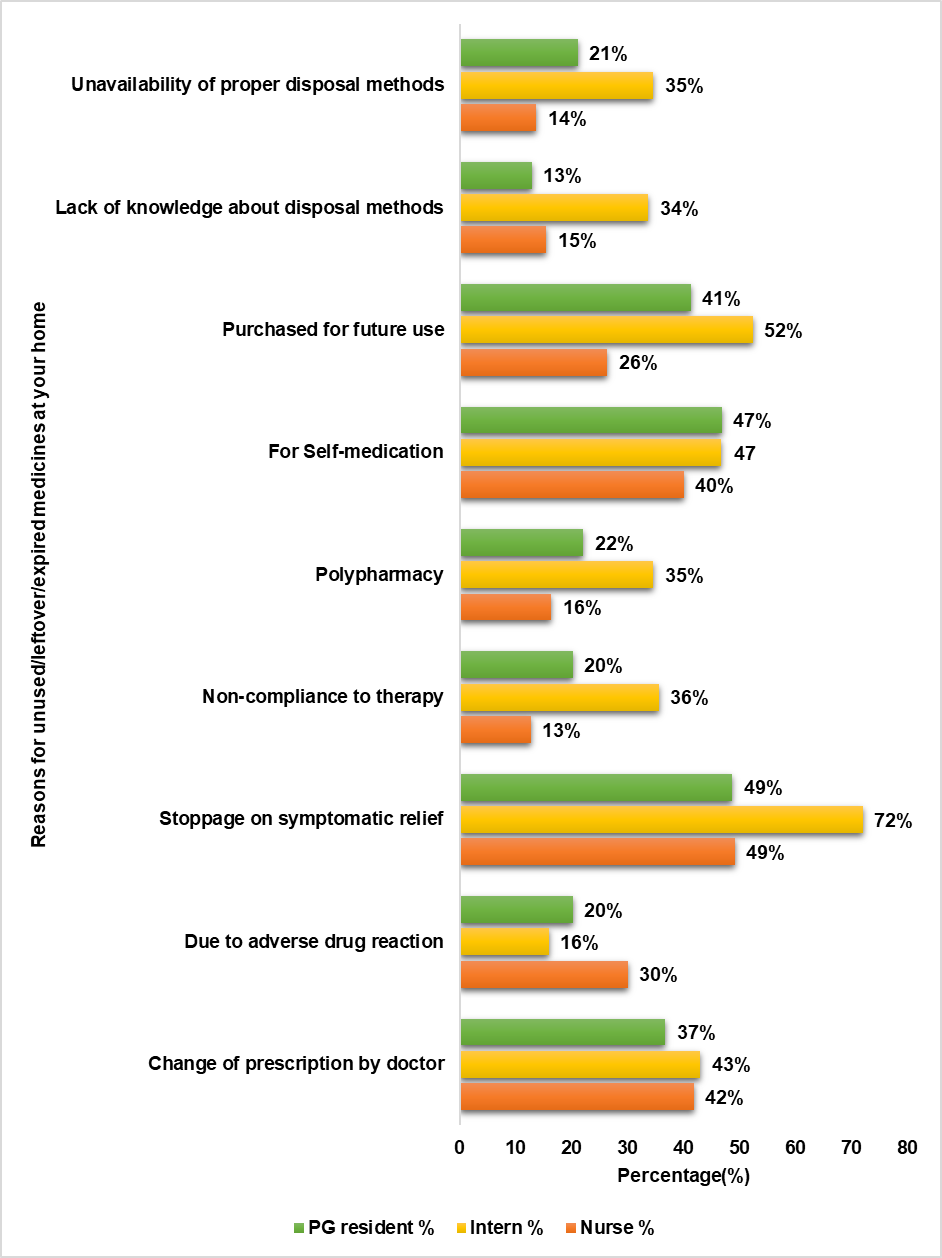
Fig. 1: What are the reasons for unused/leftover/expired medicines at your home?
Analysis of attitude components (table 2)
In the questionnaire related to attitude, 159 (49%) participants were concerned about how to dispose of excess/unused/leftover medicines at home. The issue of disposal of excess/unused/leftover medicines concerned “sometimes” to 102 (31%) and “not at all” to 65 (20%) of the participants.
In our study, leading reasons cited for unused/leftover/expired medicines were stoppage of treatment on symptomatic relief-185 (57%), self-medication-145 (44%), change of prescription by doctor-13 (41%), and purchase of more medicines for future use-13 (40%). Leftover medicines due to stoppage of treatment after symptomatic relief were highest, with 49% in post-graduate students, 72% in interns, and 49% in nursing staff. (fig. 1) 243(75%) participants agreed that purchasing medicines without prescription adds to the load of unused medicines.
When asked about the most appropriate method of drug disposal 206 (63%) participants chose returning excess/unused/leftover medicines to a pharmacy or hospital. While 53 (16%) and 42 (13%) participants chose to throw in household trash and flush in the sink or toilet as the appropriate method of medicine disposal respectively. Only 10 (3%) knew that mixing with used tea/ground coffee followed by throwing in a dustbin is the correct method of disposal. In response to this question, 72% of postgraduates and 82% of interns chose to return excess/expired medicines to the pharmacy. Among nursing staff, 39% chose to return to the pharmacy/hospital, while 34% and 24% opted for disposal in household trash or sink/toilet, respectively (fig. 2).
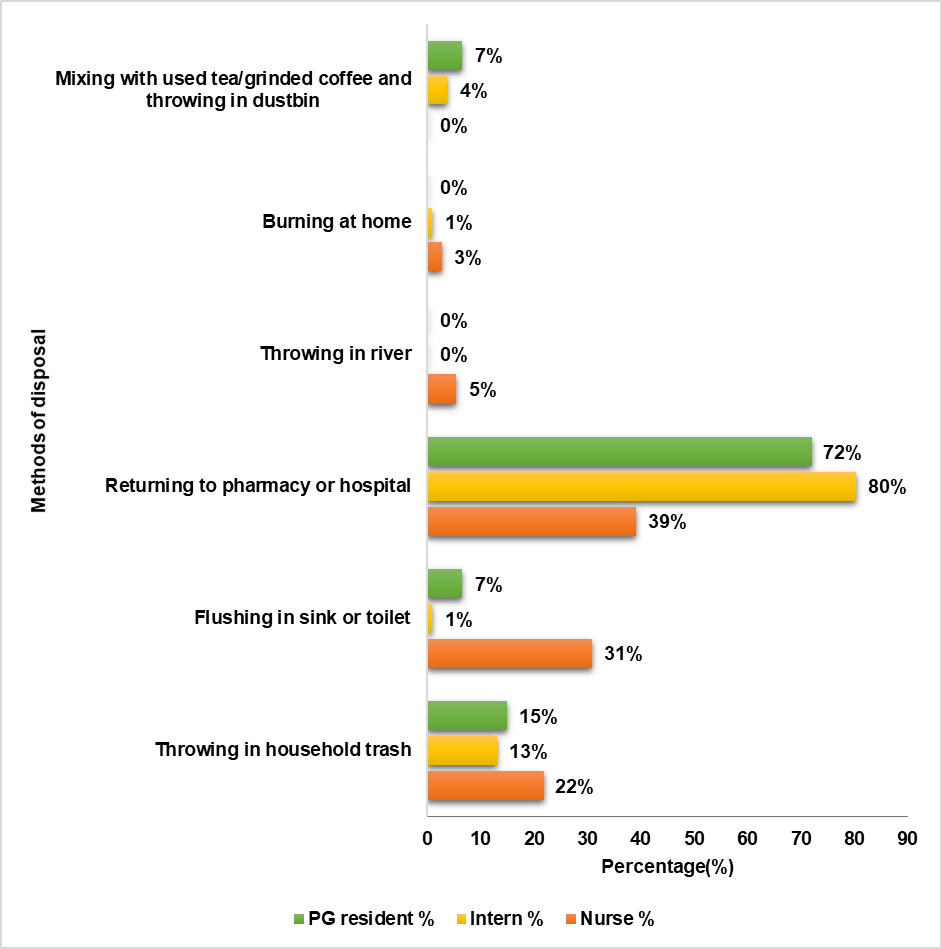
Fig. 2: According to you, which is the appropriate method of medicine disposal?
308 (94%) participants think the government should formulate and publish guidelines regarding medicine disposal. 292 (90%) agree that hospitals/pharmacies should start “drug take-back schemes” for unused medicines. For spreading awareness about safe medicine disposal, common methods chosen were information broadcast in newspapers, television, and social media-97 (30%), patient education by doctors, nursing staff, and pharmacists-65 (20%), posters of information in hospitals-65 (20%). 219 (67%) agreed to participate in activities like campaigns and patient counseling for creating awareness about safe disposal of medicines.
Analysis of practice components (table 3)
When asked about the practice of having unused/expired medicines at home, 74 (23%) didn’t have any stored medicines. While 192 (59%) participants had 1 to less than 5, and 46 (14%) had 5-10 medicines stored in their cabinet at home. Antipyretics-260 (80%), antacids-214 (66%), oral analgesics-179 (55%), cough syrup-136 (42%), and oral anti-microbial-69 (21%) were among the common groups of medicine stored by the participants (fig. 3).
When asked about practice followed by participants for disposing of unused/expired solid medicines most common method used was throwing it into household trash-172 (53%). 62 (19%) participants returned medicines to the pharmacy or hospital, while only 21 (6%) disposed of medicines by mixing them with used tea/ground coffee and threw them into the dustbin. The practice of disposing of solid medicines by throwing them in household trash and returning them to the pharmacy/hospital is followed by 56% and 23% of post-graduate students, respectively. Amongst interns, the practice of throwing excess solid medicines in household trash and returning to the pharmacy/hospital was followed by 69% and 14%, respectively. While in nursing staff, throwing in household trash (36%), flushing in the sink/toilet (37%), and returning to the pharmacy/hospital (22%) were common practices (fig. 4).
In the case of liquid medicines, common practices followed were throwing in household trash and flushing in sink/toilet in 155 (48%) and 65 (20%) participants, respectively. In nursing staff, flushing in the sink/toilet was a primary choice in 40% of the participants (fig. 5). Common sources of obtaining information about methods of medicine disposal were doctors (42%), the Internet (25%), nursing staff (25%), and books (25%).
Table 2: Analysis of attitude components
KAP study questionnaire (Attitude regarding medication disposal) |
Frequency distribution, [Total participants N=326] (Percentage (%)) |
|
Yes |
| No | |
| Sometimes | |
|
Change of prescription by doctor |
| Due to adverse drug reaction | |
| Stoppage of treatment on symptomatic relief | |
| Non-compliance to therapy | |
| Prescription of more number of medicines-polypharmacy | |
| For self-medication | |
| Purchase of more number of medicines for future family use | |
| Lack of knowledge about disposal methods | |
| Unavailability of proper disposal methods | |
|
Yes |
| No | |
| May be | |
|
Yes |
| No | |
| May be | |
|
Throwing in household trash |
| Flushing in sink or toilet | |
| Returning to the pharmacy or hospital | |
| Throwing in river | |
| Burning at home | |
| Mixing with used tea/ground coffee and throwing in a dustbin | |
|
Yes |
| No | |
| May be | |
|
Patient education by Doctors, Nursing Staff or Pharmacists |
| Posters of Information Education and Communication in hospitals in vernacular language | |
| Information broadcast in newspapers, television, and social media | |
| Awareness programs and activities by the government | |
| Written instructions on box of medicines | |
|
Yes |
| No | |
| May be |
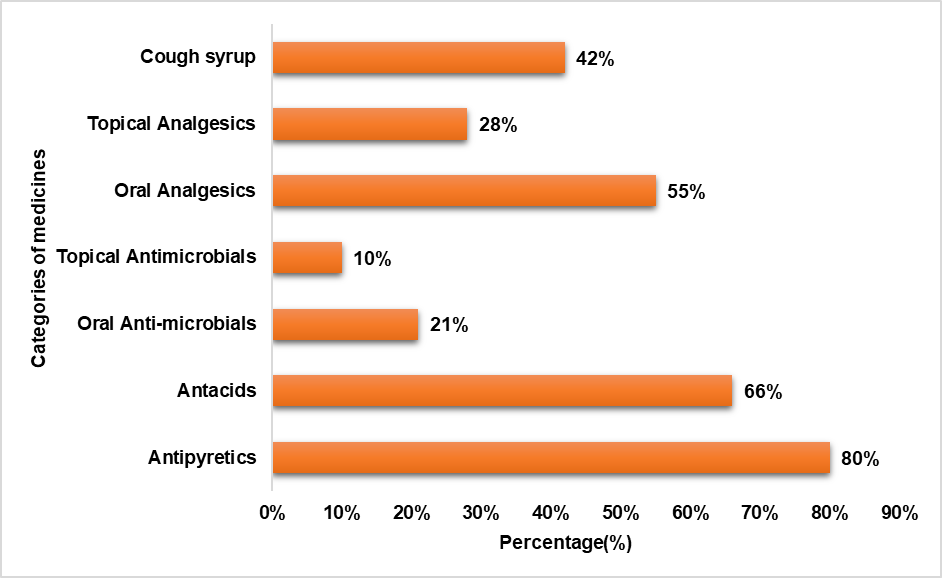
Fig. 3: Which is/are the most common medicine/s stored by you for personal/family use?
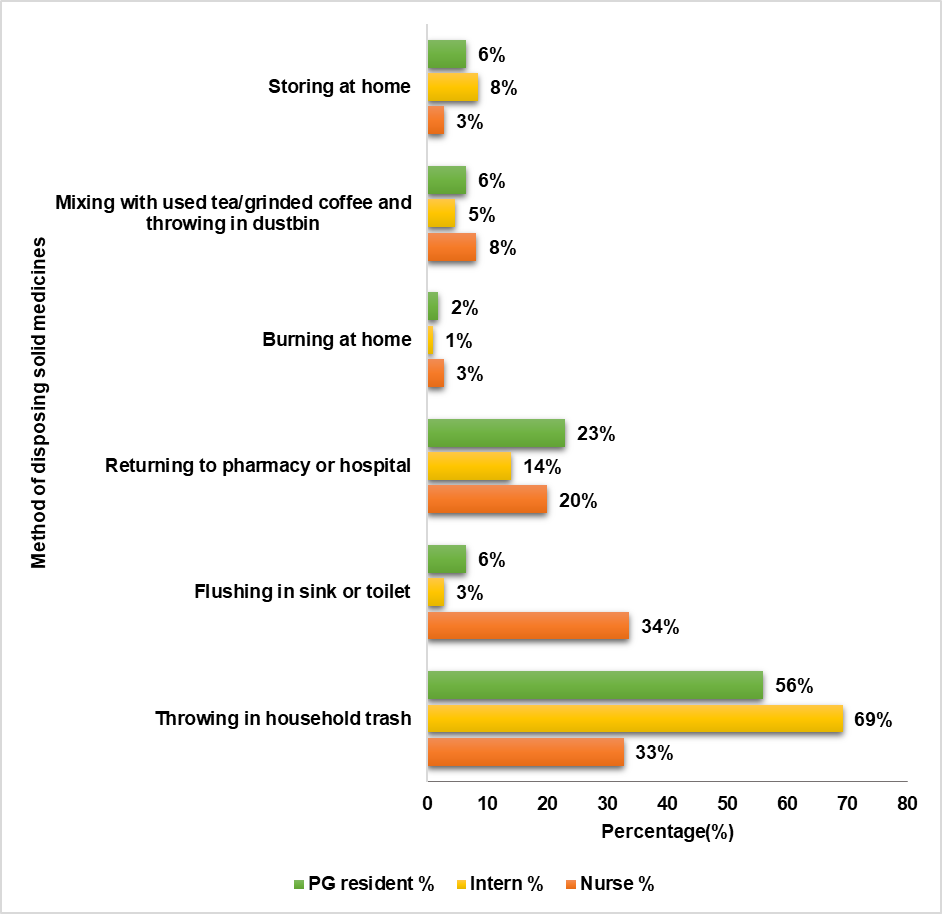
Fig. 4: How do you dispose of unused/expired solid medicines at home?
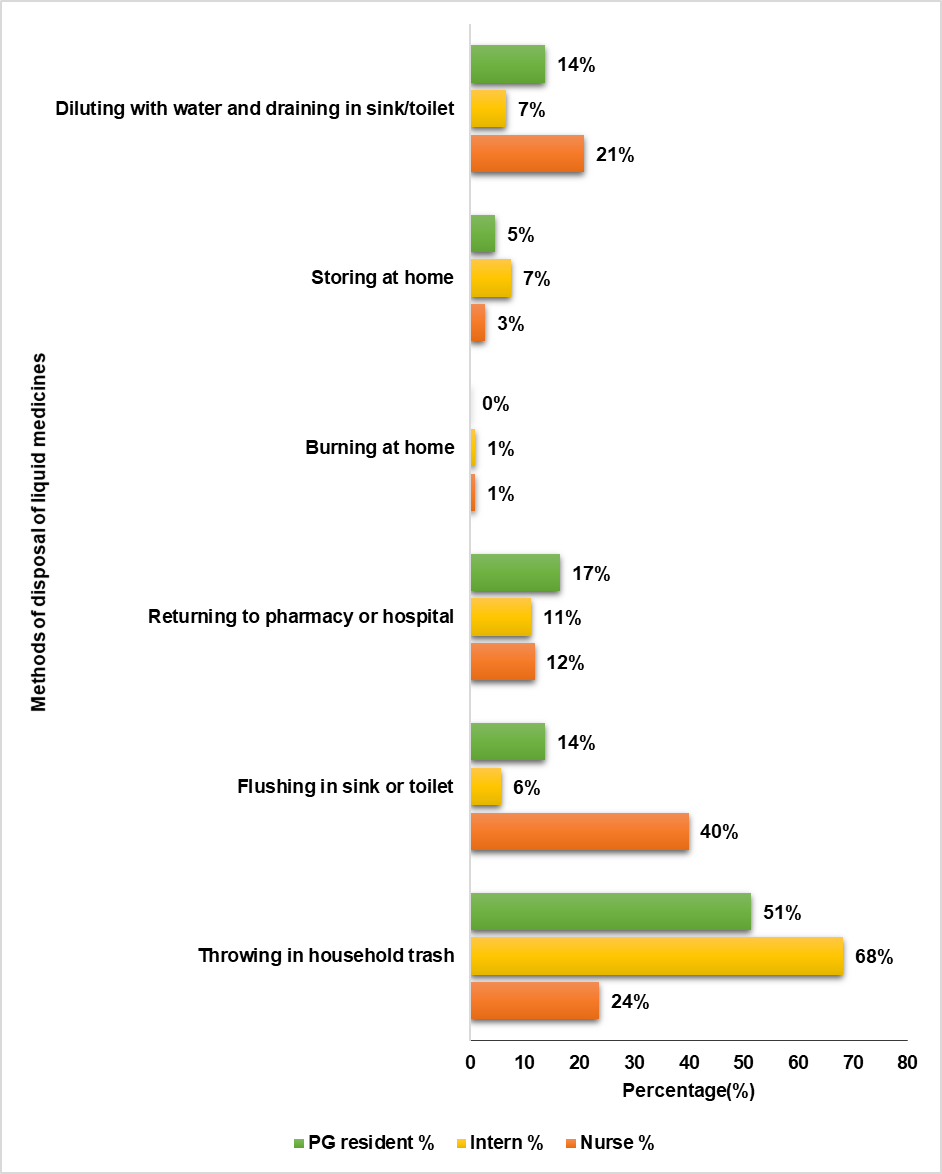
Fig. 5: How do you dispose off unused/expired liquid medicines at home?
Table 3: Analysis of practice components
KAP study questionnaire (Practices followed for medication disposal) |
Frequency distribution, [Total participants N=326] (Percentage (%)) |
|
None |
| Less than 5 | |
| 5-10 | |
| More than 10 | |
|
Antipyretics |
| Antacids | |
| Oral Anti-microbials | |
| Topical Anti-microbials | |
| Oral Analgesics | |
| Topical Analgesics | |
| Cough syrup | |
|
Throwing in household trash |
| Flushing in sink or toilet | |
| Returning to the pharmacy or hospital | |
| Burning at home | |
| Mixing with used tea/ground coffee and throwing in a dustbin | |
| Storing at home | |
|
Throwing in household trash |
| Flushing in sink or toilet | |
| Returning to the pharmacy or hospital | |
| Burning at home | |
| Storing at home | |
| Diluting with water and draining in sink/toilet | |
|
Doctors |
| Pharmacists | |
| Nursing Staff | |
| Family and friends | |
| Books | |
| Journals/Guidelines | |
| Internet |
DISCUSSION
“A branch of science that deals with the detection, assessment, understanding, and prevention of adverse effects of medicines in the environment that affect human and other animal species is known as Eco-pharmacovigilance" [5]. Through this study, we have evaluated knowledge, attitude, and practice about the disposal of unused medications among medical post-graduate students, interns, and nursing staff. This was an observational, cross-sectional, questionnaire-based study comprising a total of 18 questions.
In our study, 79% of the participants knew about eco-pharmacology and 94% were aware that improper drug disposal can lead to environmental pollution. In a similar study done by Bhatt et al. among M. B. B. S. students, 73.25% of participants knew eco-pharmacology and 91.15% of the participants were aware of the hazardous environmental impact of improper disposal of drugs. In the same study, awareness about environmental pollution by improper drug disposal as one of the causes of antibiotic resistance was found in 86% of participants [9], while it was 50% of our study participants. In a similar study conducted in south India, 75% of participants knew about the environmental hazards due to improper drug disposal [10].
In our study, common reasons noted for stockpiling unused/leftover/expired medicines at home were stoppage of treatment for symptomatic relief (56%), self-medication purposes (44%), change of prescription by doctor (40%), and purchase of a greater number of medicines for future use (40%). In a study done by S. Aditya et al., common reasons cited were left over previous over-the-counter drug purchases (53%) and passing of expiry date (24%). In comparison to our study, in S. Aditya et al.’s study, self-discontinuation after symptomatic relief (14%) and change of treatment by doctor (5%) had lower contribution in stockpiling of drugs [11].
Common categories of medicines stored by the participants in our study were antipyretics (80%), antacids (66%), oral analgesics (55%), and cough syrup (42%). 21% stored oral and 10% stored topical antimicrobial in our study. In a similar study, done among undergraduate dental students, common medicines hoarded at home were antipyretics (54%), analgesics (64%), and antihistamines (35%). In this study, as well 26% of participants had antibiotics among stored medications [11].
Regarding practices for medicine disposal most common methods cited in our study were throwing in household trash (53% for solid and 48% for liquid medications), and flushing in the sink or toilet (14%for solid and 20% for liquid medications). The practice of returning the medications to the pharmacy or hospital was followed by 19% for solid and 13% for liquid medications of the participants. Another acceptable method of mixing with used tea/ground coffee followed by throwing it in a dustbin was used by 6% of the participants. In a similar study in north India, disposal in the trash (94%), and flushing in the sink (32%) and toilet (12%) were commonly used methods, while only 3% of participants practiced returning the drugs to the pharmacy [11]. The commonly reported methods practiced by the participants in a study conducted in central India were returning it to the pharmacy in 23% of participants, followed by 21.8% throwing them into household trash and 6% donating medicines to healthcare establishments [12]. Similar kind of results were also observed in a study done among pharmacy students of Ethiopia, where common methods for drug disposal were throwing in household garbage (61%) and flushing in the toilet or sink (32%); while returning to the pharmacy or hospital was followed in only 6% participants [13].
The most common method used by the participants in the above-mentioned studies was throwing the medicines in household trash, which shows ignorance towards proper medication disposal. Improper disposal of medicines in the household trash or flushing in the toilet/sink can lead to environmental pollution. One study measuring the concentration of 56 active pharmaceutical ingredients in 50 big wastewater treatment plants in the United States found Hydrochlorothiazide (a diuretic that treats high blood pressure) in every sample and Carbamazepine (an antiepileptic and mood stabilizer) in more than 90% of the samples [14]. A wide range of antimicrobials have also been observed in the environment. Researchers have found that at the exit of the Yamuna River in Delhi, the concentration of antimicrobial agents fluconazole and ofloxacin was 80 and 50 times more, respectively than at the entry of the Yamuna River in Delhi [15]. These alarmingly high levels of antimicrobials may provide the breeding environment for superbugs.
The National Formulary of India, 2021 recommends proper drug disposal methods such as returning large quantities of expired or unused pharmaceuticals to wholesalers, mixing medicines with used tea/ground coffee and throwing them in the dustbin for small quantities [6]. 90% of participants in our study strongly agreed that the hospitals/pharmacies should start “drug take-back schemes” for unused/expired medicines. In Australia, under the Return Unwanted Medicine (RUM) project; returned medicines are deposited in RUM bins located within pharmacies, which are then collected by pharmaceutical wholesalers and transferred to designated incineration sites [16]. Similar schemes are also present in countries like Denmark, France and Canada [17, 18]. Such schemes or projects provide structured operating procedures for disposing of unused/expired medicines and thereby decrease the harm caused to the environment.
In our study, the participants of the study had knowledge about the environmental perils caused by improper medicine disposal, but practices are still sub-par and require educational intervention. In this study, the participants were health care providers and their proper training can reduce the scale of problems in larger proportion, as they can instruct their patients about proper disposal of medications. On the topic of ecotoxicology and proper disposal of medications, the stakeholders, including the government, hospitals, doctors, pharmacists, and patients, should work together to ensure health and environmental safety.
LIMITATIONS
This study was conducted with a small sample from a single tertiary care hospital as a short study under the post-graduate curriculum. Future research can be conducted on larger and more diverse populations with varying literacy levels and socioeconomic backgrounds.
CONCLUSION
The majority of the participating doctors and healthcare staff understand the importance of safely disposing of unused or leftover medicines. However, there is a need to improve the attitude and practices regarding proper medicine disposal. Regular sensitization training and informative interventions are recommended to enhance awareness and practices in this area.
ACKNOWLEDGMENT
The authors are thankful to the administrative staff, participant doctors, and nurses of Medical College and S. S. G. Hospital Baroda, Vadodara, Gujarat, India.
FUNDING
Nil
AUTHORS CONTRIBUTIONS
Conception/design: Dr. Miral Patel, Dr. Chirag Mistry, Dr. Vishal Gaekwad. Methodology: Dr. Miral Patel, Dr. Chirag Mistry, Dr. Vishal Gaekwad. Data collection: Dr. Miral Patel. Result analysis and discussion: Dr. Miral Patel, Dr. Chirag Mistry, Dr. Vishal Gaekwad. Manuscript writing and preparation: Dr. Miral Patel, Dr. Chirag Mistry, Dr. Vishal Gaekwad.
CONFLICT OF INTERESTS
There are no conflicts of interest
REFERENCES
Radhrakrishna L. Knowledge Attitude and Practice (KAP) towards disposal of medicines: a qualitative study among health care professionals in South India. World J Pharm Res. 2014;3:1955-63.
Boxall AB. The environmental side effects of medication. EMBO Reports. 2004;5(12):1110-6. doi: 10.1038/sj.embor.7400307.
Oaks JL, Gilbert M, Virani MZ, Watson RT, Meteyer CU, Rideout BA. Diclofenac residues as the cause of vulture population decline in Pakistan. Nature. 2004;427(6975):630-3. doi: 10.1038/nature02317, PMID 14745453.
Taggart MA, Senacha KR, Green RE, Jhala YV, Raghavan B, Rahmani AR. Diclofenac residues in carcasses of domestic ungulates available to vultures in India. Environ Int. 2007;33(6):759-65. doi: 10.1016/j.envint.2007.02.010, PMID 17433834.
Medhi B, Sewal RK. Ecopharmacovigilance: an issue urgently to be addressed. Indian J Pharmacol. 2012;44(5):547-9. doi: 10.4103/0253-7613.100363, PMID 23112410.
National formulary of India: disposal of unused/expired pharmaceutical products(Appendix IV). Indian Pharmacopoiea Commision. 4th ed; 2011.
Swaroop H, Chakraborty A, Virupakshaiah A. Knowledge, attitude and practice of medical professionals towards the safe disposal of unused medications in South India. World J Pharm Pharm Sci. 2015;4(5):1427-8.
Kaur K, Bansal N. Knowledge, attitude and practice on safe disposal of medicines among medical personnel. IJCAAP. 2021;6(2):79-82. doi: 10.18231/j.ijcaap.2021.014.
Bhatt S, Kumar H. Knowledge attitude and practice of medical personnel on ecopharmacology. Int J Basic Clin Pharmacol. 2022;11(5):419-24. doi: 10.18203/2319-2003.ijbcp20222137.
Arunachalam U, Mv GS, S PV, R G. Assessment of knowledge and practice toward disposal of expired drugs among medical professionals in Chennai-a cross-sectional prospective study. Asian J Pharm Clin Res. 2017;10(12):324. doi: 10.22159/ajpcr.2017.v10i12.21529.
Aditya S. Safe medication disposal: need to sensitize undergraduate students. Int J Pharm Life Sci. 2013;2(6):2-4.
More SA, Gupta K, Kharat A, Mishra PS. Knowledge, attitude, and practice about storage and safe disposal of unused medicines among medical and dental personnel: Ecopharmacovigilance perspective. Asian J Pharm Clin Res. 2024;17(5):191-7. doi: 10.22159/ajpcr.2024.v17i5.49800.
Gubae K, Arega Moges T, Agegnew Wondm S, Bayafers Tamene F, Kiflu M, Aschale E. Ecopharmacology: knowledge, attitude, and medication disposal practice among pharmacy students. Integr Pharm Res Pract. 2023;12:185-93. doi: 10.2147/IPRP.S428457, PMID 37901480.
Kinrys G, Gold AK, Worthington JJ, Nierenberg AA. Medication disposal practices: increasing patient and clinician education on safe methods. J Int Med Res. 2018;46(3):927-39. doi: 10.1177/0300060517738681, PMID 29322845.
Kolpin DW, Furlong ET, Meyer MT, Thurman EM, Zaugg SD, Barber LB. Pharmaceuticals, hormones, and other organic wastewater contaminants in U.S. Streams, 1999-2000: a national reconnaissance. Environ Sci Technol. 2002;36(6):1202-11. doi: 10.1021/es011055j, PMID 11944670.
Kelly F, McMillan S, Spinks J, Bettington E, Wheeler AJ. ‘You don’t throw these things out:’ an exploration of medicines retention and disposal practices in Australian homes. BMC Public Health. 2018;18(1):1026. doi: 10.1186/s12889-018-5753-6, PMID 30119656.
Vollmer G. Disposal of pharmaceutical waste in households survey. Green Sustain Pharm; 2010. p. 165-78.
Barnett Itzhaki Z, Berman T, Grotto I, Schwartzberg E. Household medical waste disposal policy in Israel. Isr J Health Policy Res. 2016;5:48. doi: 10.1186/s13584-016-0108-1, PMID 27766144.