
Int J Pharm Pharm Sci, Vol 17, Issue 12, 17-21Original Article
FORMULATION AND EVALUATION OF POLYHERBAL SKIN-CARE CREAM CONTAINING LIQUORICE AND ALOE
ARPIT MISHRA, ARUN SHERKE, BHANU LOHARE, REENA SONI*
Department of Pharmacy, Shri G. S. Institute of Technology and Science, 23-Park Road, Indore-452003, Madhya Pradesh, India
*Corresponding author: Reena Soni; *Email: reena.soni0109@gmail.com
Received: 10 Jun 2025, Revised and Accepted: 18 Oct 2025
ABSTRACT
Objective: The present study focuses on the formulation and evaluation of a polyherbal skin care cream incorporating Liquorice (Glycyrrhiza glabra) extract and Aloe vera (Aloe barbadensis) gel, aimed to enhance skin health through natural and safe ingredients.
Methods: The cream was prepared by using slab technique/extemporaneous method for geometric and homogenous mixing of all the excipients and the herbal extract and prepared formulation evaluated for various parameters such as color, odor, consistency, homogeneity, pH, spreadability, viscosity, irritancy test, washability test, dye test, phase separation test.
Results: The evaluation parameters are coming under this heading physical parameter like color was faint brown and odor was pleasant, consistency was smooth and the state was semisolid. pH of the cream was 6.82, spread ability was 15.92 g. cm/s, wash ability was easily washable, the cream was non-irritant, viscosity of the formulated cream was 3502.67cps and no phase separation was observed during storage of polyherbal cream and passed the stability study test.
Conclusion: The developed polyherbal cream formulation possessed all desired quality attributes and physico-chemical properties. Hence, it can be concluded that the cream was stable and can be safely used topically for skin care.
Keywords: Liquorice extract, Aloe vera gel, Skin care, Polyherbal cream
© 2025 The Authors. Published by Innovare Academic Sciences Pvt Ltd. This is an open access article under the CC BY license (https://creativecommons.org/licenses/by/4.0/)
DOI: https://dx.doi.org/10.22159/ijpps.2025v17i12.55508 Journal homepage: https://innovareacademics.in/journals/index.php/ijpps
INTRODUCTION
Herbal cosmetics are experiencing a surge of interest as consumers seek plant-based alternatives to synthetic formulations. The global market for natural skin care products is growing rapidly [1]. Surveys indicating that a large fraction of shoppers now prioritizes natural ingredients in beauty products [2]. This trend reflects concern about the safety and environmental impact of petrochemical additives, and it is driving research into botanical actives with proven dermatological benefits. In this context, combining well-known herbal extracts into topical formulations while maintaining consumer appeal holds promise for enhancing efficacy.
Liquorice (Glycyrrhiza glabra) and Aloe vera (Aloe barbadensis) are two botanicals used in traditional and modern dermatology for their rich bioactive content and skin-friendly properties [3]. Liquorice root contains triterpenoid saponins (e.g., glycyrrhizin) and flavonoids (e.g., glabridin), which confer anti-inflammatory, antioxidant, antimicrobial, and other therapeutic activities [4, 5]. Glycyrrhizic acid is widely used to treat inflammatory dermatoses due to its ability to inhibit pro-inflammatory pathways [6]. Liquorice flavonoids such as glabridin also inhibit melanogenesis, giving a mild skin-lightening action [7]. Similarly, Aloe vera gel is rich in polysaccharides (e. g., acemannan), vitamins (A, C, E), enzymes, and phenolic compounds. These components contribute to its hydrating, soothing, and regenerative properties, making it beneficial for various skin conditions. Clinically, aloe preparations have been shown to promote the healing of burns, ulcers, and wounds by maintaining moisture and modulating inflammation [8, 9]. Aloe vera is renowned for anti-inflammatory, antimicrobial, and antioxidant activity [10]. Thus, both liquorice and aloe extracts contribute complementary skin benefits, including anti-aging, barrier enhancement, and repair, which justify their inclusion in a combined topical formulation. The supporting excipients in the cream formulation are selected to complement the herbal actives and ensure desirable physical properties. Beeswax is included as a natural occlusive emollient [11]. Coconut oil serves as a moisturizer and skin conditioner [12]. Vitamin E (α-tocopherol) is added for its potent antioxidant and photoprotective effects, protecting skin lipids and collagen from oxidative damage [13]. Cetearyl alcohol acts as a co-emulsifier and thickening agent, stabilizing the oil–water emulsion and improving the cream’s texture [14]. Importantly, fatty alcohols like cetearyl alcohol also contribute mild emollient properties without the drying effects of short-chain alcohols. Rose water is incorporated for its mild toning and anti-inflammatory action [15]. Xanthan gum is used as a rheology modifier to adjust viscosity and maintain homogeneity. Honey provides humectant, antimicrobial and regenerative functions. Citric acid is included to adjust the formulation pH to a slightly acidic level (matching skin pH) and to act as a mild chelating preservative. Collectively, these natural excipients create a biocompatible base that enhances delivery of liquorice and aloe actives while improving sensory qualities of the cream [16].
The current study focuses on the formulation and evaluation of a polyherbal skin care cream incorporating Liquorice (Glycyrrhiza glabra) extract and Aloe vera (Aloe barbadensis) gel, aimed to enhance skin health through natural and safe ingredients.
MATERIALS AND METHODS
Aloe vera (R. Soni 193, SLS) was collected from the medicinal garden (22.7252° N, 75.8713° E) of the Department of Pharmacy, S. G. S. I. T. S., Indore. Dried roots and rhizomes of liquorice, beeswax, xanthan gum, methyl paraben, and cetearyl alcohol are available in the pharmacognosy laboratory of Department of Pharmacy, S. G. S. I. T. S., Indore. All other chemicals (rose water, honey, coconut oil, and vitamin E capsule) were purchased from the local market of Indore.
Alcoholic extraction of dried roots and rhizomes of liquorice
5 g of finely ground liquorice powder was placed in a filter paper thimble and loaded into the Soxhlet apparatus (fig. 1). A solvent mixture of ethanol and water (3:7) was prepared to enhance extraction efficiency. The 250 ml solvent was poured into the round-bottom flask, and the Soxhlet apparatus was assembled with a condenser. The solvent was heated at 60 °C for 2 h. The extract was collected and concentrated under reduced pressure using a rotary evaporator. Concentrated extract was collected and filter. This filtrate was used for the preparation of cream. The filtrate stored in an airtight container and kept away from light and moisture [17].
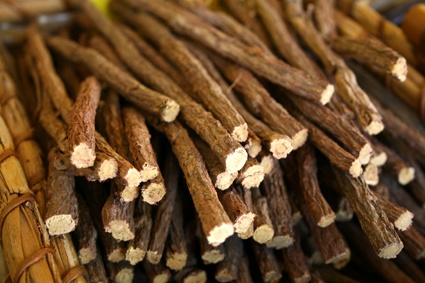
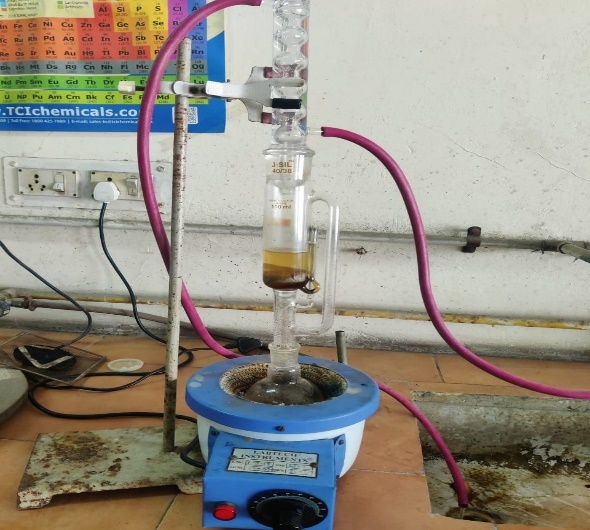
Fig. 1: Extraction of dried roots and rhizomes of liquorice using soxhlet apparatus
Extraction of Aloe vera gel
Mature and healthy Aloe vera leaves were selected and cut at the base using a sterilized knife. The leaves were thoroughly washed with distilled water to remove dirt and impurities. The leaves were kept tilted for 10–15 min to allow the yellow latex (Aloin) to drain out. The drained leaves were cut into small pieces using a sterilized knife. The gel was gently extracted by rubbing and scooped out using a clean spatula (fig. 2). 50 ml of crude gel extract was centrifuge for 5 min at 1000 Rotations Per Minute (RPM). The collected gel was filtered utilizing microfiltration membranes as a prefilter with a pore size of 0.45 um to a 0.22 um final sterilizing filter for removal of dispersed particles like those containing aloin and fibrous materials. The purified gel was transferred into a sterilized, clean glass jar and stored in the refrigerator at 4 °C for further use [10, 18].
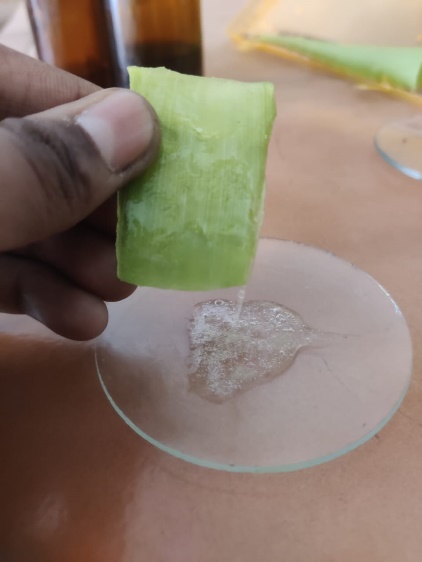
Fig. 2: Separation of Aloe vera gel from leaf
Formulation of polyherbal cream
The beeswax, coconut oil, and cetearyl alcohol were measured and combined in a borosilicate glass beaker. The mixture was heated to 75 °C while stirring until fully melted, and then Vitamin E (α-tocopherol) was added and mixed gently. In a separate beaker, rose water and Aloe vera gel were measured and heated to 75 °C. Xanthan gum was slowly added while stirring to avoid clumps, and citric acid was dissolved in warm water and added to the mixture. Liquorice extract and pre-filtered honey were then added, stirring until fully dissolved. The oil phase was slowly added to the aqueous phase while stirring vigorously, or a high-speed mixer was used to achieve a smooth emulsion. After preparing the emulsion, the extracts (liquorice extract and honey) were added and mixed thoroughly. The mixture was stirred until it cooled to room temperature (25 °C) and formed homogenous semisolid cream, then transferred it to a sterilized container, and stored in a cool, dry place [19]. The ingredients used in the formulation and their applications are shown in table 1.
Table 1: Ingredients used in formulation and their applications
| S. No. | Ingredients | Role of ingredients | Quantity |
| Beeswax | Emollient, Emulsifying agent | 8 g | |
| Coconut Oil | Emollient | 10 ml | |
| Vitamin E (α-tocopherol) | Antioxidant, Preservative | 3 ml | |
| Cetearyl Alcohol | Emulsion Stabilizer | 3 g | |
| Aloe vera Gel | Moisturizer/Humectant | 15 ml | |
| Liquorice Extract | Skin Brightening | 10 ml | |
| Methyl Paraben | Preservative | 0.03 g | |
| Xanthan Gum | Viscosity controller | 1 g | |
| Honey (pre-filtered) | Moisturizer/Humectant | 10 g | |
| Rose Water | Vehicle | q. s. |
Evaluation of polyherbal cream
Physical evaluation
The formulated polyherbal cream was further evaluated by the following physical parameters: color, odor, consistency, and state of formulation [20].
Homogeneity
Formulation was tested for homogeneity by visual inspection and by touching the cream physically [21].
pH
A 5 g sample of the herbal cream was accurately weighed and added to 100 ml of distilled water in a clean beaker. The mixture was stirred thoroughly using a glass rod to ensure uniform dispersion and left to stand for 2 h at room temperature. A digital pH meter, calibrated using standard buffer solutions (pH 4.0, 7.0, and 9.2), was used to measure the pH of the dispersion. The electrode was immersed in the sample, and the stabilized reading was recorded. This procedure was repeated three times and the average pH value was calculated for accuracy [22].
Spreadability
1 g cream was placed between the two glass slides and was compressed between the two-glass sides to uniform thickness by placing 125 g of weight for 5 min then weight was added to the weighing pan. Time in which the upper glass slide move over the lower slide was taken as a measure of spreadability. Spreadability was calculated using the following formula:

Where, S = Spreadability,
M = Weight in the pan (tied to the upper slide), l = Length moved by the glass slide and
T = Time (in sec.) taken to separate the slide completely each other [20].
The time in seconds require to separate the two slides was taken as measure of spreadability.
Viscosity
A sufficient quantity of the herbal cream was taken in a clean beaker and gently stirred at room temperature to ensure homogeneity. The Brookfield viscometer was set up with spindle no. 7 and the spindle was carefully immersed into the sample without touching the bottom. The instrument was started, and after stabilization, the viscosity readings were recorded. This process was repeated three times, and the average viscosity was calculated and reported in centipoise (cps) units [23].
Irritancy test
A 1 cm2 region on left hand dorsal surface was marked to test for irritability test. Cream was applied to the specified area and the time was noted. Irritancy, erythema, edema was checked if any for regular intervals up to 24 h and reported [20, 24].
Washability test
A portion of cream was applied to the skin of the hand and then ease extend of washing with water was checked [24].
Dye test
In order to conduct the test, the cream is mixed with scarlet dye that dissolves in water. A drop of cream is then placed on a glass slide, covered with a cover slip, and examined under a microscope [25].
Phase separation
Prepared cream was kept in a closed container at room temperature, away from light. Then phase separation was checked for 24 h for 30 d. Any change in phase separation was observed/checked.
Stability study
Stability studies were done according to ICH guidelines [26].
RESULTS AND DISCUSSION
Physical evaluation
Polyherbal cream shows good physical appearance like color was faint brown and odor was pleasant, consistency was smooth and the state was semisolid. Result is shown in table 2.
Homogeneity
The cream was smooth, uniform, and free from lumps; it is considered as homogeneous. Result is shown in table 2.
pH
Average pH of the cream was found to be 6.82±0.12 (n=3), which is quite favourable and acceptable for skin and considered as natural pH of skin [22]. Result is shown in table 2.
Spreadability
Average spread ability was 15.92±0.11 g. cm/s (n=3), which is indicting a good balance between ease of application and texture. Result is shown in table 2.
Viscosity
The viscosity of the cream was 3502.67±0.13 cps (n=3), measured using a Brookfield rotational viscometer at speeds of 5, 10, and 20 rpm and shear stress are 79.9 %, 75.3 %, 74.8 %, respectively, with each reading recorded after allowing the sample to equilibrate for two min. Result is shown in table 2.
The viscosity of formulated cream was found to be 3502.67 cps. Typical viscosity range of non-greasy cream is 1000-5000 cps. It means viscosity of formulated cream is within the standard range, which indicates good for application and provides good spreadability. This is a suitable range for many topical creams [27].
Table 2: Results of physical evaluation of polyherbal cream
| S. No. | Parameters | Observation |
| 1. | Color | Light Brown |
| 2. | Odor | Pleasant |
| 3. | Consistency | Smooth |
| 4. | Physical state | Semi-Solid |
| 5. | Homogeneity | Homogeneous |
| 6. | pH | 6.82±0.12 |
| 7. | Spreadability | 15.92±0.11 g. cm/s |
| 8. | Viscosity | 3502±0.13 cps |
| 9. | Irritancy test | Non-irritant |
| 10. | Washability | Easily washable (non-greasy) |
| 11. | Dye test | o/w type |
| 12 | Phase separation | No phase separation |
Note: Data of pH, Spreadability, and viscosity have been presented as mean±SD (n=3)
Table 3: Stability study of polyherbal cream
| S. No. | Temperature | Relative humidity | Parameters | After 1 mo | After 2 mo | After 3 mo |
| 1 | 40 °C± 2 °C | 75%RH±5%RH | Visual Appearance Consistency Physical state pH Viscosity (cps) Spredability (g. cm/s) Skin irritation |
No change Smooth Semi solid 6.82 3500 15.80 No |
No change Smooth Semi solid 6.80 3492 15.64 No |
No change Smooth Semi solid 6.79 3485 15.33 No |
| 2 | 30 °C± 2 °C | 65%RH ±5%RH | Visual Appearance Consistency Physical state pH Viscosity (cps) Spredability (g. cm/s) Skin irritation |
No change Smooth Semi solid 6.27 3506 15.58 No |
No change Smooth Semi solid 6.34 3502 15.25 No |
No change Smooth Semi solid 6.58 3497 14.98 No |
| 3 | 25 °C± 2 °C | 60%RH ±5%RH | Visual Appearance Consistency Physical state pH Viscosity (cps) Spredability (g. cm/s) Skin irritation |
No change Smooth Semi solid 6.62 3502 14.72 No |
No change Smooth Semi solid 6.57 3498 14.72 No |
No change Smooth Semi solid 6.43 3490 14.59 No |
When interpreting stability study data showing a cream is stable, it means the formulation has successfully maintained its key characteristics over a defined period under specified storage conditions. This confirms its quality, safety, and effectiveness will hold up through its storage duration [28].
Irritancy test
The formulated cream shows no redness, swellingand irritation after applying it on the skin for 24 h it means cream is non-irritating and completely safe to use. Result is shown in table 2.
Washability test
The cream was easily removed by washing with tap water so it means formulated cream is of non-greasy nature. Result is shown in table 2.
Dye test
The formulated cream was found to be o/w type of emulation by dilution test. Result is shown in table 2.
Phase separation
No phase separation was observed during storage (after 30 d) of polyherbal cream. Result is shown in table 2.
Stability study as per ICH guidelines
The polyherbal cream showed minimal (negligible) changes in pH, viscosity and spredability, which finally indicates that the formulated cream is completely stable. Result is shown in table 3.
CONCLUSION
The present work focused on the formulation and evaluation of a polyherbal skin care cream incorporating Liquorice (Glycyrrhiza glabra) extract and Aloe vera (Aloe barbadensis) gel, aimed to enhance skin health through natural and safe ingredients. The formulated polyherbal skin care cream also contain several supportive excipients like beeswax, coconut oil, vitamin E, cetearyl alcohol, rose water, xanthan gum, and honey, proved to be a stable and effective topical preparation. The cream exhibited desirable physical characteristics such as a smooth consistency, pleasant odor, and a semisolid state. Evaluation tests showed an average pH of 6.82, aligning well with skin pH, and excellent spreadability and viscosity, ensuring ease of application and consumer satisfaction. The formulation demonstrated non-irritant behavior, easy to wash, and no phase separation over the test period, confirming its physical and dermatological stability. Overall, it can be concluded that the prepared polyherbal cream was stable and can be safely used topically for skin care.
FUNDING
Nil
AUTHORS CONTRIBUTIONS
Conceptualization of work, project supervision and manuscript correction/revision were done by Mrs. Reena Soni. Procurement of materials and manuscript preparation were done by Arpit Mishra. Experimentation data collection and data analysis were done by Arun Sherke and Bhanu Lohare. All authors contributed to the overall shaping of the research paper for publication.
CONFLICT OF INTERESTS
Authors declare no conflict of interests
REFERENCES
Roy J, Pal A, Chakraborty S. Herbal creams: an overview. Int J Health Sci Res. 2024 Jul;14(7):136-44. doi: 10.52403/ijhsr.20240717.
Dongare PN, Bakal DR, Ajmire PV, Patinge PA, More MP, Manwar DJ. An overview on herbal cosmetics and cosmeceuticals. IJPSRR. 2021;68(1):75-8. doi: 10.47583/ijpsrr.2021.v68i01.013.
Asl MN, Hosseinzadeh H. Review of pharmacological effects of Glycyrrhiza sp. and its bioactive compounds. Phytother Res. 2008 Jun;22(6):709-24. doi: 10.1002/ptr.2362, PMID 18446848.
Tian M, Yan H, Row KH. Extraction of glycyrrhizic acid and glabridin from licorice. Int J Mol Sci. 2008 Apr;9(4):571-7. doi: 10.3390/ijms9040571, PMID 19325770.
Mayuri S, Pawar VK. Study of potential antitussive activity of Glycyrrhiza glabra granules by using a cough model induced by sulphur dioxide gas in mice. Asian J Pharm Clin Res. 2019 Oct;12(10):262-7. doi: 10.22159/ajpcr.2019.v12i10.33967.
Boyko N, Tkachev A, Kovalenko A, Pisarev D, Kuznietsova V, Sushchuk N. Phytochemical, microbiological and technological studies in the field of obtaining a hydroalcoholic extract with antimicrobial activity from the liquorice root. Asian J Pharm Clin Res. 2019;12(1):403-7. doi: 10.22159/ajpcr.2019.v12i1.30454.
Fu B, Li H, Wang X, Lee FS, Cui S. Isolation and identification of flavonoids in licorice and a study of their inhibitory effects on tyrosinase. J Agric Food Chem. 2005 Sep 21;53(19):7408-14. doi: 10.1021/jf051258h, PMID 16159166.
Chandra VC, Nuraeny N, Wahyuni IS. Anti-inflammatory potential of Aloe vera in oral mucositis therapy: systematic review. Int J App Pharm. 2022 Jul;14:22-7. doi: 10.22159/ijap.2022.v14ti.21.
Budiman A, Khoerunnisa R, Qoriah TA. Wound healing test of Piper betle leaf extract and Aloe vera in gel preparation. Int J App Pharm. 2018 Mar;10(3):86-91. doi: 10.22159/ijap.2018v10i3.24408.
Vyas J, Rana S. Antioxidant activity and biogenic synthesis of selenium nanoparticles using the leaf extract of Aloe vera. Int J Curr Pharm Sci. 2017 Jul;9(4):147-52. doi: 10.22159/ijcpr.2017v9i4.20981.
Huynh A, Abou Dahech MS, Reddy CM, O Neil GW, Chandler M, Baki G. Alkenones a renewably sourced biobased wax as an SPF booster for organic sunscreens. Cosmetics. 2019 Feb;6(1):11. doi: 10.3390/cosmetics6010011.
Verallo Rowell VM, Dillague KM, Syah Tjundawan BS. Novel antibacterial and emollient effects of coconut and virgin olive oils in adult atopic dermatitis. Dermatitis. 2008 Nov-Dec;19(6):308-15. doi: 10.2310/6620.2008.08052, PMID 19134433.
Thiele JJ, Ekanayake Mudiyanselage S. Vitamin E in human skin: organ-specific physiology and considerations for its use in dermatology. Mol Aspects Med. 2007;28(5-6):646-67. doi: 10.1016/j.mam.2007.06.001, PMID 17719081.
Walters KA, Roberts MS, editors. Dermatologic cosmeceutic and cosmetic development. Boca Raton: CRC Press; 2007. doi: 10.3109/9780849375903.
Arct J, Pytkowska K. Flavonoids as components of biologically active cosmeceuticals. Clin Dermatol. 2008 Jul-Aug;26(4):347-57. doi: 10.1016/j.clindermatol.2008.01.004, PMID 18691514.
Al Waili N, Salom K, Al Ghamdi AA. Honey for wound healing, ulcers and burns; data supporting its use in clinical practice. Scientific World Journal. 2011;11:766-87. doi: 10.1100/tsw.2011.78, PMID 21479349.
Ajagannanavar SL, Battur H, Shamarao S, Sivakumar V, Patil PU, Shanavas P. Effect of aqueous and alcoholic licorice (Glycyrrhiza glabra) root extract against streptococcus mutans and Lactobacillus acidophilus in comparison to chlorhexidine: an in vitro study. J Int Oral Health. 2014 Jul;6(4):29-34. PMID 25214729, PMCID PMC4148569.
Rudra A, Shoeb A. Development formulation and evaluation of Aloe vera tooth gel: an antimicrobial study. Int J Pharm Pharm Sci. 2023 Oct;15(10):6-12. doi: 10.22159/ijpps.2023v15i10.48765.
Sahu PK, Giri DD, Singh R, Pandey P, Gupta S, Shrivastava AK. Therapeutic and medicinal uses of Aloe vera: a review. Pharmacol Pharm. 2013 Nov;4(8):599-610. doi: 10.4236/pp.2013.48086.
Rabade VS, Pawar MS, Titarmare GK. Formulation and evaluation of polyherbal cold cream. Int J Pharm Res Schol. 2020;9(4):25-31.
Gunjal PT, Shinde MB, Gharge VS, Pimple SV, Gurjar MK, Shah MN. Design development and optimization of S (-) atenolol floating sustained release matrix tablets using surface response methodology. Indian J Pharm Sci. 2015;77(5):563-72. doi: 10.4103/0250-474X.169036, PMID 26798171.
Rajvanshi A, Sharma S, Khokra SL. Formulation and evaluation of Cyperus rotundus and Cucumis sativus-based herbal face cream. Pharmacol Online. 2011;2(1):1238-44.
Chandrasekar R, Sivagami B. Formulation and evaluation of a polyherbal skin care cream containing neem and Tulsi. Res J Top Cosmet Sci. 2018;9(1):25-32. doi: 10.5958/2321-5844.2018.00006.7.
Chavan P, Kalshetti M, Navindgikar N. Formulation and evaluation of polyherbal cream. Int J Curr Pharm Sci. 2020 Jul;12(4):75-7. doi: 10.22159/ijcpr.2020v12i4.39086.
Babu R, Semwal A, Sharma S. Formulation and evaluation of polyherbal cream. World J Pharm Res. 2022 Sep;11(8):646-60. doi: 10.20959/wjpr20228-24274.
Shivathaya N, Surve R, Sawant R, Khot S, Biradar K, Verma R. Formulation and in vitro evaluation of ethanolic extract of polyherbal face cream. Int J Curr Pharm Sci. 2022 Mar;14(2):41-7. doi: 10.22159/ijcpr.2022v14i2.1950.
Nikam A, Magdum C. Extraction preparation and evaluation of phyllanthus urinaria extract as an antifungal cream. Asian J Res Chem. 2021;14(5):353-6. doi: 10.52711/0974-4150.2021.00060.
Ahmed AA, Nath B. Formulation and in vitro evaluation of poly-herbal anti-ageing face cream of Coriandrum sativum and rose hip oil. Int J Curr Pharm Sci. 2017 Jul;9(4):75-8. doi: 10.22159/ijcpr.2017v9i4.20961.