
Int J Pharm Pharm Sci, Vol 17, Issue 11, 32-37Original Article
ASSESSMENT OF IN VITRO CYTOTOXIC POTENTIAL OF ETHANOLIC EXTRACT OF LEAVES OF “COLOCASIA ESCULENTA” BY BSL METHOD
NAZIYA ASHPAK TAMBOLI
Department of Pharmacology, Sahyadri College of Pharmacy Methwade, Sangola, Solapur, Maharashtra
*Corresponding author: Naziya Ashpak Tamboli; *Email: naziya.aara@gmail.com
Received: 17 Jul 2025, Revised and Accepted: 11 Sep 2025
ABSTRACT
Objective: The present study aimed to focus on the cytotoxicity by brine shrimp bioassay, for assessing the bioactivity of the Indian medicinal plant Colocasia esculenta, specifically its leaves, which belong to the family Araceae. The high content of bioactive compounds and antioxidant potential of Colocasia leaves render several health benefits, including anti-cancer, anti-diabetic and anti-inflammatory activity.
Methods: The Brine Shrimp Lethality bioassay method was established for the present study, the cytotoxicity was reported in terms of lethality concentration (LC50). The shrimps were hatched and active shrimps were collected and used for the assay. 10 active shrimps were added to the 2.5 ml dilute test solution, and the surviving (larvae) shrimps were counted after 24 h and the lethal concentration (LC50) was assessed.
Results: In the present study, preliminary phytochemical screening showed the existence of Alkaloids, Flavonoids, Saponins, and Carbohydratesin the alcoholic extract of leaves of Colocasia esculenta. Pharmacological screening confirms that, theethanol extract of leaves of Colocasia esculenta exhibited potent brine shrimp lethality (LC50) as 10, 20, 30, 40, and 50µg/ml, respectively. The ethanol extract of leaves of Colocasia esculenta at 50µg/ml has more potent 48.1 µg/ml when compared with to the positive control (Standard) i. e. 5-Fluorouracil, which was 43.0 µg/ml exhibiting nonspecific cytotoxicity by BSL (Brine shrimp Lethality) method.
Conclusion: The study further concludes that this anti-cancer activity may be due to the presence of active phyto-constituents present in leaves of Colocasia esculenta and extends the support for further research.
Keywords: Colocasia esculenta, Cytotoxicity, Brine shrimp lethality bioassay method, Ethanolic extract
© 2025 The Authors. Published by Innovare Academic Sciences Pvt Ltd. This is an open access article under the CC BY license (https://creativecommons.org/licenses/by/4.0/)
DOI: https://dx.doi.org/10.22159/ijpps.2025v17i11.56131 Journal homepage: https://innovareacademics.in/journals/index.php/ijpps
INTRODUCTION
In 2018, there were 9.6 million cancer-related deaths and 18.1 million new instances of the disease. With 36 distinct forms, the most common cancers to affect males are colorectal, liver, lung, prostate, and stomach cancers; the most common cancers to affect women are breast, cervical, colorectal, lung, and thyroid cancers [1]. Research on cancer treatment has emerged as a completely new field. Both very contemporary and old methods are used to treat cancer. Cancer is treated using a range of methods, such as radiation therapy, chemotherapy, and surgery. They all have certain drawbacks, albeit [2]. The usage of traditional chemicals has toxicities and adverse effects [3]. However, because the issue still exists, novel strategies are required for disease control, particularly in light of the shortcomings of traditional chemotherapeutic methods. Thus, to reduce the number of people dying from cancer, new approaches to its prevention and treatment are required. Herbal therapy has developed into a relatively accessible, non-toxic, and safe source of substances that treat cancer. Because of a variety of properties, herbs are thought to counteract the effects of diseases in the body [4]. For example, of the various medicinal plants with anti-cancer characteristics, Phaleria macrocarpa (local name: Mahkotadewa) and Fagonia indica (local name: Dhamasa) have long been employed for their active components' anti-cancer effects [5, 6].
The plant material's metabolites are employed to cause cancer cells to undergo apoptosis. Purified from P. macrocarpa fruit extract, gallic acid is the active ingredient that has been shown to play a role in inducing apoptosis in lung cancer, leukaemia, and colon adenocarcinoma cell lines [7, 8]. It is a polyhydroxy phenolic chemical that is found in many natural foods, such as green tea, vegetables, bananas, grapes, and strawberries [9]. It is also a naturally occurring antioxidant. Additionally, it is essential in halting the growth of cancer and the transformation of malignancy [10].
Similar to this, additional substances derived from different plants, such as camptothecin, podophyllotoxin, and Vinca alkaloids, are employed in the treatment of cancer. The usage of herbs was long neglected due to the development of industrial medicine and the business sector [11]. New techniques have made it easier to deal with natural substances, and the pharmaceutical industry is becoming more interested in using these natural ingredients [12, 13]. The World Health Organization (WHO) estimates that 80% of people worldwide still receive treatment through conventional means [14].
The current field of bio-molecular science has made significant advancements in understanding the impacts and activities of herbs on a variety of targets, including their anti-viral, anti-inflammatory, and anti-cancer characteristics. The benefits of such herbal therapy against many kinds of cancer have also been recognized, as knowledge of their effects grows.
It is a misconception that herbal substances have no safety concerns or adverse effects, even if they are classified as medications. Hundreds of plant species are harmful to human health. Similarly, several chemicals found in otherwise amiable plants also have harmful properties. Tests have demonstrated that even anticancer herbs have harmful effects [15].
The Araceae family includes the plant Colocasia esculenta, whose leaves are popularly referred to as taro. It is a tropical plant that was initially found in South-east Asia, near the Bay of Bengal. This perennial herb has thick, subterranean tuberous stems. The amazing starch and fibres found in Colocasia esculenta contribute to a host of health advantages, including lower blood sugar, better skin care, and a decrease in obesity [16]. Since there hasn't been any significant research on Colocasia esculenta's anti-cancer potential, our study concentrated on assessing the plant's cytotoxic activity to bolster the plant's traditional medicinal uses.
MATERIALS AND METHODS
Collection of plant materials
The fresh leaves of Colocasia esculenta were collected from local areas of Methwade, Sangola and authenification (the voucher specimen number of the plant material is not available) was done by Dr. R. S. Suryawanshi, HOD Botany, Dr. Ganpatrao Deshmukh Mahavidyalaya, Sangola, Solapur, India. The leaves of Colocasia esculenta were dried at room temperature in the shade and crushed into a coarse powder by a mechanical grinder. This coarse powder was kept in an air-tight plastic bag and used for further study.
Morphological characters
Morphological characteristics include: the macroscopic study related to the color, odor, taste, and consistency of the leaves of Colocasia esculenta.
Microscopic characters
To take a transverse section of leaves of Colocasia esculenta, we first clear the piece of the leaf (middle part) by boiling the leaf in chloral hydrate solution or with chlorinated soda, then peel out the upper and lower epidermis separately by means of forceps. Keep it on slide and mount in glycerin water, then place the slide with the cleared leaf (epidermis) on the stage, trace the epidermal cell, and calculate the stomatal number, stomatal index, vein-islet number and vein termination number.
Calcium oxalate is a common bio-mineral in plants, occurring as crystals of various shapes. It is a vital component of the load-bearing network. Powder microscopy of leaves of Colocasia esculenta shows the presence of lignified cells, mucilage and calcium oxalate crystals. This is used for standardization of the drug.
Proximate analysis
Proximate analysis includes the parameters – total-ash value, water soluble ash value, acid insoluble ash value, water soluble extractive value and alcohol soluble extractive value. This proximate analysis helps to identify the adulteration and gives information about the quality of the sample. Ash value is useful in determining the purity of the sample.
Sample preparation for extraction
Dried leaves of Colocasia esculenta were size-reduced to mesh size # 80 and used for phytochemical analysis. 30 g of coarse powder extracted with ethanol using a Soxhlet apparatus for 8 h and distilled water by maceration for 24 h, respectively, then filtered to yield the extracts. The ethanolic extracts of dried leaves of Colocasia esculenta were used for evaluation.
Qualitative phytochemical analysis
Phytochemical tests are performed to detect the presence of secondary metabolites (phyto-constituents) in the plant materials and carried out by the standard method [18].
Assay for anti-cancer activity (Brine shrimp lethality bioassay)
Hatching of brine shrimp
38 g of sea salt (without iodine) and 0.006 mg of yeast were weighed and dissolved in one litre of distilled water and filtered to get a clear solution. Artemia salina Shrimp (Brine Shrimp egg) were added to one side of the seawater and then the tank was covered for 48 h, allowing the shrimp to hatch. A constant oxygen supply was provided throughout the hatching time in a dark area.
Preparation of stock and test solution
1 gm of ethanolic extract of leaves of Colocasia esculenta was taken and dissolved in 200 µl of pure DMSO (Dimethyl Sulfoxide) and sea water to make a 1000 µg/ml concentrated stock solution. From this stock solution, varying concentrations (10µg/ml, 20µg/ml, 30µg/ml, 40µg/ml, 50µg/ml) were serially diluted with seawater. The same procedure was followed for the standard drug 5-fluorouracil.
Experimental procedure
10 live brine shrimp nauplii was taken carefully by micropipette with 2.5 ml simulated sea water then add 2.5 ml plant ethanolic extract solution into each test tube which is serially diluted the process also include control test tube containing 10 live nauplii with 5 ml simulated sea water place under dark area after 24 h test tube were inspected using a magnifying glass and no. of surviving nauplii was counted and Perform a triplicate. The lethality concentration LC50 value was assessed [19].
Percentage mortality can be calculated by the following formula:

RESULTS
Morphological study
Morphological characteristics include: the macroscopic study related to the color, odor, taste and consistency of the leaves of Colocasia esculenta. Study of the preliminary macroscopic characteristics or organoleptic characteristics of the plant powder, such as color, odor, taste, and consistency, is the first step of establishing the identity and purity of the plant.
Calcium oxalate is a common bio-mineral in plants, occurring as crystals of various shapes. It is a vital component of the load-bearing network. Powder microscopy of leaves of Colocasia esculenta shows the presence of lignified cells, mucilage, and calcium oxalate crystals. This is used for the standardization of the drug.
Leaves of Colocasia esculenta were subjected to the proximate analysis, such as total-ash value, water-soluble ash value, acid-insoluble ash value, water-soluble extractive value, and alcohol soluble extractive value. This proximate analysis helps to identify the adulteration and gives information about the quality of the extract. Ash value is useful in determining the purity of the extract.
Qualitative phytochemical test
Phytochemical tests are performed to detect the presence of secondary metabolites (phytoconstituents) in the plant materials and carried out by a standard method.
Table 1: Morphological study of leaves of Colocasia esculenta
| S. No. | Parameters | Observation |
| 1 | Odor | Sweet smell |
| 2 | Color | Greenish |
| 3 | Taste | Sweet |
| 4 | Consistency | Solid – powder |
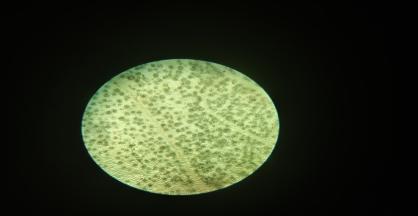
Fig. 1: Transverse section of leaves of Colocasia esculenta under 100x magnification scale
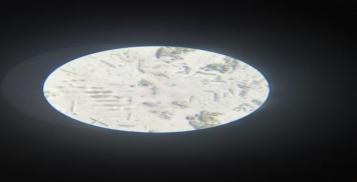
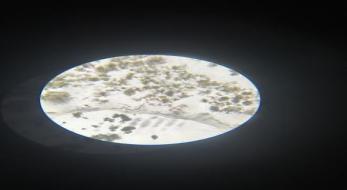
Fig. 2: The powder microscopy of leaves of Colocasia esculenta under 100x magnification scale
Table 2: Powder characteristics of leaves of Colocasia esculenta
| S. No. | Reagent | Observation | Characteristics |
| 1 | Phloroglucinol+conc. HCl (1:1) | Red | Lignified xylem vessels (V. B) |
| 2 | Sudan red III | Red | Cuticle |
| 3 | Hydrochloric acid | Crystals get dissolved | Calcium oxalate |
| 4 | Sulphuric acid | Formation of needle-shaped crystals of calcium sulphate | Calcium oxalate |
Table 3: Physico-chemical evaluation of leaves of Colocasia esculenta
| S. No. | Parameters | Percentage (%) |
| 1 | Total ash | 5.68% |
| 2 | Acid-soluble ash | 101.66% |
| 3 | Water-soluble ash | 103.75% |
| 4 | Water-soluble extractive value | 4% |
| 5 | Alcohol-soluble extractive value | 14% |
Table 4: Phytochemical screening of ethanolic extract of leaves of Colocasia esculenta
| Phytoconstituents | Test | Ethanolic extract |
| Alkaloids | Dragendorff’s test Mayer’s test Hanger’s test Wagner’s test |
++ |
| - | ||
| ++ | ||
| ++ | ||
| Flavonoids | Shinoda’s test Lead acetate test. Alkaline test Sulphuric acid test |
-- |
| ++ | ||
| ++ | ||
| ++ | ||
| Glycosides | Legal’s test Killer – Killani test Modified Bontrager’s test Test for saponin glycoside (Foam test) |
++ |
| ++ | ||
| + | ||
| + | ||
| Tannis and phenols | Lead acetate test. Dil. Iodine solution Dil. HNO3 5% FeCl3 |
- |
| - | ||
| ++ | ||
| + | ||
| Carbohydrates | Molish’s reagent Fehling’s test Benedict’s test |
- |
| - | ||
| + |
++indicates = Present,-indicates = Absent
Table 5: Effect of ethanol extract of leaves of Colocasia esculenta on percent mortality using brine shrimp lethality bioassay
Concentration (µg/ml) |
No. of dead nauplii out of 10 | Dead nauplii out of 30 | Live nauplii out of 30 | % mortality mean±SEM |
LC50 (µg/ml) |
||
| T1 | T2 | T3 | |||||
| 10 | 5 | 4 | 3 | 12 | 18 | 4.03±0.5773 | |
| 20 | 7 | 4 | 4 | 15 | 15 | 5.02±1.000 | |
| 30 | 8 | 4 | 6 | 18 | 12 | 6.03±1.1547* | 48.1 |
| 40 | 9 | 6 | 7 | 22 | 8 | 7.33±0.8819* | |
| 50 | 10 | 7 | 6 | 23 | 7 | 7.66±1.2018** | |
Value are expressed as (mean ±SEM) n=3, where *p<0.05, **p<0.01,***p<0.001, statistically significant when compared with control group by using one-way ANOVA followed by Dunnett’s multiple comparison test.
Table 6: Effect of 5-Fluorouracil (Standard) on percent mortality using Brine Shrimp Lethality bioassay
| Concentration (µg/ml) | No. of dead nauplii out of 10 | Dead nauplii out of 30 | Live nauplii out of 30 | % Mortality mean±SEM | LC50 (µg/ml) | ||
| T1 | T2 | T3 | |||||
| 0.5 | 4 | 5 | 5 | 14 | 16 | 4.67±0.3333 | |
| 1 | 5 | 6 | 7 | 18 | 12 | 6.00±0.5773 | |
| 1.5 | 6 | 7 | 8 | 21 | 9 | 7.00±0.5773* | 43 |
| 2 | 7 | 8 | 9 | 24 | 6 | 8.00±0.5773** | |
| 2.5 | 8 | 9 | 10 | 27 | 3 | 9.00±0.5773*** | |
Value are expressed as (mean ±SEM) n=3, where *p<0.05, **p<0.01,***p<0.001, statistically significant when compared with control group by using one-way ANOVA followed by Dunnett’s multiple comparison test.
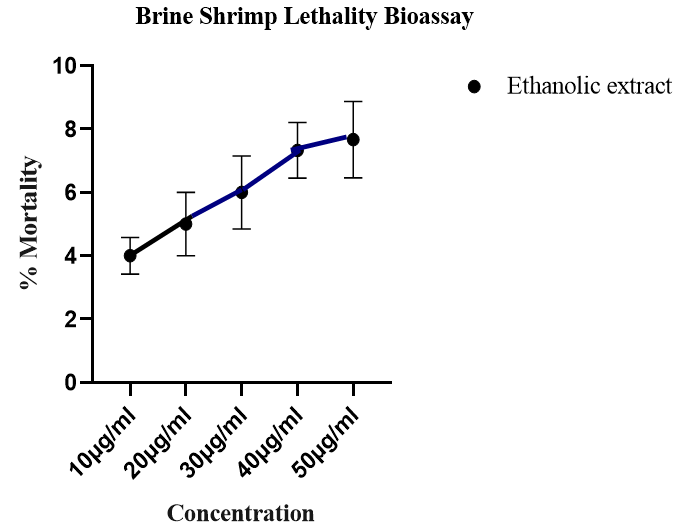
Fig. 3: Effect of ethanolic extract of leaves of Colocasia esculenta on percent mortality using brine shrimp lethality bioassay
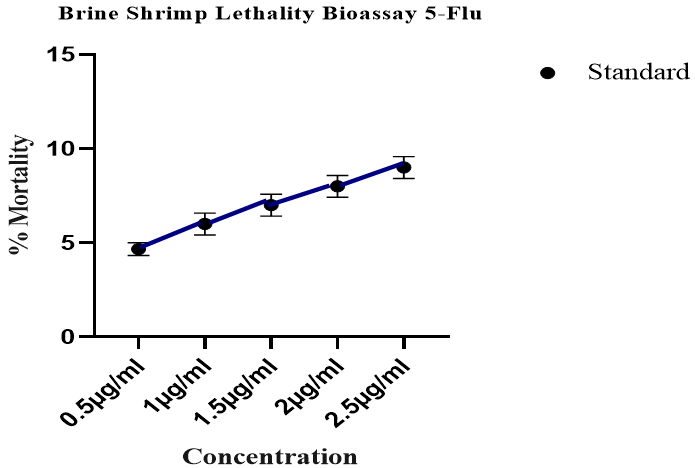
Fig. 4: Effect of standard 5-fluorouracil on percent mortality using brine shrimp lethality bioassay
DISCUSSION
Plants have indeed been a crucial source of therapeutic agents throughout history. Many modern medicines have their origins in traditional plant-based remedies [20]. Natural products remain a significant focus in drug discovery, even in today's advanced age, due to the incredible variety of biomolecules found in plants. These compounds offer novel pathways for addressing a range of chronic diseases and continue to provide valuable opportunities for developing new treatments [21]. However, these medications have limitations, including reduced effectiveness over extended periods and potential for unforeseen side effects [22, 23]. Consequently, recent research has increasingly focused on alternative drug sources that may present fewer or minimal side effects.
The percentage yield of crude extract was found to be higher in ethanol when compared to that of the aqueous solvent. The result reveals that the phytochemical constituents diffuse and solubilize more in ethanol when compared to distilled water.
Preliminary phytochemical screening revealed the presence of phytochemical constituents of ethanolic extracts of Colocasia esculenta, such as Alkaloids, Flavonoids, Tannins, Phenols, Saponins, and Carbohydrates. So, the ethanolic extract is used for further research.
The physicochemical parameters, such as total ash, acid-insoluble ash, water-soluble ash, water-soluble extractive value, and alcohol soluble extractive value, were evaluated.
The lethality of the ethanolic extract of in a simple zoological organism such as the shrimp (Artemia salina) has been utilized in the Brine Shrimp Cytotoxicity test (BSCT). It is a very useful tool to screen a wide range of chemical compounds for their various bioactivities. It has been well utilized for the screening and fractionation of physiologically active plant extracts as well. It has been demonstrated that the Brine Shrimp Cytotoxicity test (BSCT) correlates reasonably well with cytotoxic and other biological properties. The brine shrimp bioassay has been established as a safe, practical, and economic method for the determination of bioactivities of synthetic compounds as well as plant products. The significant correlation between the Brine shrimp assay and in vitro growth inhibition of human solid tumour cell lines demonstrated by the National Cancer Institute, United States of America (NCI, USA) is significant because it shows the value of this bioassay as a pre-screening tool for anti-tumor drug research. In toxicity evaluation of plant extracts by Brine shrimp lethality bioassay, LC50 values lower than 1000 μg/ml are considered bioactive. The Brine Shrimp Lethality Bioassay in table 5 shows the lethality of ethanolic extract of Colocasia esculenta to the Brine Shrimp nauplii. The degree of lethality shown by the extracts was found to be directly proportional to the concentration of the extracts, ranging from the lowest concentration (100μg/ml) to the highest concentration (1000 μg/ml). This concentration-dependent increment in percent mortality of Brine Shrimp nauplii produced by the Colocasia esculent indicates the presence of cytotoxic principles in these extractives.
The brine shrimp lethality bio-assay represents a rapid, inexpensive, and simple bioassay for testing plant extracts bioactivity, which in most cases correlates reasonably well cytotoxicity. The brine shrimp assay is a very useful tool for the isolation of bioactive compounds from leaves of Colocasia esculenta. The method allows the use of smaller quantity of the extracts and permits larger number of samples and dilutions within shorter time than using the original test vials [24]. Furthermore, it has been established that the cytotoxic compounds generally exhibit significant activity in the BSLB, and this assay can be recommended as a guide for the detection of anti-tumor compound because of its simplicity and low cost [25]. This bioassay has also a good correlation with the human solid tumour cell lines. The inhibitory effect of the extract might be due to the toxic compounds present in the active fraction that possess ovicidal and larvicidal properties. The metabolites either affected the embryonic development or slay the eggs. Therefore, the cytotoxic effects of the leaves of Colocasia esculenta enunciate that it can be selected for further cell line assay because there is a correlation between cytotoxicity and activity against the brine shrimp nauplii using extracts [26].
The significant lethality of brine shrimp due to extracts of Colocasia esculenta is indicative of the presence of potent cytotoxic components, which warrants further investigation.
After enumerating the number of shrimps surviving after 24 h the percentage inhibition was evaluated. The Lethality concentration (LC50) of the standard, 5-FU is represented in the table 6.
Hence, the results obtained for the bioassays support the ethanolic extract of leaves of Colocasia esculenta at 50µg/ml has more potent 48.1 µg/ml when compared with to the positive control (Standard) i. e. 5-Fluorouracil, which was 43.0 µg/ml which were tabulated in the table. 5 and 6, the lethal concentration (LC50) was found. It was found that no investigation has been carried out on the leaves of Colocasia esculenta for cytotoxic activities till now. The results of this pre-clinical study will provide the necessary data for phase II clinical trials in the treatment cancer. Finally, further studies are required to disclose the lead chemical constituents from the leaves of Colocasia esculenta and mechanism of the anti-cancer activity.
CONCLUSION
The phytoconstituents in Colocasia esculenta would be more concentrated in the ethanolic extract, as evidenced by the plant's higher extractive value in ethanol than in water. Colocasia esculenta ethanolic extract revealed the presence of Tannins, Glycosides, Alkaloids And Carbohydrates. It was discovered that the Colocasia esculenta extract contains a significantly higher concentration of phytochemical ingredients, which makes it useful for creating novel formulations.
The findings of the present study highlight Colocasia esculenta leaves as an efficient source of bioactive phyto-compounds with considerable therapeutic activity, especially in cancer. Further studies are needed to investigate and validate these findings and pave the way for potential therapeutic improvements.
FUNDING
Nil
AUTHORS CONTRIBUTIONS
This is author’s sole research work and not contributed by other ones.
CONFLICT OF INTERESTS
Declared none
REFERENCES
Bray F, Ferlay J, Soerjomataram I, Siegel RL, Torre LA, Jemal A. Global cancer statistics 2018: GLOBOCAN estimates of incidence and mortality worldwide for 36 cancers in 185 countries. CA Cancer J Clin. 2018;68(6):394-424. doi: 10.3322/caac.21492, PMID 30207593.
Karpuz M, Silindir Gunay M, Ozer AY. Current and future approaches for effective cancer imaging and treatment. Cancer Biother Radiopharm. 2018;33(2):39-51. doi: 10.1089/cbr.2017.2378, PMID 29634415.
Nobili S, Lippi D, Witort E, Donnini M, Bausi L, Mini E. Natural compounds for cancer treatment and prevention. Pharmacol Res. 2009;59(6):365-78. doi: 10.1016/j.phrs.2009.01.017, PMID 19429468.
Cheng H. Advanced textbook on traditional Chinese medicine and pharmacology. Beijing, China: New World Publishing; 1995. p. 76-9.
Shehab NG, Mahdy A, Khan SA, Noureddin SM. Chemical constituents and biological activities of Fagonia indica Burm. F. Research J of Medicinal Plant. 2011;5(5):531-46. doi: 10.3923/rjmp.2011.531.546.
Faried A, Kurnia D, Faried LS, Usman N, Miyazaki T, Kato H. Anticancer effects of gallic acid isolated from Indonesian herbal medicine Phaleria macrocarpa (Scheff.) Boerl on human cancer cell lines. Int J Oncol. 2007;30(3):605-13. doi: 10.3892/ijo.30.3.605, PMID 17273761.
Sohi KK, Mittal N, Hundal MK, Khanduja KL. Gallic acid an antioxidant exhibits antiapoptotic potential in normal human lymphocytes: a Bcl-2 independent mechanism. Journal of Nutritional Science and Vitaminology J Nutr Sci Vitaminol. 2003;49(4):221-7. doi: 10.3177/jnsv.49.221.
Inoue M, Suzuki R, Koide T, Sakaguchi N, Ogihara Y, Yabu Y. Antioxidant gallic acid induces apoptosis in HL-60RG cells. Biochem Biophys Res Commun. 1994;204(2):898-904. doi: 10.1006/bbrc.1994.2544, PMID 7980558.
Sun J, Chu YF, Wu X, Liu RH. Antioxidant and antiproliferative activities of common fruits. J Agric Food Chem. 2002;50(25):7449-54. doi: 10.1021/jf0207530, PMID 12452674.
Taraphdar AK, Roy M, Bhattacharya R. Natural products as inducers of apoptosis: implication for cancer therapy and prevention. Curr Sci. 2001;80(11):1387-96.
Pal SK, Shukla Y. Herbal medicine: current status and the future. Asian Pac J Cancer Prev. 2003;4(4):281-8. PMID 14728584.
Koehn FE, Carter GT. The evolving role of natural products in drug discovery. Nat Rev Drug Discov. 2005;4(3):206-20. doi: 10.1038/nrd1657, PMID 15729362.
Saklani A, Kutty SK. Plant-derived compounds in clinical trials. Drug Discov Today. 2008;13(3-4):161-71. doi: 10.1016/j.drudis.2007.10.010, PMID 18275914.
Wang CZ, Calway T, Yuan CS. Herbal medicines as adjuvants for cancer therapeutics. Am J Chin Med. 2012;40(4):657-69. doi: 10.1142/S0192415X12500498, PMID 22809022.
Ghorani Azam A, Sepahi S, Riahi Zanjani B, Alizadeh Ghamsari A, Mohajeri SA, Balali Mood M. Plant toxins and acute medicinal plant poisoning in children: a systematic literature review. J Res Med Sci. 2018 Mar;23:26. doi: 10.4103/jrms.JRMS_629_17, PMID 29692823.
Khandelwal K. Practical pharmacognosy. Pragati Books Pvt. Ltd.; 2008. p. 38-43.
Khan. Anti-fertility activity studies of Mimosa hamata (Willd.) in rats. Adv Sci Res. 2020;11(1):261-8.
Mol J, Grotewold E, Koes R. How genes paint flowers and seeds. Trends Plant Sci. 1998;3(6):212-7. doi: 10.1016/S1360-1385(98)01242-4.
Asaduzzaman MD, Rana MS, Hasan SR, Hossain MM, Das N. Cytotoxic (brine shrimp lethality bioassay) and anti-oxidant investigation of Barringtonia acutangula (L.). Int J Pharm Sci Res. 2015;6(8):1179-85.
Kumar R, Kumar S, Kanwar SS. Herbs as therapeutics and healers: biomedical perspectives of herbal honey. Singapore: Springer Nature; 2024. p. 35-46.
Chaachouay N, Zidane L. Plant-derived natural products: a source for drug discovery and development. Drugs Drug Candidates. 2024;3(1):184-207. doi: 10.3390/ddc3010011.
Belousov A. Contemporary aspects of anticoagulant and anti-platelet therapy: novel perspectives on monitoring and evaluation of the hemostasis system. J Resp Med Clin Pulmonol. 2024;1(2):1-11. doi: 10.31579/2639-4162/141.
Ibrahim HK. Anti-coagulant medications: a comparative review of Aspirin warfarin, heparin and apixaban. Int J Multidiscip Sci Arts. 2024;3(1):298-306. doi: 10.47709/ijmdsa.v3i1.3755.
Sam TW. Toxicity testing using the brine shrimp: Artemia salina. Bioactive natural products detection isolation and structural determination. Boca Raton: CRC press; 1993. p. 442-56.
Mazid MA, Datta BK, Nahar L, Sarker SD. Assessment of anti-bacterial activity and brine shrimp toxicity of two Polygonum species. Ars Pharm. 2008;49(2):127-34.
Manilal A, Sujith S, Seghal KG, Selvin J, Shakir C. Cytotoxic potentials of red alga, Laurencia brandenii collected from the Indian coast. Glob J Pharmacol. 2009;3(2):90-4.